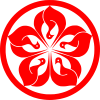
zanilu Posted December 26, 2020 Report Posted December 26, 2020 Hello, and season greetings to all I have recently purchased an Heianjo tsuba with a composite theme. On the omote side we can see flowers that I think are autumn plants (Akikusa - 秋草) with overlaid a sort of cloud full of hanabishi (花菱) kamon. On the ura there are wild geese and waves (gan no nami - 雁波). I need some help to sort out some questions I have about the themes. First it is right to refer to the ura theme as "gan no nami" and use the kanji "雁の波" or there is a more befitting way to refer to it? There is any story connected with such a design or representation? While I can see a connection between the autumn grasses on the front and the wild geese on the back, i.e. autumn migration of the geese, the connection with the hanabishi kamon with either one is not clear to me. As far as I have understood the hanabishi does not refer not is abstraction of any real flower. Any thought about the tsuba itself and about the theme are most welcome Thank you in advance and best regards Luca 1 Quote
MauroP Posted December 26, 2020 Report Posted December 26, 2020 Ciao Luca, "gan no nami" sounds like a genitive case. I suppose that simply gan nami or gan ni nami (雁に波) should be the correct form (but let a true expert in Japanese chime in). See: https://artsandculture.google.com/asset/雁に波文皿 肥前焼・-柿右衛門様式-plate-with-geese-and-waves/-AH96HQsuwb9nQ Love your Heianjō findings. 1 Quote
zanilu Posted December 27, 2020 Author Report Posted December 27, 2020 Grazie Mauro Sei una certezza! Thank you Mauro. I was sure that you will provide something of interest! The most intriguing thing though is the connection between the three themes, if any! Regards Luca Quote

Recommended Posts
Join the conversation
You can post now and register later. If you have an account, sign in now to post with your account.