Conserved123
-
Posts
15 -
Joined
-
Last visited
Content Type
Profiles
Forums
Events
Store
Downloads
Gallery
Everything posted by Conserved123
-
WW2 Naval dirk: fibrous material identification?
Conserved123 replied to Conserved123's topic in Military Swords of Japan
@Conway i absolutely agree that it's important to honour the original context, humans are humans, these were all young men who were sent into armed conflict, and it didn't matter what side they were on. As for many collectors not being 'haunted' by the original back story, there is no judgment there on my part. We're all different, and we each have our own way of respecting the artifact and its history. I am just at the beginning of my conservation of cultural heritage training, and my views now may not be my views in the future, but for now, this is what's happening to me personally and because you are all very generous and knowledgeable, I have shared this with you to gain some insight, connection, and understanding. I would argue that the fact that my current feelings is amongst the minority in this community, doesn't mean it's less valid, just that it's different. Also I'm not a collector, I'm a conservator in training, so that already puts me on a different path than yours and others. There are people trying to repatriate gunto from Australia to Japanese descendants of original owner, but because this tanto was likely mass produced etc, we cant trace any lineage, but for me it makes it even more poignant. Thank you all of you for your insight and generosity. -
WW2 Naval dirk: fibrous material identification?
Conserved123 replied to Conserved123's topic in Military Swords of Japan
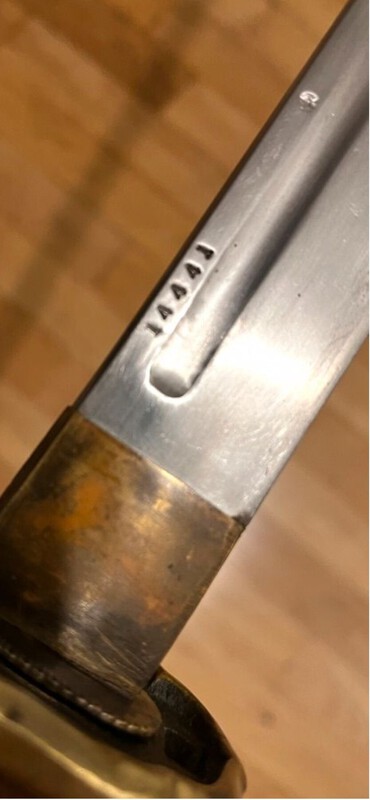
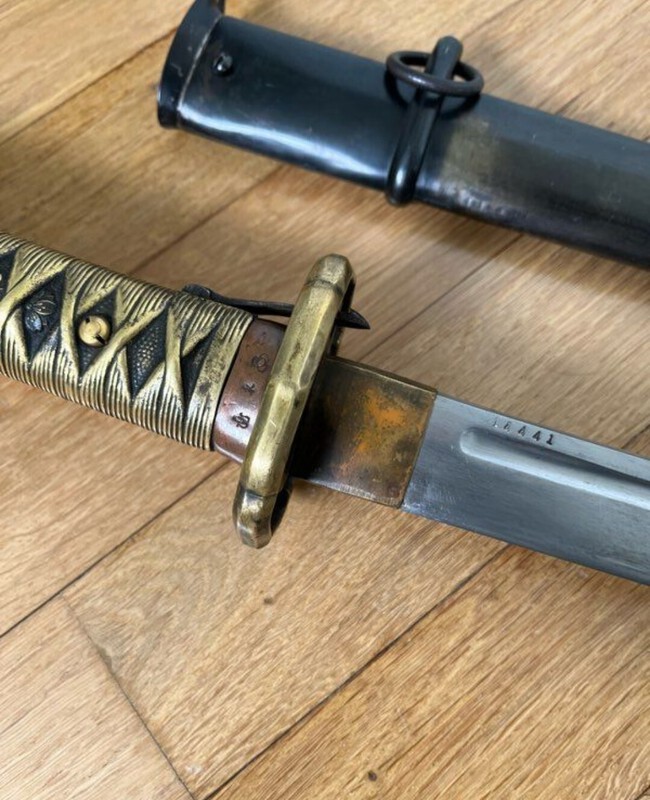
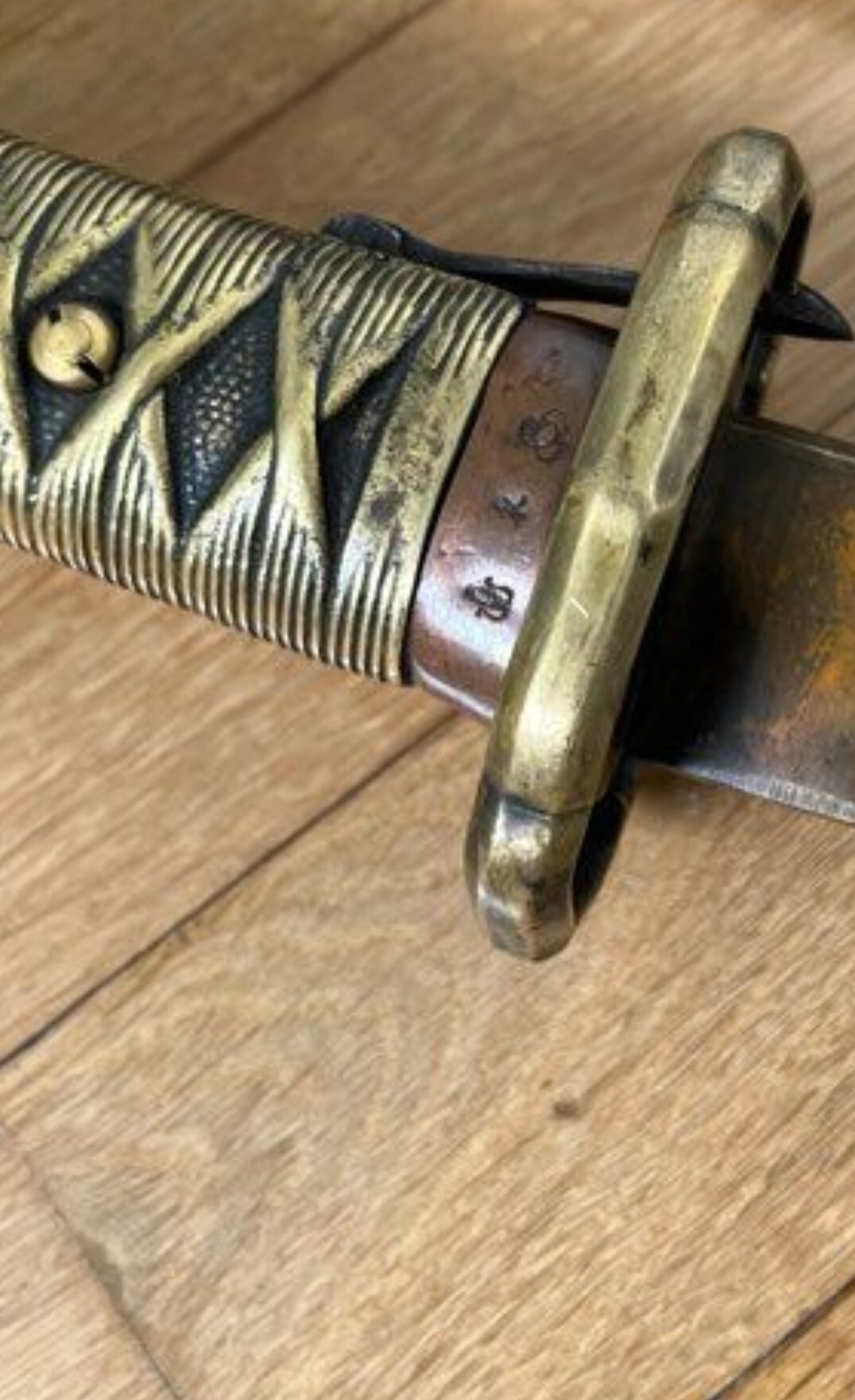
Thank you all for your responses. Because of the historical sensitivity of this tanto, our training as cultural conservators prohibits us from disassembling, so I guess we shall never know what exactly is inside the tsuka. I do have a question though. It looks badly damaged, there are dents and chips everywhere on the metallic surface. Possibly has actually seen active combat? There are brownish-green substance between the arches of the seppa, looks like mud/dirt, some kind of organic residue. I was misinformed, apparently this did not belong to a family friend, it was donated to my university's teaching library, and prior to that, it is completely unknown. No clear provenance. Given that this type of tanto is so 'common', it feels like it is a testament of some kind of Japanese's defeat that resulted in these items becoming 'spoils of war'? I am absolutely haunted by the sadness and historical weight behind this tanto. What would be a culturally appropriate way to store it and care for it, does anyone know? The original naval officer cannot be identified, was likely killed in action, so what can I do to advocate for respect and care for this item that potentially has a violent past? Yes it is likely paper underneath samegawa, I agree. Thank you for being generous with your knowledge. Best Luke -
WW2 Naval dirk: fibrous material identification?
Conserved123 replied to Conserved123's topic in Military Swords of Japan
protocol dictates we are not allowed to touch it in any way that's more invasive than using xray, UV, infrared, sadly. We don't have permission from the original owner to unscrew anything or dismantle it in any way, and rumor had it that it had been in their family for decades, and was already in a damaged condition when it came to them (white Australian family). -
WW2 Naval dirk: fibrous material identification?
Conserved123 replied to Conserved123's topic in Military Swords of Japan
Thank you @John C. We have just obtained X-Ray images of our Tantō! The areas I have circled--my fellow grad researchers and I disagreed on this. They think these are damages/breakage in the steel. But to me these look like a mechanism to secure the nakago in position. Like a latch? Surely metals don't break in this manner...? What does anyone else think? @Bruce Pennington @Kiipu ? Such a beautiful, intriguing object.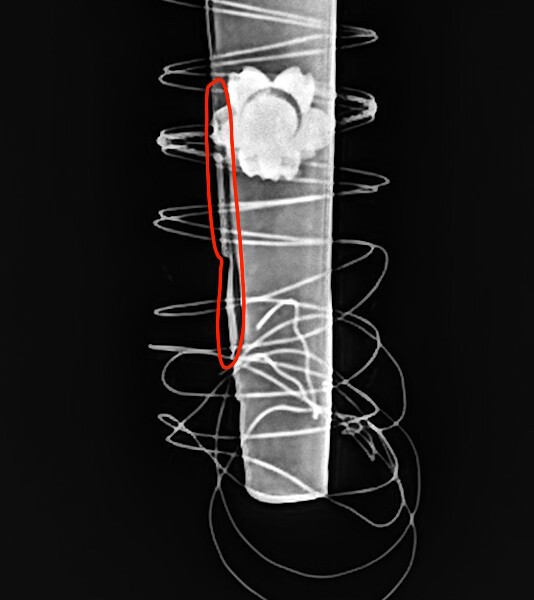
-
Thank you so much @Kiipu.
-
@Kiipu I am so sorry, to be bugging you wise gentlemen again! You stated that Toyokawa Naval Arsenal was not established until December 1939, could you point me to a citable source for my research report? Academia is tricky that way. Many thanks in advance for your time.
-
WW2 Naval dirk: fibrous material identification?
Conserved123 replied to Conserved123's topic in Military Swords of Japan
Thank you @Bruce Pennington. The trouble with academic life, I guess. Citation citation citation. Ha! -
WW2 Naval dirk: fibrous material identification?
Conserved123 replied to Conserved123's topic in Military Swords of Japan
@Rawa its hard to tell because the kashira is missing, but I think it's the Taisho/Showa term. The most useful book I have so far is "Japanese swords : cultural icons of a nation ; the history, metallurgy and iconography of the samurai sword" by Colin M. Roach. And thanks @John C that was really useful!
-
thank you @Kiipu
-
WW2 Naval dirk: fibrous material identification?
Conserved123 replied to Conserved123's topic in Military Swords of Japan
Thank you @Rawa! -
-
WW2 Naval dirk: fibrous material identification?
Conserved123 replied to Conserved123's topic in Military Swords of Japan
PS @Bruce Pennington if you happen to come across any sources from articles/books/etc that talks about using fabric/paper underneath the ray skin, I would really appreciate it too. -
WW2 Naval dirk: fibrous material identification?
Conserved123 replied to Conserved123's topic in Military Swords of Japan
That's a great idea @Bruce Pennington. Thank you. -
WW2 Naval dirk: fibrous material identification?
Conserved123 replied to Conserved123's topic in Military Swords of Japan
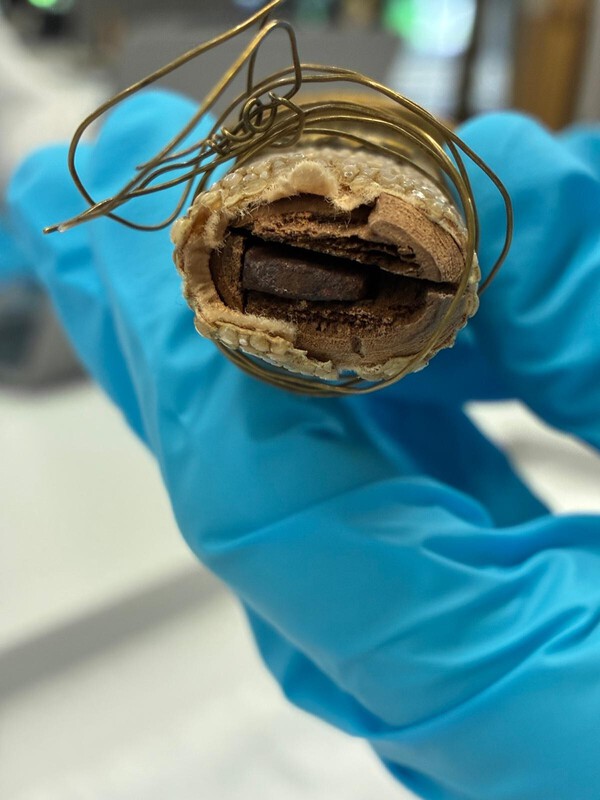
Thanks John. Why do all these videos of people wrapping the ray skin around the sword handle show them doing it directly? Is this a method that is no longer in use (putting paper underneath)? In my research I only see people using washi paper under the thread wrapping, AFTER the ray skin has been glued on. If you have any source or reading material that I can look at, about using fabric under the ray skin, please let me know, I'm very curious and want to know more, especially if this reflects changes in craftsmanship over time. -
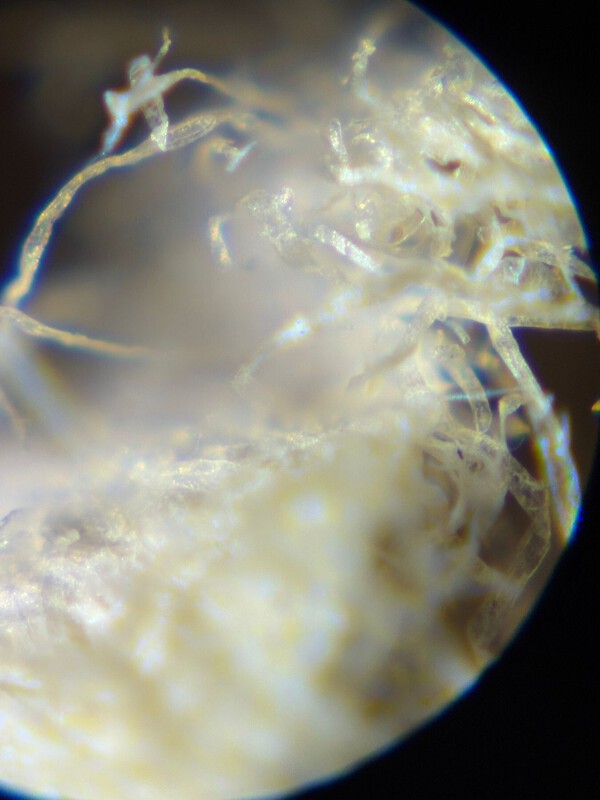
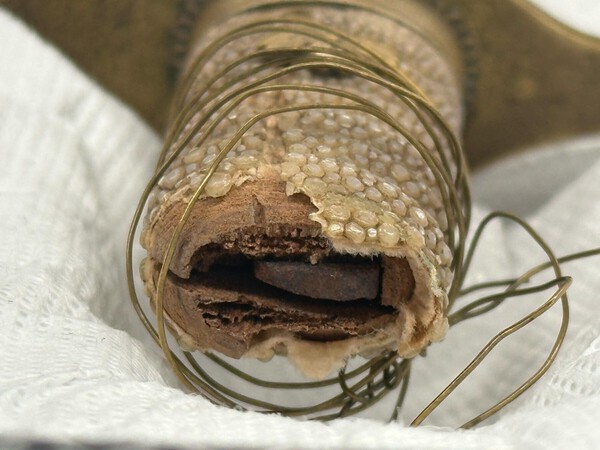
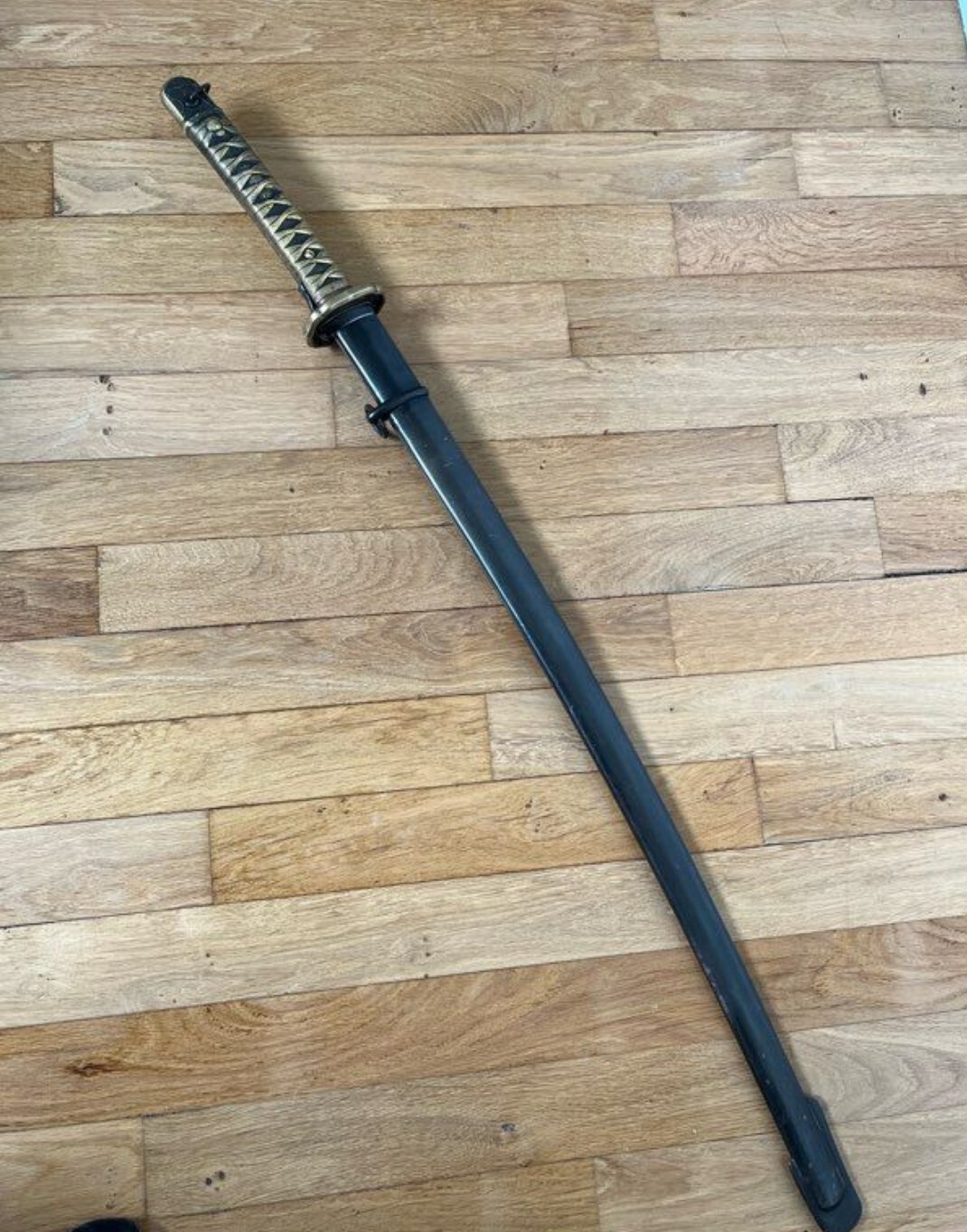
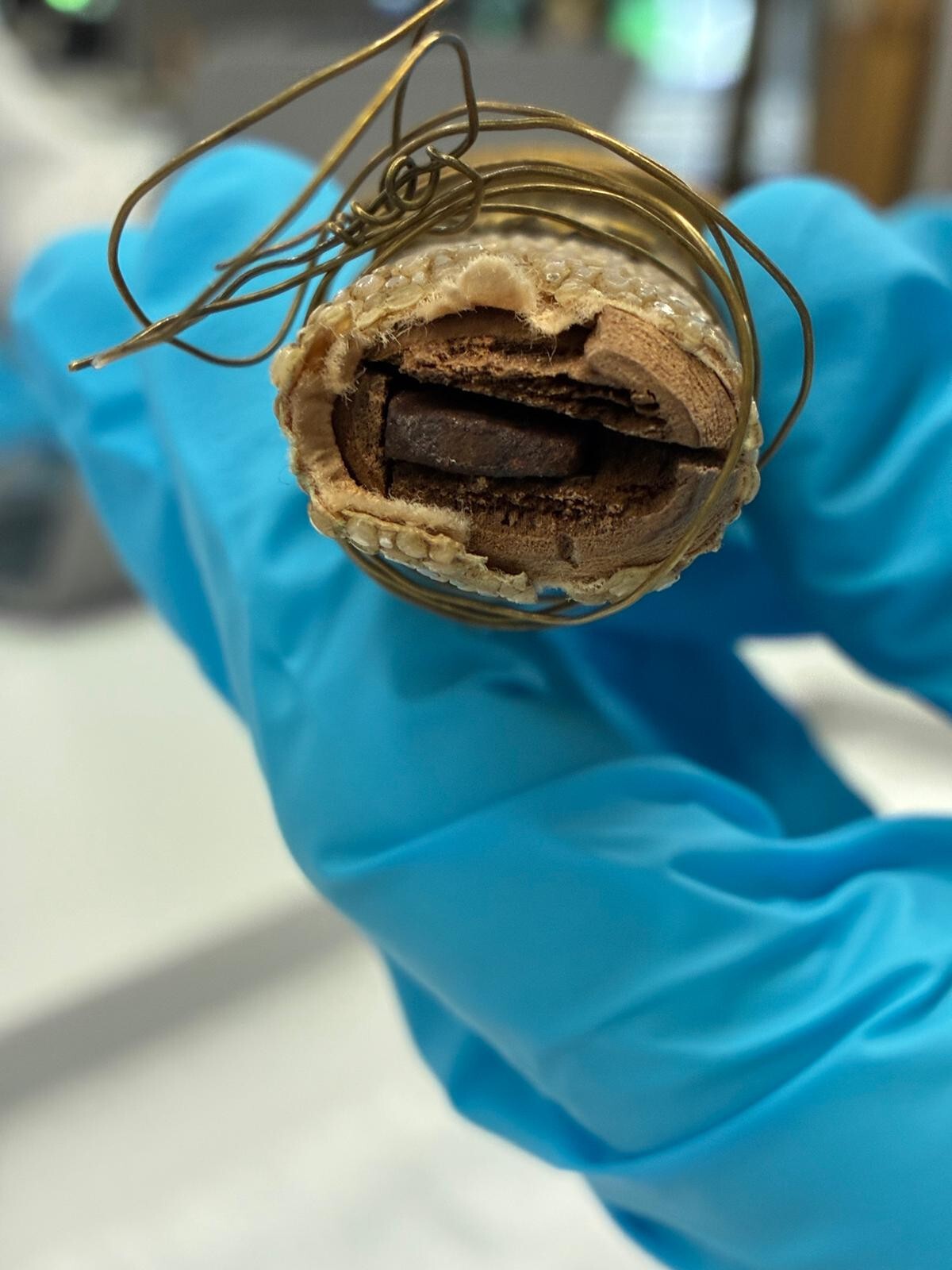
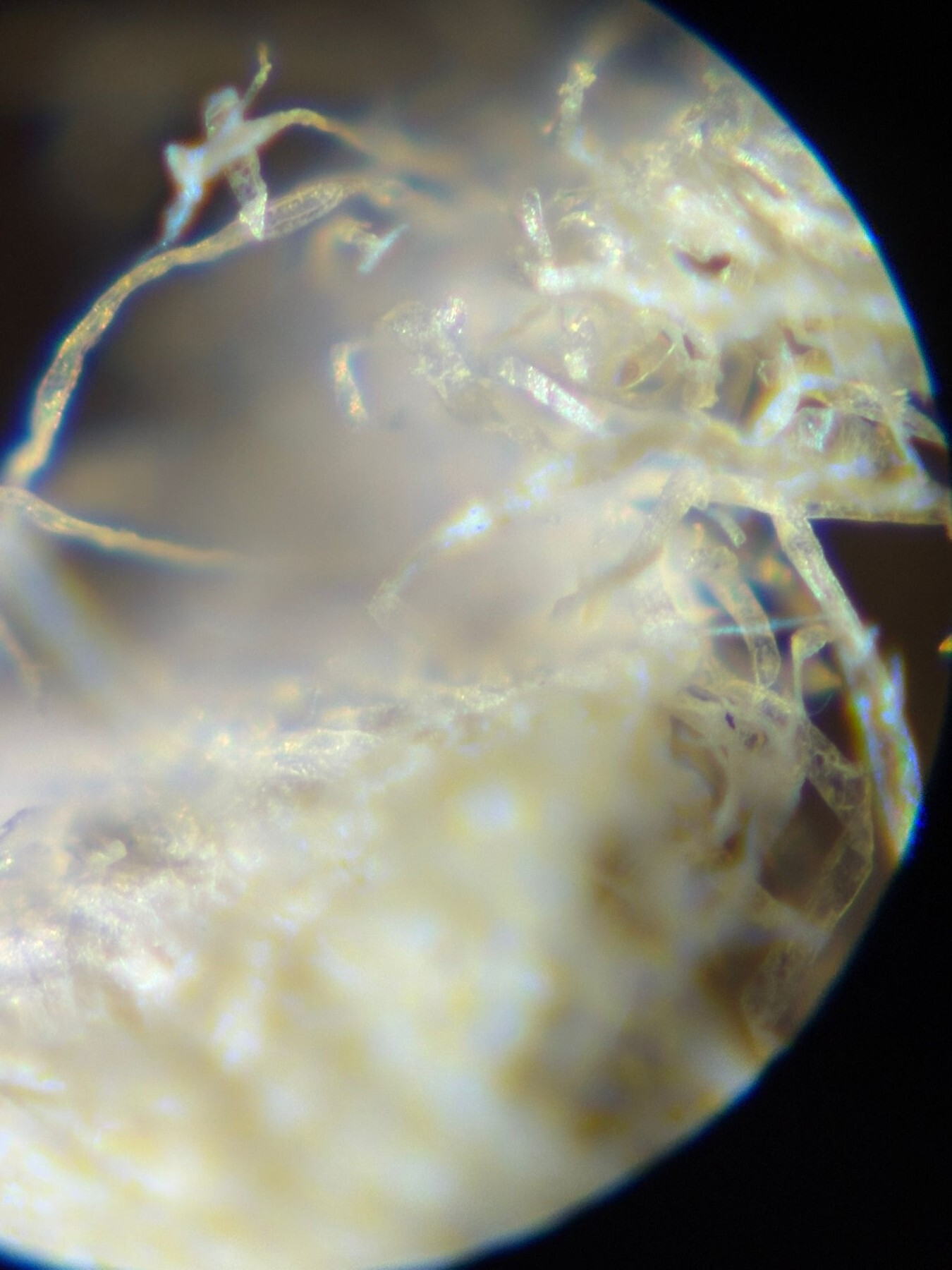
Hello all, I'm currently studying this object in my conservation postgrad. Apparently it belonged to a friend of one of the department's contacts at our university. I know it's a ceremonial naval dirk, likely made after 1914, but we're wondering what is this fibrous material that can be observed from the exposed end of the hilt? I can't find any examples of any hilt makers using any paper or fabric underneath the ray skin, usually it's glued directly onto the wood, right? So what could this material be? Is this the underside of the ray skin itself that's deteriorated, or something else? Managed to take a decent picture of how it looks under a pocket microscope's magnification (60-120x). Any thoughts? Guesses? Thank you so much in advance for your help!