Rhizosphere
-
Posts
75 -
Joined
-
Last visited
Content Type
Profiles
Forums
Events
Store
Downloads
Gallery
Everything posted by Rhizosphere
-
Yes. From CoffeeWithBoston.
-
Im trying to be happy with it. Having to adjust what I thought was interesting about it now. And considering the cost and effort of buying and selling parts to make it look correct.
-
He does except returns. I paid $1400. Did i get ripped off. Part of the reason I bought it is because I thought it had WW2 history along with being a real Japanese sword. I do want to collect tsuba though. Is it easy find one that fits. Along with saya? Seems difficult.
-
What would you say the general age is? It isn't Koto then?
-
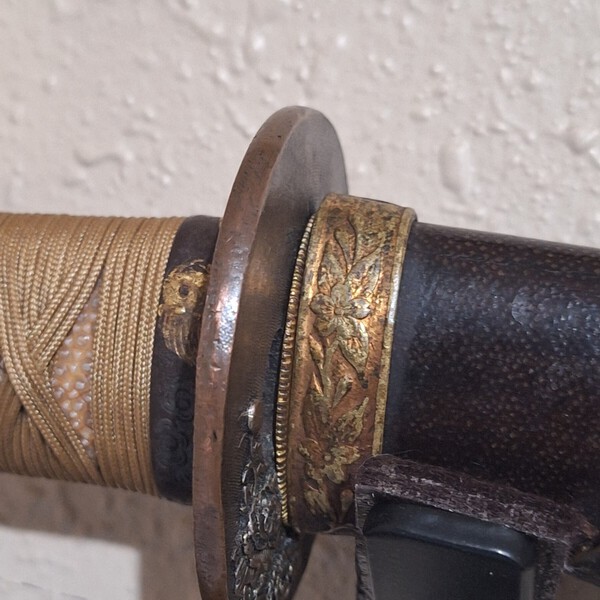
Seems to line up by the fitting at the base strikes me as weird.

-
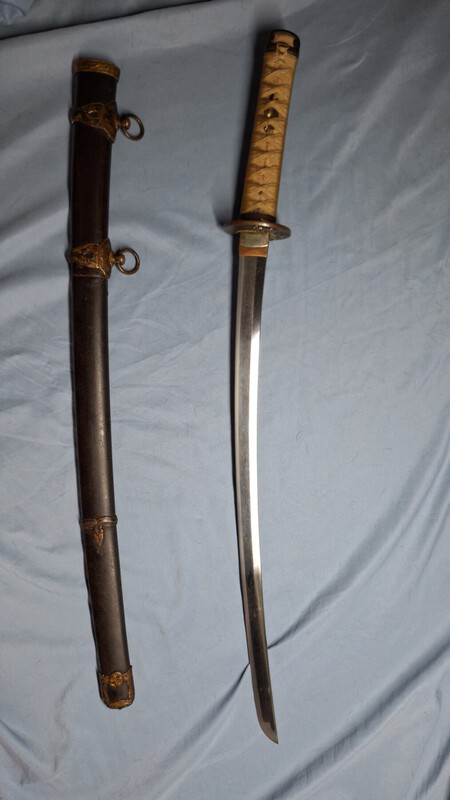
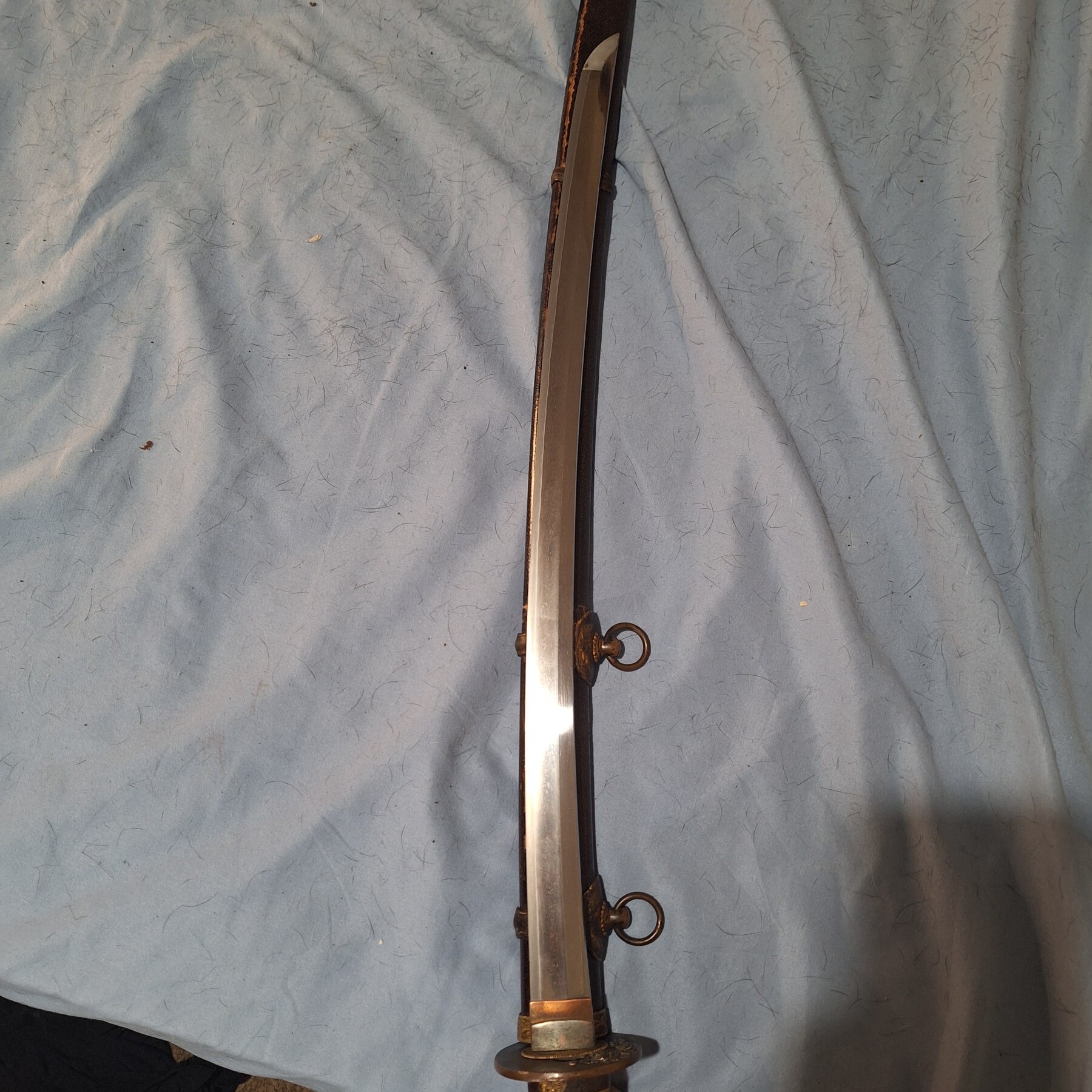
I just recieved it. Here is a photo. It looks like it may not be the original saya. There is some space. Unles it wore down that much. It matches width wise. But not length.

-
How much I have it? The sori seems to match when held next to the blade. It doesnt appear to be carved out. I can share a photo.
-
Totally shinetsu lol. It's been around the block a bit.
-
No. None. Inside of wooden saya is a bit worn out. Wood shavings come out every time i remove the sword. The sword no longer fits snugly. But the throat matches the habiki width if it wasnt worn down.
-
So that means it was probably used and polished many times?
-
Yes. This was the one defining charateristics that stood out to me as different.
-
Thanks for the info. I got it thinking of it as mumei. And to just admire the blade. The price seemed correct for a traditionally made wakizashi in good condition. Maybe consider selling in the future. What is your signature that the blade is tired and polished many times?
-
I'm sure it is gimei. But I'm not really too concerned about that. I'm more into the blade and how it presents. And see what others think. I imagine it as mumei.
-
And what do you believe the value of this blade is?
-
So is the sword not 1600s at all???
-
It is gimie. I bought it. It still is a nice sword for the price including the mounts. Especially when people are selling non traditional guntos for the same price.
-
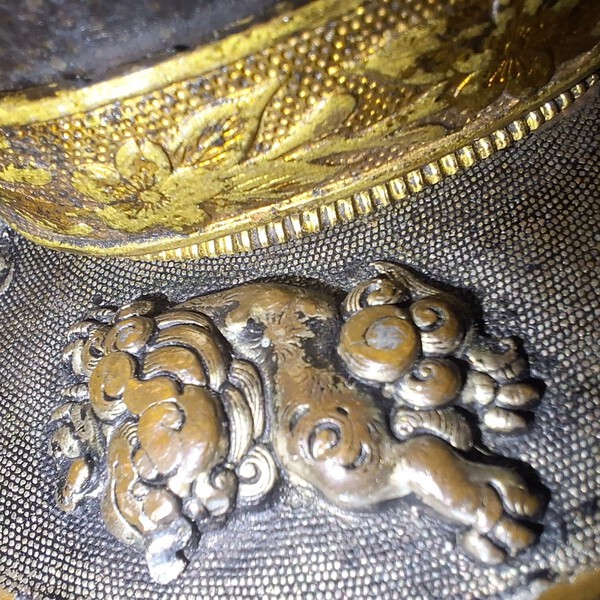
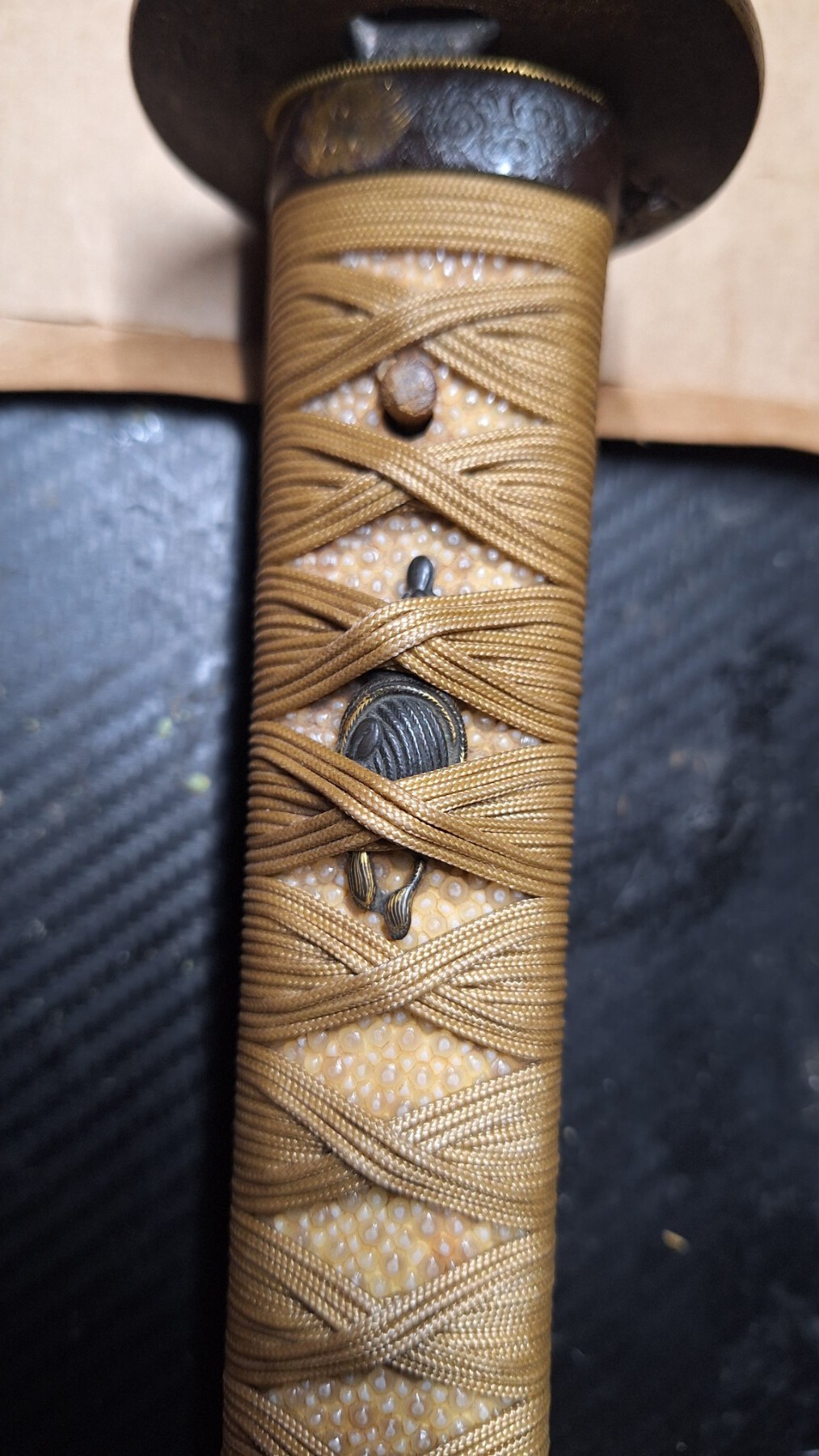
Seems to be gold foil inlay that partially fell out

-
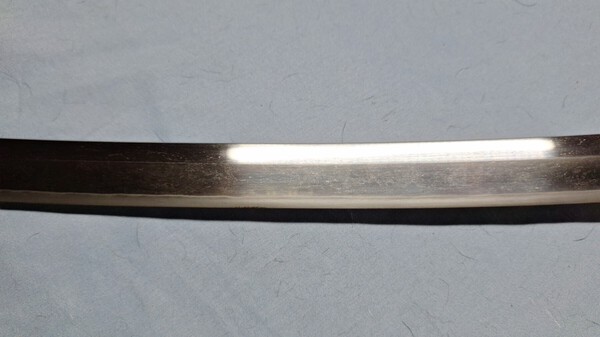
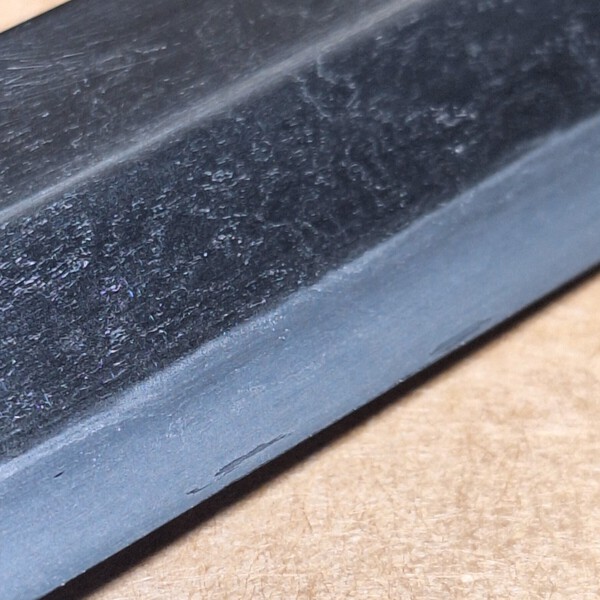
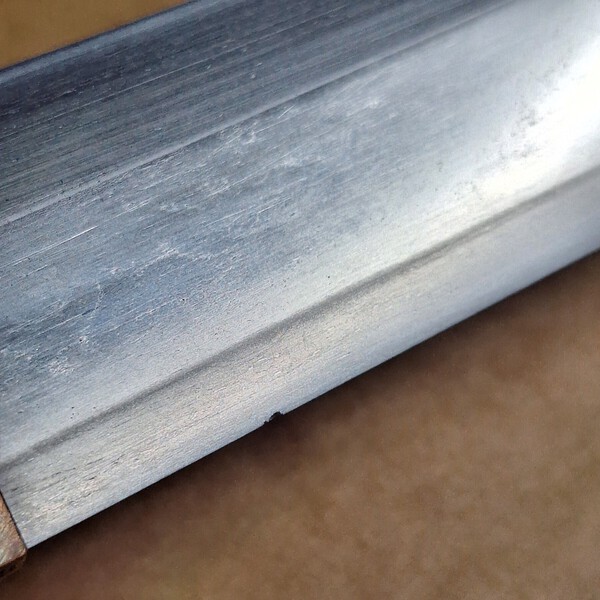
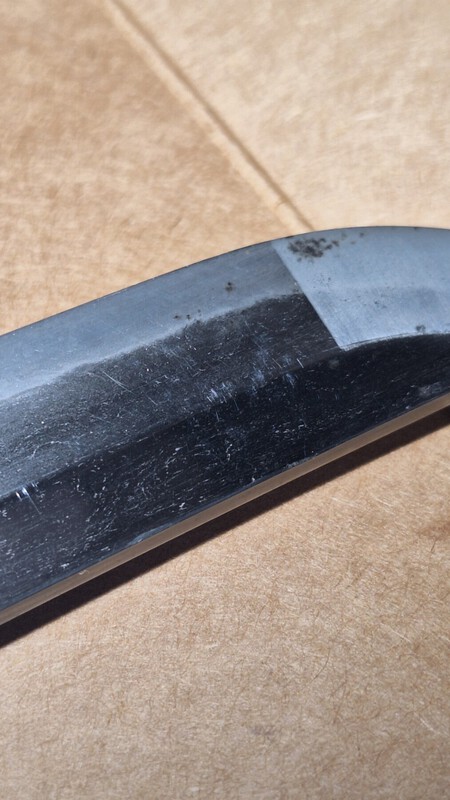
I bought this sword at a reduced price with a free tassle included. I currently have a post about it. I am sure it is gimei. But i was looking for an heirloom ww2 sword and this fit the bill. I had convo with the seller about it. He explained thats how it was sold to him. But it wasnt confirmed. The sword and mountings are very nice. Tsuna may predate the sword but is fitted perfectly. Beautifully presenting hada and hamon with streaks of nie and noi. Seems to be a true Hizen sword. It is a shame someome marked it as they did. Even if it was Mumei. I feel the price was right for the history and craftmenship it held. But the steel in signature has oxidization that matches the tang So it seems very old. The blade also has polishers grooves as well as a small crease on the spine as well as the defensive area of the base of the cutting edge.


-
Located near St. Louis btw
-
What makes you think it isn't Hizen? It is hard to understand these points without areas to reference.
-
I am not sure who the person you referenced is, apologies. It was told to me by a person on instagram after they viewed a couple photos. But he didnt seem interested in answering questions so I assume he didn't give it a good look anyway.
-
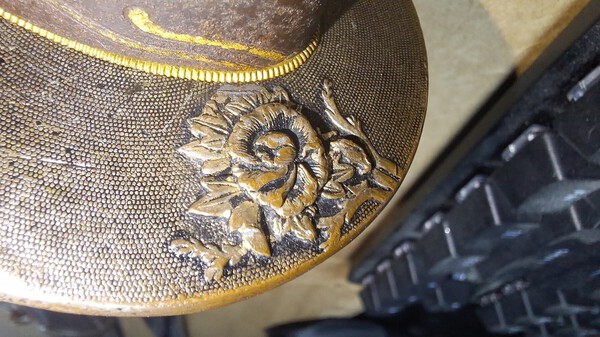
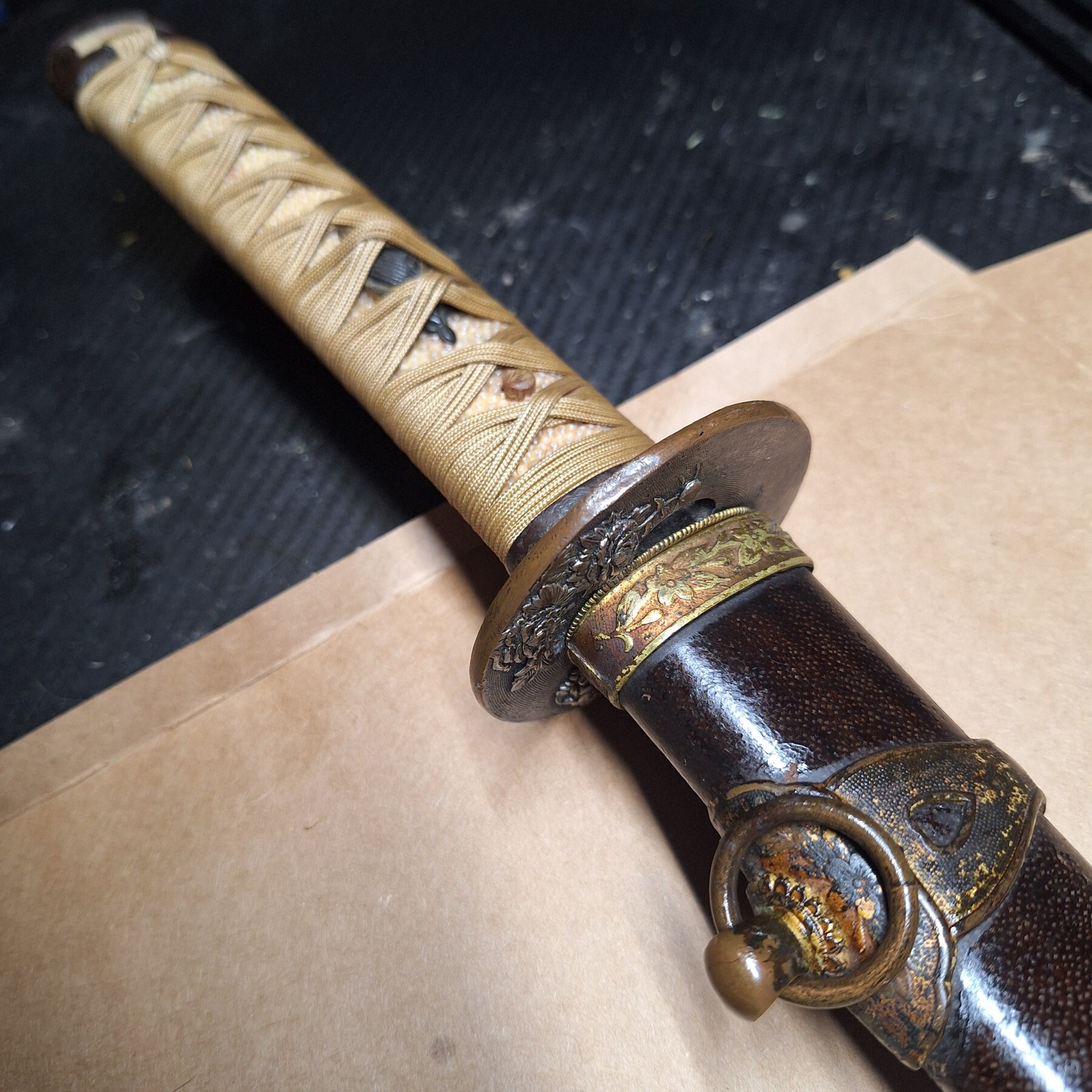
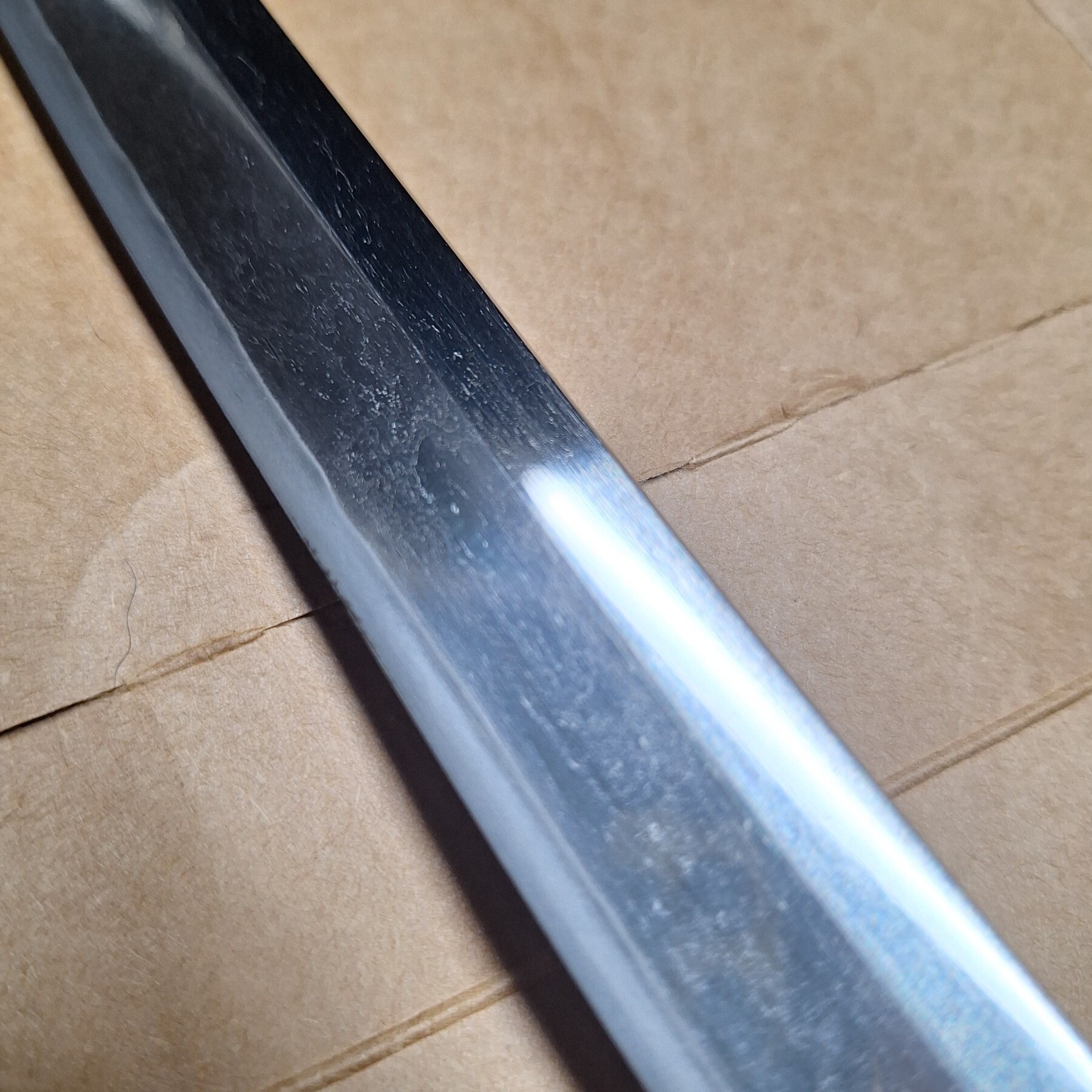
Japanese traditionally made family heirloom wakizashi. I was informed this was a Koto blade and forged in the early 1600s. Used as a naval officer's sword and, potentially, as a pilot's sword in WW2. The blade measures 21.5 inches. Bares a naval sharkskin saya. But retains its original Samurai mountings (potentially re-wrapped ito?) The tsuba. I think may be Tosho and predate the sword. The tsuba is meticulously hand carved (jumping lion and rose bush?). And has nanako surfacing on both side. There is also what looks like gold foil inlay in the handle (resembling a catfish and clouds). Which has partially flaked off. The blade also has a 2 piece 2 tone copper habaki. There is also evidence of what may be a defensive blade strike in the defensive zone (lower quadrant) of the blade. Potentiallly has kitikomi im in one spot on the spine (Photos at the end). Along with very small scratches in one area on either side of the front side of the blade. Upon very close examination. I have found a few other small indentations in the blade edge. Which may have been polished out. The blade is sharpened to the habaki. The Hada I would describe as "Itame with areas that resemble "O-Mokume". The "Suguha" hamon exihibits thick "Masame"hada with specks of nie. Along with streaks of nie and noi. With a bit of a reflection of itself hovering above the main temper line. Which consists of a darker band of, is it martensite? Followed by a thin sparkly band of Nie. The blade is supposedly signed by the 1st generation Tadayoshi. It reads 肥前國住忠吉作 ("Hizen no Kuni Ju Tadayoshi Saku"). But I believe it was most likely signed by an approved student. I do see inconsistencies in the mei. The kanji for Hizen is written with the dash mark inside, not out to the right. But interestingly. It is a horizontaI dash as the Tadayoshi school wrote. Not a slightly angled vertical dash as Hizen is properly written. Maybe placement had to do with the area the smith had to work with? I have read that swordsmiths at large schools would have approved students make blades for them. But it could just be completely gimei. There appears to be remnants of some sort of inlay in the mei. But the bare steel underneath, which can be observed in the mei, is the proper color and oxidization as the rest of the tang. So I assume it was done at or around the time of its forging I was also informed the blade is more Bizen NOT Hizen. But I have also read that the Tadayoshi school did produce some Bizen replica blades early on. My questions are. What do you think of my analysis? Quality of the blade, hamon, hada? What period do you believe it is from, along with the tsuba? And what are your thoughts on many of these gimie Tadayoshi signatures actually being from students or close relations of the school approved to make swords? Could this sword have been mumei that was recognised as Tadayoshi and signed then? The blade and mounts speak for themselves. I believe it lends towards the blade being of fine quality. Or at least who mounted it thought so. Notes: Included photos of every inch of the blade. Up close areas of interest in the hada and hamon. The signature, polisher's marks and potential signs of use. This is my 2nd sword and 1st traditionally made blade. I am still learning the ins and outs. I am not upset for it to be gimie. The blade itself and mounts are fantastic. I am just looking for people to discuss it with and give me their thoughts. Thanks for your time.