Jesta
-
Posts
248 -
Joined
-
Last visited
-
Days Won
1
About Jesta

Jesta's Achievements






-
Are there any indications of some of the bells having had rims previously? Seems possible that they might have had the rims removed to make them more unusual.
-
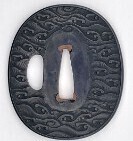
If you want some reasonable certainty, then the NBTHK certs are a good way to ensure that you are getting a decent piece. Once you have a few pieces in hand you will learn to spot the more obvious issues to avoid when choosing in the future. There are threads on this board that will show examples of modern tsuba. SpartanCrest posts regularly on things he finds on various sites, so you can look there. This was my first mistake:
-
The apparent quality of the workmanship for the piece is very much at odds with the shoddy workmanship of the nakago-ana - it is not centred, and it has chips off in places. In addition to that, the way that the nakago-ana cuts through the raised items in the centre indicates a later alteration.
-
Nice pieces… Markus Sesko has an excellent article on this topic: https://markussesko.com/2014/02/02/tsuba-with-the-bird-of-prey-catching-a-monkey-motif/ It’s really interesting to see how the motif has not only been depicted slightly differently, but also can interpreted differently.
-
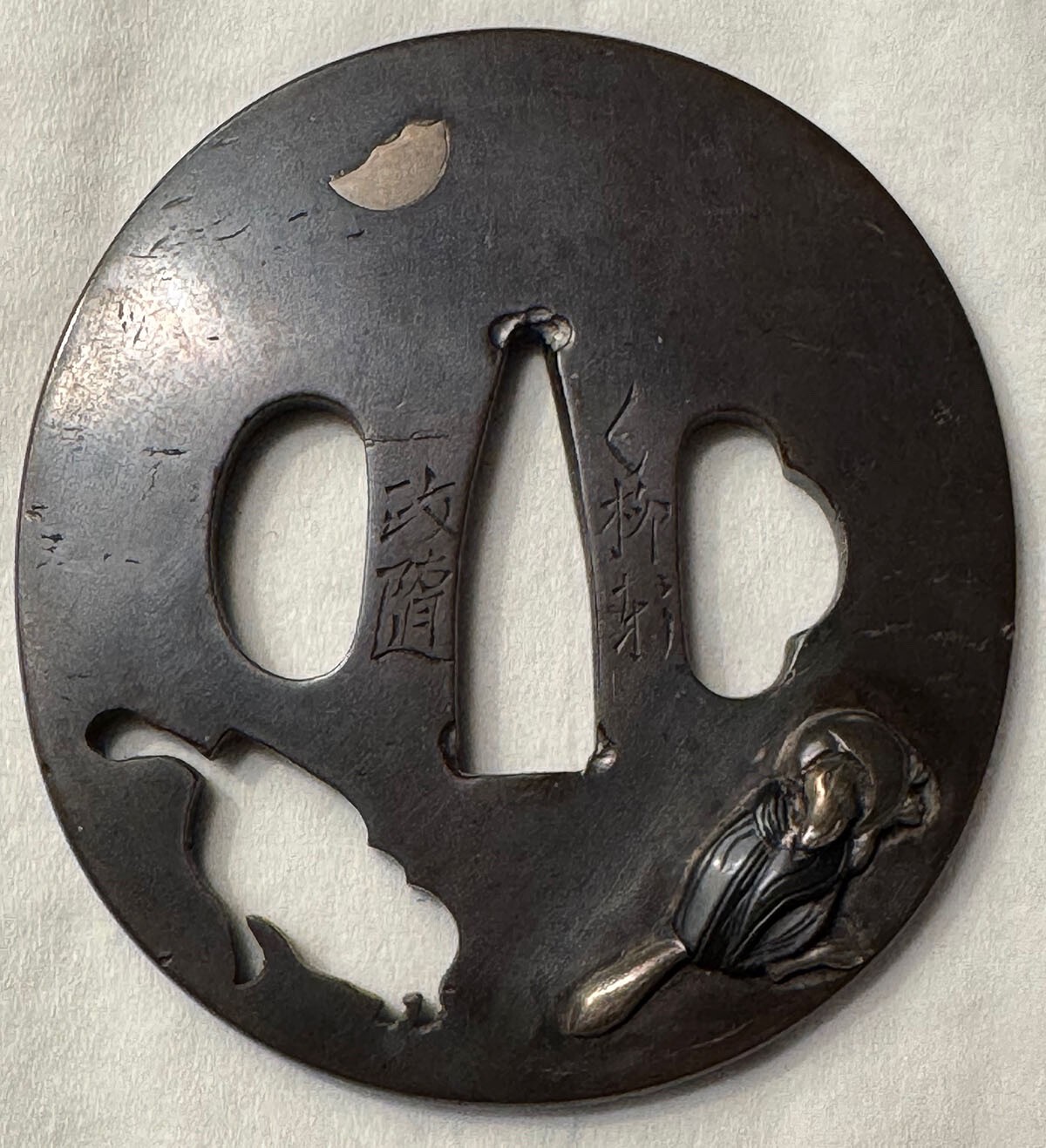
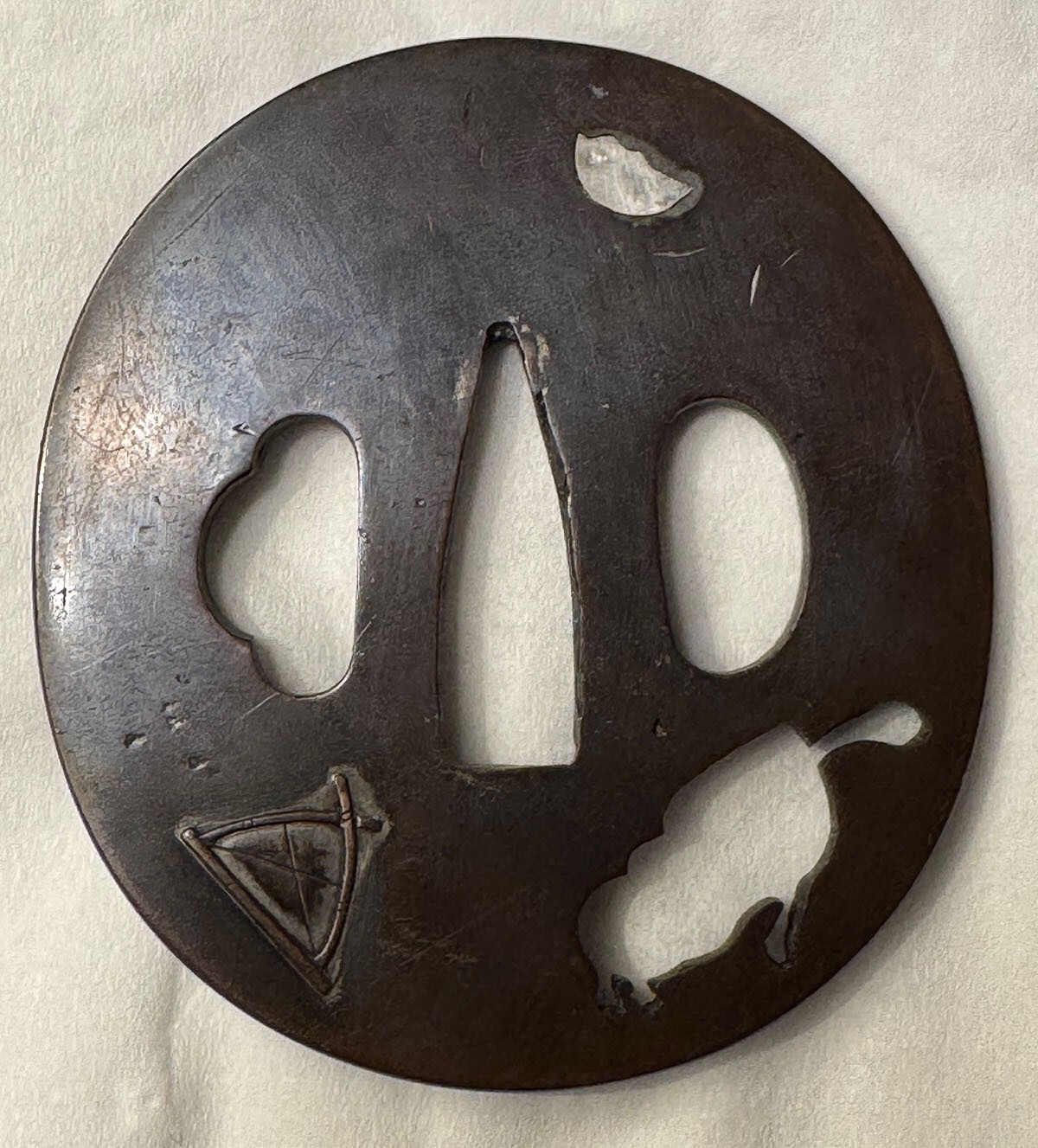
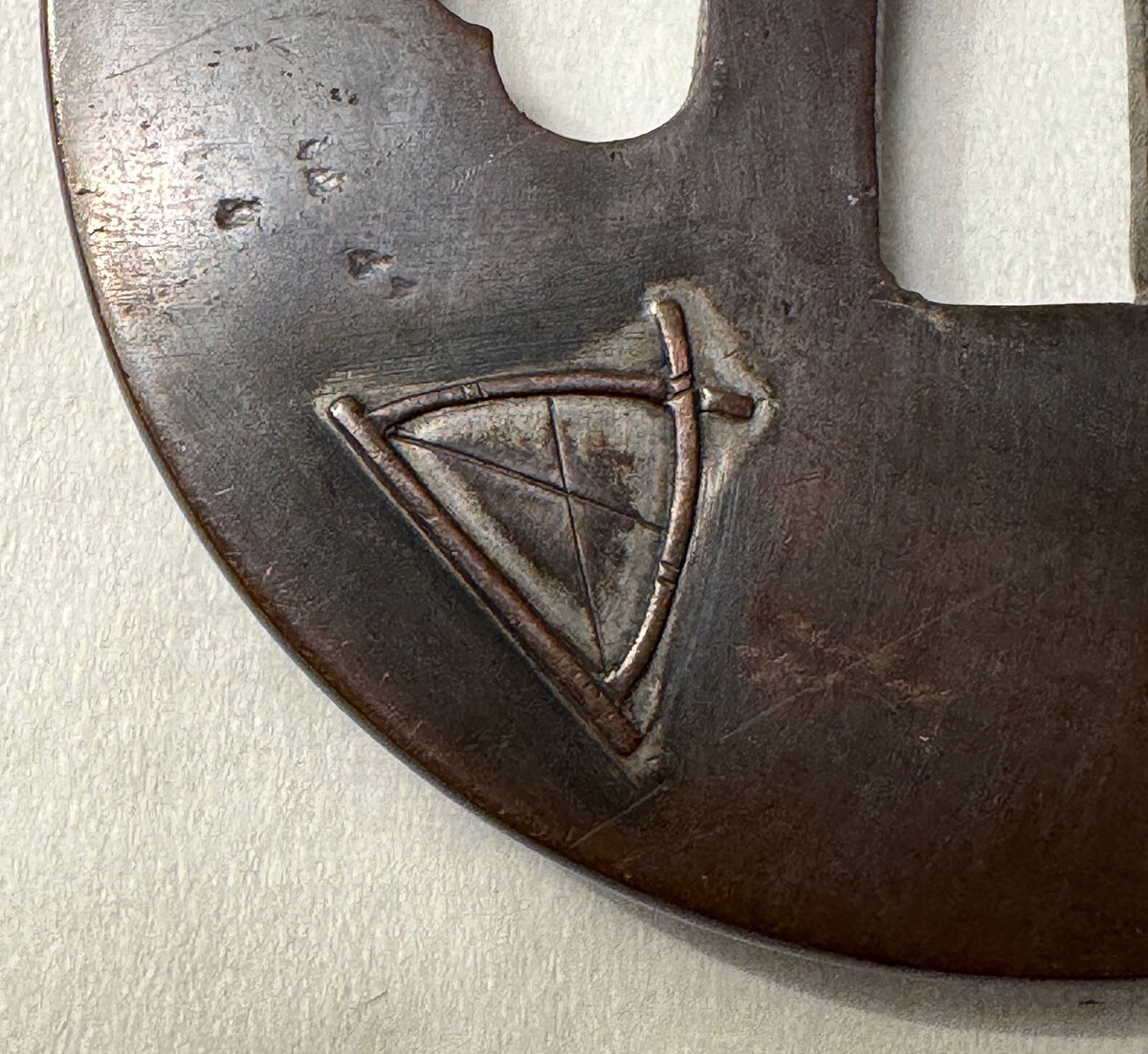
I just picked this one up in London. There’s a kitsune under a moon, with a kitsune in openwork. I am not sure what the design on the ura side is. If anyone can help with the mei, and origins that would be great. Thanks.
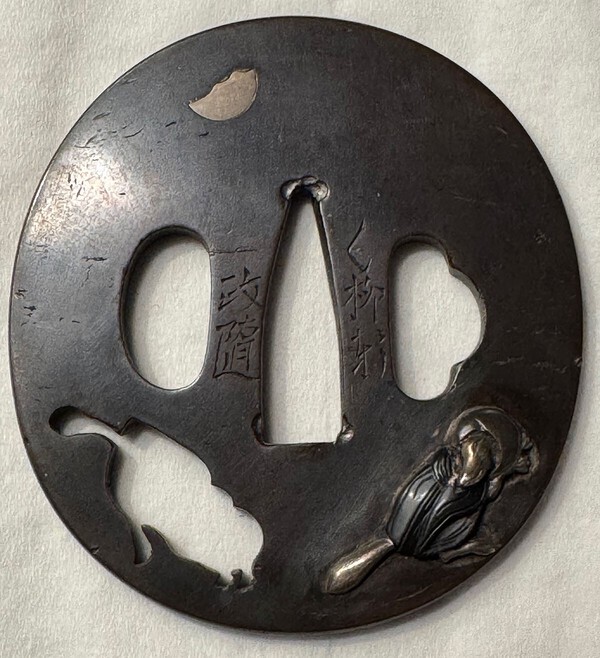

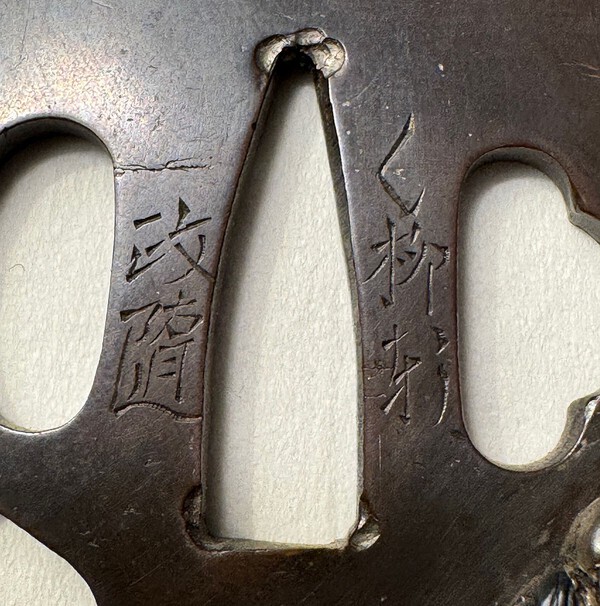

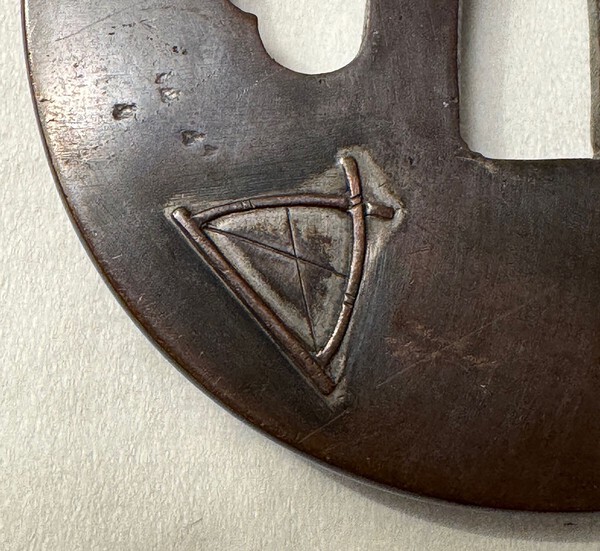
-
One of my concerns about pieces like this is that it doesn’t have papers. If it is genuine, then I would be surprised that the owner has not had it papered yet. On the other hand, it is a really beautiful piece, which also caught my eye…
-
Yeah, I see these around quite a lot. What I also find interesting is how few of them appear to have been mounted at any time. I wonder how many were made for the export market (those that aren’t modern anyway)
-
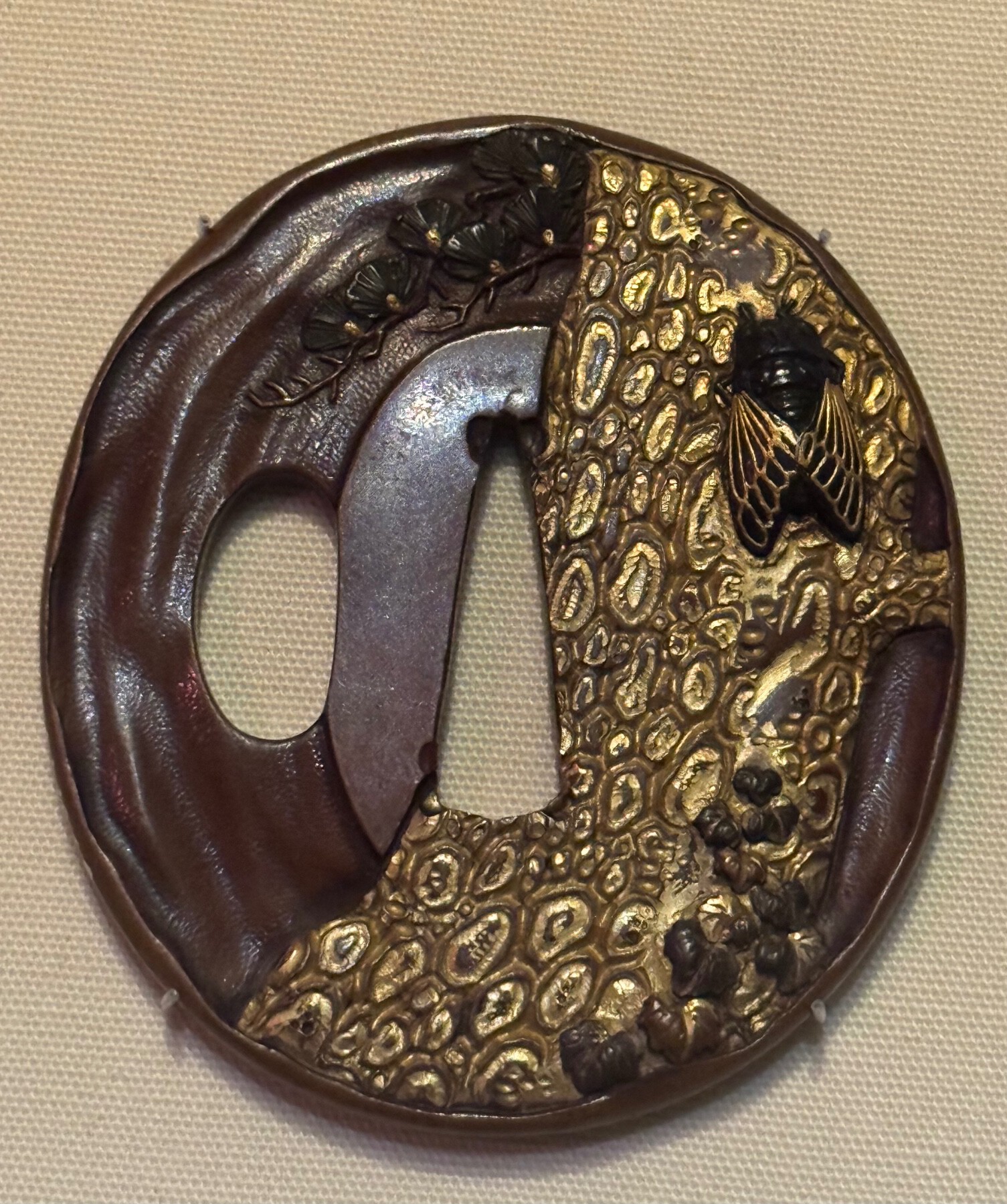
I am afraid that I didn’t take any wide angle shots. The tsuba display was a single case, with some other koshirae and a note about how decorative things became as swords were seen more and more as status symbols. I was referring to the cicada… I could have sworn it was a bee on a honeycomb, but you are right, and I can see it now that I look again.
-
I think that it’s highly likely that Klimt was influenced by Japanese art.
-
The final two: ...
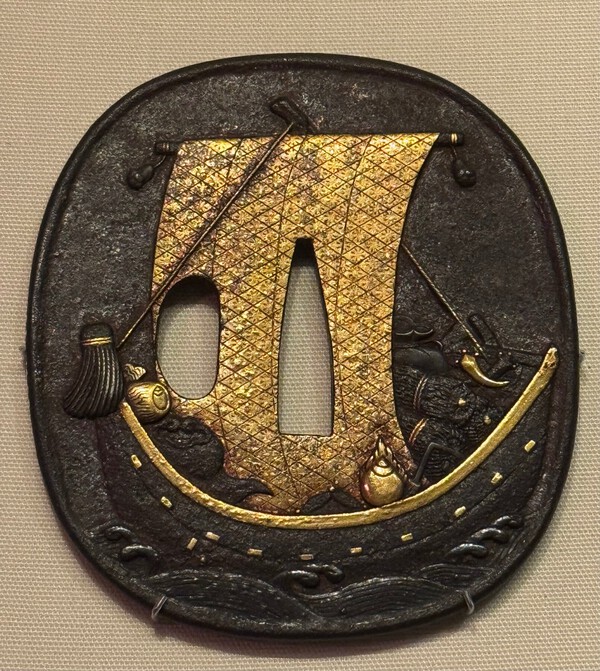
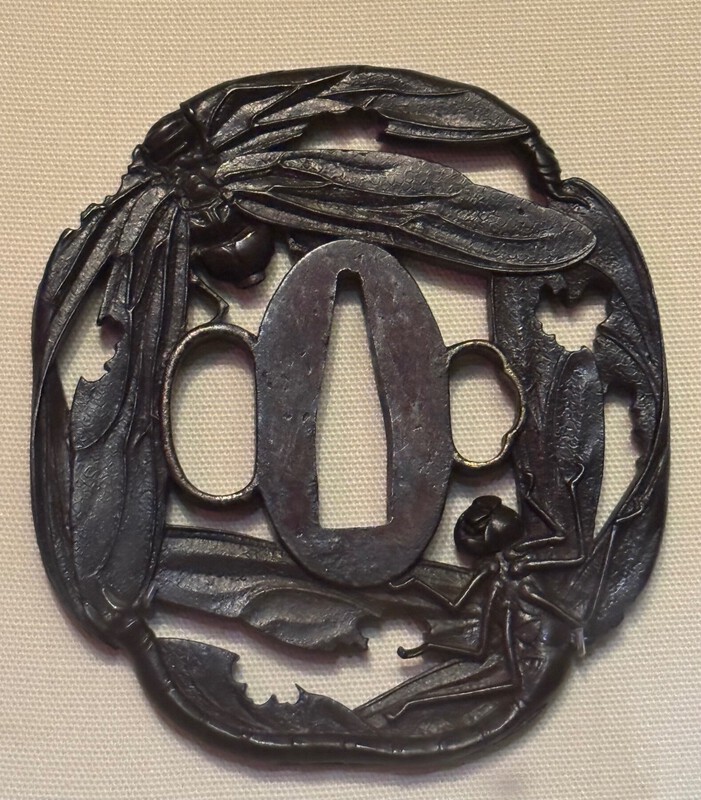
-
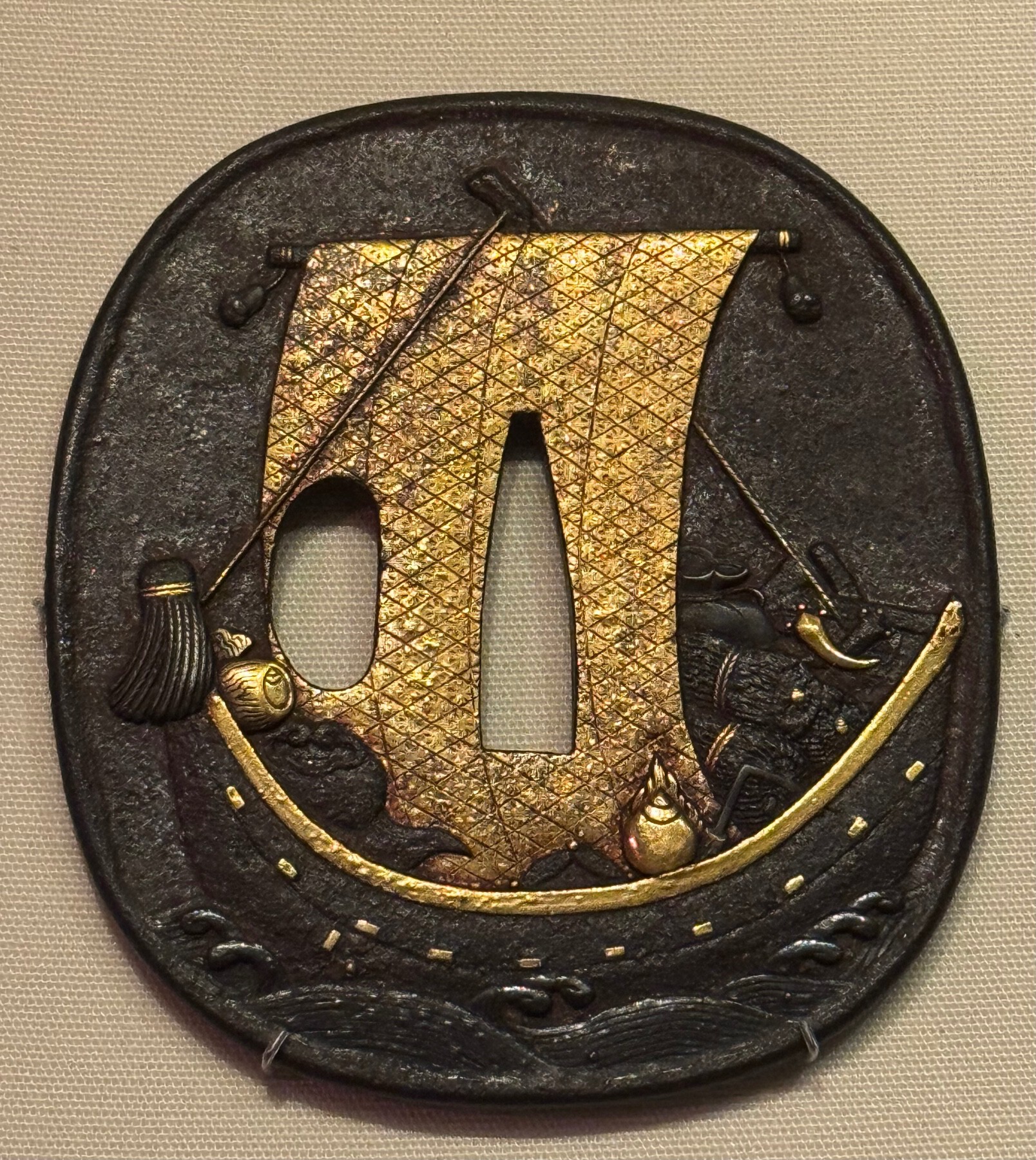
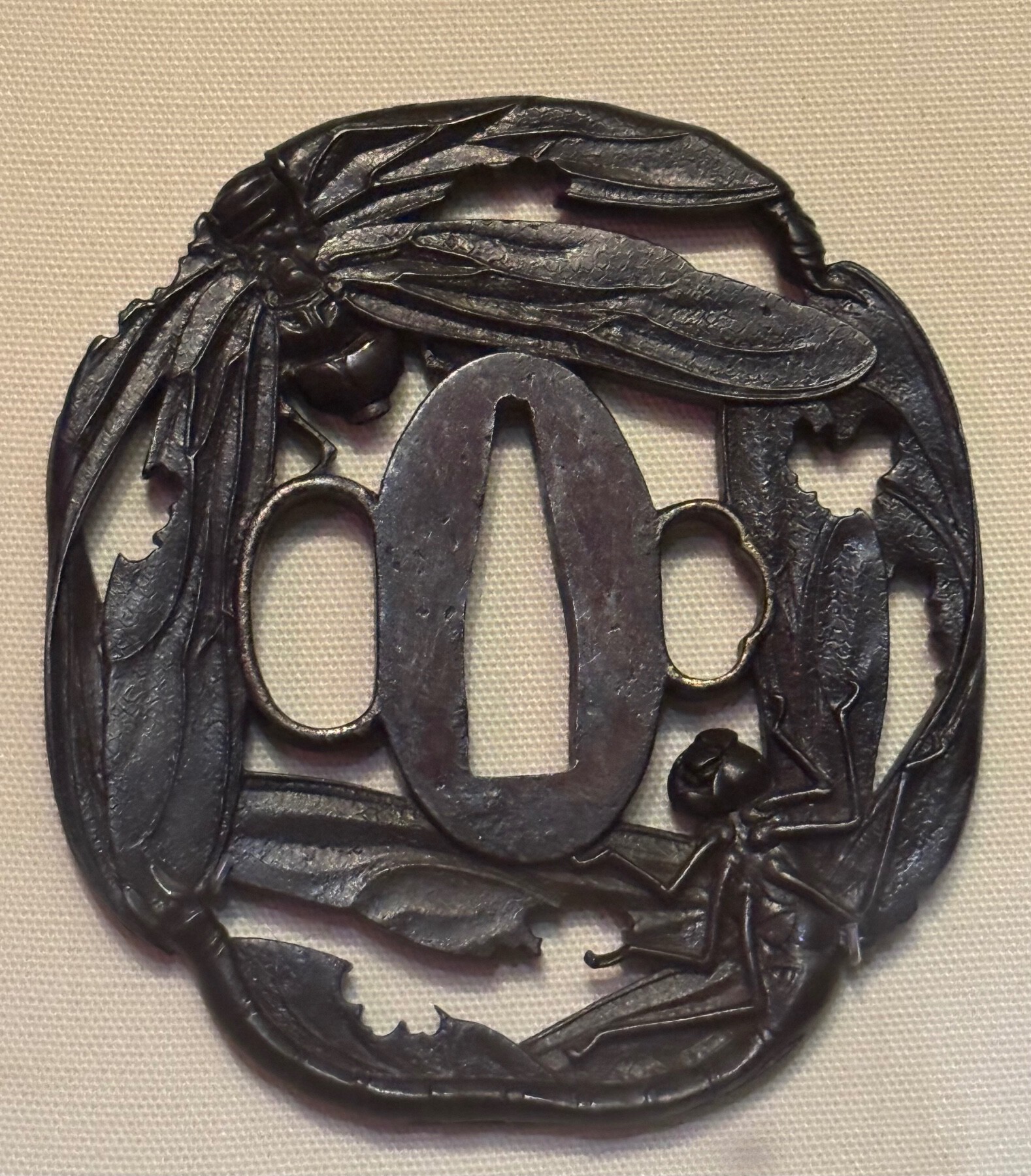
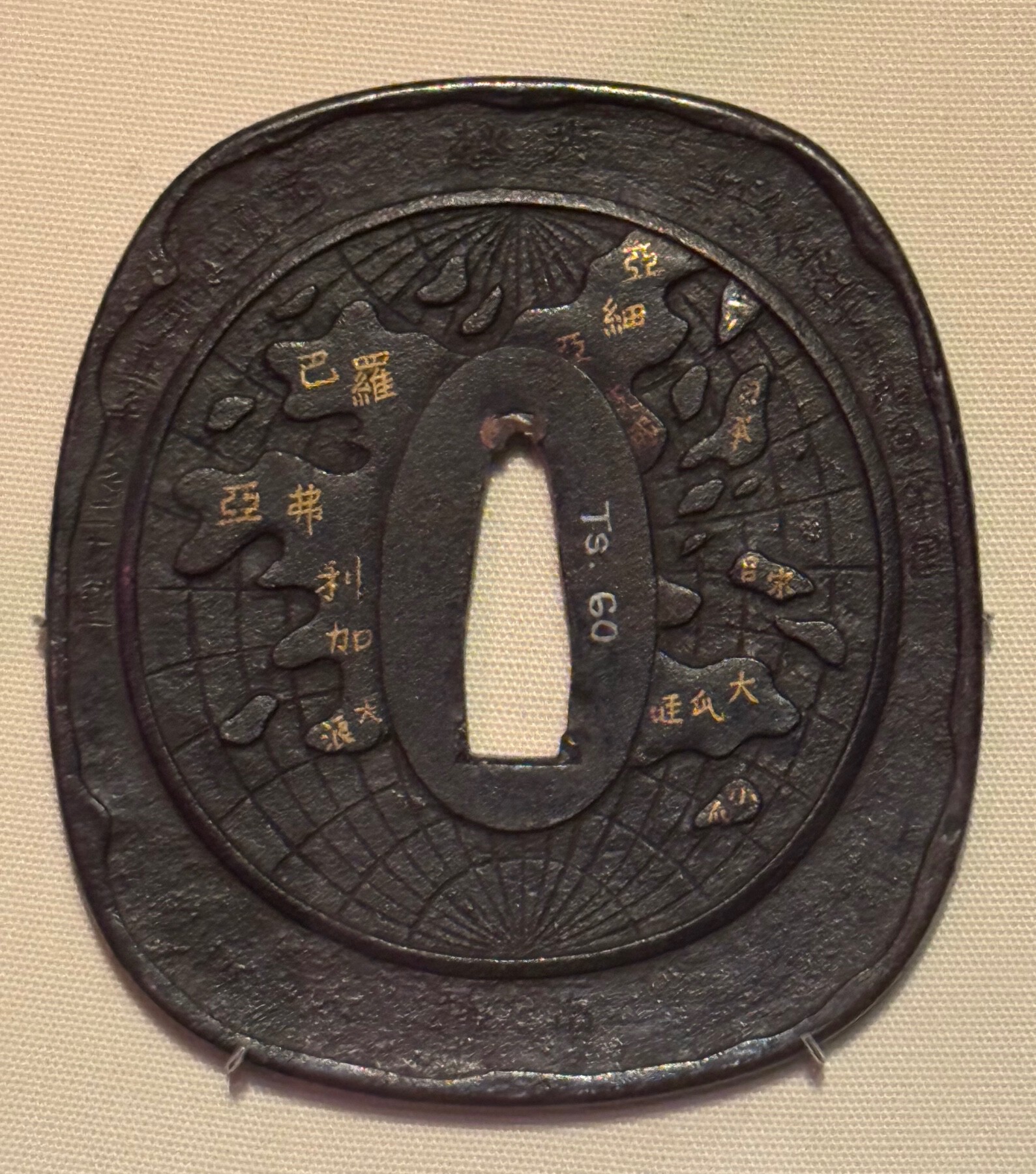
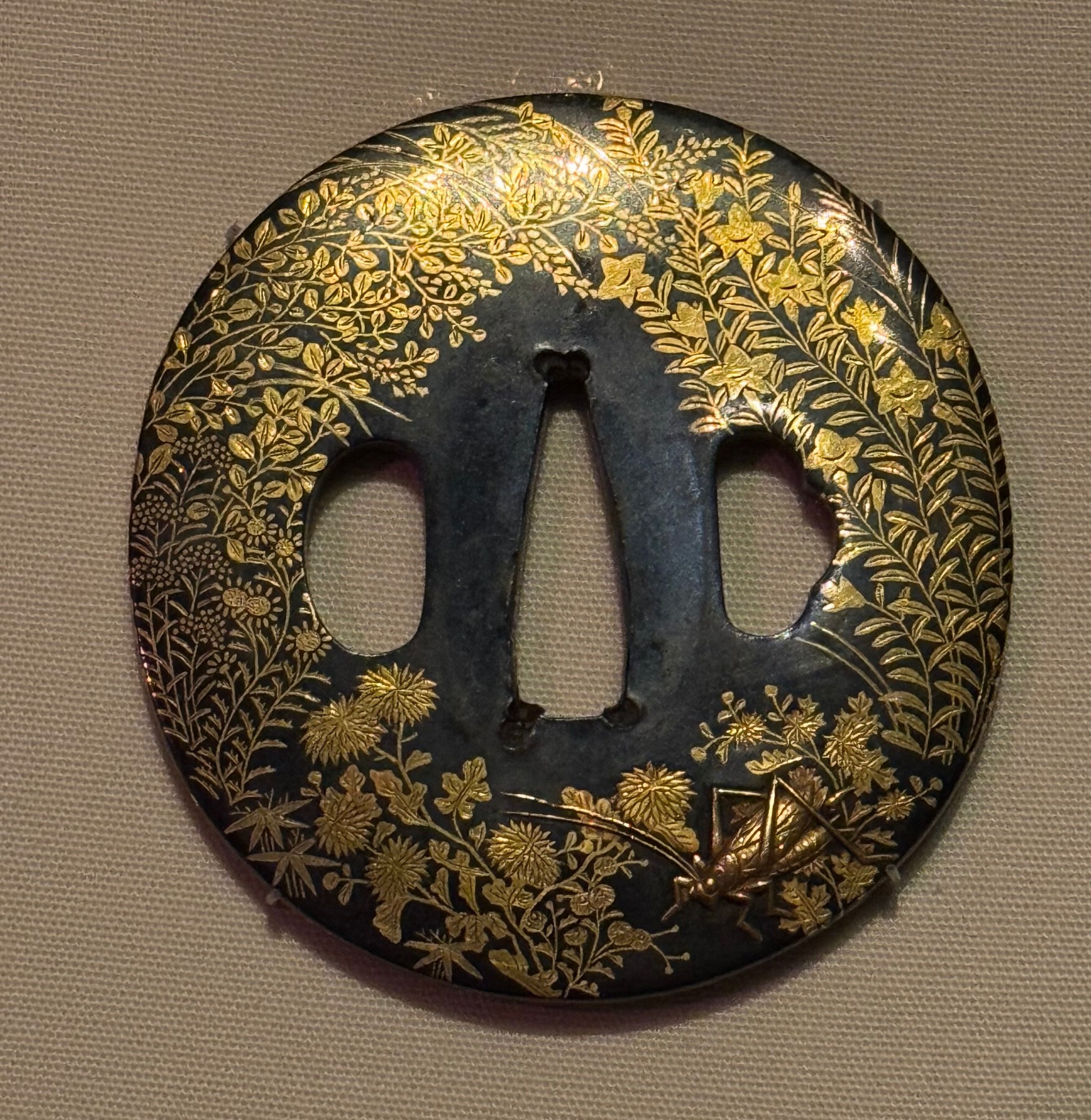
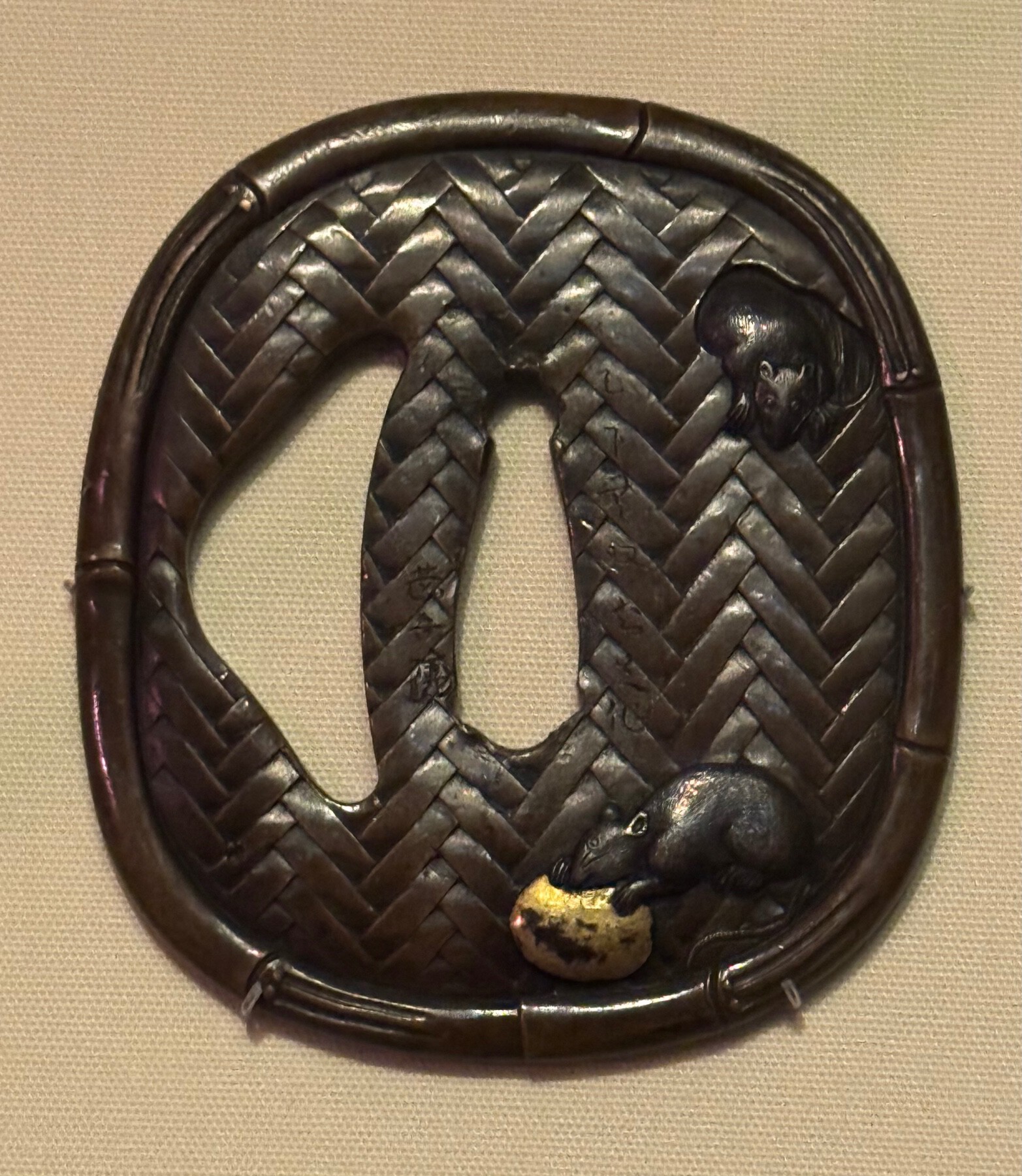
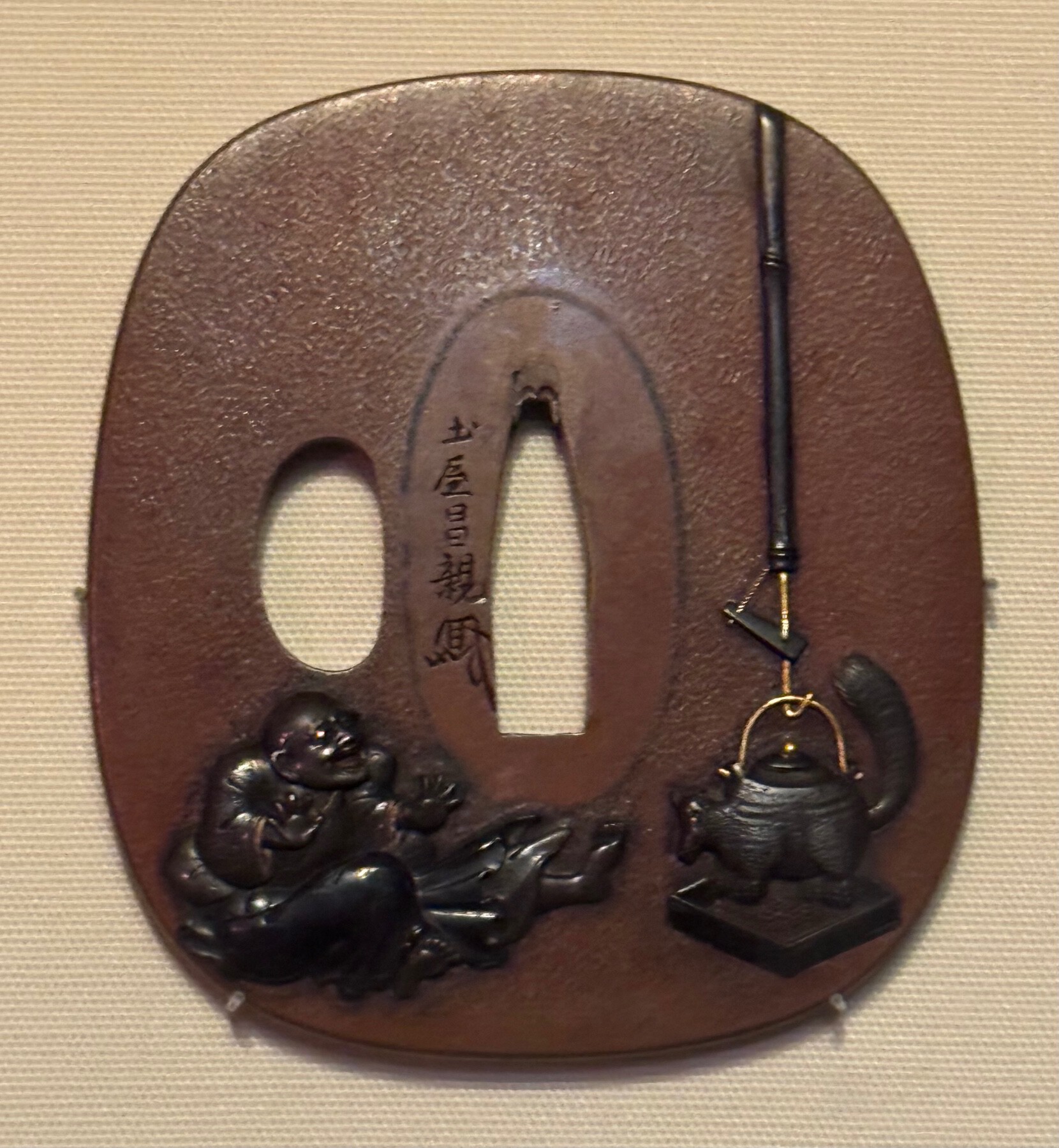
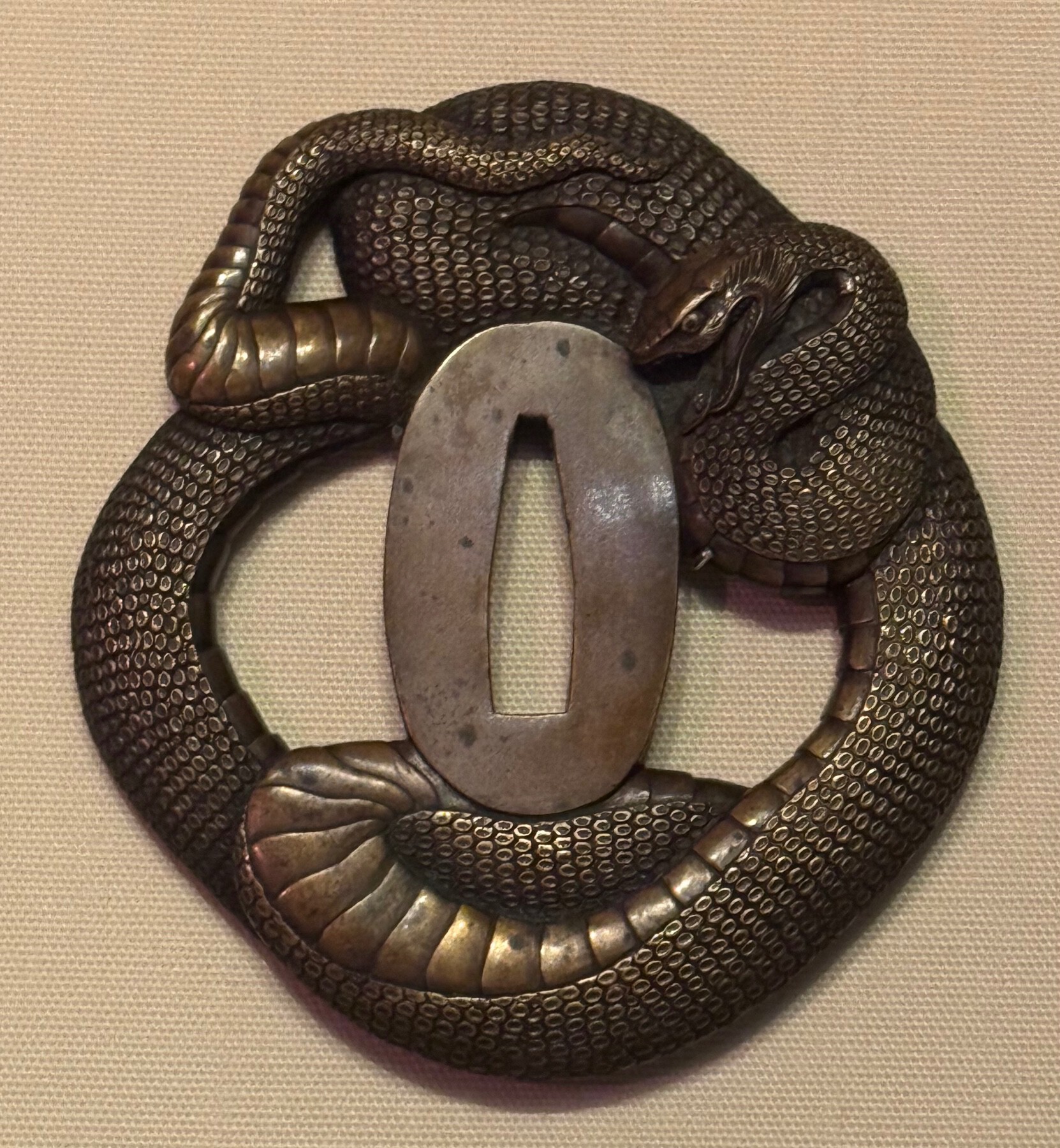
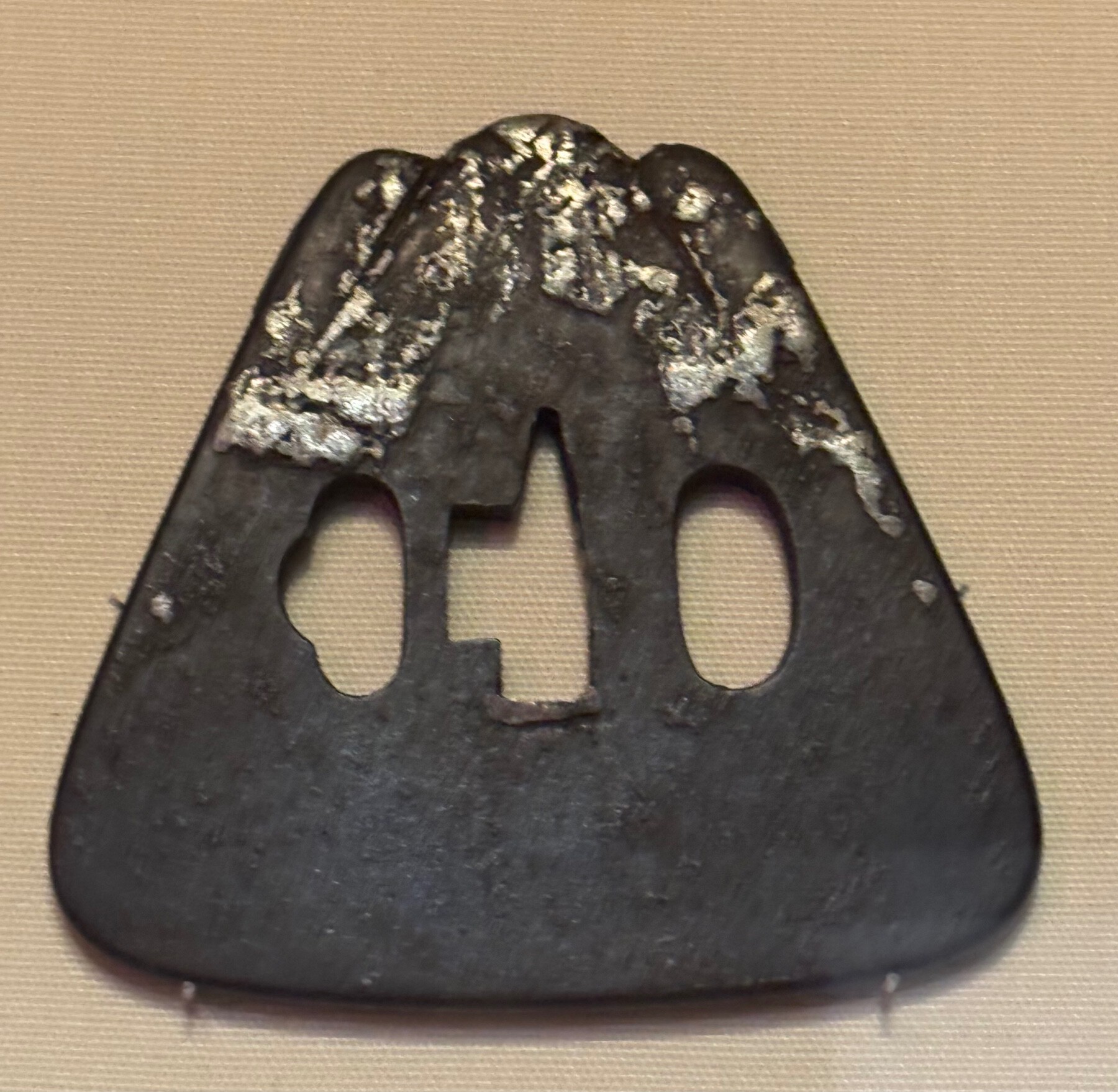
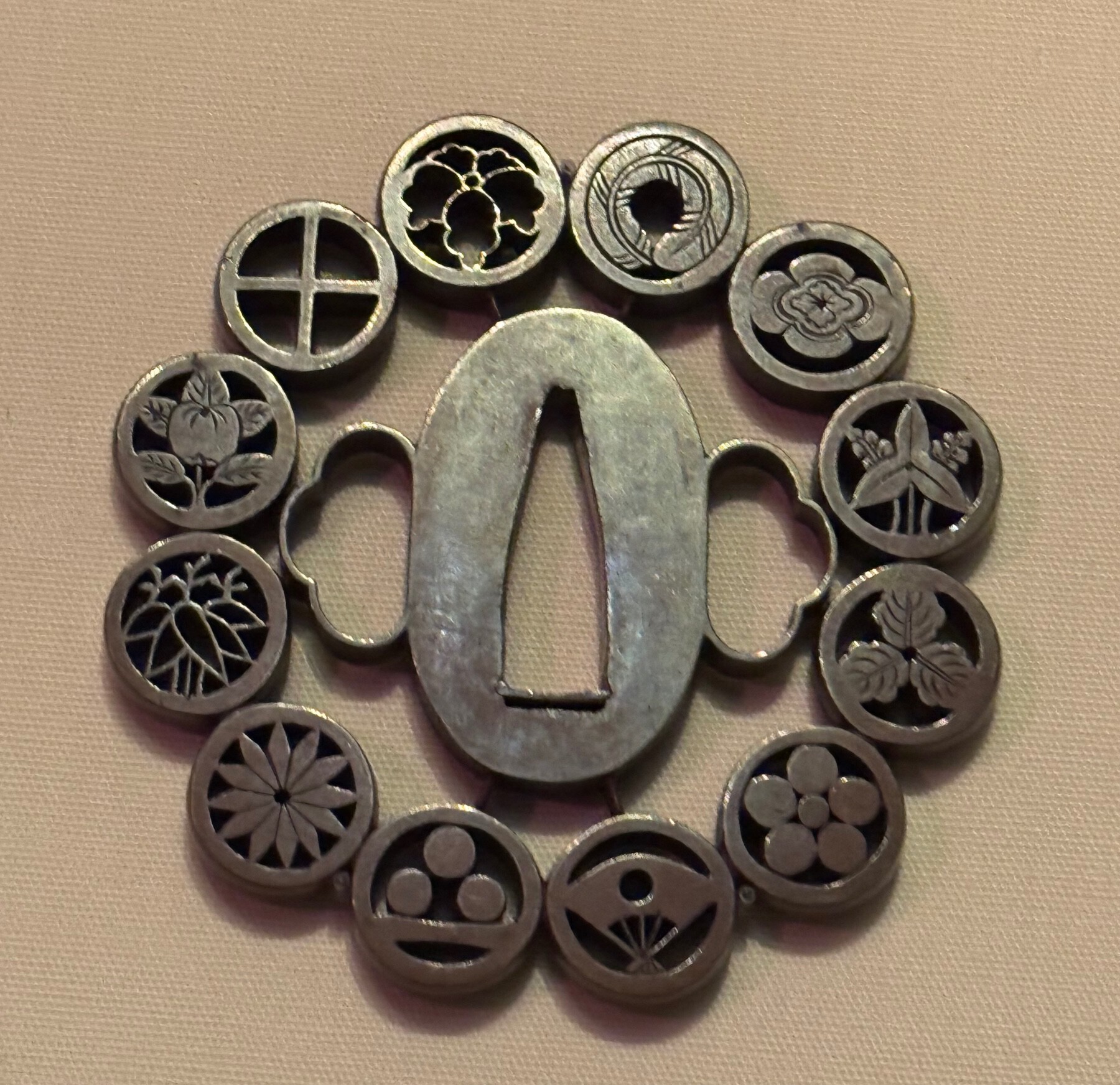
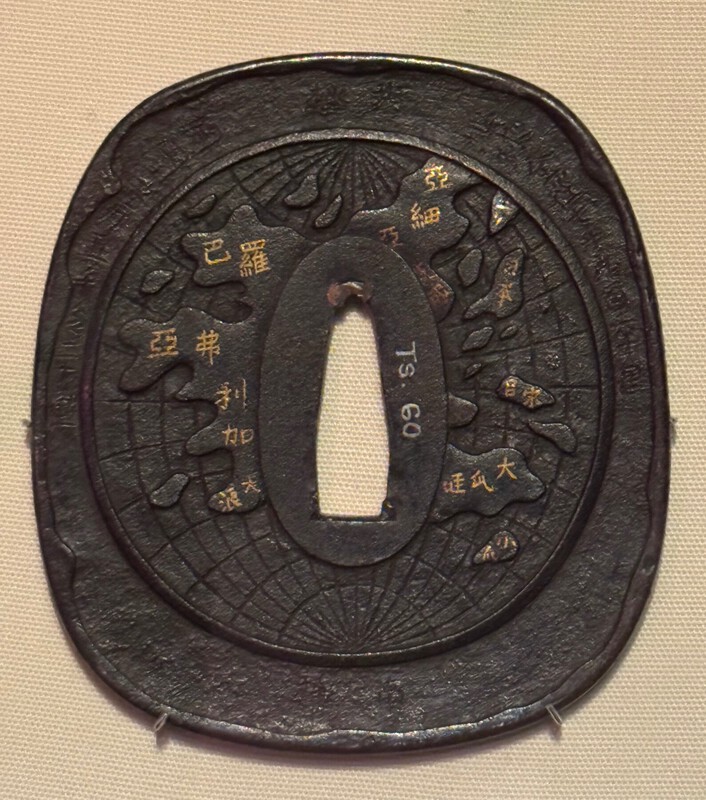
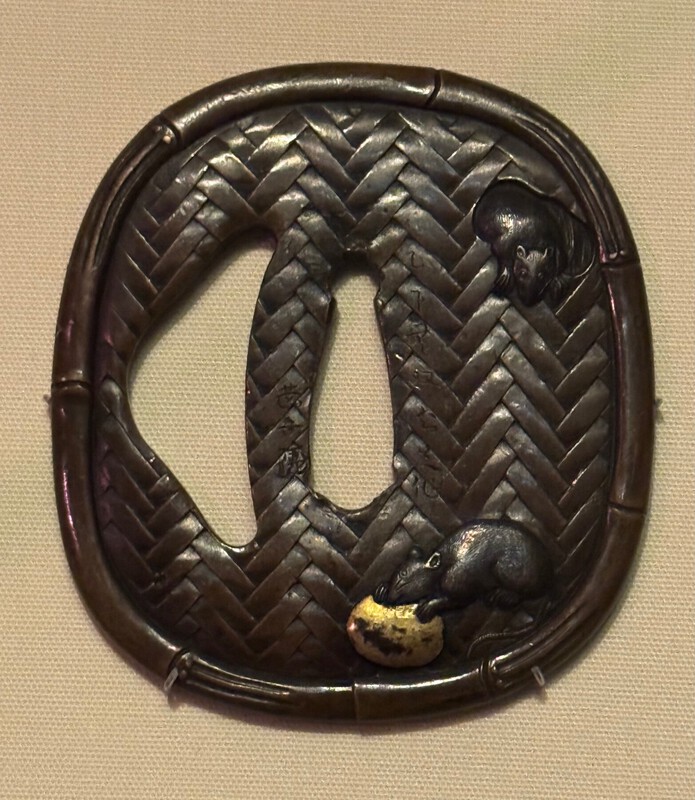
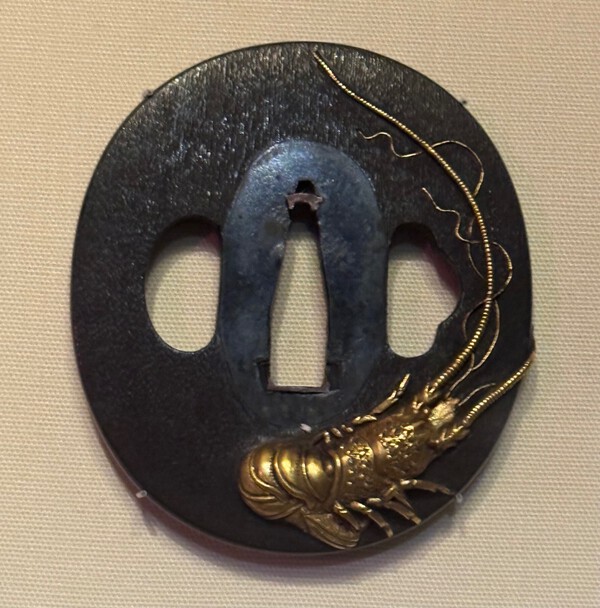
I went to the Samurai Exhibition at the British Museum yesterday. It was pretty well laid out, with the focus really seeming to be on armour, with some discussion of the weapons used, and the role of the samurai in the Edo period. There was one display with tsuba, so I thought I would share them (two more in the following post). As usual, there was almost no description of the tsuba provided, so if anyone could include comments, origins, etc, then it would be great. The tsuba are really quite nice, with a good variety of themes, some seen before, and others that are less common. I really like the bee tsuba, it reminds me of Klimt.





-
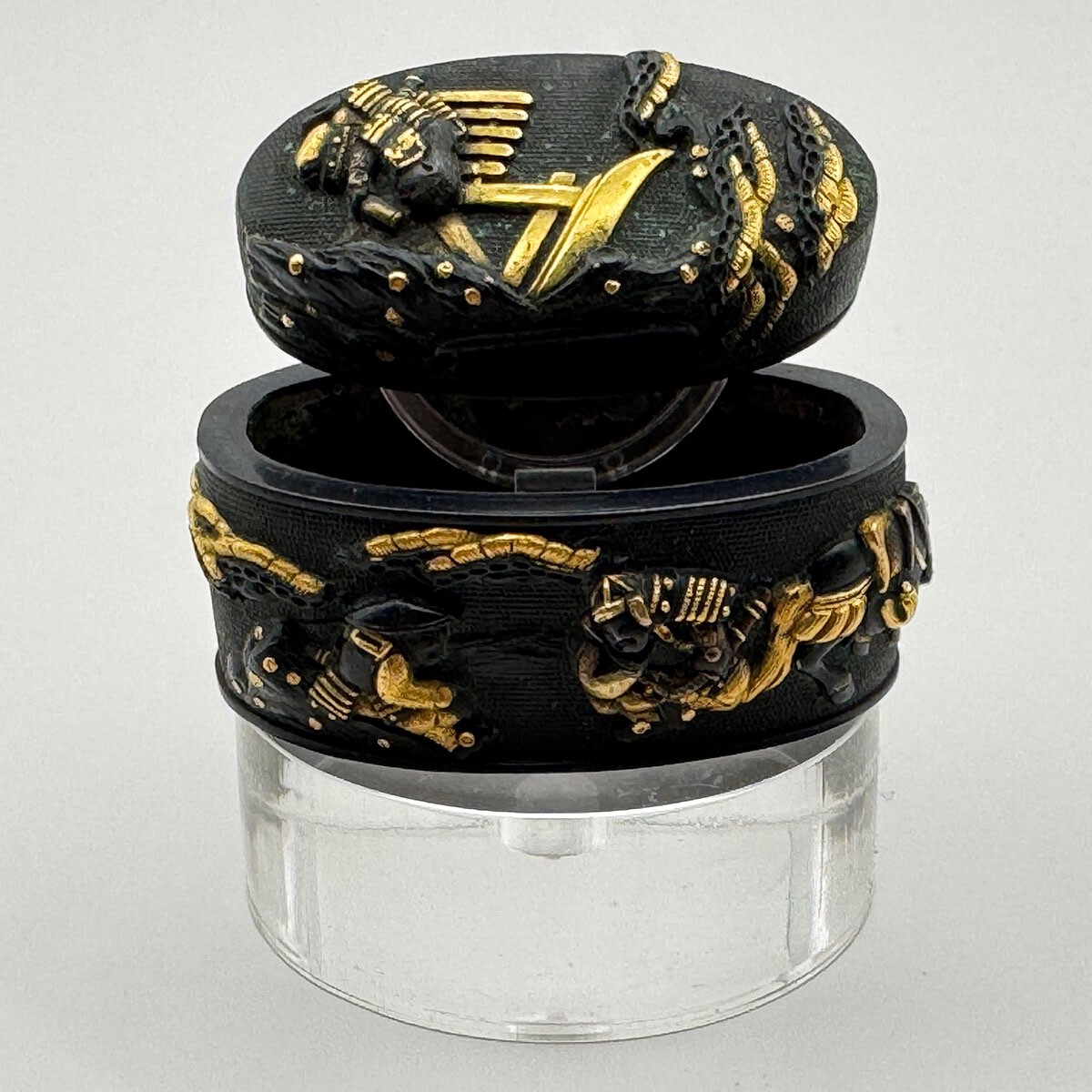
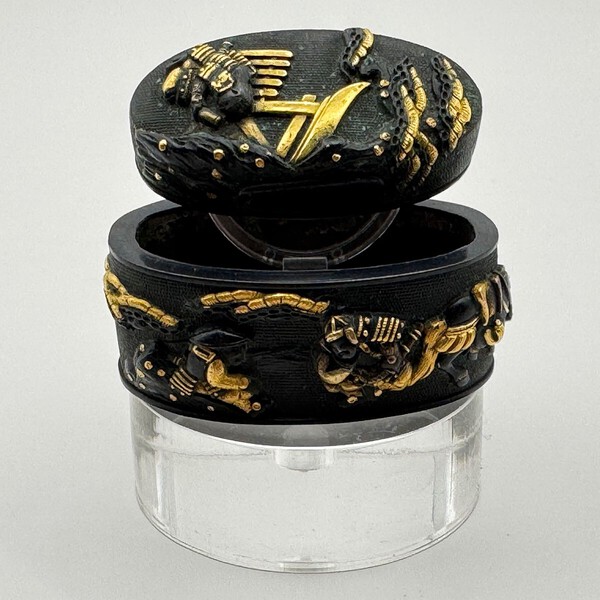
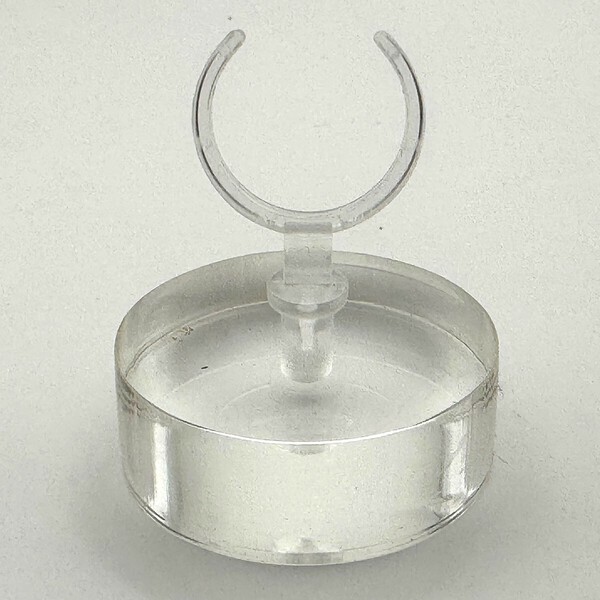
Inspired by this, I gave it some thought, and decided to try a simple acrylic ring display. I have been really struggling to find a good way to display fuchi kashira, and I don’t have the skills to craft a wooden stand, so I bought these on Amazon. It seems to have worked out quite well, I think. Anyone else have any cunning plans for this sort of thing?
-
That is excellent. I have been looking for a good way to display fuchi-kashira sets. Thanks for sharing.
-
This was my first thought too…
-
Yeah, I was just thinking that. I will look out for them next time…