gkfalk
-
Posts
9 -
Joined
-
Last visited
gkfalk's Achievements






-
Dear Gordon, Thank you very much for your enlightening analysis. It is a great honor to have your input, especially considering your expertise and upcoming book on Sue-Yamato smiths. Regarding your observation about the Fujiwara School being closely related to Kanabō, I am curious if your research indicates whether these smiths were specifically commissioned by local clans (such as the Hatakeyama) during the Tenbun era, or if they operated as part of the larger temple-related workshops in Yamato. As mentioned before, I have also found a reference to a 'Fujiwara-ju Nagayuki' in the magazine 'Tōken to Rekishi', Issue 531 (see image below). Are there many surviving examples of this specific lineage that you have cataloged for your Meikan? Regarding a professional restoration of the blade, I do not see it happening in the near future. Since the sword is currently listed as national heritage/patrimony (as an important piece linked to the Japanese immigration), taking it out of the country for restoration would involve a long and complex bureaucratic process with government agencies. However, I would value your recommendations on how such a restoration should ideally be handled. Would sending it to Japan to a licensed Togishi be the only safe way to preserve its integrity and historical value, or are there reliable Togishis in the United States that you would recommend? If so, is there a particular master or institution you would trust with a Fujiwara-Yamato piece? I will soon visit the museum to take professional measurements and clear photos of the blade. Since you mentioned the possibility of including this piece in your study as a documented Sue-Yamato piece in the diaspora, do you have any specific recommendations on photos (specific angles of the nakago or kissaki), precise measurements, or other details I should verify with the museum staff to assist your research? Last but not least, I would also like to ask if you provide professional consultancy services or if your work is strictly academic. Your expertise would be invaluable in helping me understand the best course of action for a future restoration and formal certification. Knowing the right steps to take would ensure that this blade is handled with the historical reverence it deserves, and I would be interested in a more formal guidance if that is something you offer.

-
If of any help, I have found these references on Fujiwara-ju Nagayuki. Many of them refering to the Tenbun/Tenmon period. There is one refering specificaly to Tegai Yamato School.
-
 gkfalk changed their profile photo
 -
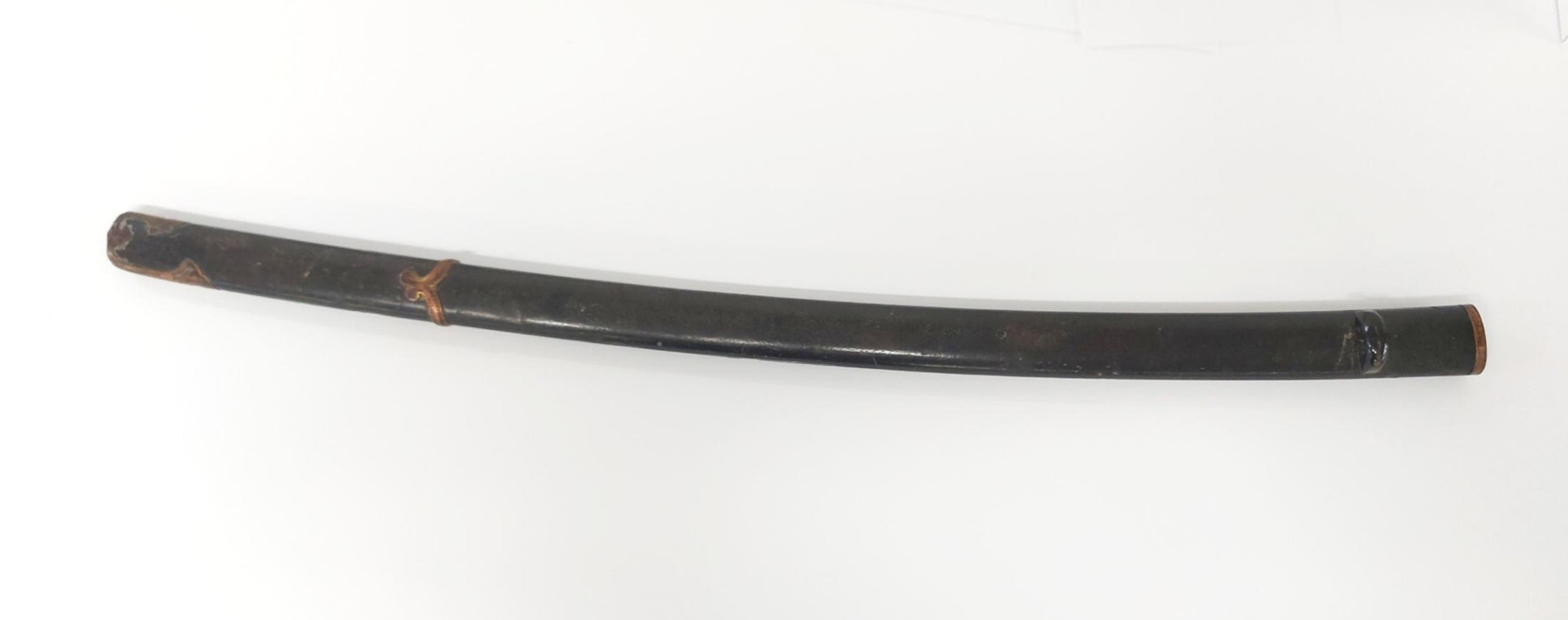
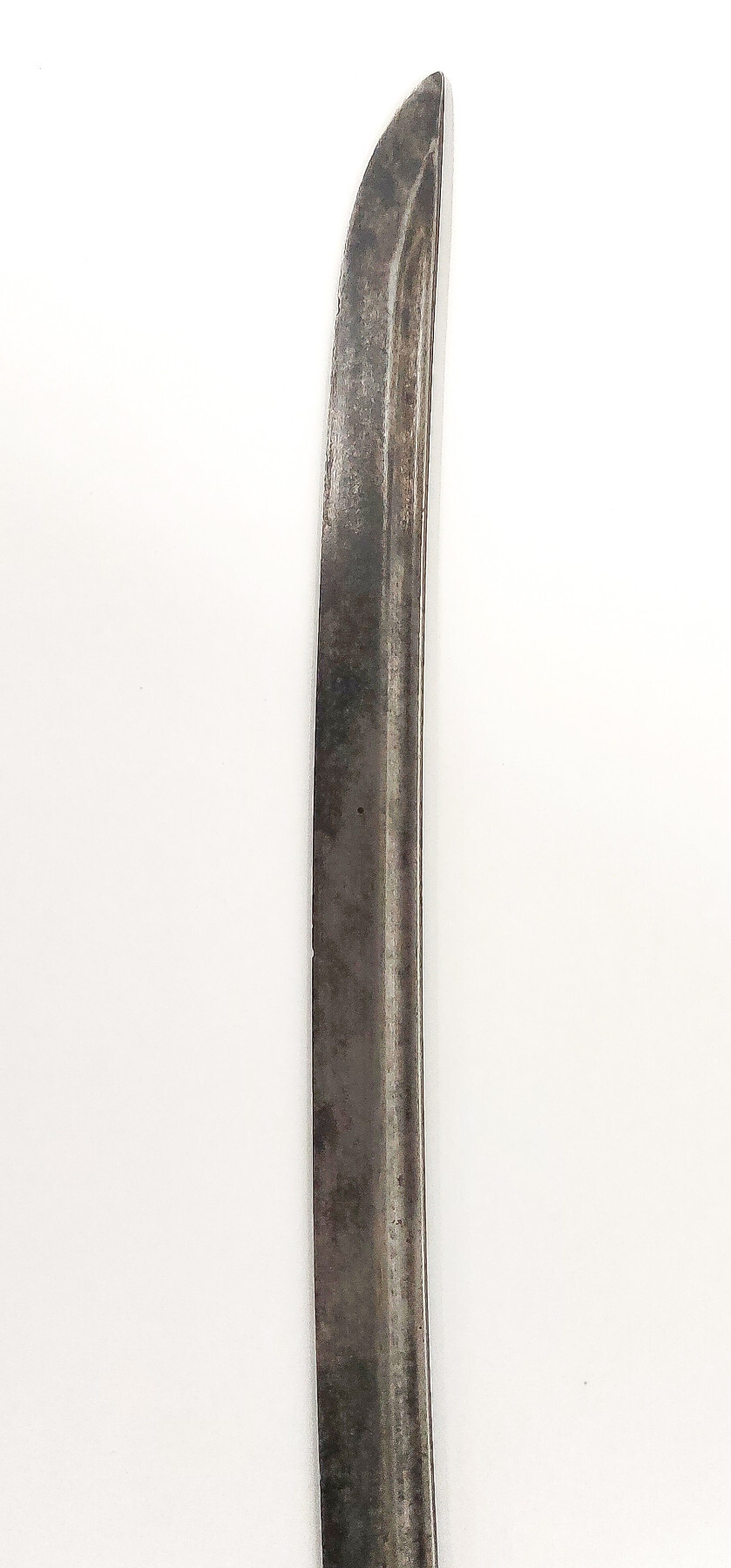
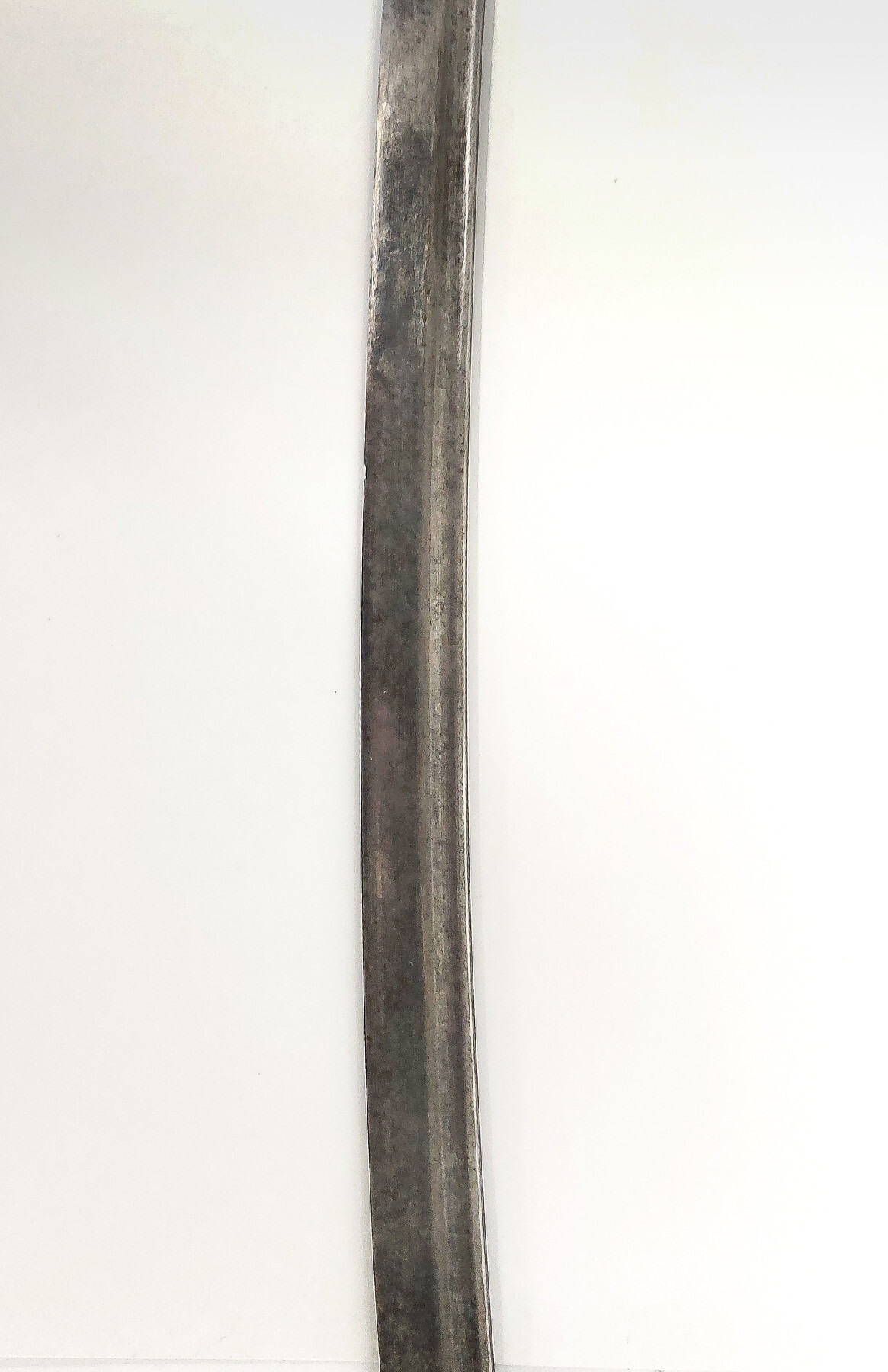
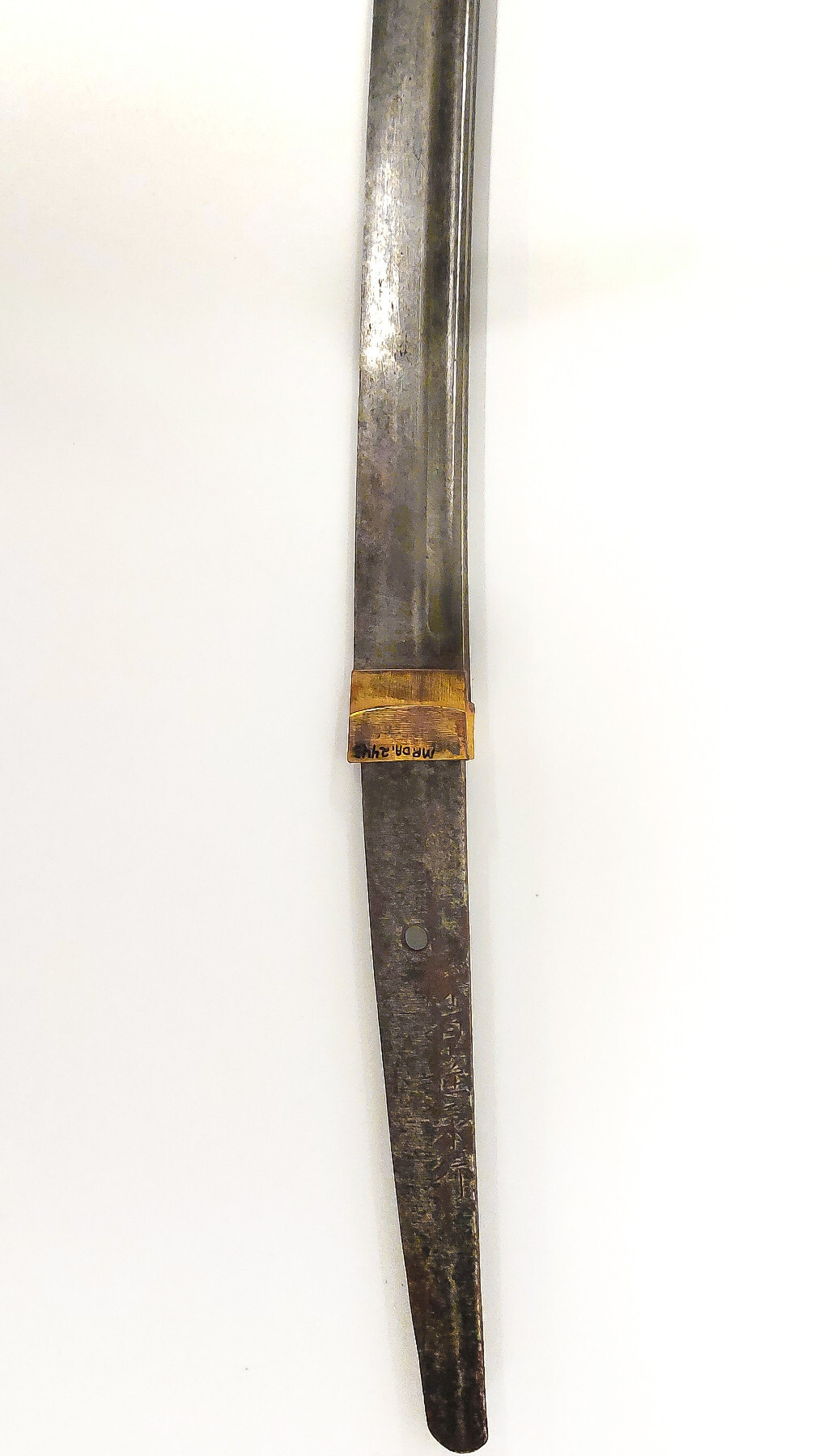
To add a little bit to the Fujiwara-ju, I am researching this one that belonged to my family:
-
Wow! Thank you for the tip on the other post Jussi! I will share there what we have here.
-
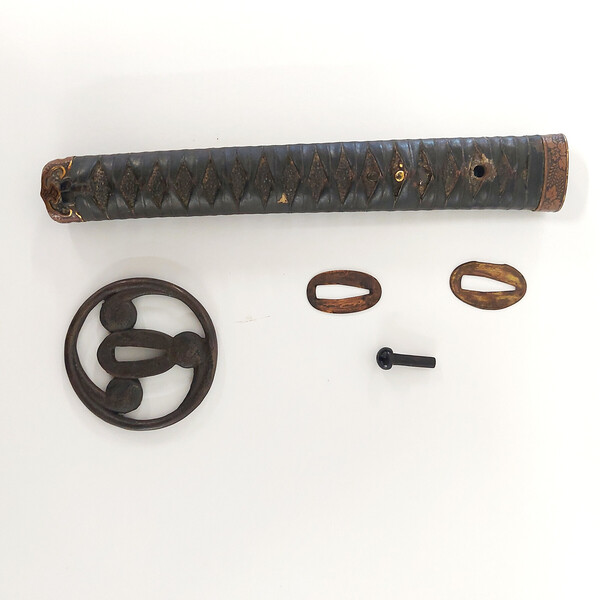
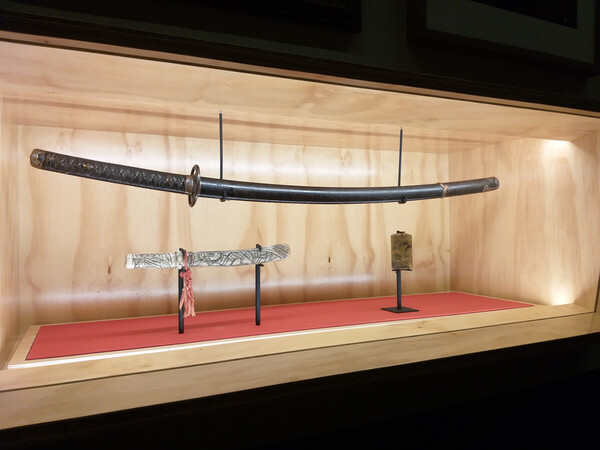
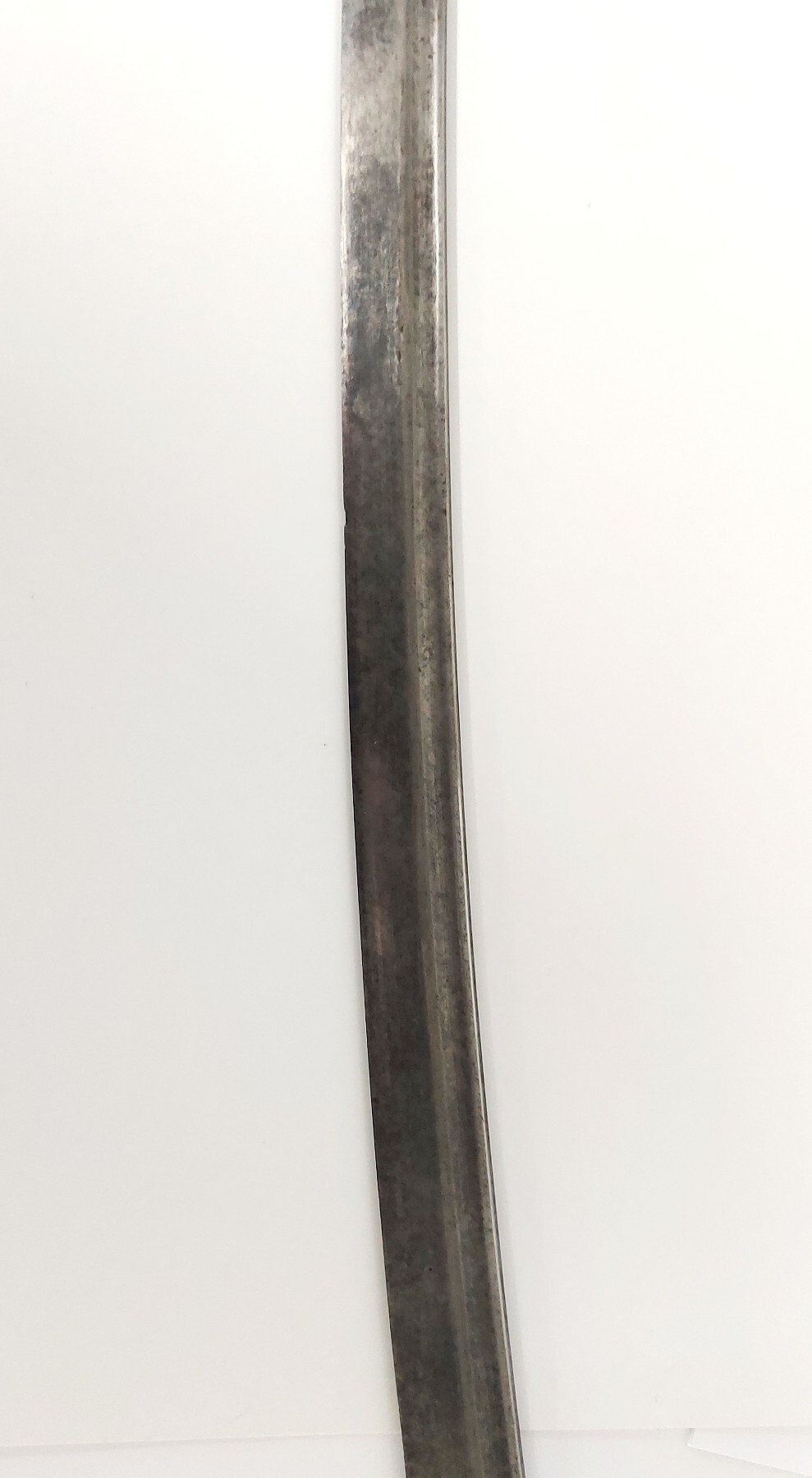
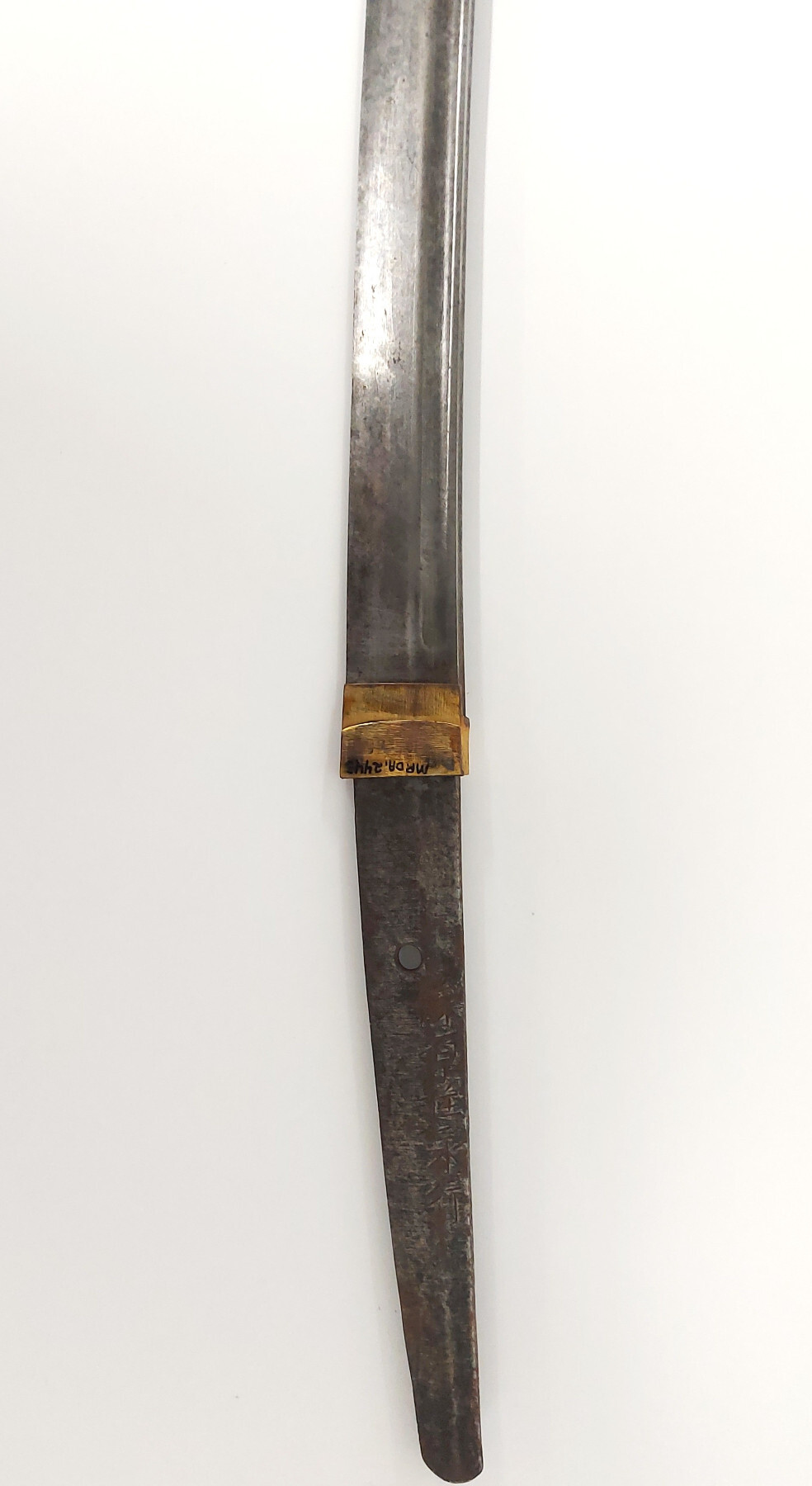
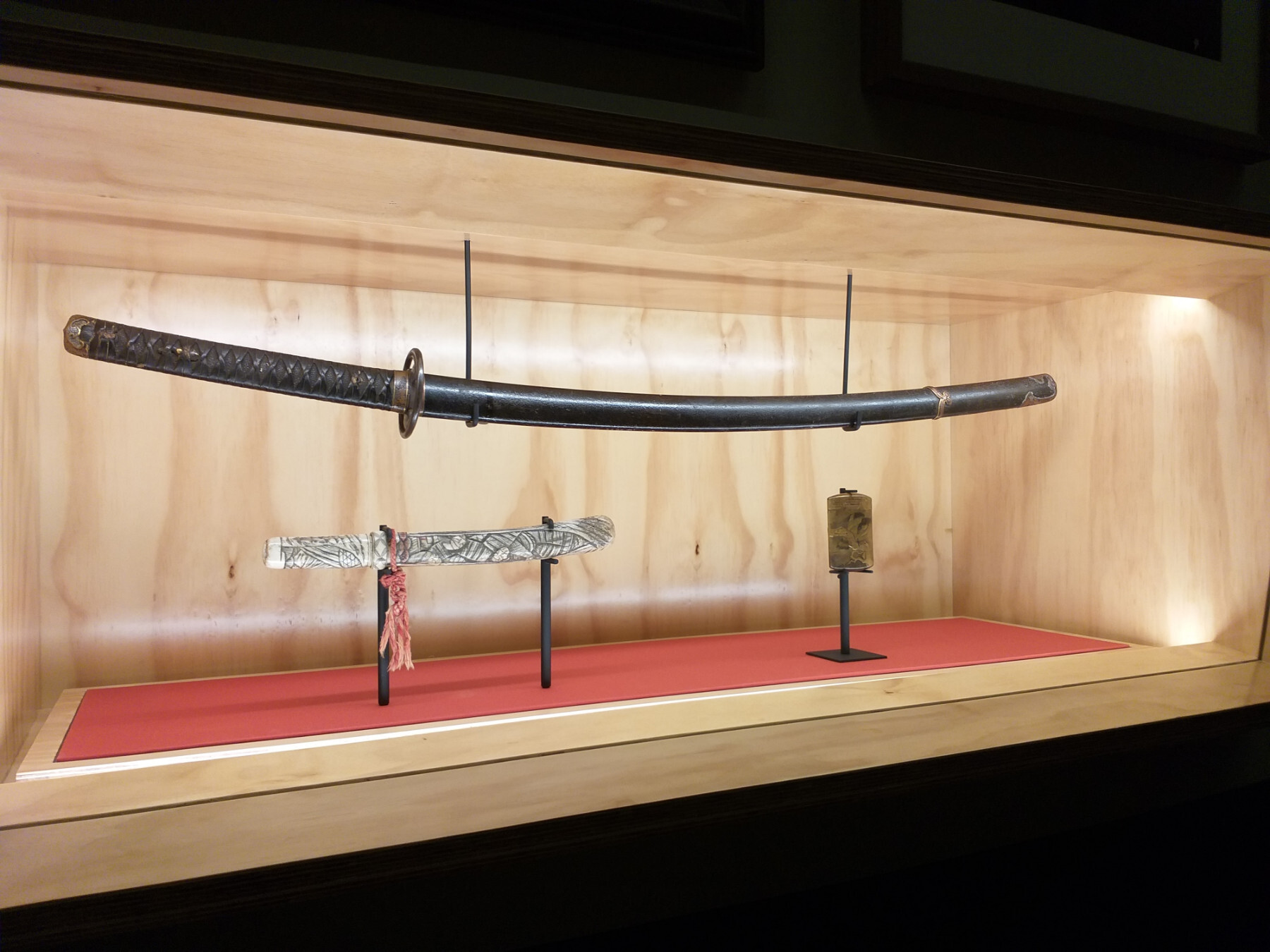
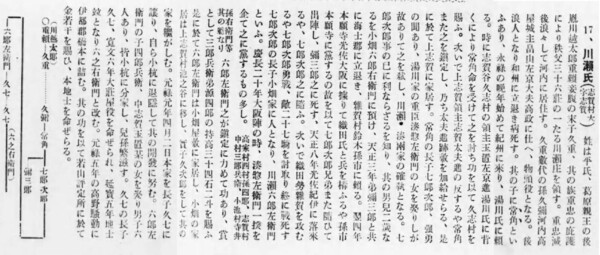
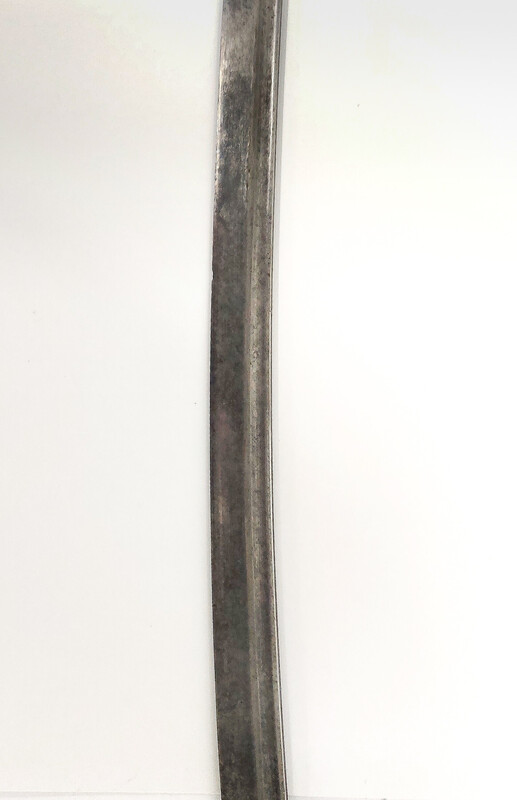
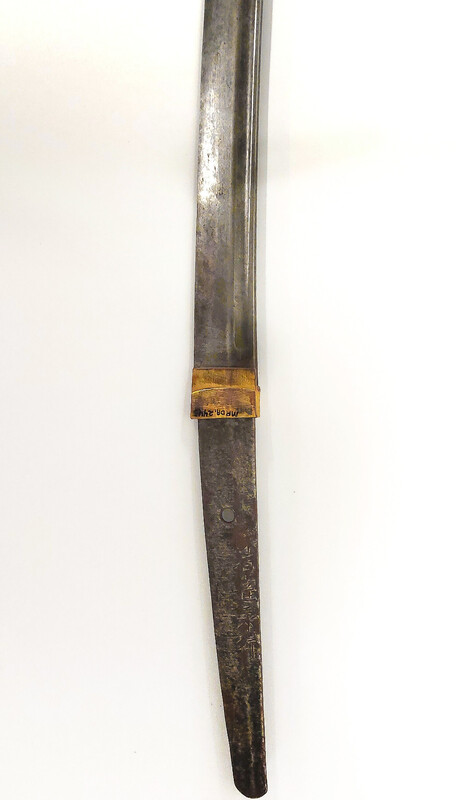
Dear Giorgy and pnsshogun, I am not certain if the signature is genuine, as the sword has not been analyzed by a specialist nor has been certified. What I know is a bit of its recent history and an hypothesis regarding its provenance. My great-grandfather, Hisashi Kawase, brought it to Brazil in 1927. It previously belonged to his father, Lieutenant General Toru Kawase, a shizoku from Wakayama, Kii. Toru's father, Narutada Kawase, was a retainer samurai of the Kishu Clan in Kii; he served the 14th shogun, Tokugawa Iemochi, in Edo and was the sword's former owner. The Kawase clan was close to the Tokugawa at least during the late Edo and Meiji eras (see the attached letter), though the Chronicles of Wakayama Prefecture list the Kawase as Tokugawa allies since the Tensho period. However, the historical presence of the Kawase clan in Kii dates back at least to the Muromachi period. After extensive research into the clan’s presence in Kii and surroundings, I discovered an interesting coincidence. While the Kawase clan is not listed in any Yamato genealogies or historical records I searched, the Chronicles of Hidaka, Kii, list a former retainer of the Hatakeyama clan — Kawase Hisatsugu — who became a ronin after the fall of the Hatakeyama and retired to Yamato. This occurred exactly during the same timeframe that Fujiwara-ju Nagayuki was active as a swordsmith in that province, according to Sesko's dating. His son later moved from Yamato to Kii, where he established himself as a Yukawa retainer, and where the Kawase clan remained until the Meiji Era. I know it is a leap to conclude that the original owner was Kawase Hisatsugu (assuming the signature is authentic and the dating is correct), but this information adds context to the sword's history. Regarding the more recent information, those details are more certain and contribute more to the analysis. As for fake signatures, do you know when they were most commonly made? Don't they usually replicate the signatures of famous swordsmiths? Fujiwara-ju Nagayuki is listed as a fairly obscure swordsmith (Hawley 15) in Hawley’s index, so why fake such a smith? Furthermore, I only know of one other sword with the same signature. It is listed in the magazine Swords and History, issue 531 (刀剣と歴史 [531]), but I cannot access it as I am not a resident of Japan. Source: https://dl.ndl.go.jp/pid/7901225 Regarding the physical characteristics of the blade, I cannot provide precise dimensions at this moment as the sword is currently held in a museum collection. However, I will soon be visiting the institution to personally conduct a formal measurement (nagasa, sori, and motohaba) alongside the conservation staff. I am attaching more pictures of the sword, the mountings, and some references in Japanese.


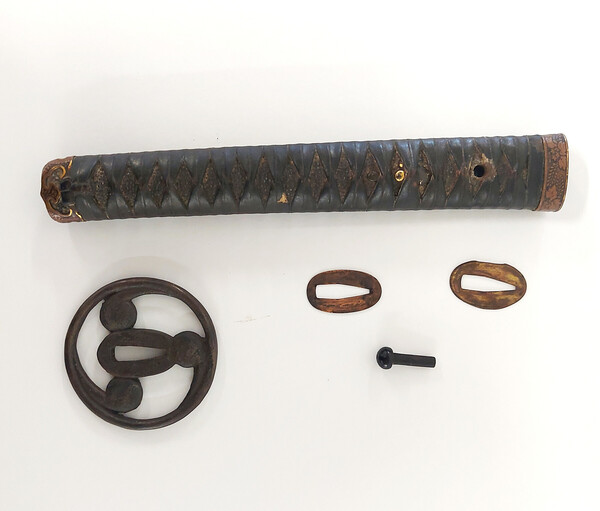
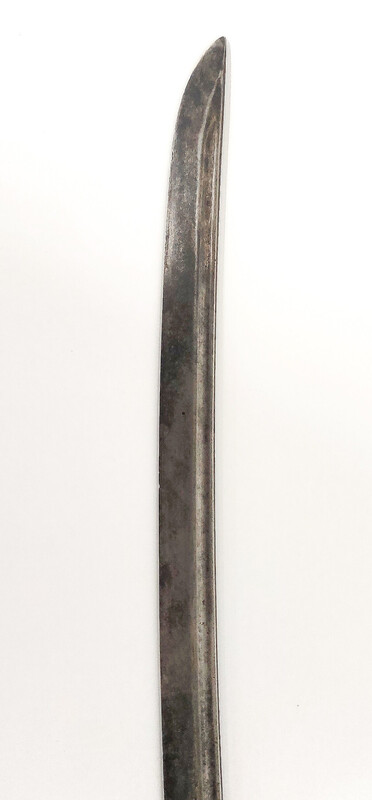
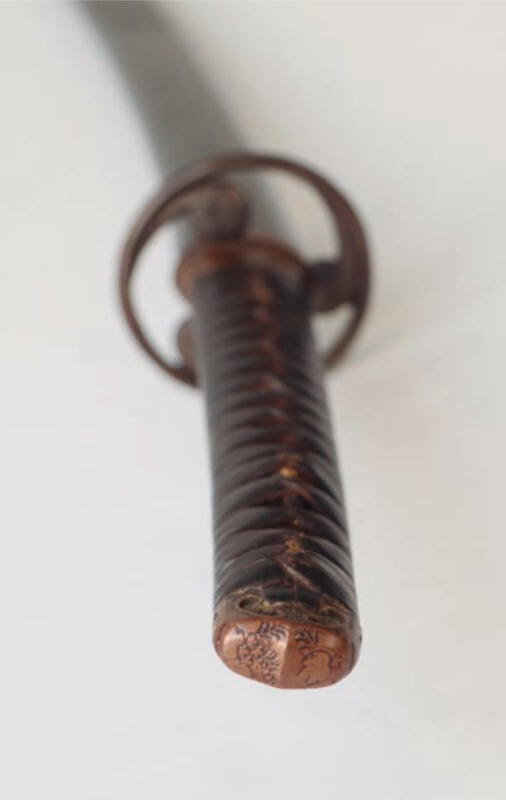
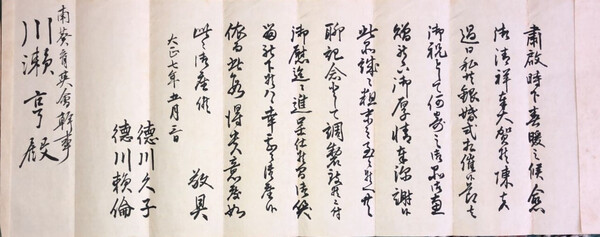

-
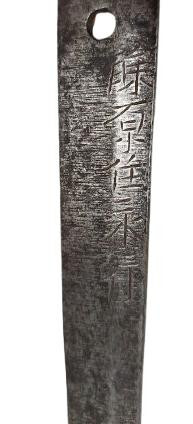
Dear nihonto student, Here is the enhanced picture of the Mei and Sesko's reference:

-
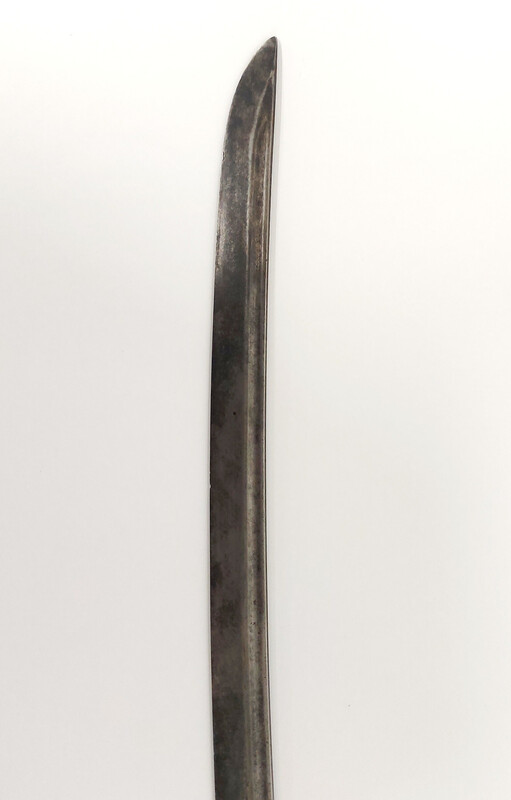
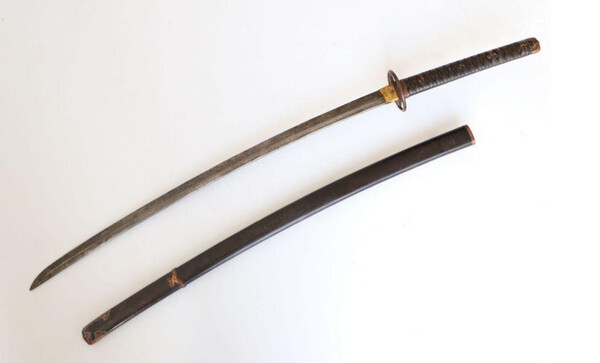
Dear members, I am researching a family heirloom currently held at the MUPA Museum in Brazil: a blade belonging to my ancestor, General Toru Kawase. The smith has been identified as Fujiwara-ju Nagayuki (Yamato School), active during the Tenbun era (1532-1555). While official measurements are pending, the total mounting length is 104 cm, and I estimate a nagasa of approximately 70-71 cm based on the photos and proportions. The museum has invited me for a physical inspection and professional photography in two months. In the meantime, I have prepared a composite image from archival photos to analyze the sugata. I would value your expertise on a few technical points: Does this specific sugata and curvature appear typical of late Muromachi Yamato-den blades? What else does it reveal (like intended use, etc)? Can you name a few characteristics of it (like the type os Sori)? The yokote is notably attenuated. Would you attribute this to centuries of polishing wear, or is it a known trait of this lineage or period? There are at least two significant nicks and the ha looks very deteriorated. Is a blade in this state generally considered a candidate for professional restoration, or is it better preserved as it is? Please note that I do not yet have clear photos of the hamon or hada, and it remains to be seen how visible they are in the blade's current state. I intend to capture these details during my inspection and will share them with the forum as soon as they are available. Best regards,

-
For a little context, the sword is at a museum since it was confiscated by local government during WWII. I recently asked them to disassemble the sword and photograph the parts to help me identifying and dating it. So far I have discovered (with the help of some redditors) that the smith is 藤原住永行 (Fujiwara-Ju Nagayuki). Markus Sesko's Swordsmiths of Japan lists a late-Muromachi era smith who was based in Yamato province that signed this very same way: NAGAYUKI (永行), Tenbun (天文, 1532-1555), Yamato – “Fujiwara-jū Nagayuki” (藤原住永行) Now I want to know if there is more information about this smith. I don't have access to other indexes or reference litterature so I asking for help. Also, I want to find possible links to the province of Wakayama, from where my family came from. Thank you in advance!