CNS_44
-
Posts
43 -
Joined
-
Last visited
Content Type
Profiles
Forums
Events
Store
Downloads
Gallery
Everything posted by CNS_44
-
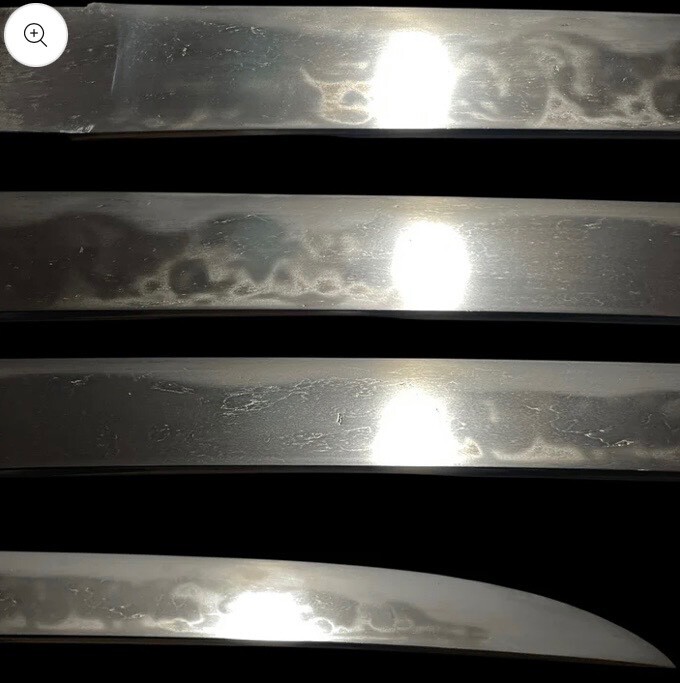
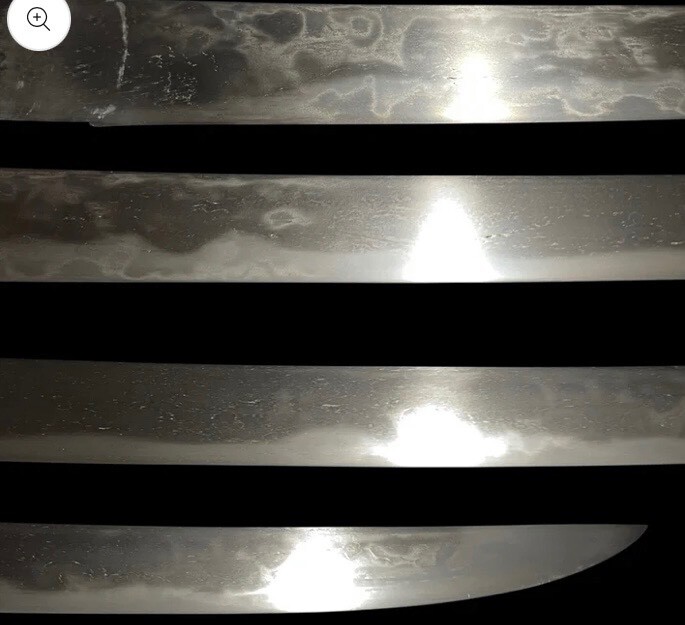
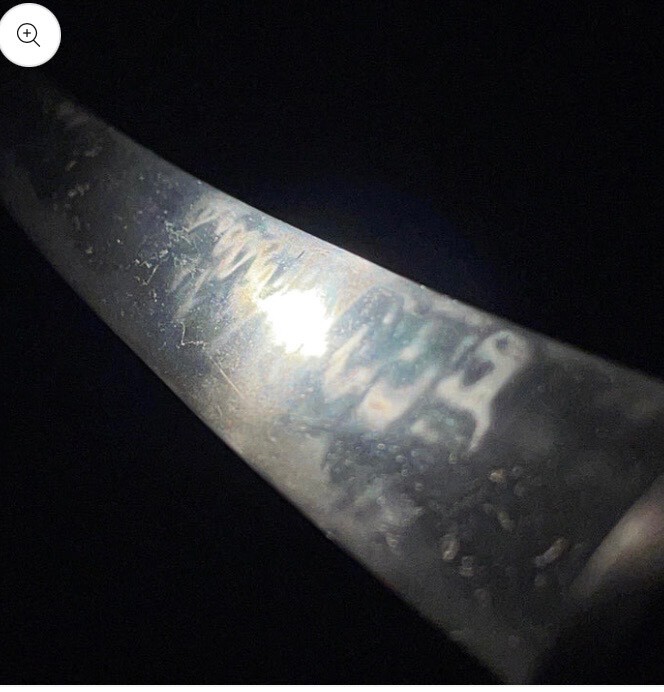
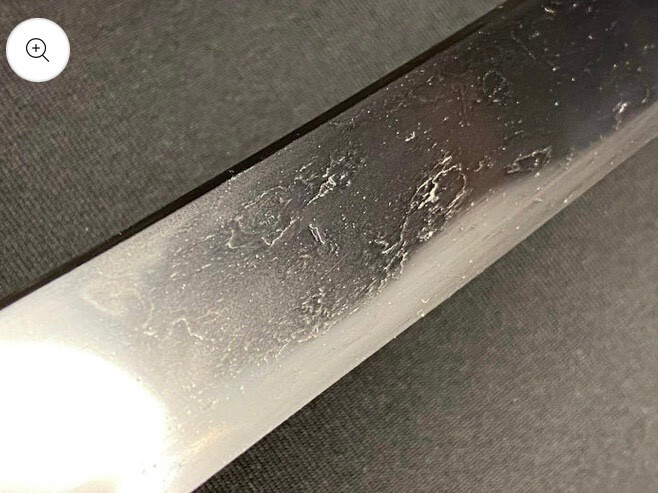
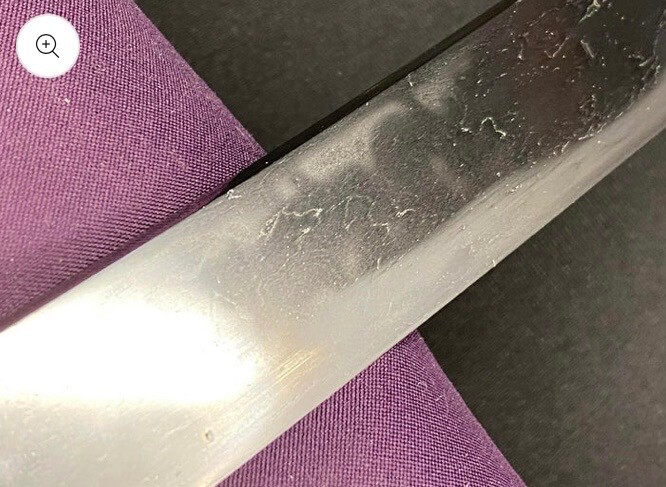
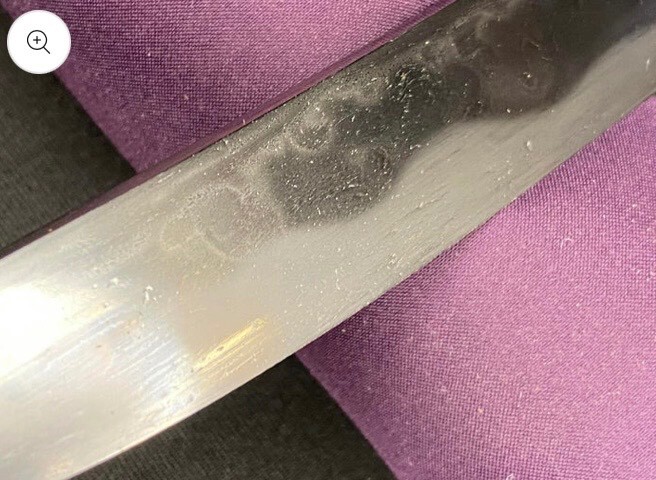
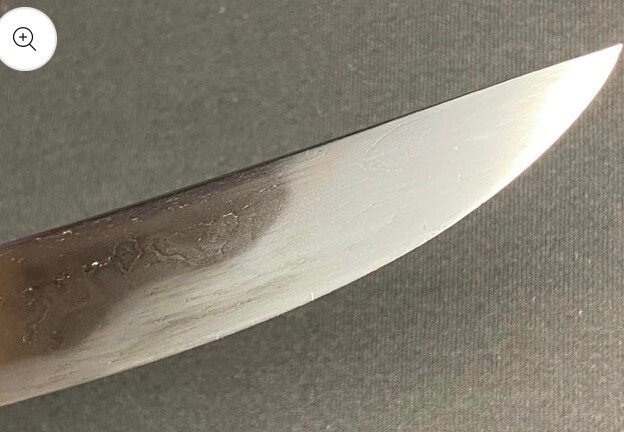
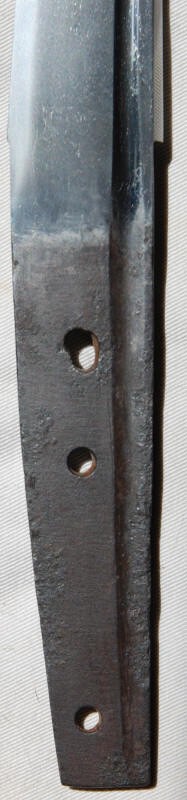
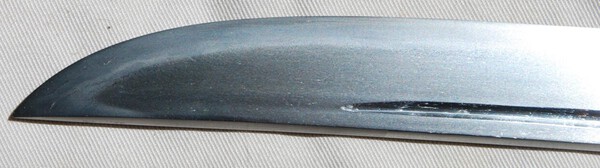
Hello all, I would like to share with you my most recent purchase from Andy Quirt over at Nihonto.us . It’s a hirazukuri O wakizashi is shirasaya in good polish and from what I was told by Andy he sent it over to Tanobe sensei for a verbal attribution and based on what Tanobe saw he gave him a verbal attribution of Uda. Andy did tell me that he was hoping for an earlier attribution so he must of thought it shared characteristics of a Ko-Uda blade but nevertheless Tanobe sensei dated it to Muromachi period. It’s undergone Osuriage and also has a bohi. It has a 46.3cm nagasa, 3.3mm motohaba, and 6mm kasane. The hamon is chu suguba in konie deki and has itame hada. Given then lenght of it now after it has undergone suriage I think it possibly coulda been a katateuchi. Best Regards, Chance


-
- 6
-

-

-
Appreciate you guys taking a look and giving your thoughts on possibly what today’s Shinsa would attribute it to. Would you guys call this a sunnobi tanto or a Ko wakizashi based off the measurements? Also how often do you guys see kanteisho by Shibata?
-
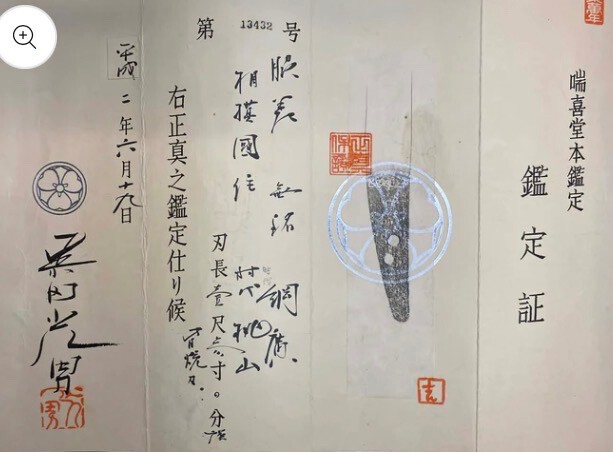
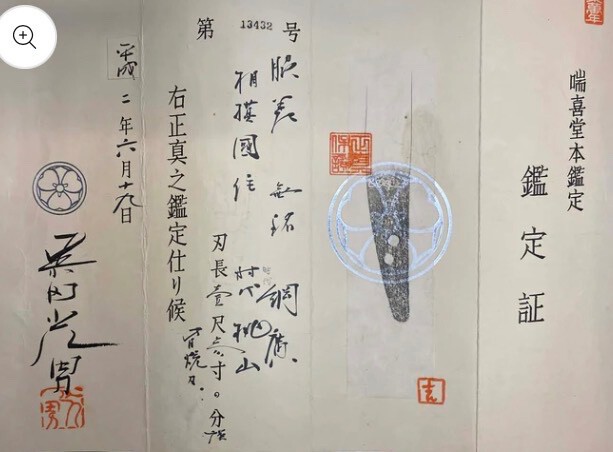
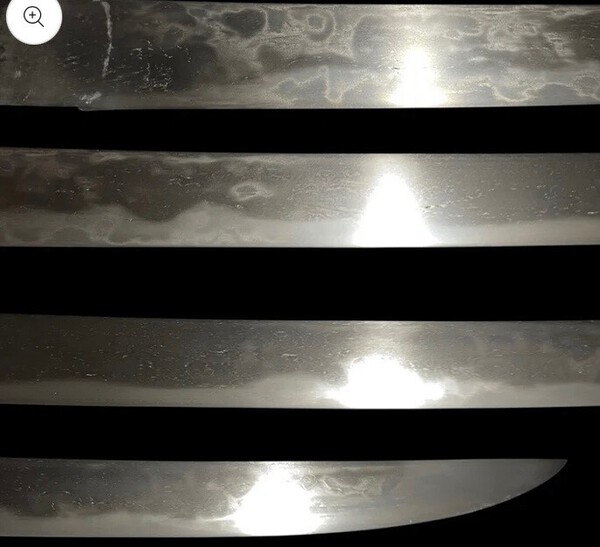
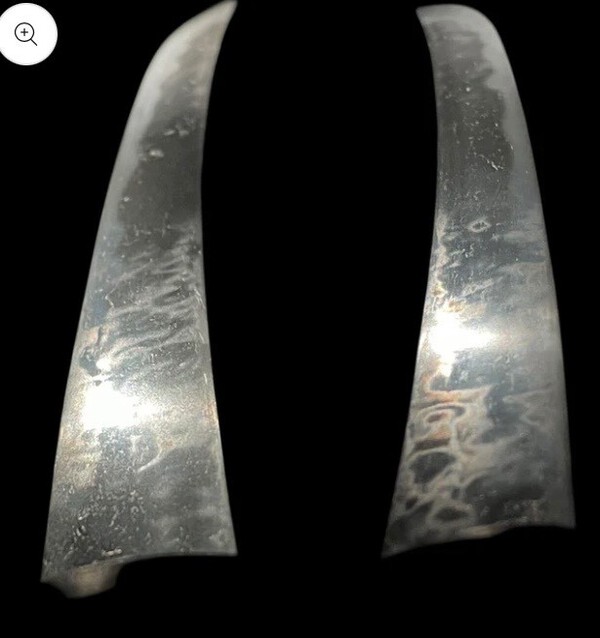
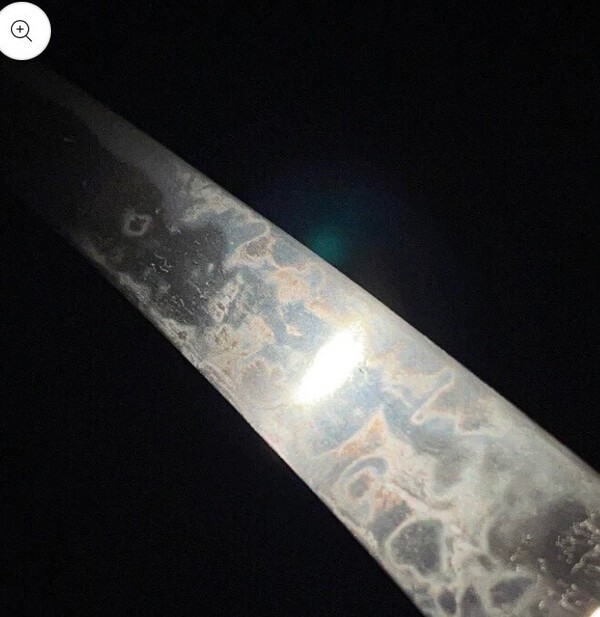
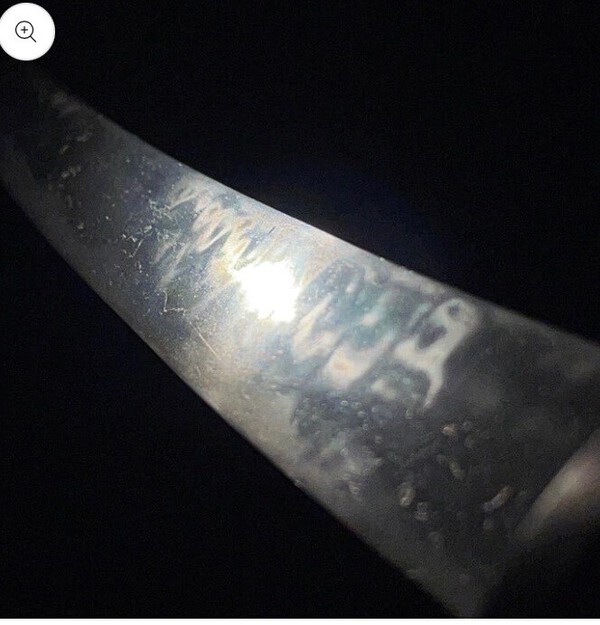
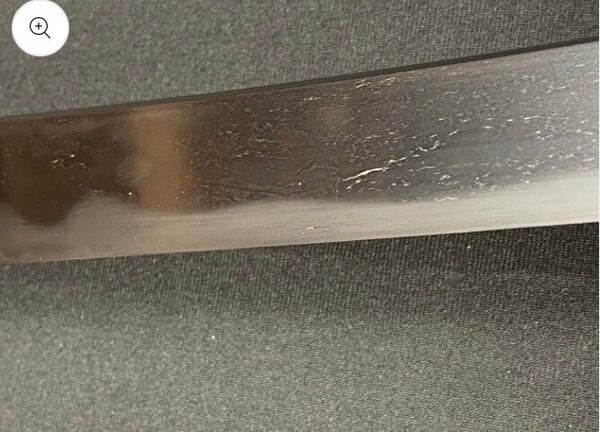
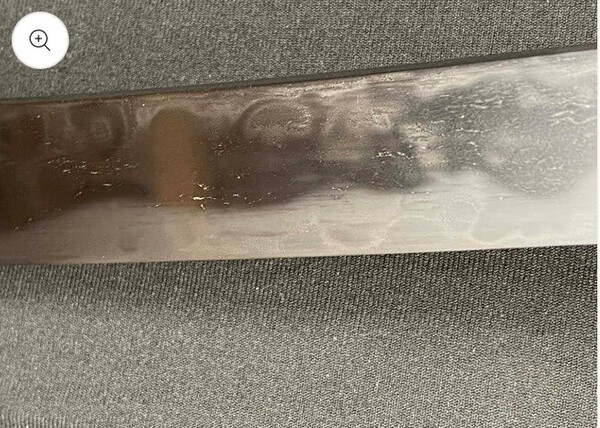
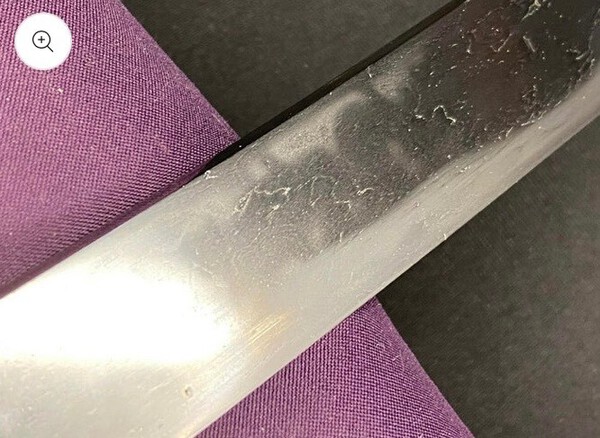
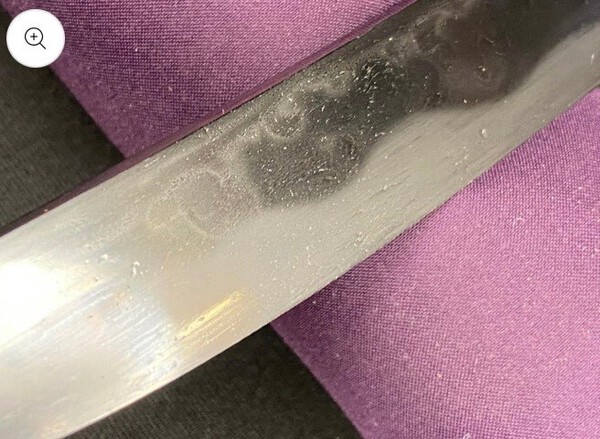
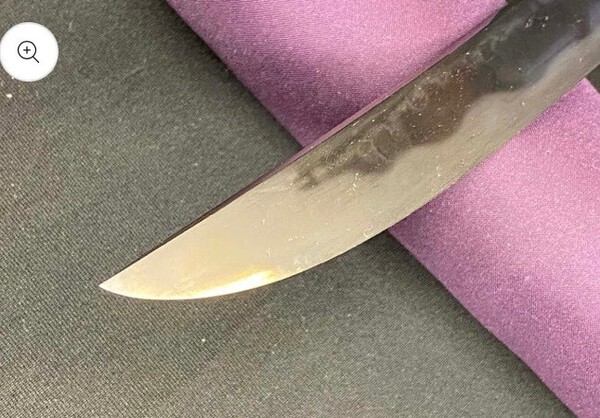
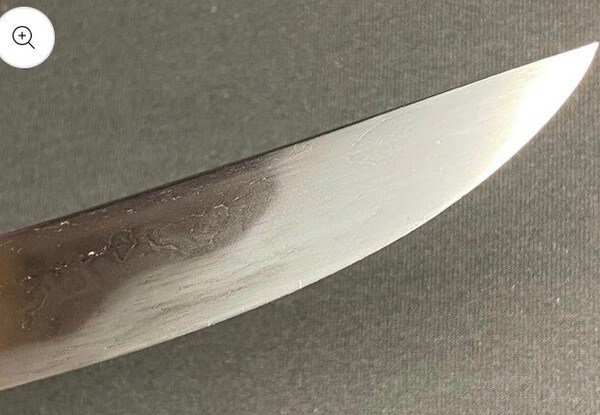
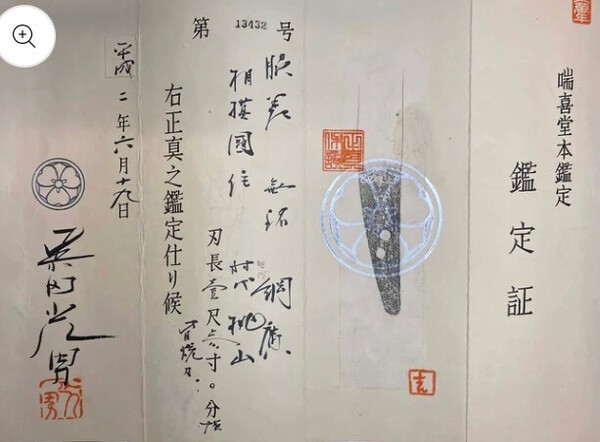
Greetings all, I finally pulled the trigger and purchased my second nihonto for my collection. It’s a hirazukuri wakizashi with very nice hitatsura hamon and has been attributed to Tsunahiro by Shibata Mitsuo. Thanks to another member here on the forum and Ray Singer for helping me translate what was written on the kanteisho it reads “Sagami no Kuni Ju (mumei) Tsunahiro and Jidai Momoyama”. The generation of Tsunahiro was not specified on the paper so I will have to do some research of my own. So far I have read that the ealier generations of Tsunahiro were famous for using hitatsura hamon and also producing hirazukuri sunnobi tanto and ko wakizashi which I think this wakizashi would fit into with a nagasa length of 39.7cm and a total length of 57.0cm. Given that Shibata’s opinion on the time period was Momoyama era I think that it could possibly be maybe either Nidai or Sandai Tsunahiro. If you guys are able to give me any more info to assist me on identifying possibly which generation of Tsunahiro it could be I would really appreciate it and do you think this one would be worth sending to Japan for modern Hozon papers? The blade measurements are Nagasa : 39.7cm Sori : 0.7cm Total length : 57.0cm Motohaba : 27.6mm Sakihaba : 18.5mm Motokasane : 5.4mm Sakikasane : 3.4mm Blade Weight : 225g Best regards, Chance




-
@Bugyotsuji Thank you for attempting to translate some of the kanteisho, I did some research and it seems like all of the papers from Shibata Mitsuo are signed in a really (highly stylized) kanji like you mentioned. I’m curious as to what the notations have to say hopefully a member might be able to translate it. Also would anyone possibly know how respected his papers are?
-
I would appreciate any help translating this kanteisho by Shibata Mitsuo. Thanks
-
Thanks for translating that for me so it seems that the katana was forged one month after the start of the Boshin war.
-
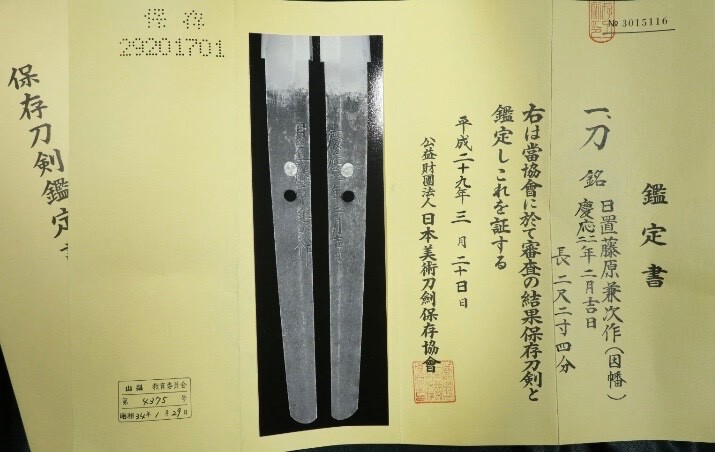
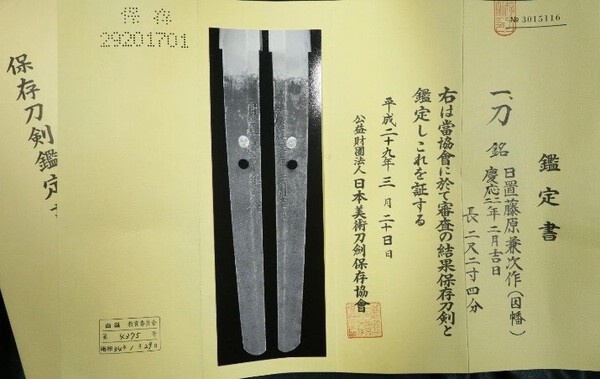
Hey all, Could I get some assistance with translating the date that’s written on the Hozon? I know the smiths signature is Hioki Fujiwara Kanetsugu Saku but not sure on the smithing date. Thanks, Chance
-
Yup I guess we will never truly know on this one on one hand it kinda seems like a waste of time for someone to go and forge the signature of a Sukesada smith from that lineage because of how many of them there were in that period but then again it seems like they were willing to gimei almost anything. Thank you guys for talking a look at it I appreciate all of the feedback. Best regards, Chance
-
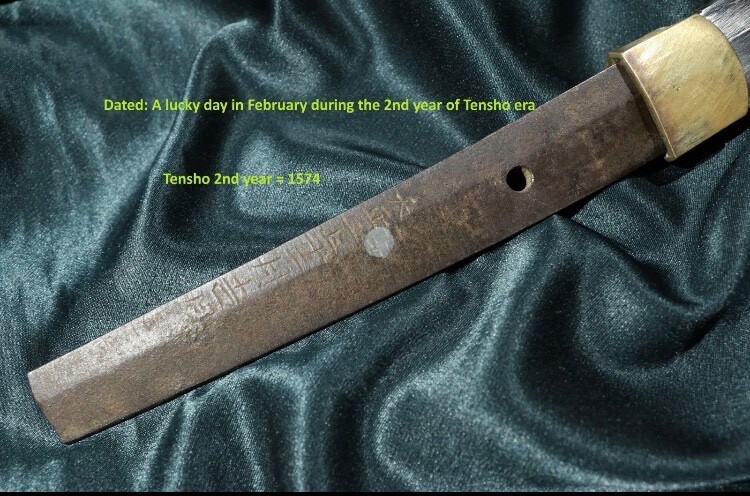
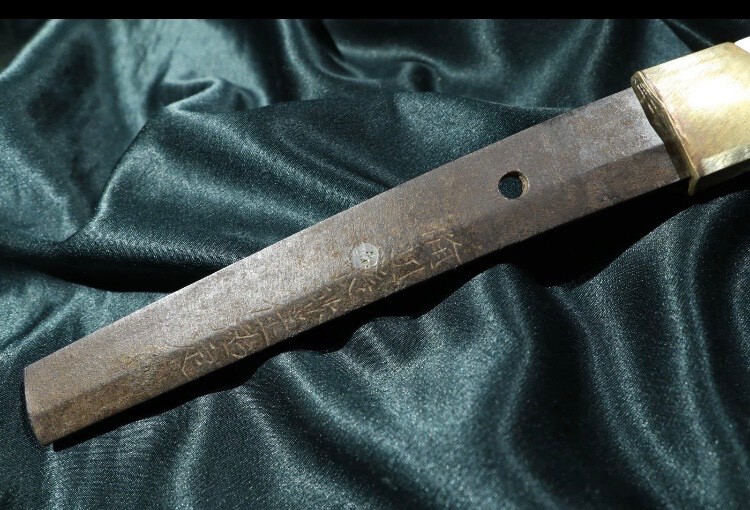
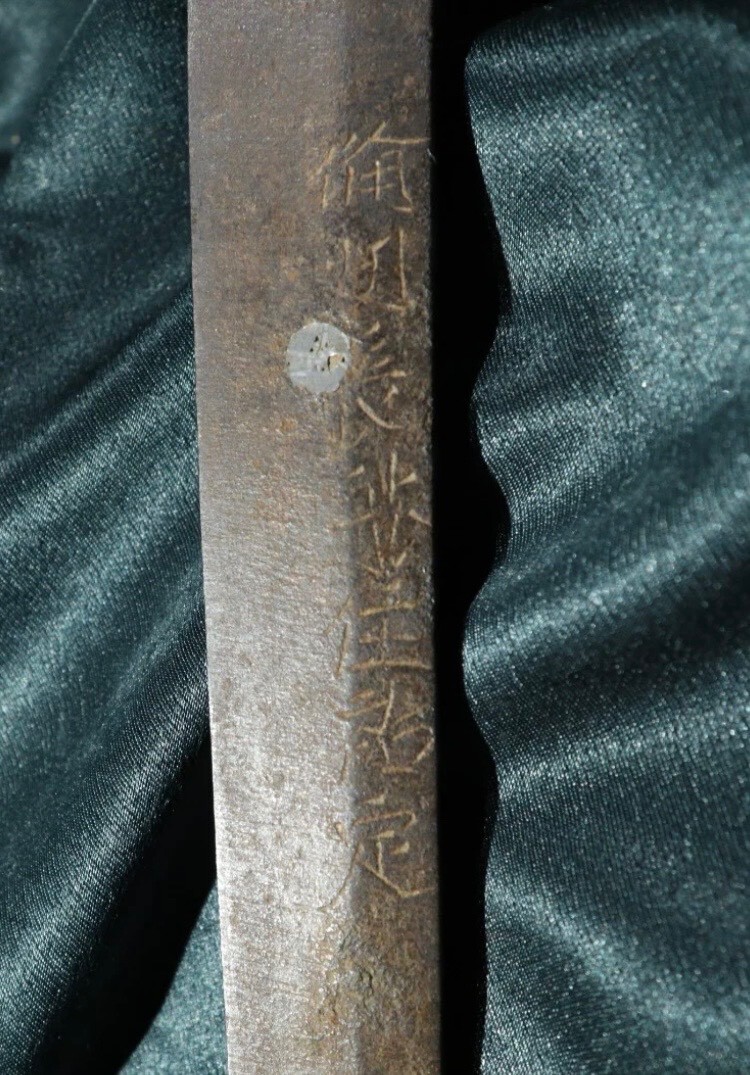
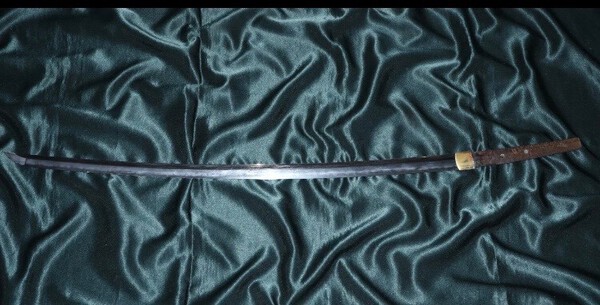
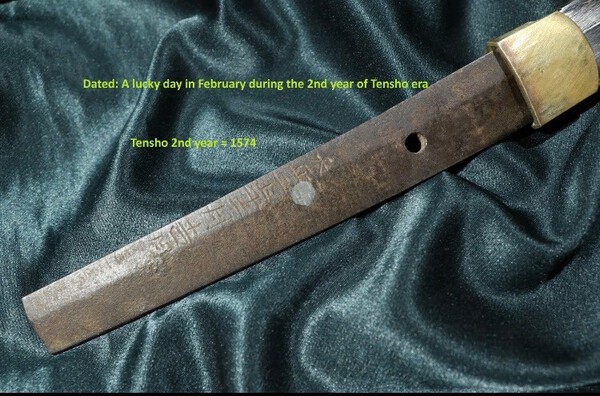
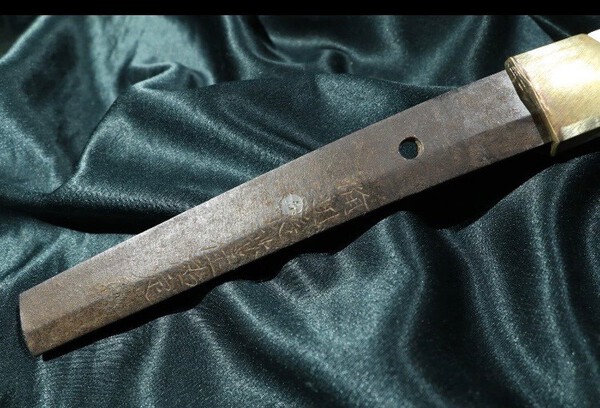
How’s it going all, If I could I would like your folks opinion on this Katana. The seem to read “Bishu Osafune Ju Sukesada and on the opposite side of the nakago it’s dated February 1574. The blade visable has choji-ba hamon but it’s definitely in need of a polish by an expert. My question is whether or not it could be a gimei Sukesada? I have read on other threads that for Sue-Bizen blades Ju should be written before Osafune but I have also seen that there were a lot of smiths who signed Sukesada during this period so could it be just a style of Mei that the specific smith signed? The measurements of the blade are Nagasa: 67.9 cm Nakago: 20 cm Total: 87.9 cm Thickness as the habaki notch : 5.1 mm width at habaki: 2.85 cm Yokote width: 1.88 cm Kissaki: 3 cm Sori: 2.3 cm Id appreciate any help with this piece. Best regards, Chance


-
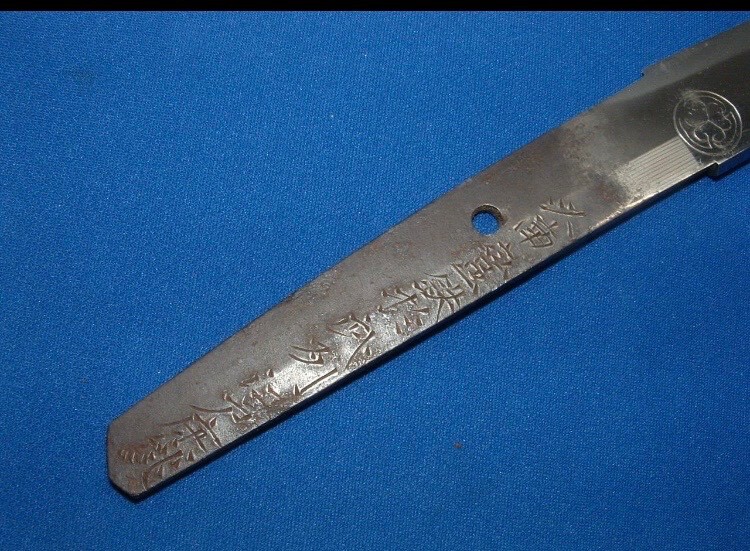
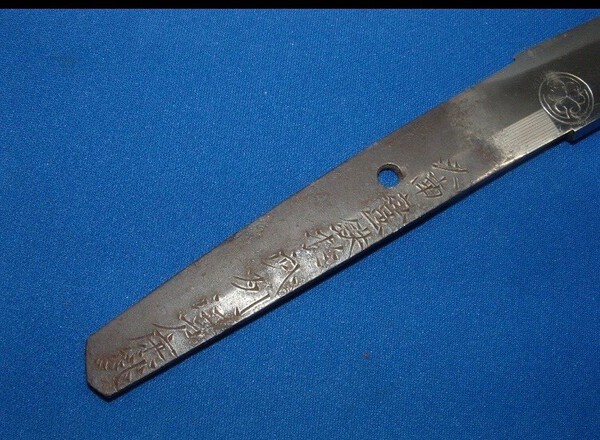
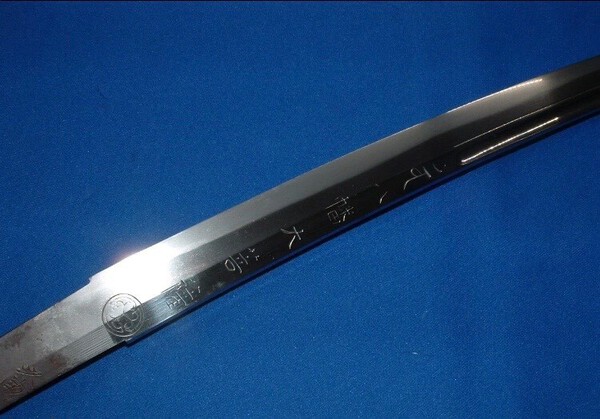
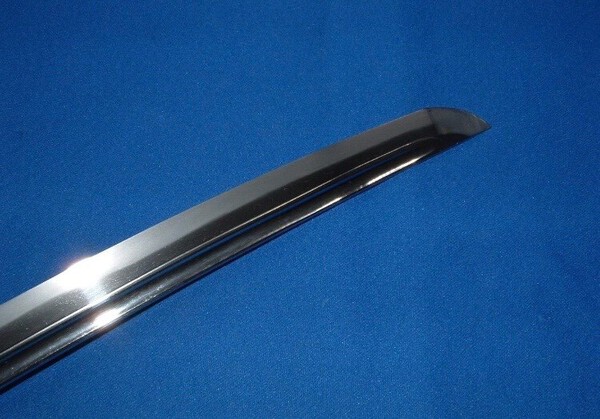
How’s it going all, Komonjo has a few wakizashi up for bid right now on eBay and this one is supposedly signed 以南蛮鐵於武州江戸康嗣 Motte nanban tetsu okeru Bushu Edo Yasutsugu, and on the reverse: 武州於浅草胴落山野勘十郎 (Yamano Kanjuro cut across torso, at Asakusa in Musashi Province.) To me the Mon also looks kinda weird but that’s for more experienced people to decide I’m assuming it’s a gimei but would just like to know what others think. Thanks, chansen


-
Thanks for sharing some insight into this. Yes you are right it is probably difficult to draw conclusions on an original owner based off of this. The Mon was probably one of the big reasons why I liked this koshirae and I always wanted to have one that had a family crest on it. Apart from the tsuka Ito wrap which probably has been rewrapped in more recent times does the rest of the koshirae look age appropriate for a mid to late edo wakizashi?
-
Hi, I recently just purchased a nihonto from Japan and was wondering if I could learn more about the koshirae. The fuchi kashira has a rice bag mouse motif and the menuki is a chicken. The tsuba looks like a nice plain simple design and also there is a silver habaki. Saya also has a gold Mon on top. The smith the wakizashi is attributed to is from Bungo. Did any samurai clans in that area use this mon or is there other clans through out Japan who also used it? Any background on possibly where this style of koshirae was popular would be very helpful. Thanks, Chansen


-
You are right I will get better pictures when possible. thanks
-
I was kinda expecting this. Do you think this blade was forged during the edo period or possibly during the Muromachi judging by the hamon and blade shape and also the nakago because the oxidation is very dark black looking. Was this possibly maybe an older blade which had a gimei signature added later during a period when it was common?
-
Hello, what are your guys opinions on this wakizashi that I am pretty sure is signed Hizen No Kuni Tadayoshi. Does the signature look authentic or is it a gimei? If it is authentic which generation Tadayoshi would this most likely have been forged by? Also I noticed it had a habaki with a wave motif on it. Not sure if it could be related to the blade or not? Please let me know what you all think. thanks, chansen


-
10/4/25 SOLD
-
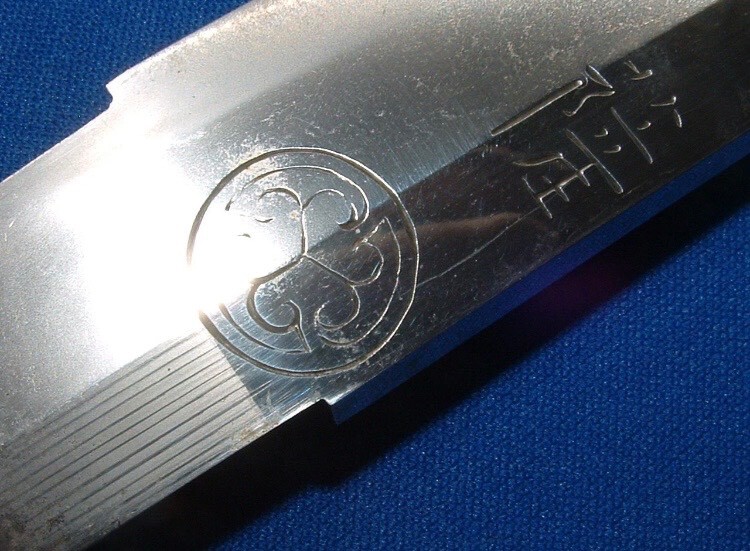
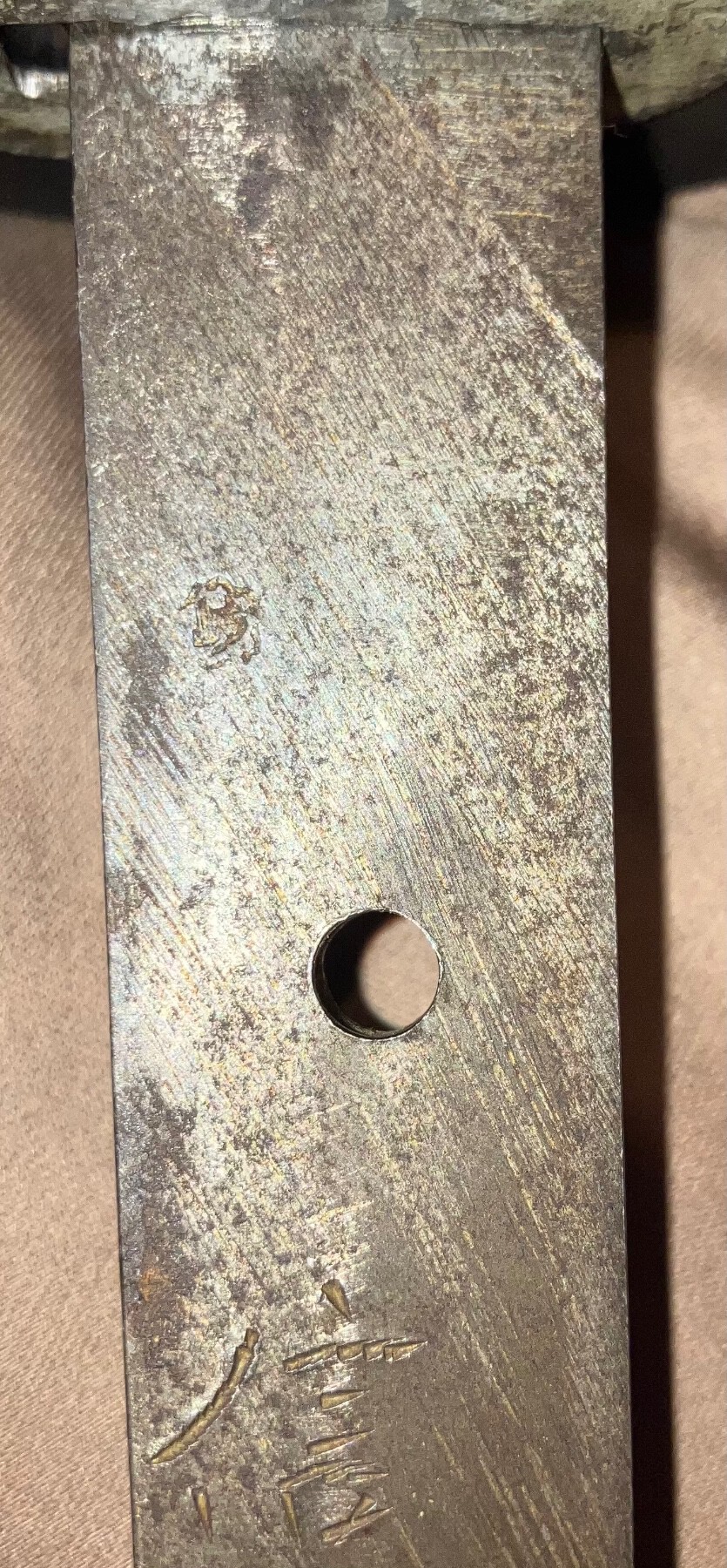
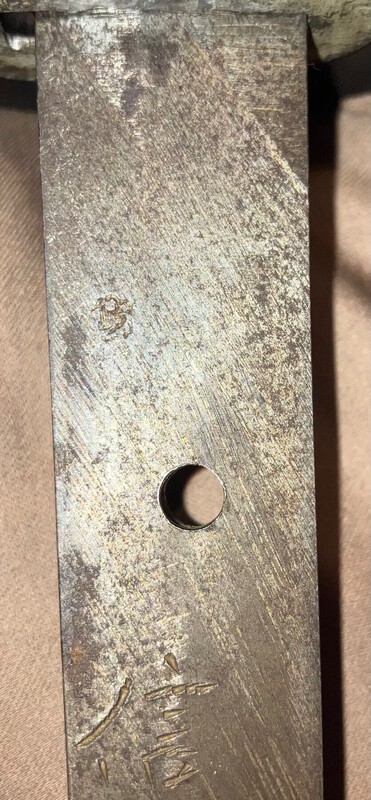
Here is a picture of the arsenal stamp. This is as clear as I could get it off my phone.
-
Yes there is one I will post a clear picture when I have a chance
-
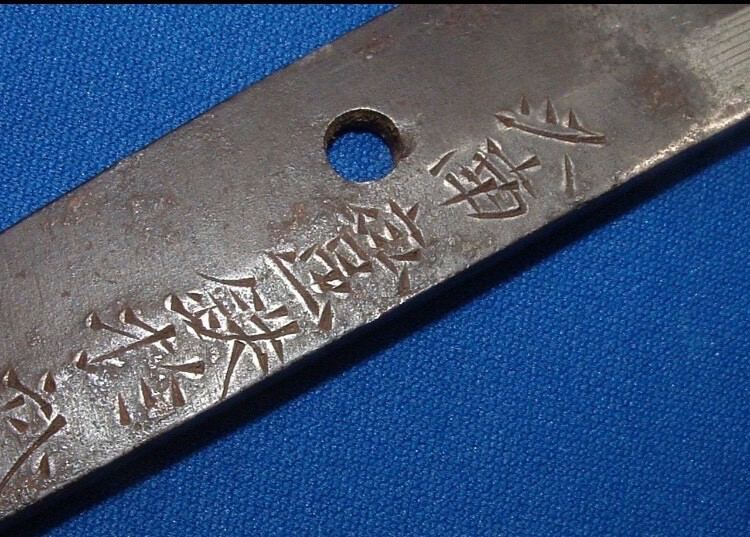
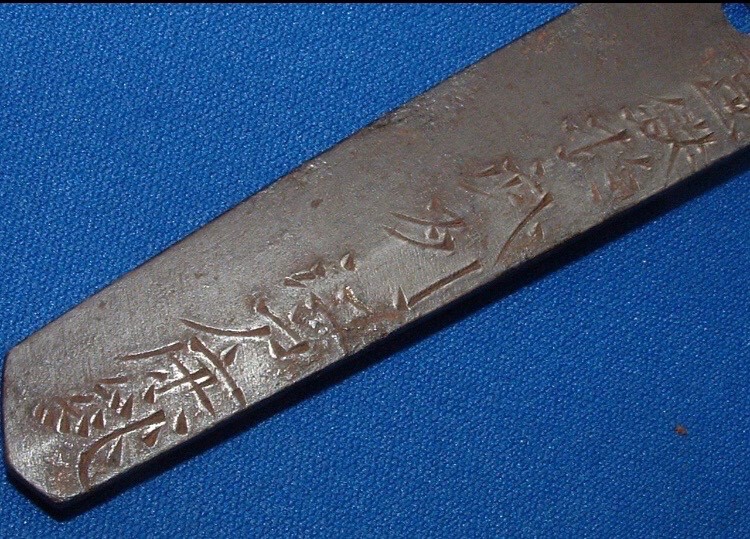
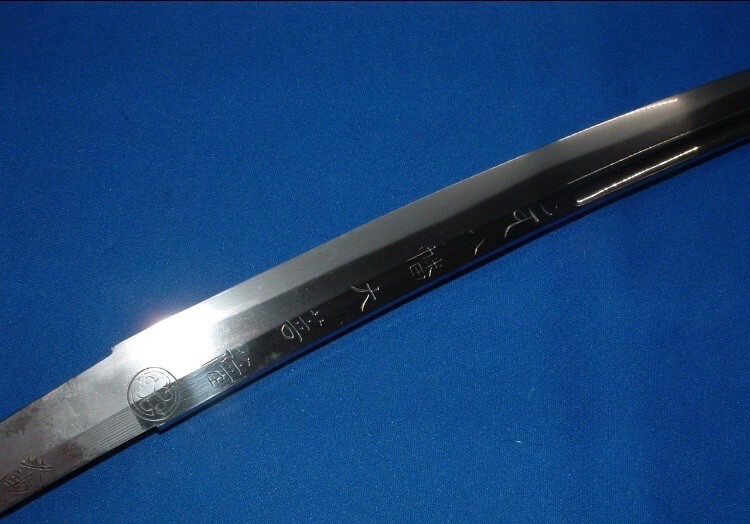
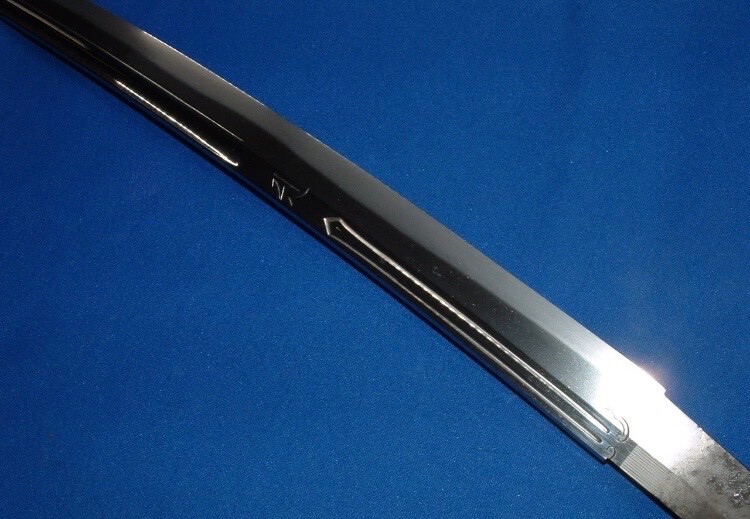
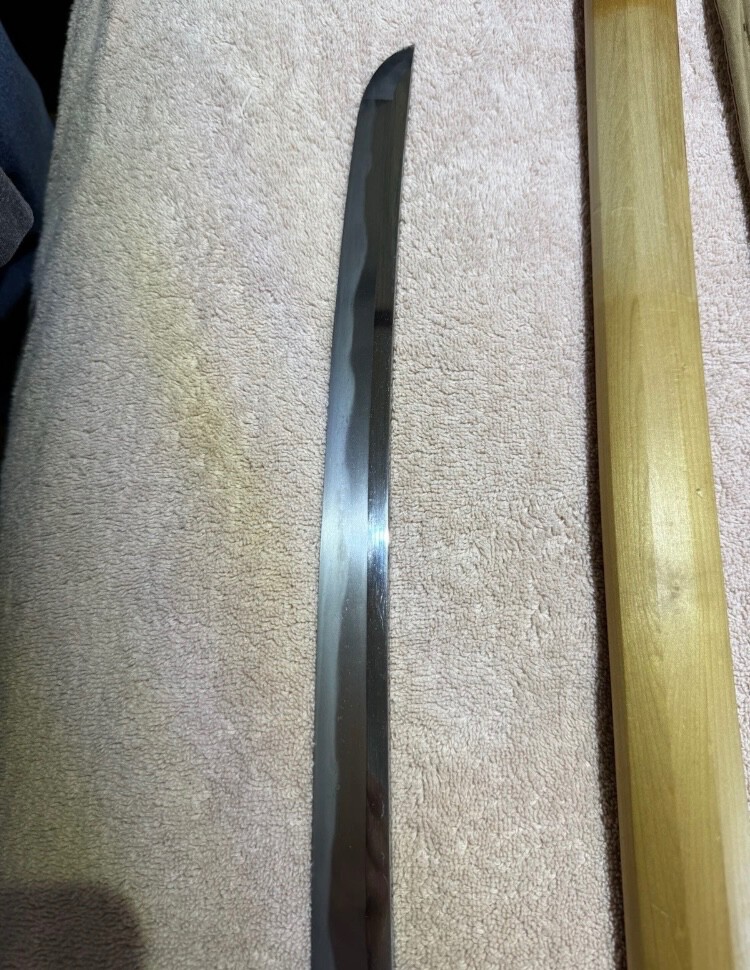
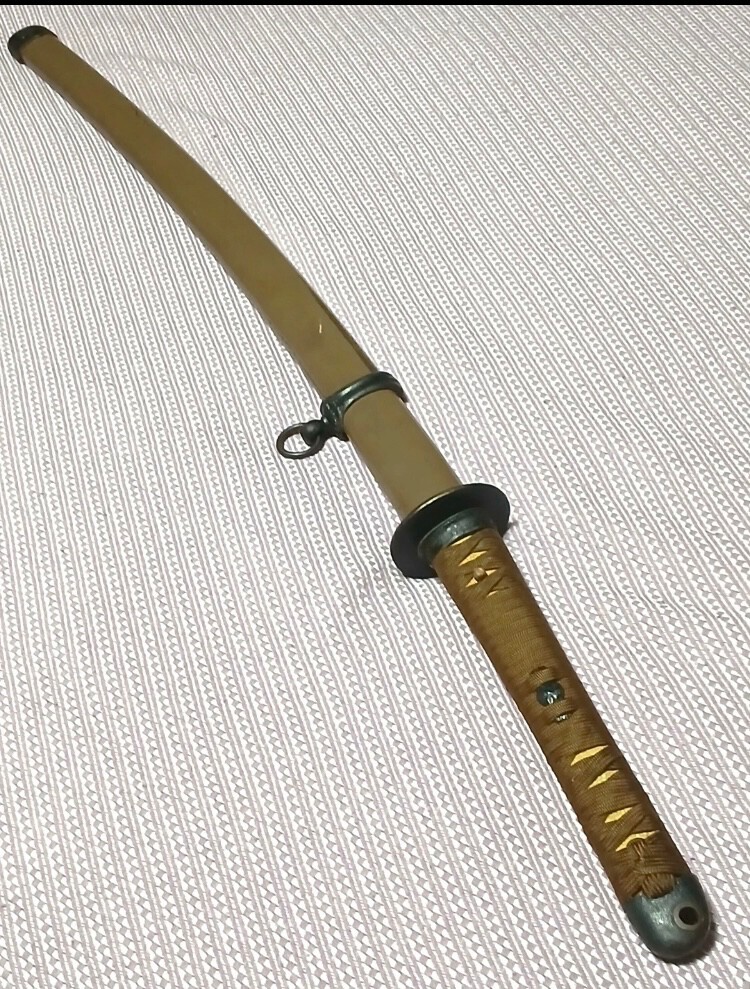
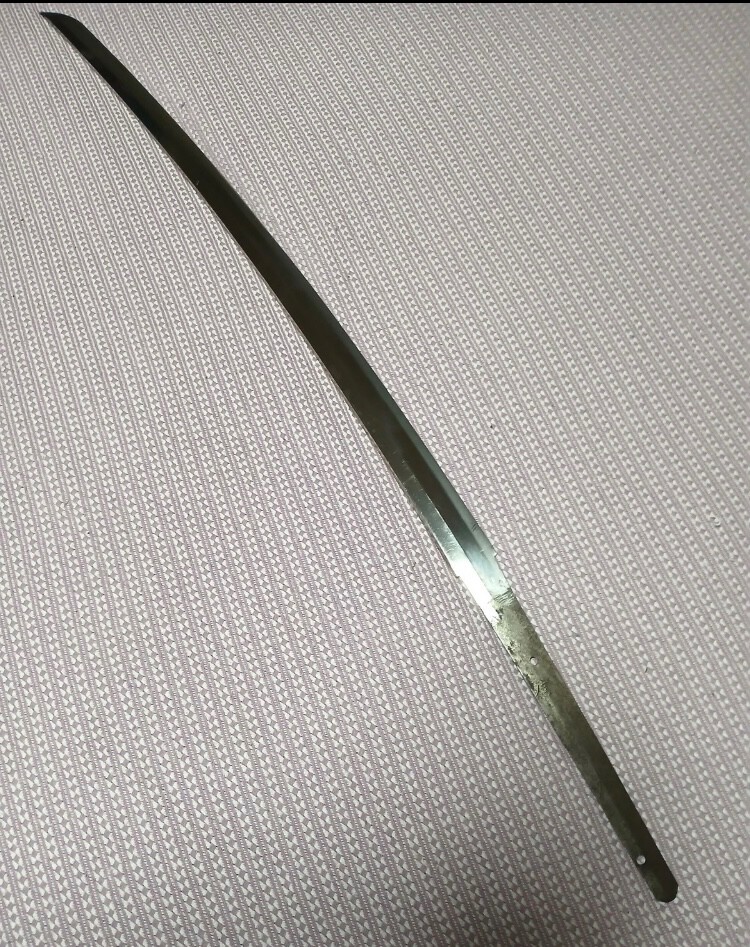
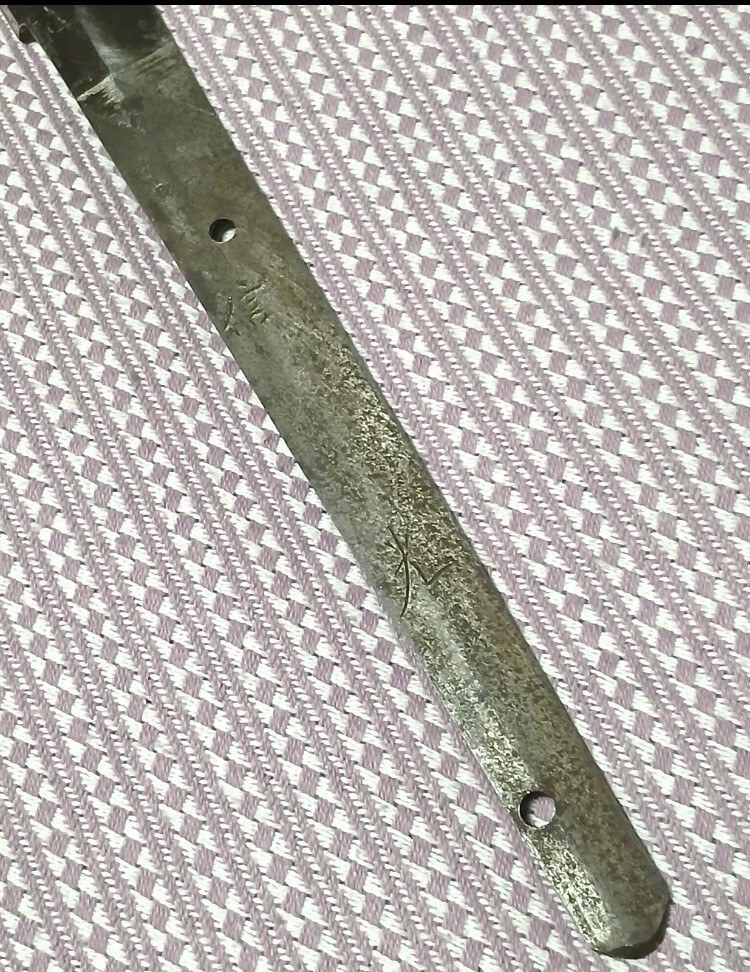
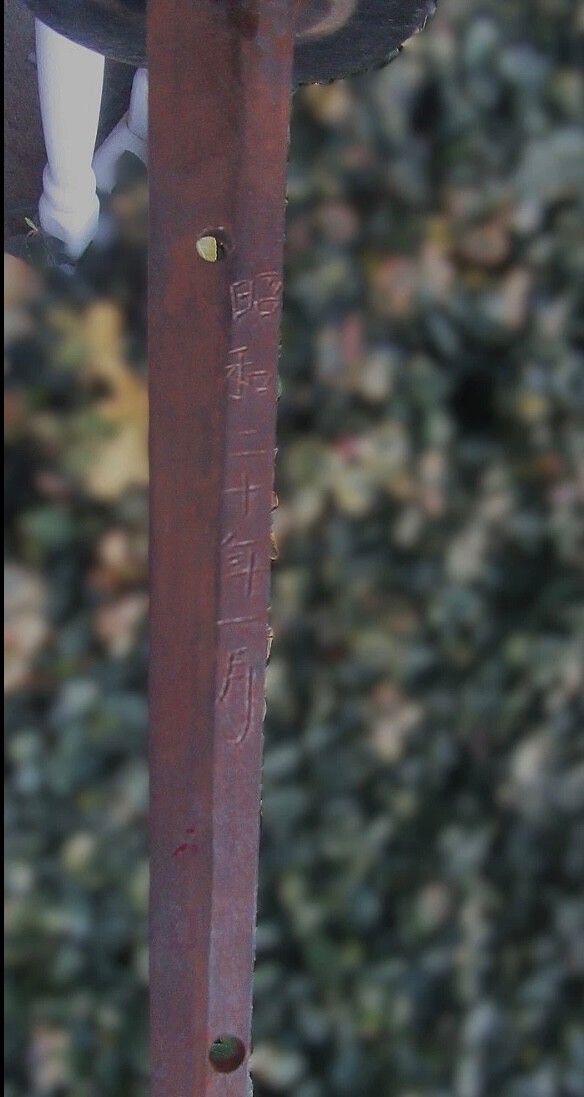
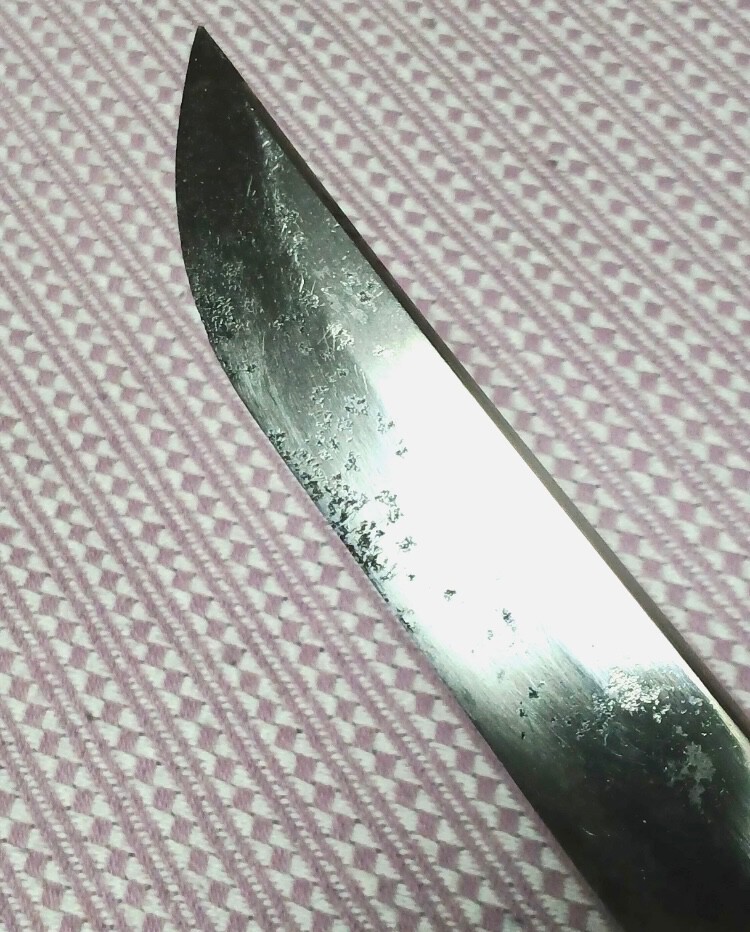
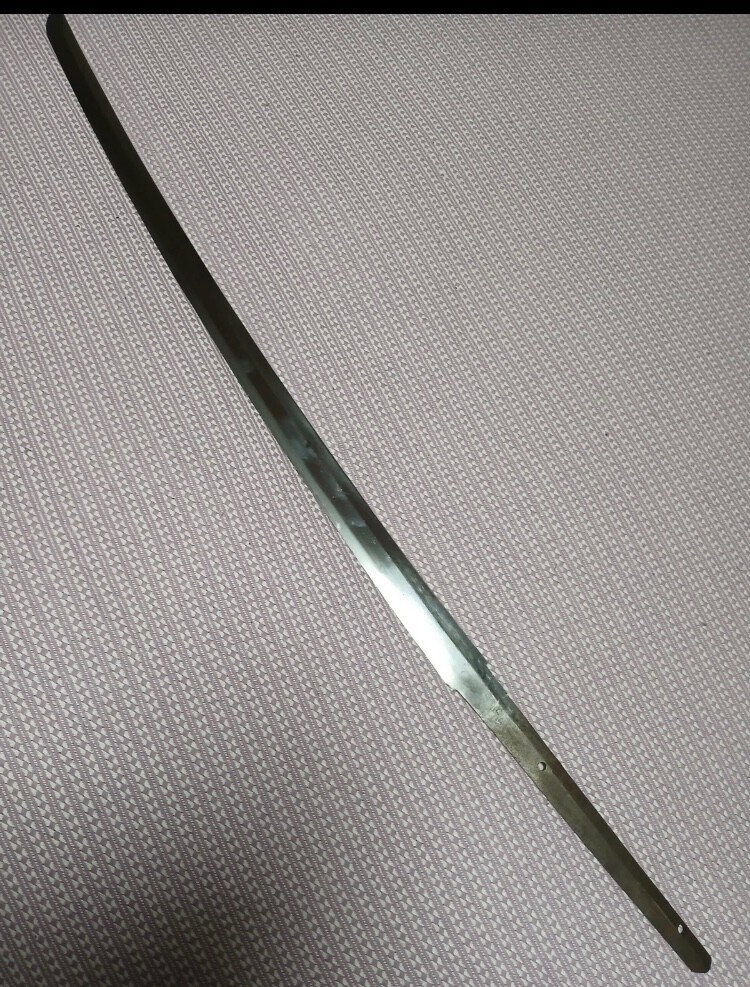
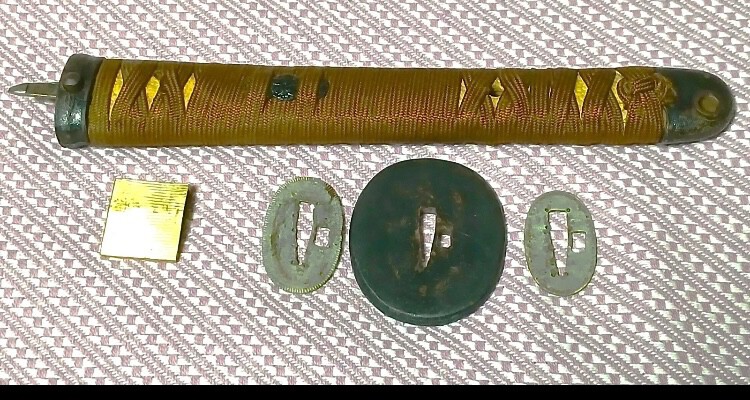
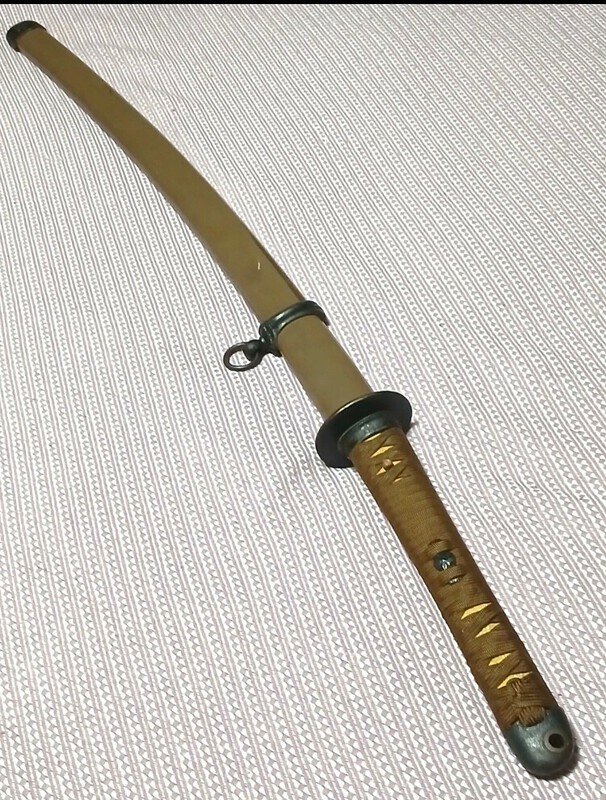
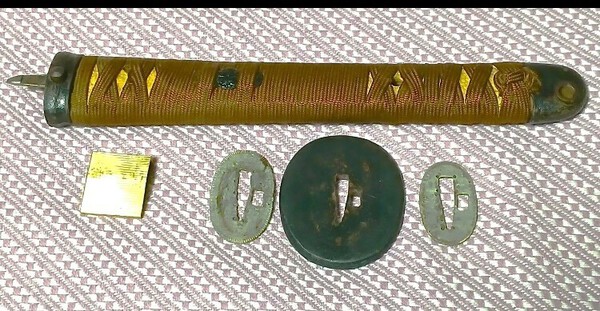
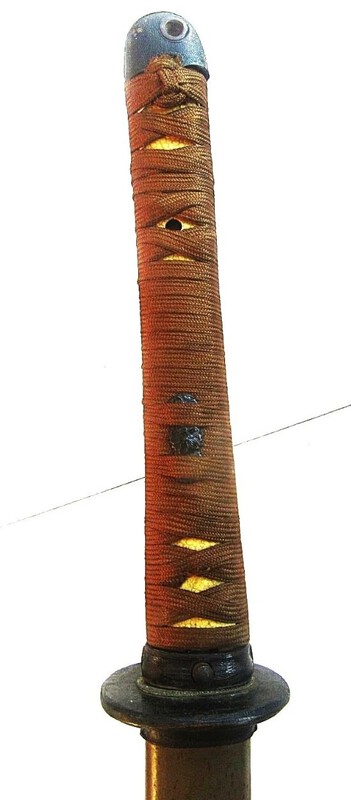
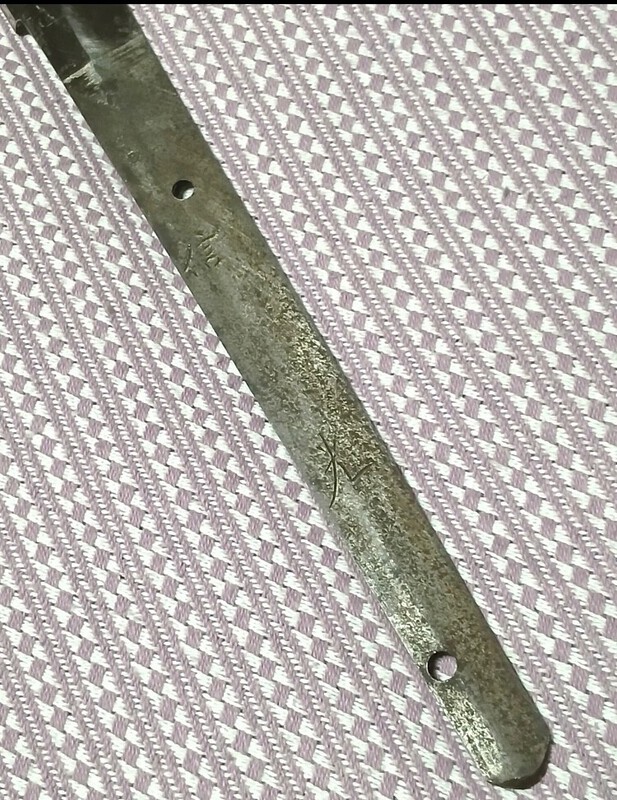
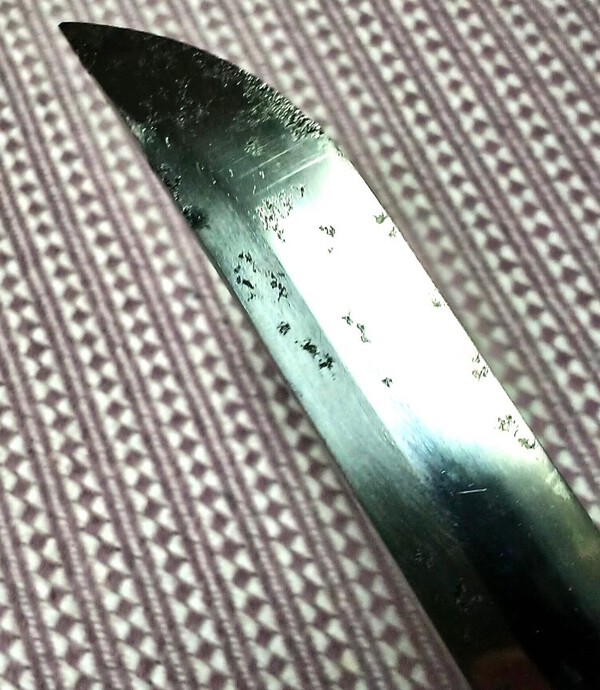
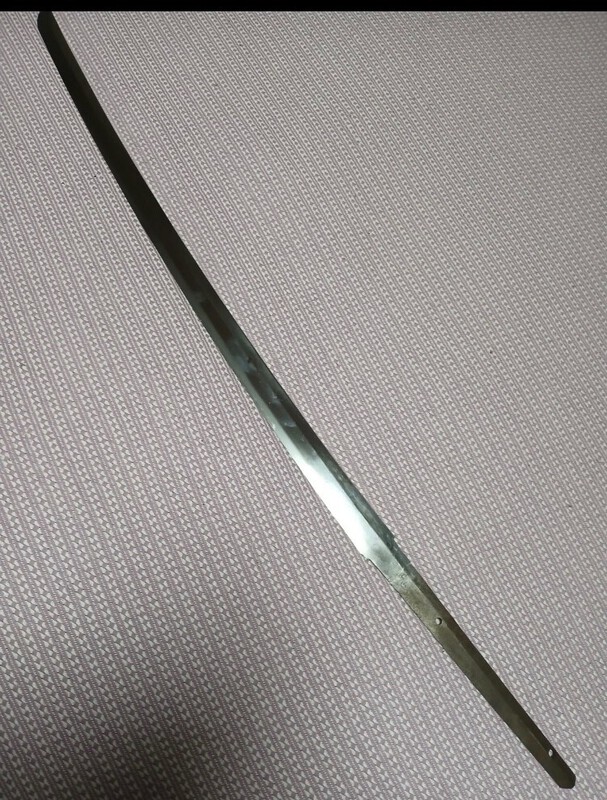
Type (Tachi, Katana, Wakizashi, Tanto, Naginata, Other) : Katana Mei : (Mumei, Signature) : Nobumitsu Era/Age : January 1945 Shirasaya, Koshirae or Bare Blade? : Koshirae Flaws : Pitting on both sides of the Kissaki Sword Location : Hawaii Will ship to : United States Payment Methods Accepted : PayPal Price and Currency : $1,300 plus shipping Other Info and Full Description: I am mostly looking to trade for a gunto or nihonto of equal value however I would also be willing to sell it for $1300. Mei is signed “Nobumitsu Showa 20(1945) First month(January) .Koshirae is in very good condition and locking button works flawlessly. Here is some info on the smith “NOBUMITSU (信光), Shōwa (昭和, 1926-1989), Gifu – “Nobumitsu” (信光), real name Sakō Shin´ichi (佐光信一), born June 24th 1905, student of Kojima Katsumasa (小島勝正), he worked as guntō smith and died July 21st 1993, ryōkō no retsu (Akihide).”



-
Thank you to all who shared more information on it I really appreciate it. I think I got it for what I thought was a fair price of $900 because almost all the gunto I see start at $1000 and above and I was able to get the seller to take less than his original price. Sword should arrive at my house tomorrow and I will take a picture of the factory stamp and post it here.
-
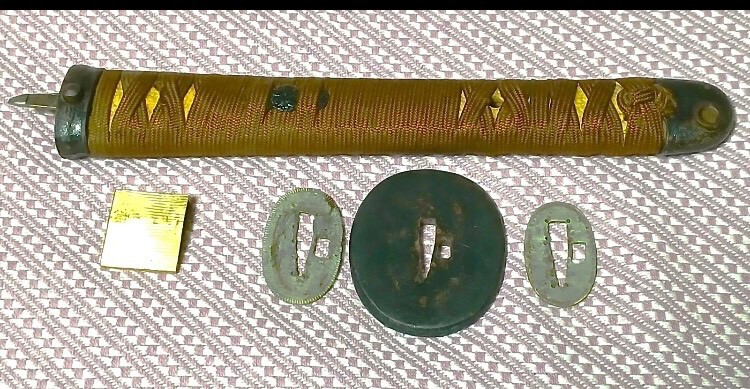
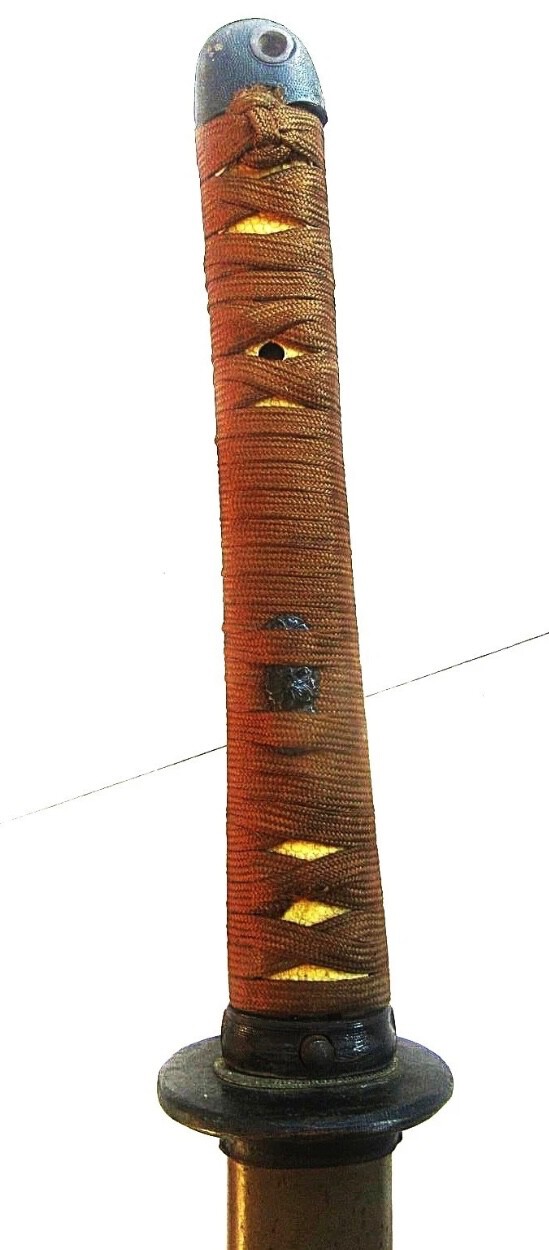
Just found the forum where it came form thanks. Also got a few more pictures of the sword. Do the mountings look original? And also there was some pitting near the kissaki but my guess was that it was there from use during the war possibly from stabbing or cutting something and it seems to be older black pitted rust and only on the kissaki area.

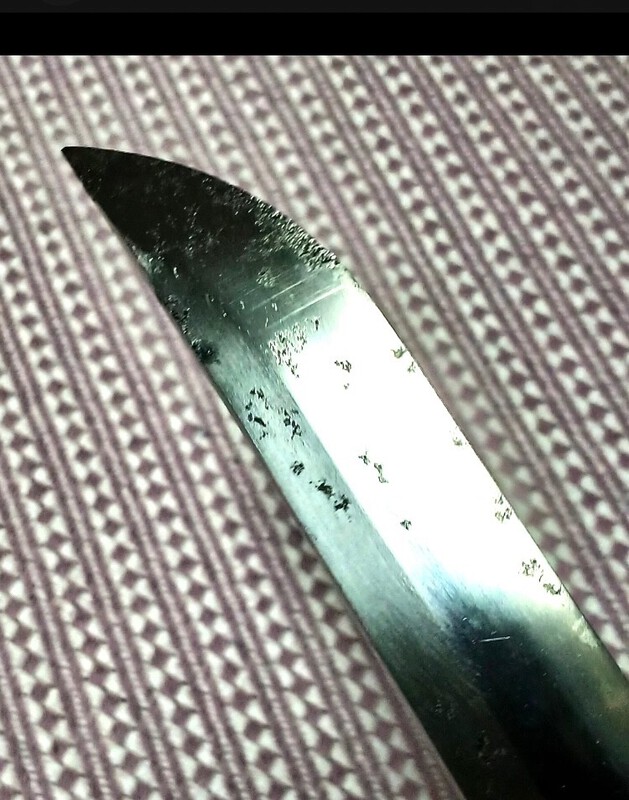
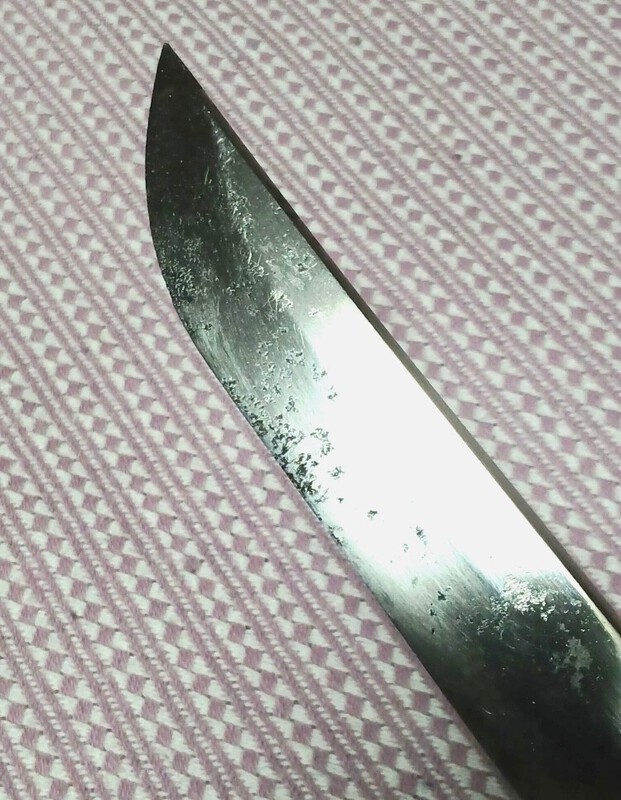
-
Thank you, this is really great information. After viewing note #9 I can’t help but notice that it is also the same pictures of the nakago from the sword I purchased. Do you remember where on nihonto message board you saw this or how you were able to come across those photos of it?
-
Thank you for this information. I will definitely post a picture of the stamp when the sword arrives.
-
I definitely think this could possibly be the smith given the fact that I have seen a few other type 3 gunto from the same maker all around the same time frame 1944-45. But if someone is able to identify the different signature styles to determine which Nobumitsu it is I would really appreciate it.
-
Sorry don’t have the length of the nakago I’ll have to wait till it comes in to measure it but from what I have seen it seems that many Rinji Seishiki (type 3) gunto have longer nakago and usually have 2 Mekugi Ana.