DocTheRoc
-
Posts
47 -
Joined
-
Last visited
Content Type
Profiles
Forums
Events
Store
Downloads
Gallery
Everything posted by DocTheRoc
-
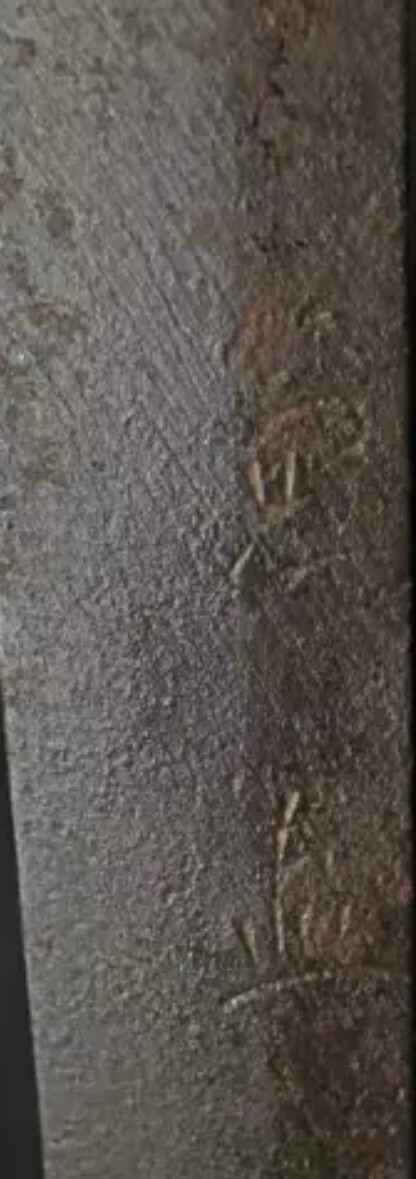
Bonjour! Oh I’m very happy with it! I’m just offering more pictures as a case study at this point; it’s fascinating how an expert eye can reveal such an obscured feature like this stamp! I’m glad it’s overall healthy, despite seeing one or two polishes in its lifetime - Vincent
-
Thank you Stephen, I do value everyone’s more seasoned opinions here, and constructive criticism; even if it’s said in a very open, honest way
-
Hi Dee! I took some additional photos with the flashlight on - which while the contrast is poor, I hoped would maybe show those areas of gradual patina a bit better - maybe rule in or out (or not?) that stamp. Btw, thank you so much for your kind words, I really do appreciate the opportunity to engage with this community over this piece of history - even if it’s not an ideal example.


-
I really appreciate your bluntness and willingness to help! You have the perspective of someone steeped in knowledge and appreciation for some of the most beautiful works of art to come out of Japan - genuine Nihontō with unique and well cared qualities. I really respect that seasoned viewpoint, and I respect that you are concerned with making sure I completely understand that quality bar moving forward. At the end of the day, this junker of a blade has taught me so much, through my research and the willingness of people like you to help me; about what to look for, how to differentiate time periods, how aspects of tempering and styles/signatures of the Nakago help provide historical context, and the parts of the Nihontō to most appreciate from an artistic and aesthetic perspective. I am honored and humbled by this experience, and I’ll always have that thanks to this item of someone’s shared history. Perhaps you are right, perhaps I will tire of this blade. Perhaps it was genuinely designed for nothing more than deception and foolishness. But I hope, ultimately, that it serves as a wonderful reminder of the way that a community of likeminded, well meaning collectors and historians came together to help me, for no other reason than a shared experience and love of the Japanese sword. I have this junker to thank, and I think I’ll always respect it for that. -Vincent
-
Hi there Ian! Why do you say that; should I be disappointed in the answers? Maybe it’s not what most people here want to see, and I do apologize for that if that’s the case - but ultimately it is or was a functional blade that someone clearly felt some sort of attachment to at one point or another and re-mounted in different fittings. Ultimately whether the stamp was removed for possession purposes, or the blade was fitted with antique or modern koshirae, or the blade was used for martial arts or not; I’m honored to continue whatever the humble story of this item might be, Showato or otherwise. One day I’ll get a Shinto or even Koto Nihontō, and I’ll be sure to ask or even purchase one from the community. But, in the meantime, I’m not disappointed by the answers, I’m just glad people took the time out of their day to help me
-
This is extremely interesting, thank you!! Especially the detail about the smith, and the fittings, I really do appreciate it
-
All - thank you very much for your assistance. Am I right in assuming, if this was indeed a Seki Arsenal blade, it probably should not have been cleared for export out of Japan? If it is a Showato…might explain why the stamp was filed off!
-
Thanks! Interesting, I wonder why someone would go through the trouble of removing the dates and stamps, to then use it for martial arts (iaido/battodo?) anyway! I wonder where that puts the fittings, surely newer I assume?
-
Thank you for your thoughts! It’s very much appreciated!
-
Thank you for your assessment! That’s very curious, do you think the patina/corrosion on the Nakago is artificial or accelerated in some way?
-
That was my line of reasoning as well, but of course, I am not well-versed in identification. Kanenao has been the smith I was researching with the initial consignment photos, but it’s quite a large swath of time that Smiths signing as “Kanenao”; hopefully I’ll be able to get a better idea of the timeframe here
-
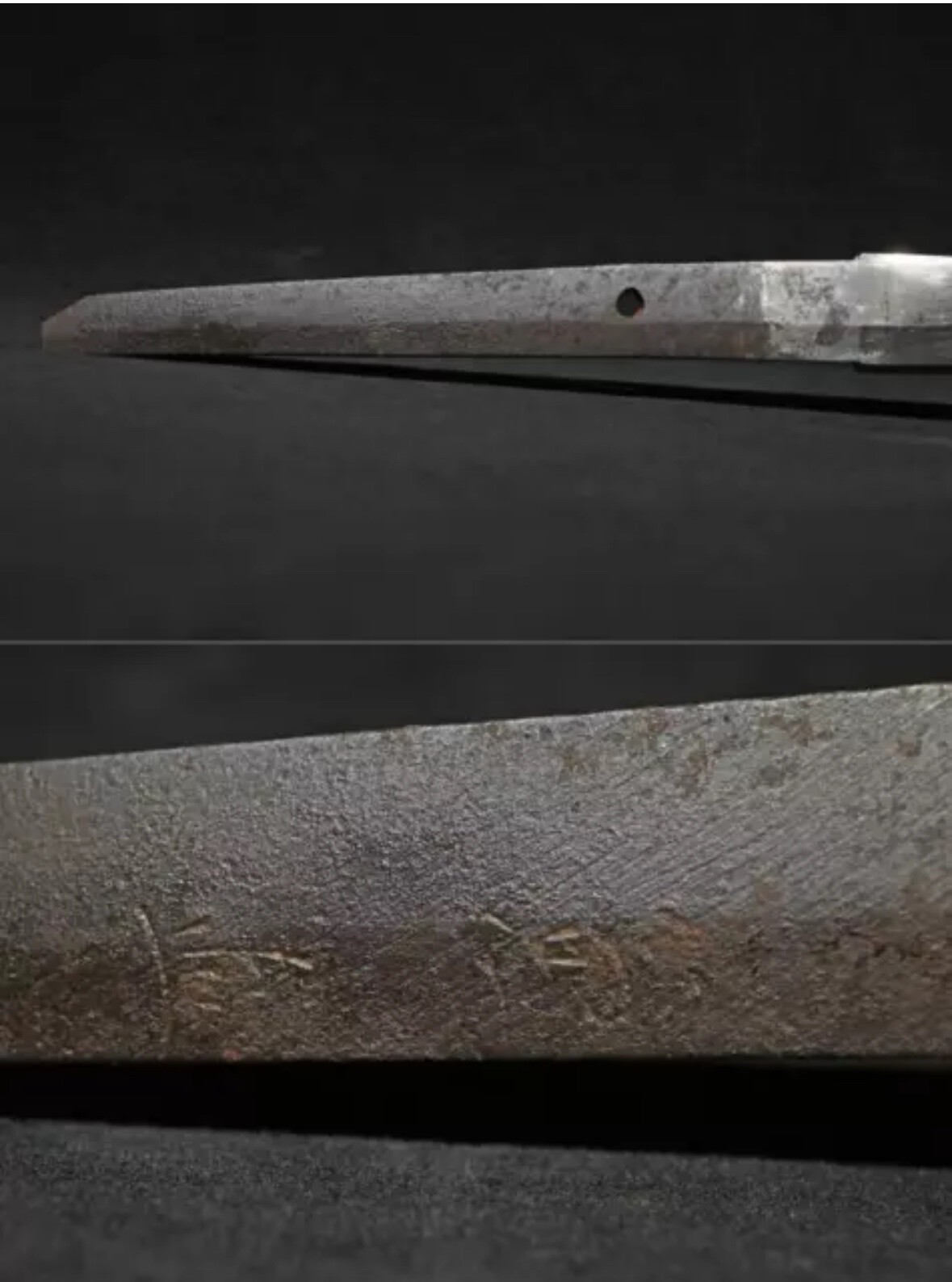
Here’s an additional picture that hopefully shows the Shinogi-ji down the length of the Nakago. (I think?)

-
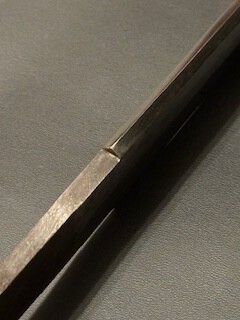
I would be quite surprised, are non-Japanese blades typically permitted to be in/sold-from Japan? Or do you think the export authorities missed this? Either way, here are some additional photos of what you requested - hopefully this background is dark enough:



-
No long commentary this time, would absolutely appreciate any thoughts you have on dating/attribution (I’ve done my own research, but frankly I better just defer to the experts) ————— Purchased a Nihontō on consignment, from Japan. I especially enjoy what appears to be the original koshirae, but I would love your opinion here too. Word of warning, the blade appears to have been polished multiple times, and the kissaki is chipped. Side note: I had such a hard time compressing the photos - the image quality (and thus size) was far too large…hopefully the quality turned out ok.


-
Robert, 100% on the rust - I see what you mean. It's interesting that you bring up the blades being polished when patina developed by likely Japanese owners - because one has to wonder - would it have been better to allow that patina to develop at the time, to limit the number of polishes a blade undergoes? It seems that over-polishing is also a limiting factor on artistic "worth" - so unless a blade is kept and cared for to prevent that aging patina, I suppose there's a question to be had which is the better "history" for a blade, rusted but available for restoration, or polished too much but not rusted? Again, this is all academic, as it depends on the individual's preference, I'm sure. -V
-
Hi Shugyosha/John, Not a ramble at all - honestly this whole thread is supposed to be a bit rambley. Thank you for offering your perspective! That makes a lot of sense to me, and you bring up a good point about the middle-ground calculus of interest vs. cost as well - I suppose from my point of view, many Nihonto are simply only inside of the range of price that requires me to save up for months and months (which I did do), haha; but it obviously makes sense. Also, more to the point of the thread, thank you for sharing how you personally decide and what you like/look for! -V
-
Kiita/Aaron, Thank you, and I apologize if this is a tired topic - I did do some due diligence to try and find this conversation before. I found a somewhat similar topic from almost 10 years ago, but my search could have been poor. You bring up very fair points, and things I hadn't considered (such as the "viewing quality" of the sword, which makes sense from an artistic perspective). Regarding the provability, you're absolutely right. From a personal perspective, I find the "gaps" or "potentials" in the history of a particular sword, or that such a blade may have been carried or owned by a "lower level" Samurai, to be where that interest lies; and those historical thought experiments to be interesting to ponder. It could have just as well been simply stored improperly or buried in a corner until discovered years and years later...You are absolutely correct in that I would be quite dubious of any Nihonto claiming serious parentage of high esteem - baring those with legitimate paperwork and lineage. I feel that, at least in the historical displays I have personally been to in Japan, curators seem to share your viewpoint - as I can't remember a single instance of a "worn" blade or koshirae being displayed as worth admiration or study. I believe I, personally, lay firmly on the side of historical appreciation - but I recognize that there is a certain tangible physicality to the artistic application of the object in front of you - rather than the gaps and assumptions necessary to place historical appreciation on a particular Nihonto. Where do you, in particular, lie on this sliding scale? How do you make your judgements personally? -V
-
Let me preface this by saying I know I'm in a community dedicated to preservation and study, so the level of acceptance to non-preserved material may not be high. In conversations with many of you fantastic professionals, I have noticed that among the collectors and academics, there seems to be a personal scale with which one decides whether the condition of a blade is "unfortunate" and almost apologetically worth less as a result. As someone that has come into this art from a historian's and martial artist's perspective (only to draw distinction from initially appreciating Nihonto as overt expressions of art, not to express I am particularly adept at either), I am not personally put off by the patina of "use"; but I found the perspective of collectors with a more mature "eye" than I very intriguing. I am surprised, I suppose, that the data around the historical circumstances of a blade in question, such as location of its creation in relation to particular conflicts or developments in history, appear to only be a minor supplement to the overall condition of the piece instead (unless of course, it was provably owned by a famous Daimyo, for example). I suspect, in my ignorance, that it is principally because the "approach" to Nihonto can come from two primary directions - that of a purely historical perspective, or that of an art-connoisseur/preservationist (I understand there might be degrees of in-between-ness here). The student of history may have a greater acceptance, or even desire for the patina of use, as it relates to Nihonto; or look for blades from certain areas or time periods in which they are specifically interested. Whereas the collector/preservationist may have a wider scope of acceptability for timeframe and circumstance but be far more concerned with whether the blade in question received its due respect and care; thus, be in far better condition. But, as I said, I am quite new to this community and practice of preservation, so I would like your perspective on the matter. To me personally, I would be more than happy to receive (and respectfully care for as custodian) a Nihonto that may be polished beyond acceptability or has unacceptable or fatal flaws in its construction...if it's more likely to have existed and/or been used/carried within the timeframe I am particularly interested in historically. I am curious if this is a unique or immature viewpoint, or if I am not as far away from the preservation and art community as I suspect I may be.
-
Thank you very much! I will be sure to examine this further when I receive the blade soon. From the initial pictures, it appears, in my very untrained eye, to have a Kashū nakago jiri, and Ō-sujikai yasurime (though I could be missing something). Thank you for educating me!
-
Absolutely agree - it’s out of polish with a chipped kassaki, but I think that gives it character.
-
Thank you very much sir! I did absolutely look at Kanenao, though the smith name has quite a date range. I will look again and do more research I will endeavor to provide better pictures once I receive the sword soon, if that would help - I understand the construction quality/style isn’t evident from these photos, but despite that, I really appreciate you taking a look!!
-
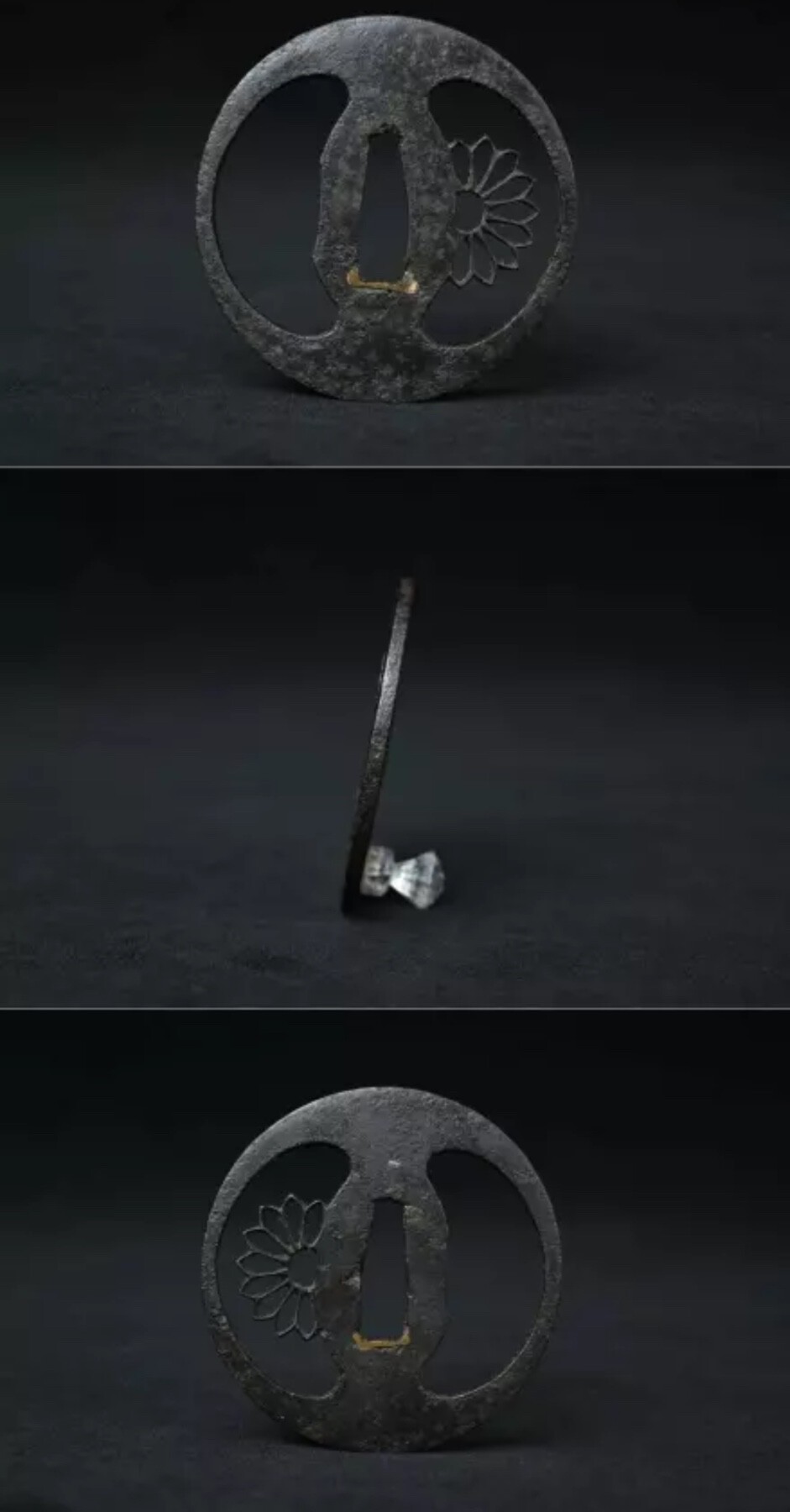
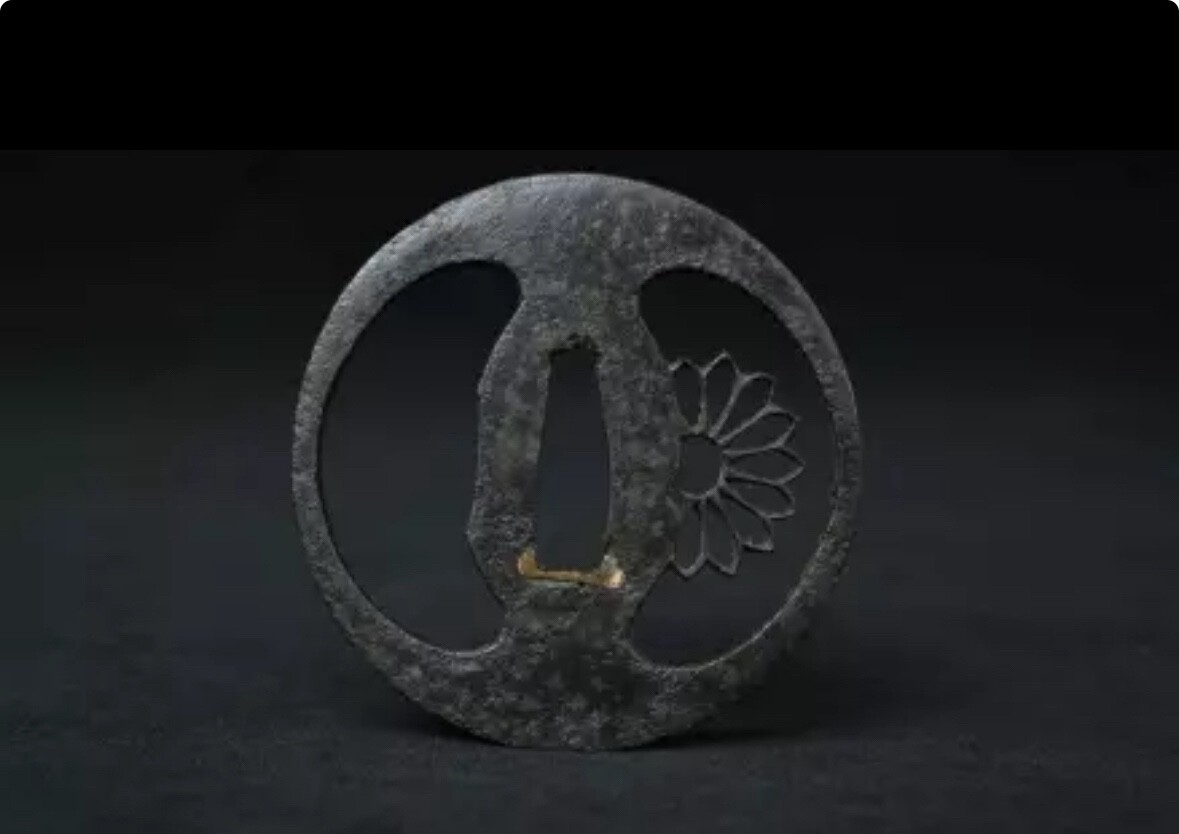
Hello everyone! A few months ago, I purchased a Nihontō in koshirae from a consignment sale in Japan (from a “go-between” dealer) and just received export approval from the Cultural Ministry. While I wait for it to arrive, I was hoping to find out a little more about the age and smith. I did try to do my own research before I purchased, feeling pretty confident it was indeed a Nihontō (aside from the fact that I was purchasing from Japan with papers…but you never know). Thanks to another member of the community, I was able to discover it had an nijimei of “兼直”. On the Nihontoclub website, I was able to find a few smiths using this name, but the dates are a bit all over the place. Im not expecting this blade to be from the 1400-1500s (despite being pretty out of polish), but it doesn’t seem like a 1935-1945 blade either…it’s missing a stamp (could be worn off?), and I haven’t seen many Showato with nijimei (though I am also very much a beginner). Also, I’m under the impression that Showato are more than likely not being sold IN Japan, even as exports, but I know that is debated. While the fittings may not be from this blade originally, maybe they’ll help date it? The tsuba looks Edo period based on the shape and style (chrysanthemum and heavily circular shape, but i could be wrong!)… I can take much better pictures when I receive it, but in the meantime, I’d love to get some thoughts here. Thanks!