


Lexvdjagt
-
Posts
218 -
Joined
-
Last visited
Content Type
Profiles
Forums
Events
Store
Downloads
Gallery
Everything posted by Lexvdjagt
-

Need help dating a rare blade and mountings | Niō Kiyotsuna
Lexvdjagt replied to GarnerWall's topic in Nihonto
Hello Garner, Welcome to the forum and thank you for sharing this blade with us. Some additional images would be great, particularly showing the overall shape of the blade, and some close ups of the hamachi would be great as well. I am overall quite skeptical of any story that is associated with a blade that currently has no paperwork to back the story up. I would not assume anything based on the story you were told about the blade. These types of stories are often included as a type of sales talk to sell a blade for more than it is worth in Japan. I do not think this blade is from the Kamakura period based on the images I have seen. I do get the indication that the blade could be gimei (based on the weakness of the signature combined with the mismatched registration papers). The blade was either shortened and had this mei added later, or is ubu/close to ubu with this signature. The koshirae seems to be a simple case of having this blade fitted to an already existing koshirae in modern times. This is done extremely often to sell blades to foreigners. I cannot speak to the age or type of fittings, as I do not believe I have the experience in that field. I believe you have a wakizashi from the Mid-late muromachi period based on the images I have seen. Which school or smith is very hard to judge based on the images. This is still an authentic Nihonto, and deserved the same attention. So take good care of it. And enjoy it! Greetings, Lex -
Buying opportunity Wakizashi Yoshimichi
Lexvdjagt replied to TraditionForever's topic in General Nihonto Related Discussion
Hello Thomas, Welcome to the forum. I will not speak to the authenticity of the signature of the blade, as my personal interest is in early koto blades. I will also only comment on the blade itself as I personally do not have much experience with fittings. I have found the for sale listing online of this particular blade, and personally would advise against purchasing it. This seller sells many Gimei blades or blades with untrustworthy papers. I would personally refrain from purchasing a blade like this without any papers. The seller states that having the blade papered would cost an additional 1500 USD, which is highly misleading and untrue. The blade has not been polished recently and has many scratches. The blade is overpriced in my opinion compared to the condition. You can easily get a beautiful blade at this price point from this forum, there are many stunning blades with papers in the for sale section (many with beautiful fittings as well). any questions are welcomed! Greetings, Lex -
This is, unfortunately, a fake sword, likely a cheap Chinese fake. Greetings, Lex
-
It could very well be that the gimei was added after the blade was shortened. But it would be a stretch to think that it is some kind of attribution, more likely a simple gimei to sell the blade for more.
-
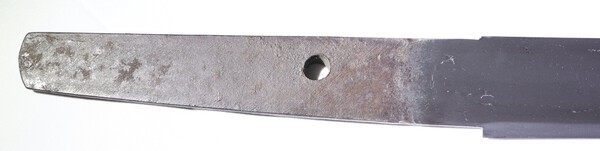
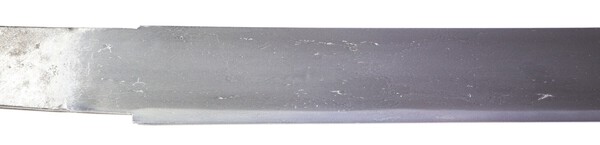
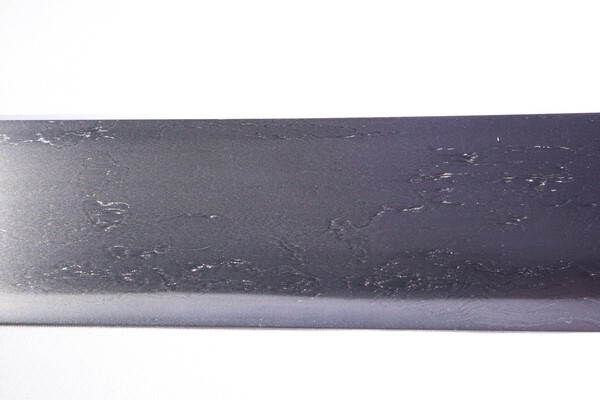
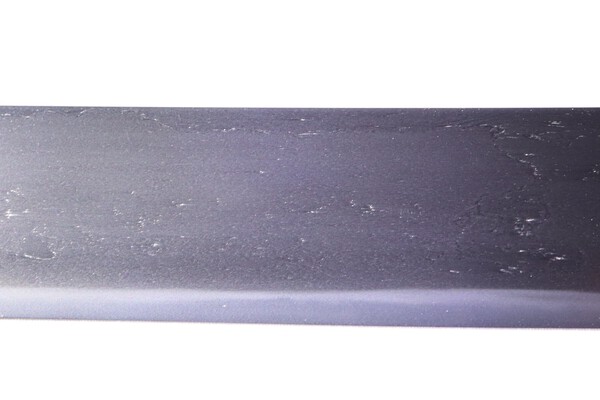
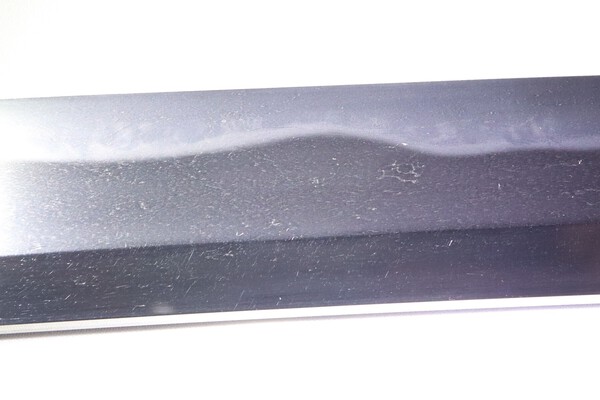
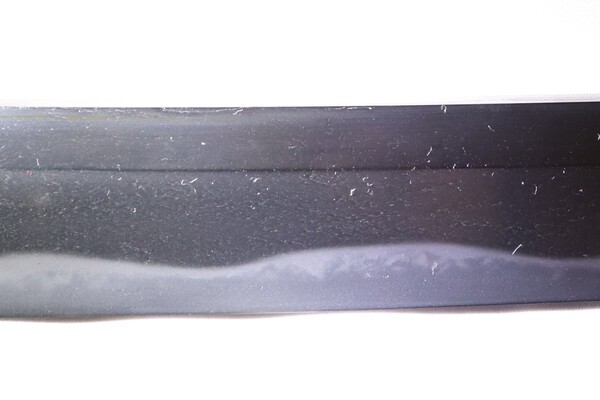
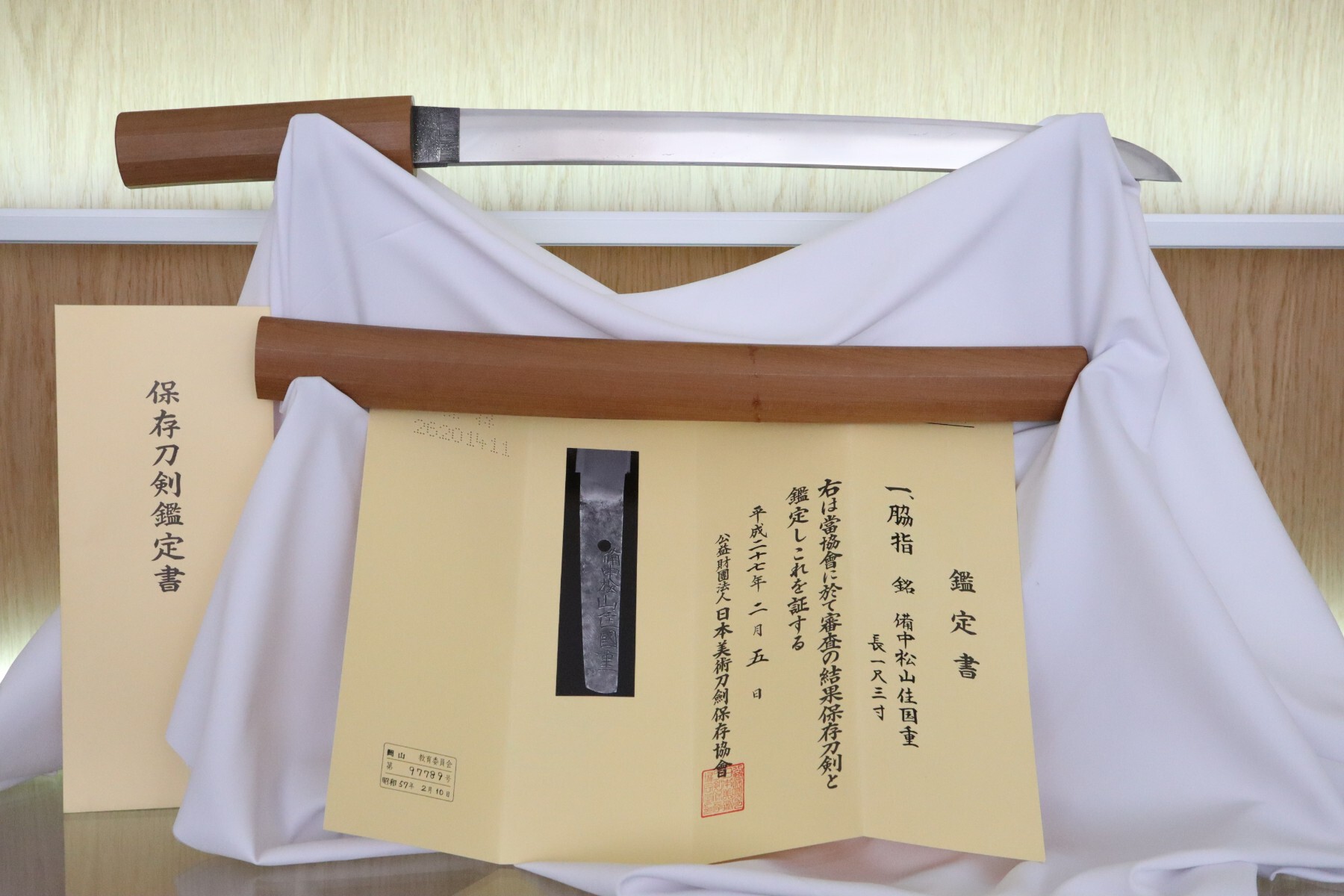
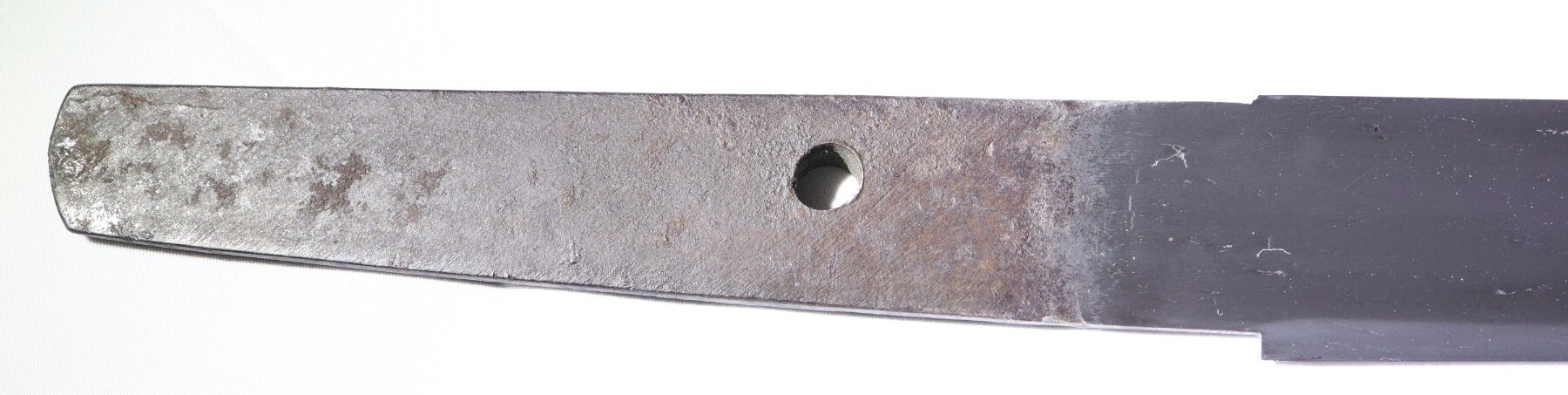
Signed Wakizashi – Bitchu Matsuyama-jū Kunishige NBTHK Hozon Certificate Early-mid edo period – Bitchu Province Specifications: 刃長 (Nagasa – Blade Length): 39.4 cm 反り (Sori – Curvature): 0.3 cm 元幅 (Motohaba – Width at Base): 3.00 cm 元重ね (Motokasane – Thickness at Base): 0.69 cm 目釘穴 (Mekugi-ana – Number of Peg Holes): 1 Description of the blade: A finely made mid-Edo period wakizashi signed by Bitchu Matsuyama-jū Kunishige, accompanied by an NBTHK Hozon paper. The blade is constructed in hira-zukuri with a standard iori-mune. The jigane is a tight ko-itame hada, subtly subdued, mixed with areas of flowing itame that stand out more strongly, covered by thick ji-nie. The hamon is a fine notare pattern, featuring a bright nioi-guchi with small nie, and areas showing a nijūba. The boshi flows in a notare-komi style, turning back with a slight hakikake. The nakago is ubu with a shallow kurijiri end and o-sujikai file marks. The sword comes fitted with a double-layered silver habaki and is polished, housed in a shirasaya. The blade displays some visible forging grain (kitae-ware) along the mune, but overall maintains a healthy structure and fine appearance, typical of the Mizuta Kunishige school working under the Bitchu Matsuyama tradition. See the images for a good impression of this wonderful Wakizashi, a sword bag is included in the sale. Price: €1300 Free shipping inside EU Shipping outside EU available for a small additional cost (€20–40) Shipped with UPS Express, fully insured to full value Located in the Netherlands – pickup possible Any questions are always welcome! There will be a donation made to NMB if the blade is sold through NMB.






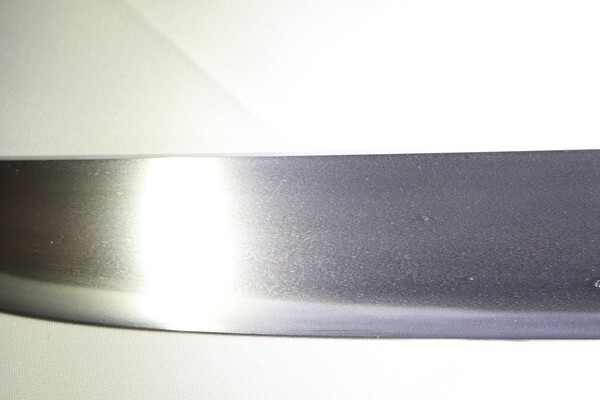
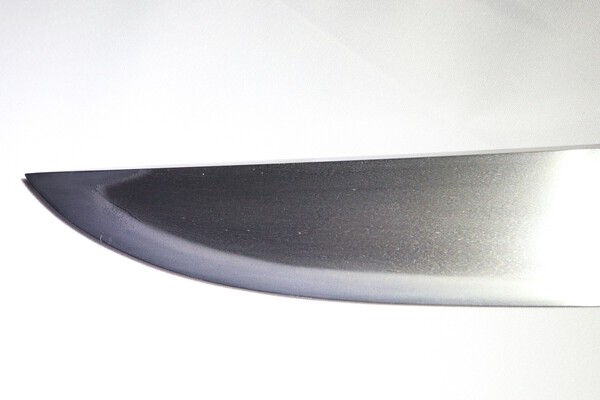
-
It's a beautiful source of information for new collectors, I like the deep dive into shinsa and the attribution of mumei blades.
-
On hold
-
Mumei O-suriage Katana NBTHK Hozon attributed to Daido
Lexvdjagt replied to Lexvdjagt's topic in Swords and Edged Weapons
SOLD -
Lowering the price on this blade to 2900 euros or 3000 USD (for buyers outside the EU) PS. All of my swords are sold through my company registered in The Netherlands. If you have any questions then please feel free to ask me.
-
Can you take some better pictures? Including pictures of the: Nakago Boshi Hamachi Some close-ups of the Hada etc. It is very hard to judge this blade based on the images given. You need to find a source of light and point it at an angle that does not immediately reflect off the surface. Greetings, Lex
-
Mumei O-suriage Katana NBTHK Hozon attributed to Daido
Lexvdjagt replied to Lexvdjagt's topic in Swords and Edged Weapons
ON HOLD -
Lowering price to 1300 euros
-
I forgot to add but this blade includes a sword bag as well as a copy of the Japanese registration paper.
-
I am open to offers on this Tanto
-
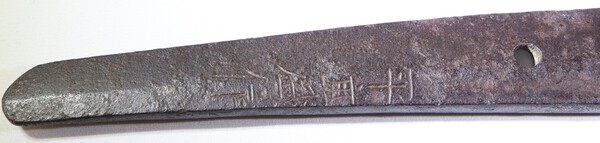
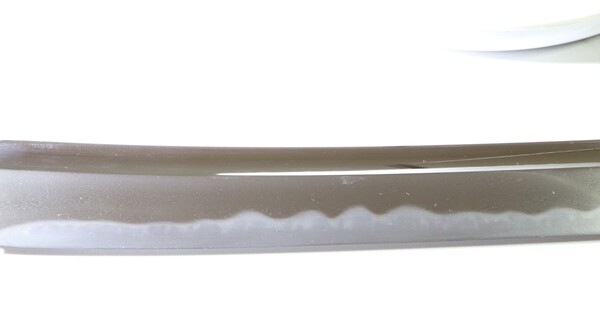
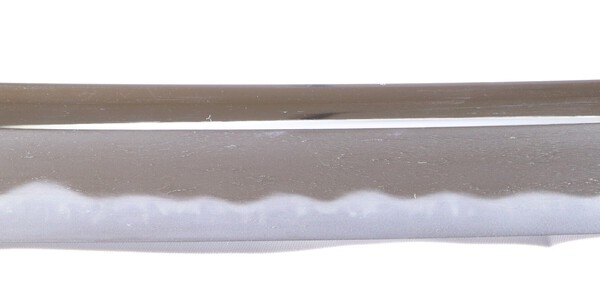
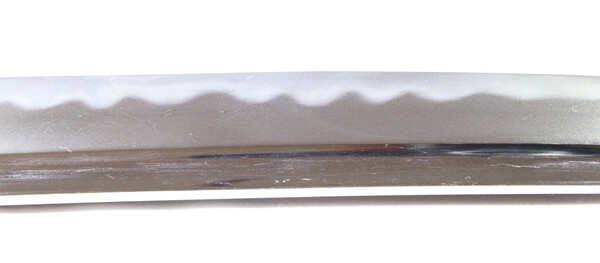
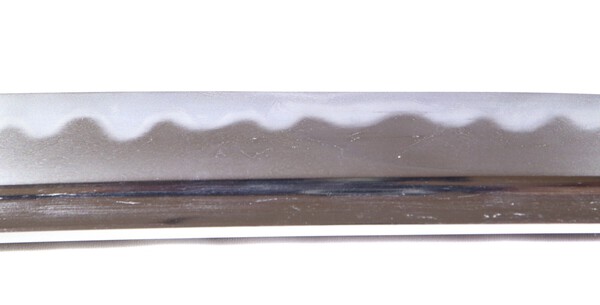
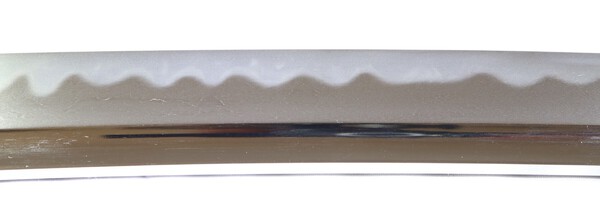
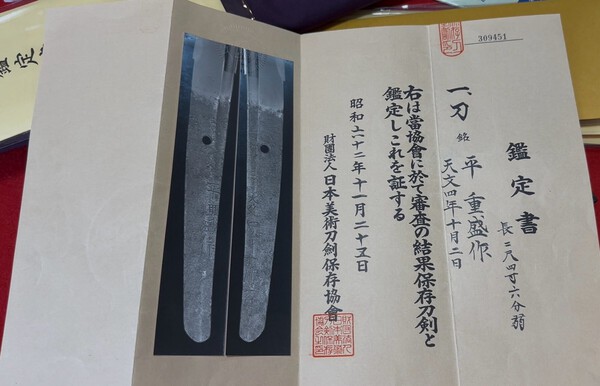
NBTHK Hozon Signed Katana Taira Shigemori dated 1535 2nd October 74,5 CM nagasa Late Muromachi Period – Bungo Province Dated: Tenbun 4, October 2 (1535) Specifications: 刃長 (Nagasa – Blade Length): 74.5 cm 反り (Sori – Curvature): 3.1 cm 元幅 (Motohaba – Width at Base): 2.94 cm 先幅 (Sakihaba – Width at Tip): 1.72 cm 元重ね (Motokasane – Thickness at Base): 0.76 cm 先重ね (Sakikasane – Thickness at Tip): 0.41 cm 目釘穴 (Mekugi-ana – Number of Peg Holes): 1 Blade Description: This signed katana by Taira Shigemori is a fine and rare example of Bungo craftsmanship from the late Muromachi period, bearing a clearly legible date of Tenbun 4 (1535) 2nd of October. Housed in a shirasaya and accompanied by an NBTHK Hozon Certificate. Forged in shinogi-zukuri style with a small kissaki, high shinogi, and low iori-mune, the blade displays a strong tachi-like style. Both the omote and ura sides feature a bo-hi that continues into the tang. The jigane is a tight ko-itame mixed with ko-mokume, with sections showing flowing patterns and standing grain. Ji-nie appears thick across the blade, with active chikei and faint utsuri. The jigane is in general in good condition. The hamon is based in gunome-midare, incorporating ko-midare and ko-choji, with a slightly subdued but clean nioiguchi lined with fine ko-nie. Inside the hamon are clear ashi and yo. The bōshi is of notare-komi style, ending in an o-maru turn-back. The boshi is a little faint and hard to photograph. The nakago remains ubu, with a kurijiri and sujikai yasurime. It is signed and dated. The blade is fitted with a silver habaki and has undergone professional polishing, with a few scratches as can be seen in the images. This blade has a significant 3.1 cm sori, which gives it a beautiful appearance. The blade is generally in good condition, with only a few flaws which can all be seen on the images. Including a Homare-Kizu on the mune, as seen on the images. Homare Kizu is evidence that this blade was stuck by a different blade/object which caused the indent. Some images may show some reflections or dust particles, please keep this in mind while looking at the images. Price: €3000 or $3200 USD Free shipping within the EU International shipping available (extra charge: €20–40) Shipped via UPS Express, fully insured Located in the Netherlands – Pickup possible A donation will be made to NMB if it is sold through NMB Payment Methods: Bank transfer preferred. Other major payment methods accepted. Please contact via PM to arrange details.
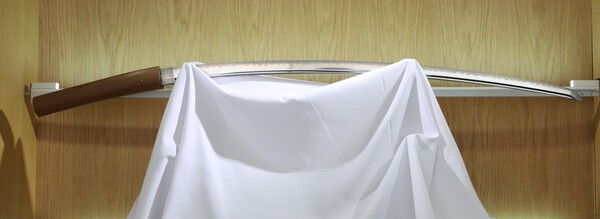


.thumb.jpeg.861ad8c5230030cfbd1656d6249f7d86.jpeg)

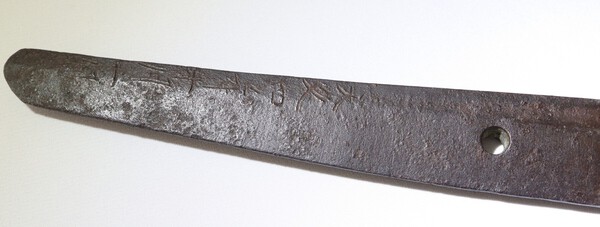







.jpeg.83fa880e9e06322de8ee1e9765de0dd9.jpeg)
-
Price lowered to 2800 EUR
-
Mumei O-suriage Katana NBTHK Hozon attributed to Daido
Lexvdjagt replied to Lexvdjagt's topic in Swords and Edged Weapons
Price lowered to 2400 euros -
Lowering price to 1400 euros
-
Mumei O-suriage Katana NBTHK Hozon attributed to Daido
Lexvdjagt replied to Lexvdjagt's topic in Swords and Edged Weapons
Price lowered to 2600 euros -
Price lowered to 3000 EUR
-
Apologies for being off-topic as well. But this could possibly be the same smith. Although the Katana I posted is signed and dated 1535, which might indicate it to be possibly a later generation. But still thank you Sam for the input!
-
I encountered a similar case of a seemingly unlisted smith who still received Hozon papers. The smith their name is Taira Shigemori but I have not been able to find any trace of him or his signature. The Hozon papers are older, which might have something to do with it. But he was not listed in any major Taira Takada books.
-
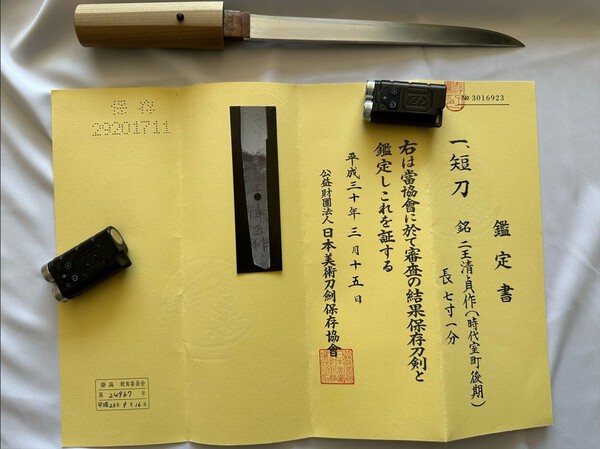
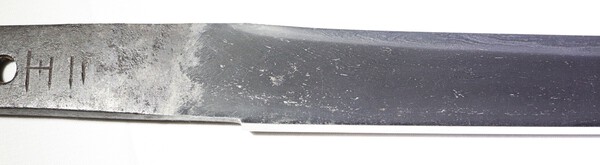
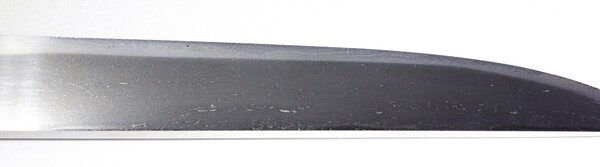
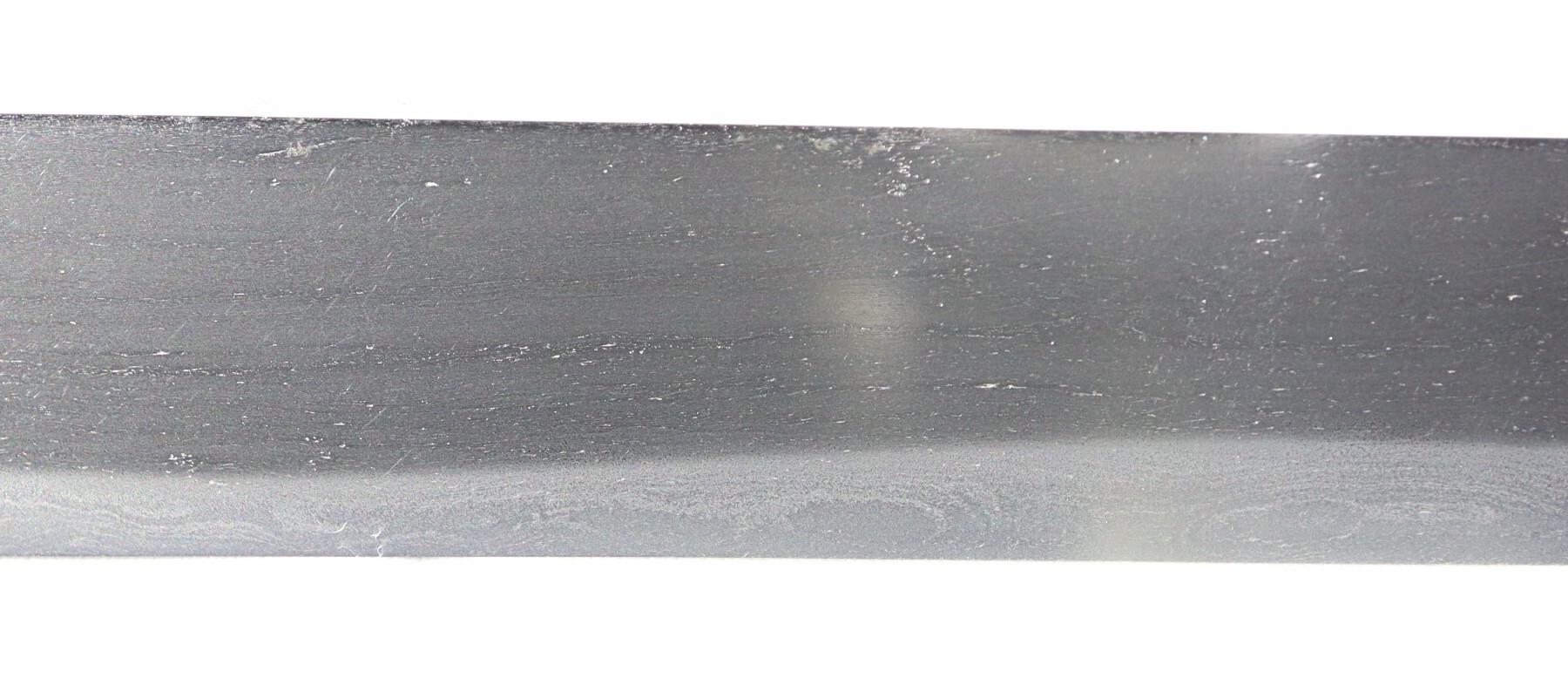
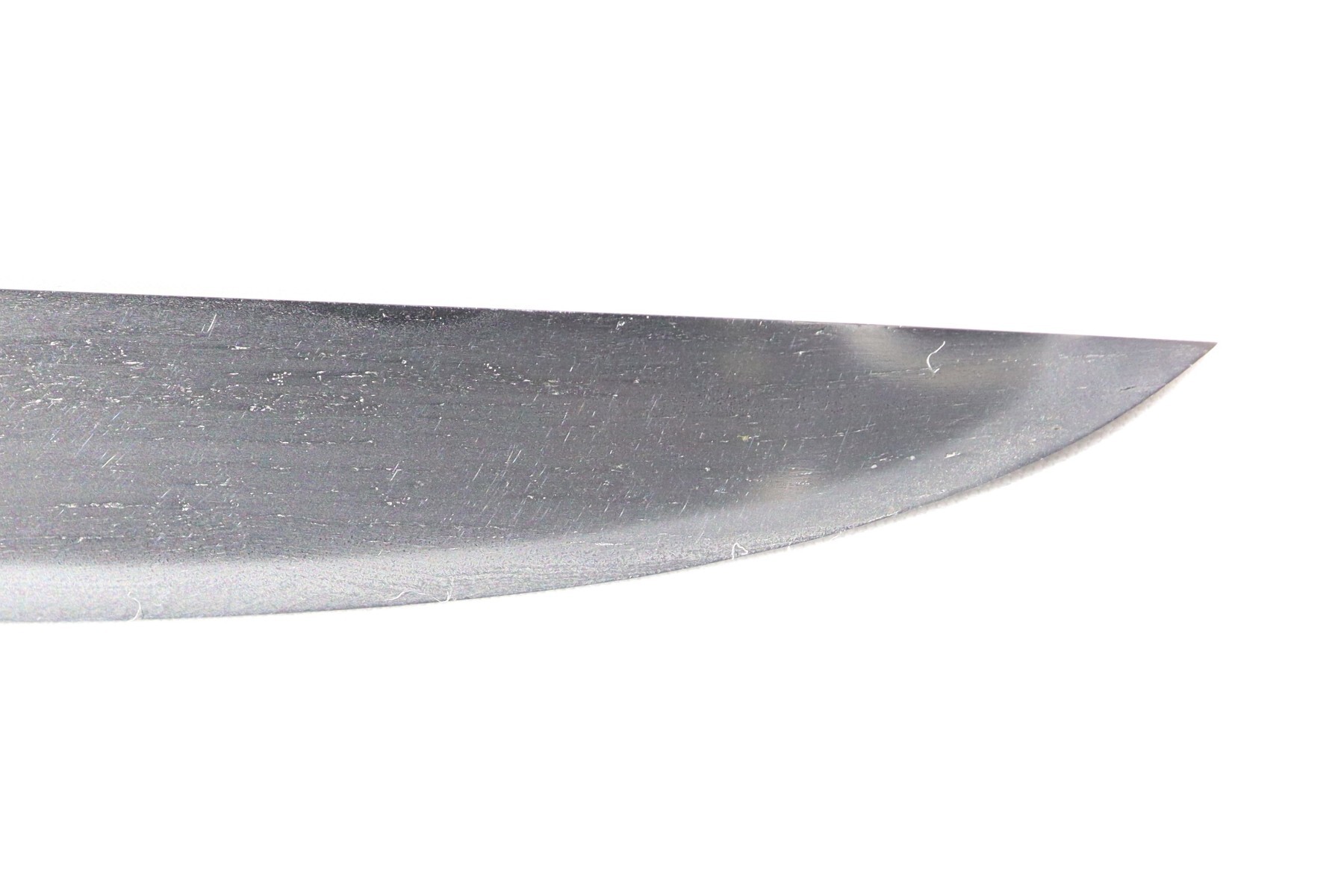
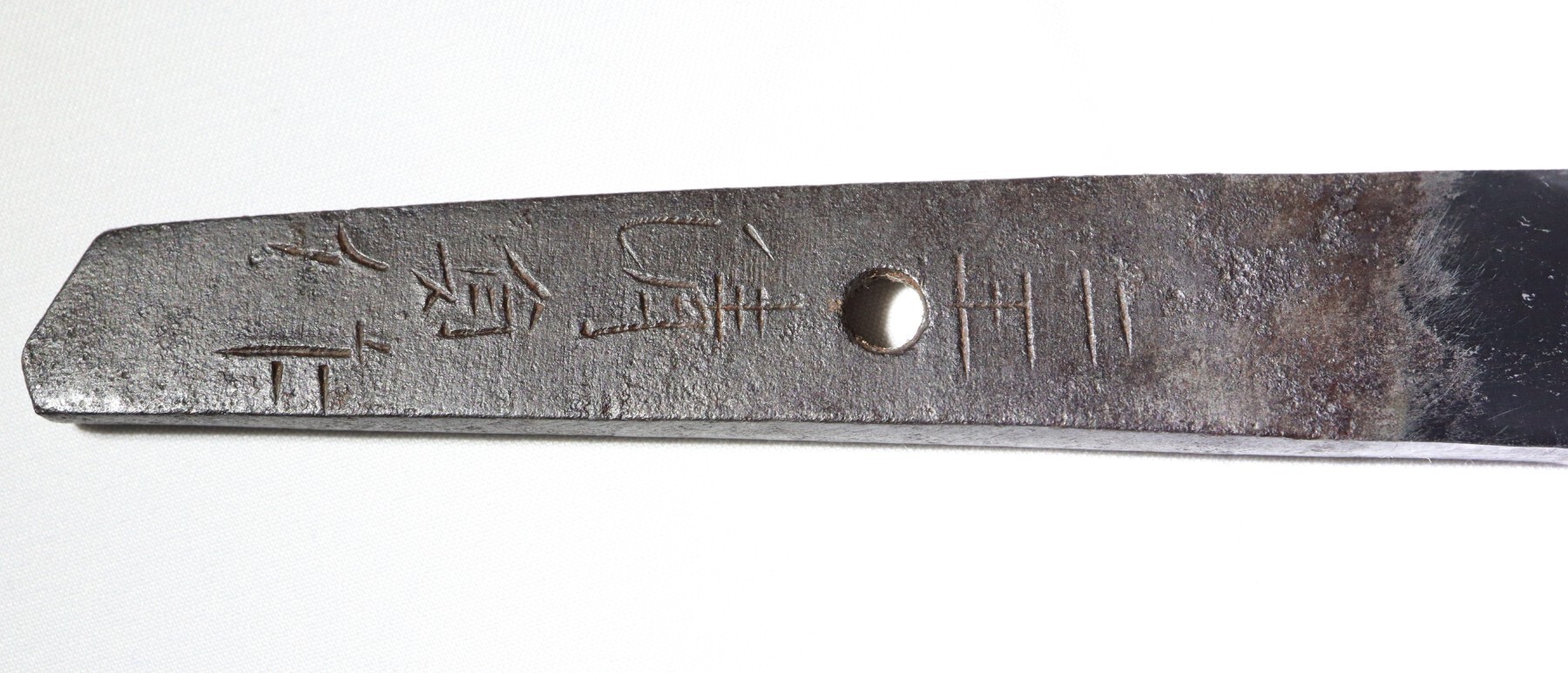
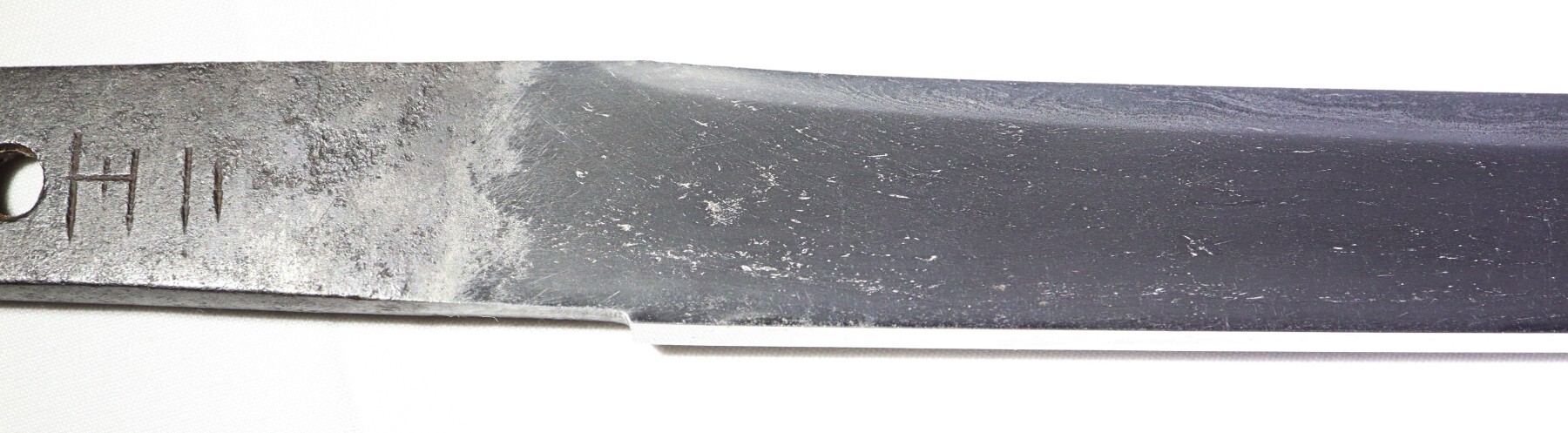
NBTHK Hozon Tanto signed Nio Kiyosada Late Muromachi period Specifications: Blade Length: 21.5 cm 7 sun 1 bu Curvature: Slight inward curve Width at Base: 1.99 cm Thickness at Base: 0.51 cm Number of Mekugi-Ana: 1 Hira-zukuri Blade Description: A nice tanto signed Nio Kiyosada, presented in shirasaya with an NBTHK Hozon Certificate. The jigane features a tightly mixed mostly itame hada pattern. The Hamon is a gentle notare , and has some nice activity included inside of the Hamon. The nakago is ubu. The blade is fitted with a copper habaki. This tantō is in nice polished condition, with only a few minor flaws, these are all visible on the images. This is a signed work by Nio Kiyosada, a smith from Suo Province. The accompanying NBTHK Hozon certificate dates the blade to the late Muromachi period. The blade remains healthy, and the nakago retains its well-preserved signature, which is clearly legible. The sale includes a sword bag and a copy of the Japanese registration paper as well. Price: €1500 Euro or $1600 USD A portion of the sale will be donated to NMB if it is sold on NMB. Free shipping within the EU International shipping available (extra charge: €20–40) UPS Express insured shipping Located in the Netherlands – Pickup available Payment Methods: Various payment methods are accepted, with bank transfer preferred. Please contact via PM to discuss payment options.
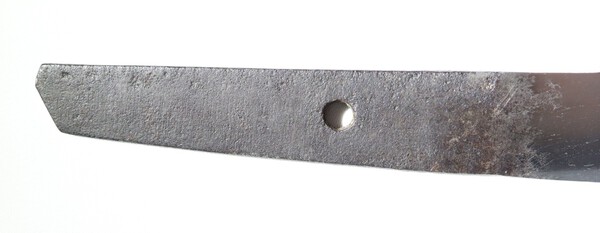
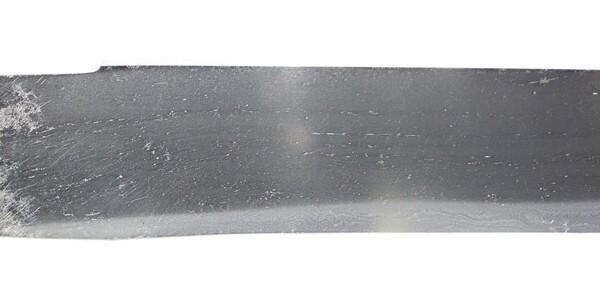
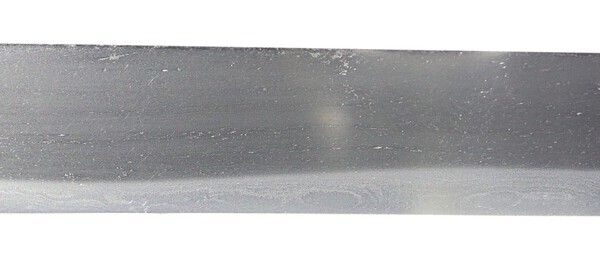
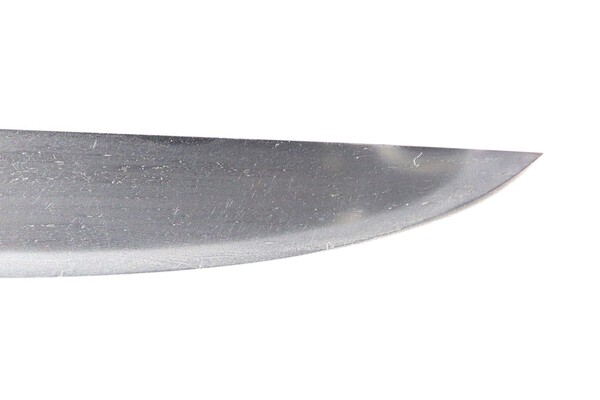




-
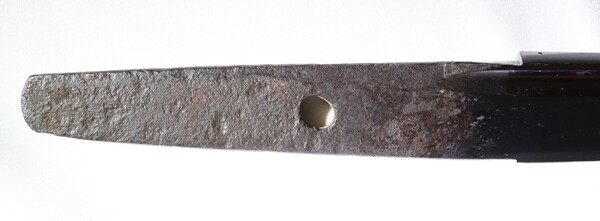
Kamakura Fumei NBTHK Tokubetsu Hozon Tanto Attributed to Ryo Hisanobu with Koshirae Specifications: Blade Length (Nagasa): 25.0 cm (8 sun 3 bu) Curvature (Sori): Slight inward curve Width at Base (Motohaba): 2.10 cm Thickness at Base (Motokasane): 0.64 cm Number of Mekugi-Ana (Rivet Holes): 1 Kanmuri otoshi-zukuri shape A remarkable Yamashiro Kamakura-period Tanto attributed to Ryo Hisanobu thought to be the son of Ryokai. Said to be active around Kagen Jidai (1303-1306), in shirasaya with a modern Koshirae (Showa). with an NBTHK Tokubetsu Hozon Certificate. The tanto is Fumei, which translates to "Signature Illegible". The jigane is a finely forged combination of ko-itame mixed with itame hada and nagare-hada. The hamon is a suguha Hamon. The boshi is yakitsume. The nakago is ubu. The blade is accompanied by a copper habaki with a shakudō (gold foiled) covering. The tanto has been polished many times in the past, and has a few imperfections including most notably a hagamari flaw near the nakago. This flaw can be seen on the photo of the tanto on the NBTHK paper as well. So it passed Tokubetsu Hozon with this flaw. Other flaws are general wear, all flaws are visible on the images. The koshirae is modern and features many Omodaka Kamon on the saya and on the menuki. See the images to judge the koshirae for yourself as I do not have much knowledge about koshirae. The shirasaya fits loosely on the tanto and can slide off a little too easily. The sale includes two sword bags and a copy of the Japanese registration paper as well. A very similar tanto was sold at Bonhams in 2007, with the same attribution. Interesting for research. https://www.bonhams.com/auction/15678/lot/236/a-yamashiro-tanto-attributed-to-ryo-hisanobu-nanbokucho-period-14th15th-century/ Price: SOLD A portion of the sale will be donated to NMB if it is sold on NMB. Free shipping within the EU International shipping available (extra charge: €20–40) UPS Express insured shipping Located in the Netherlands – Pickup available Payment Methods: Various payment methods are accepted, with bank transfer preferred. Please contact via PM to discuss payment options.




.thumb.jpeg.e4fdd99162e6a876d88e3f171d23916f.jpeg)
.thumb.jpeg.5b96116e115428487ddd4dd079682f93.jpeg)
-
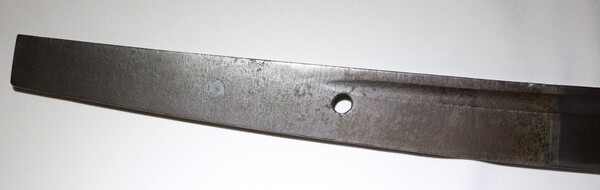
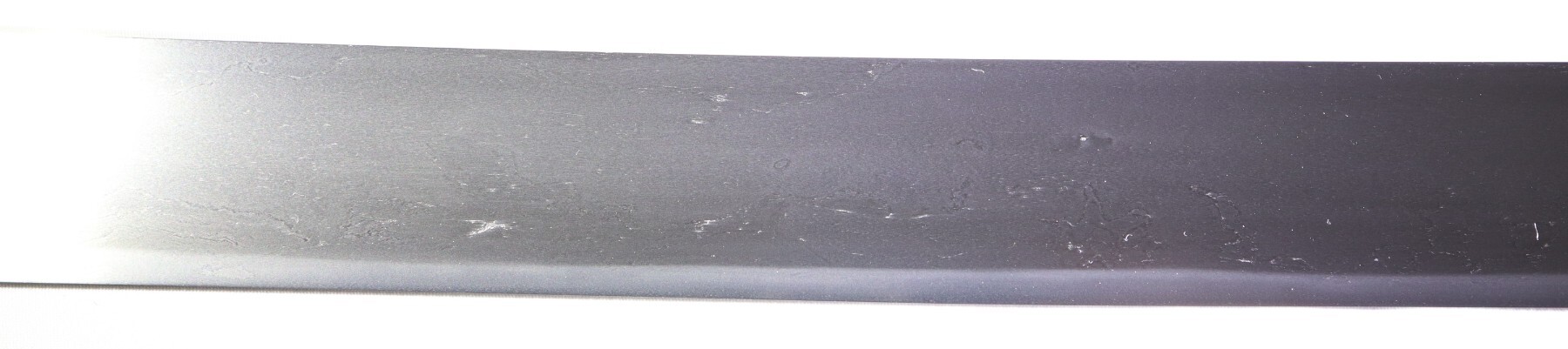
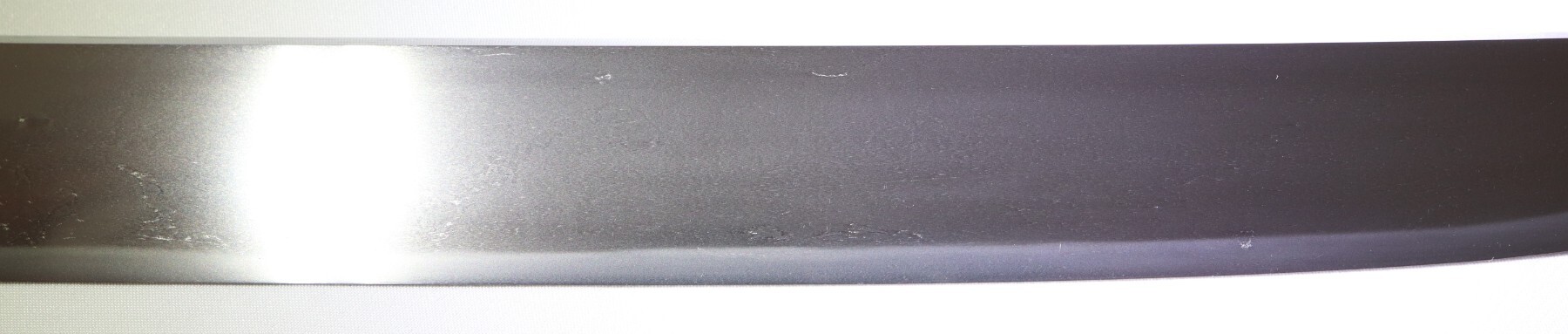
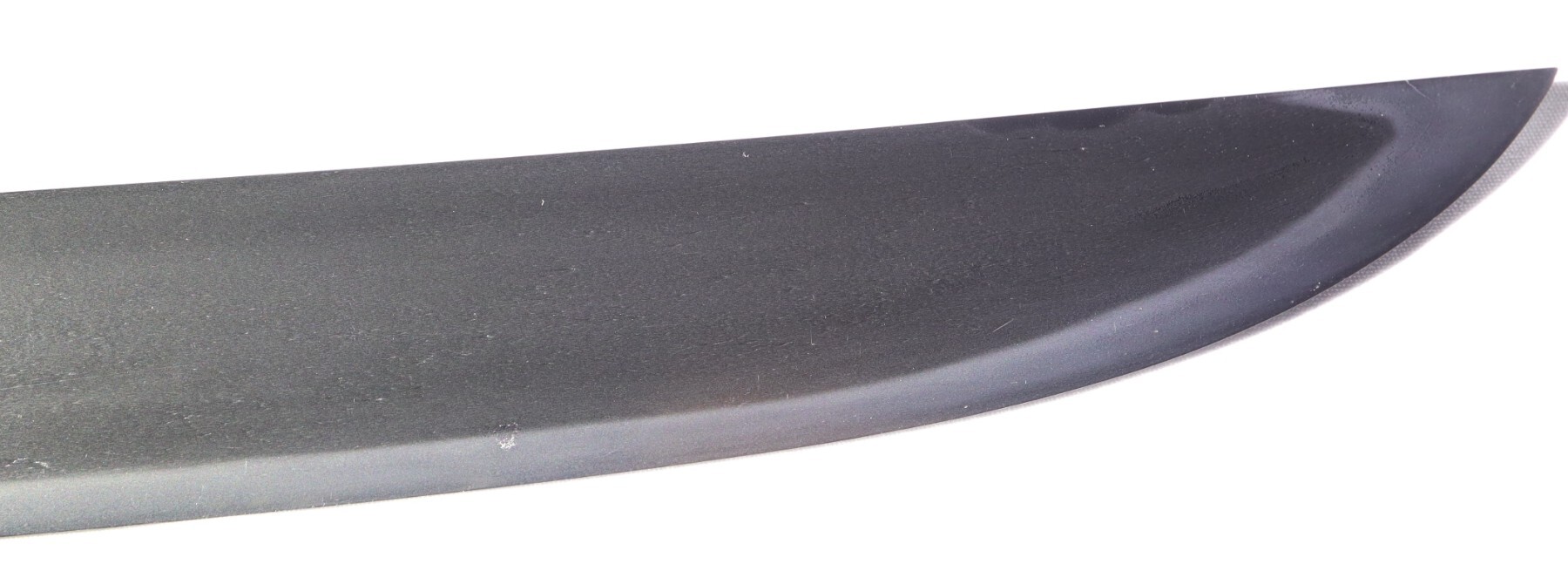
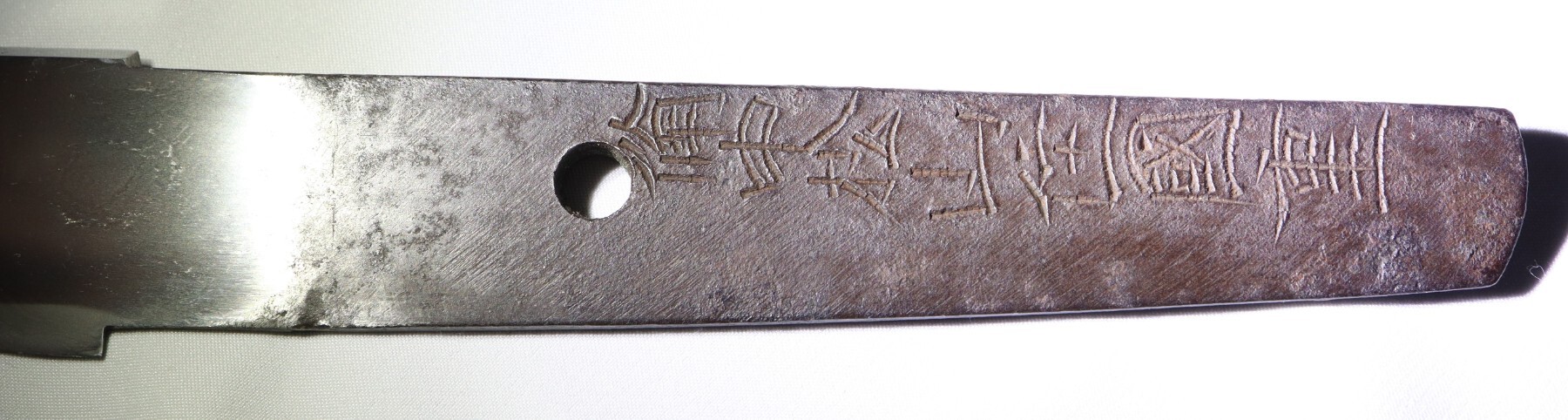
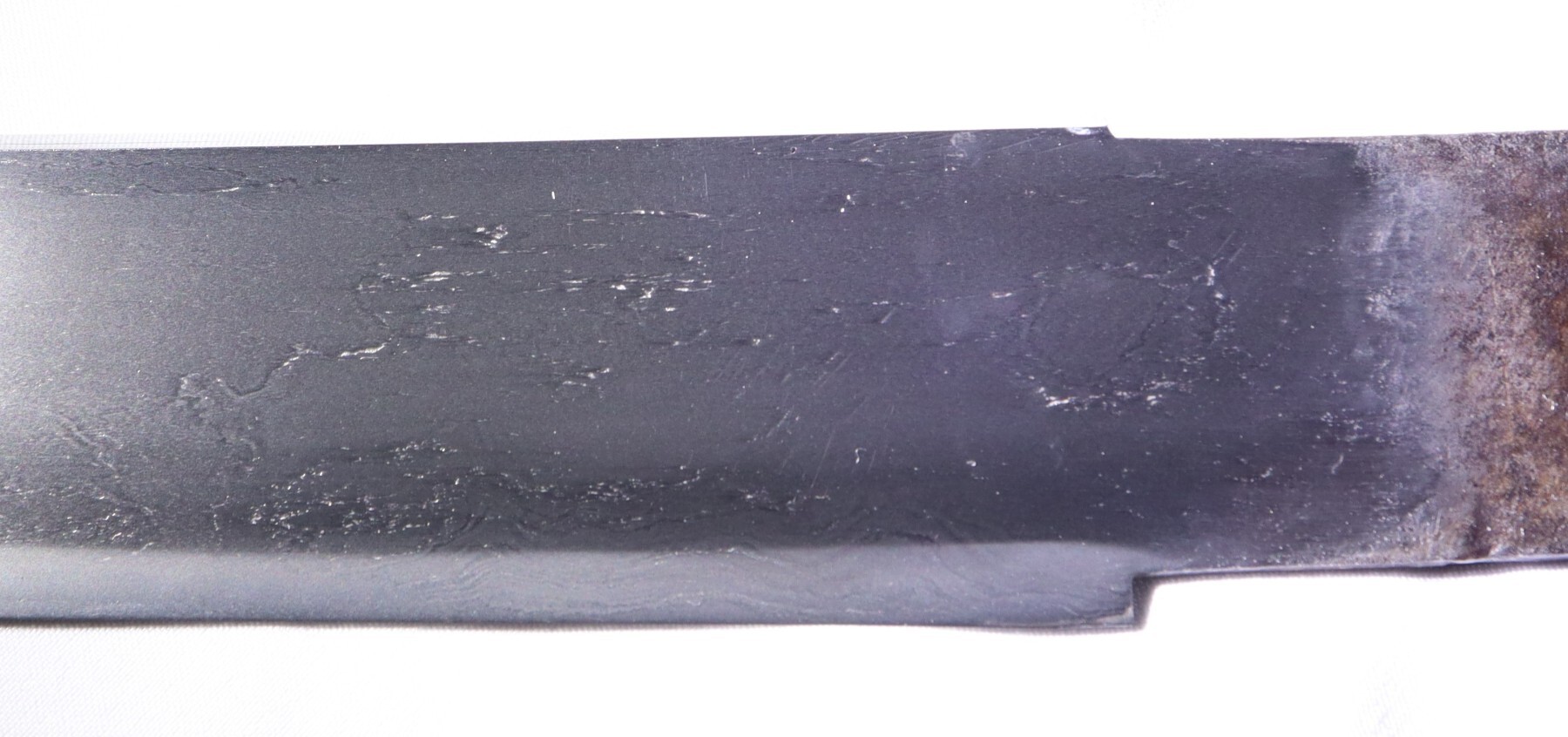
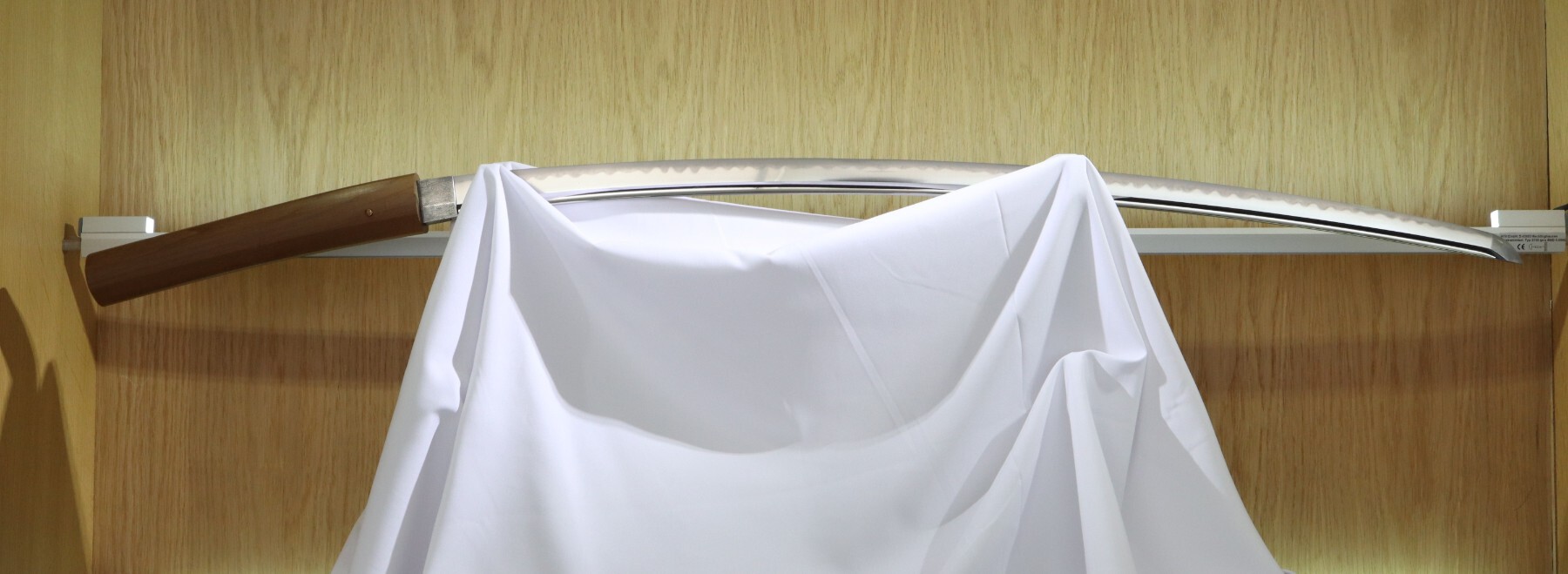
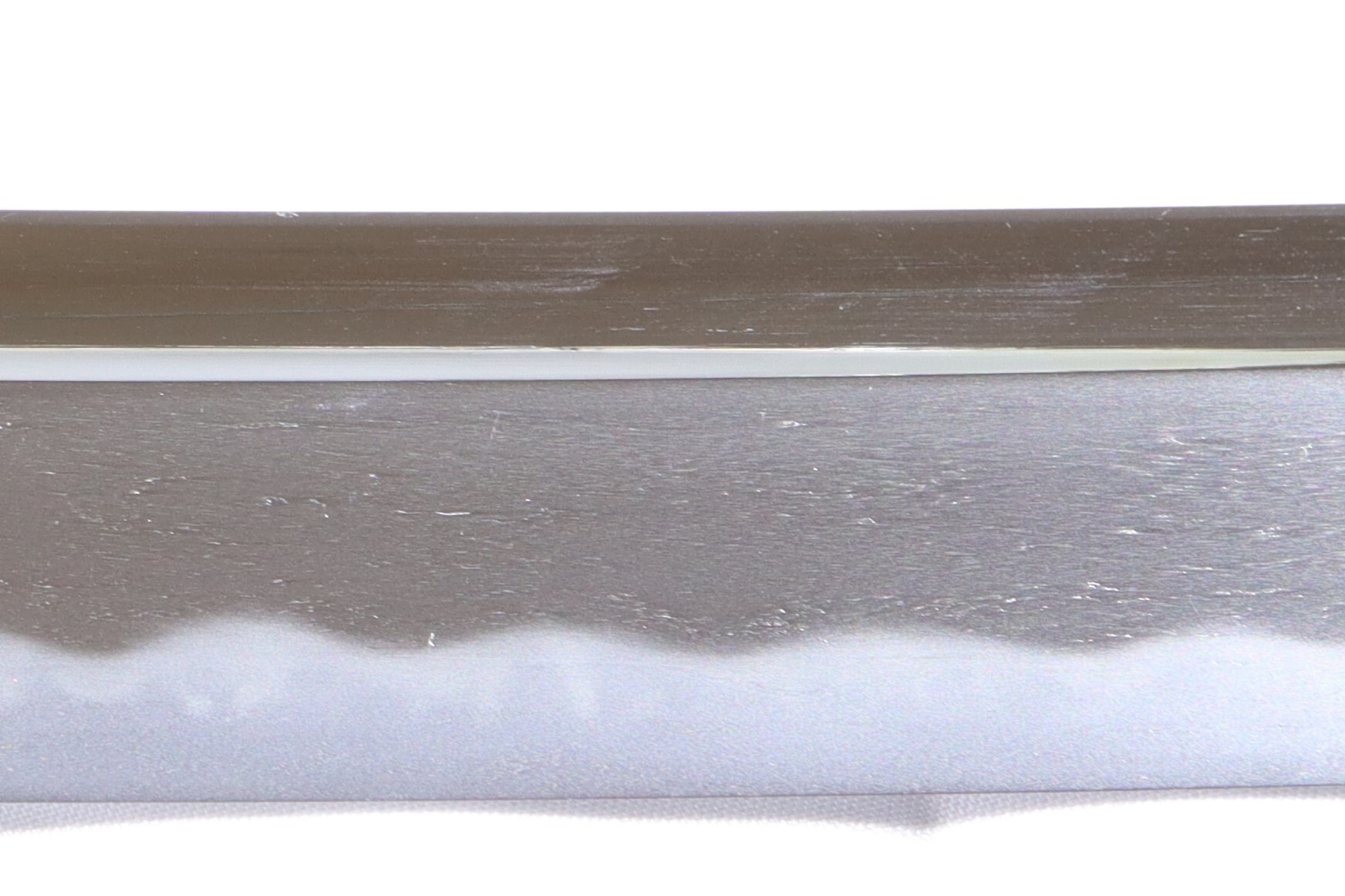
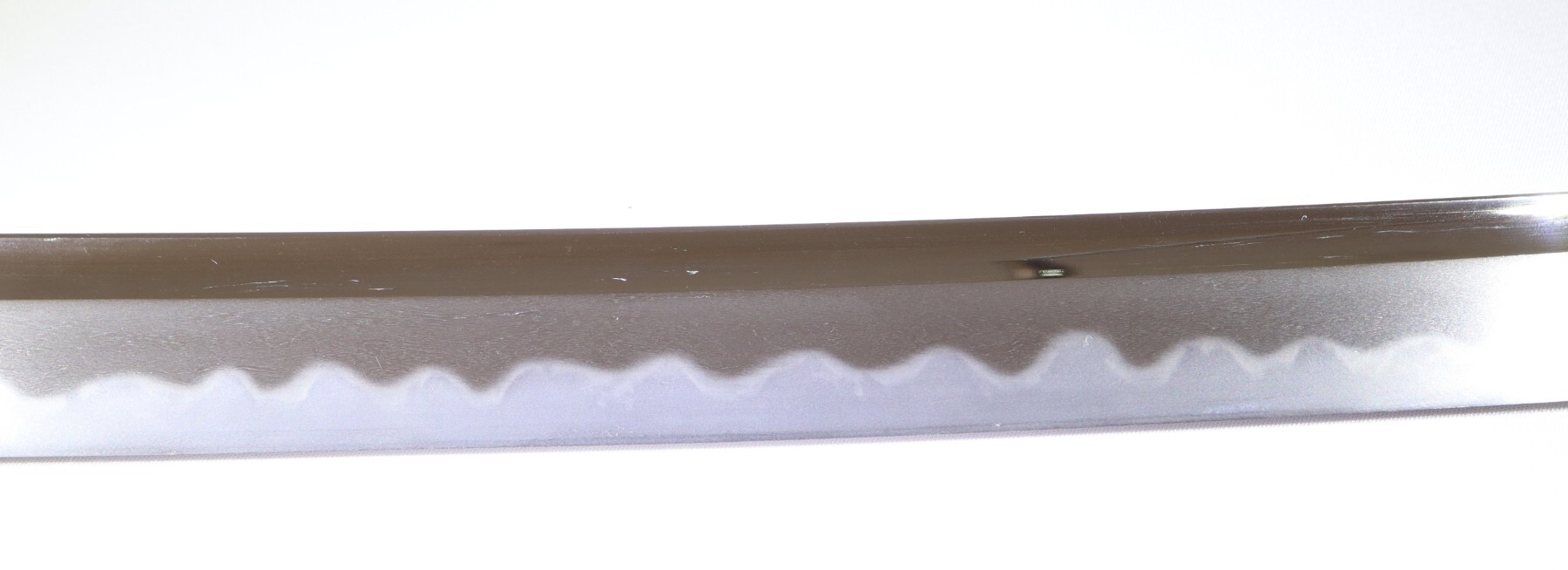
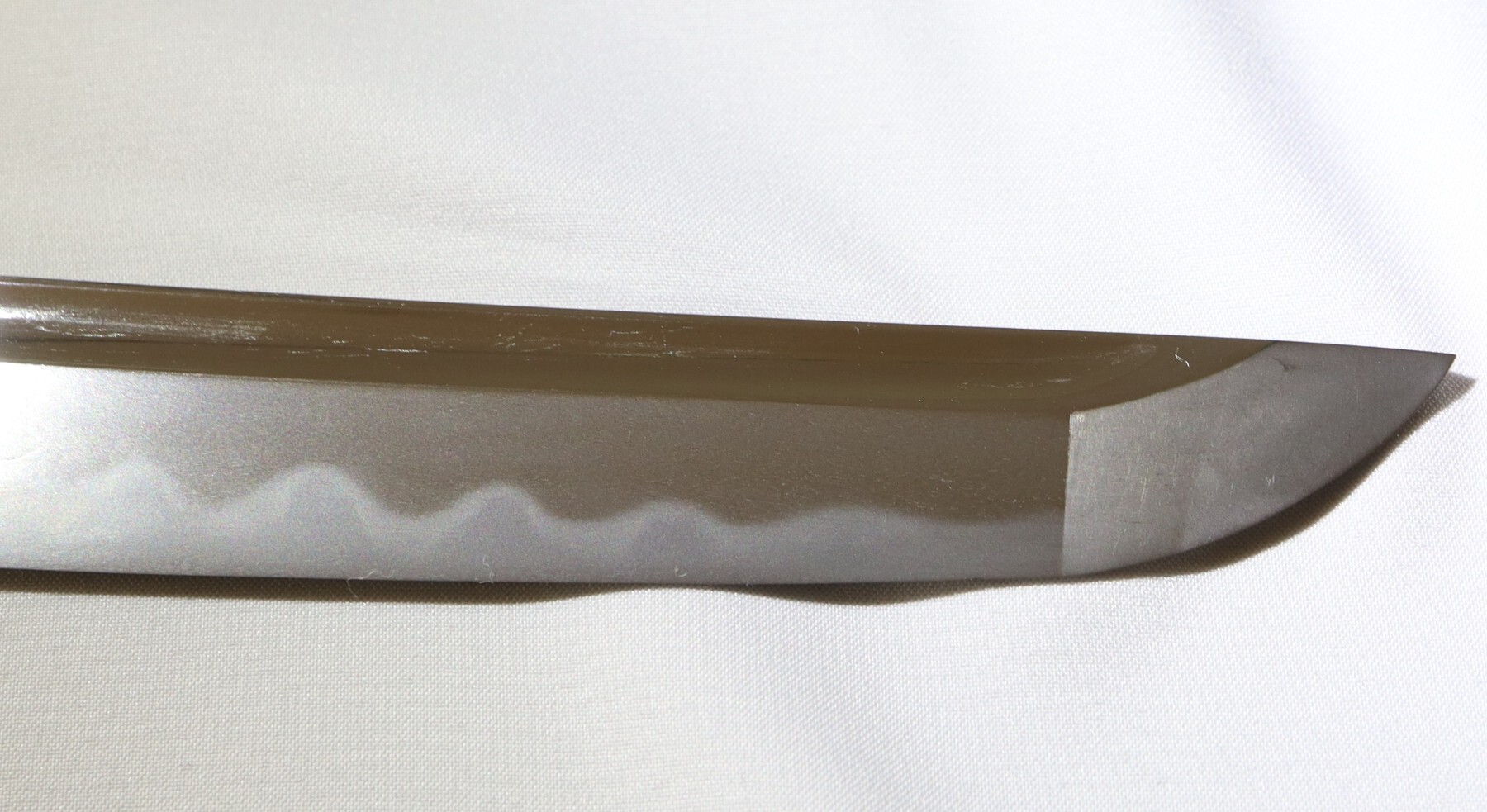
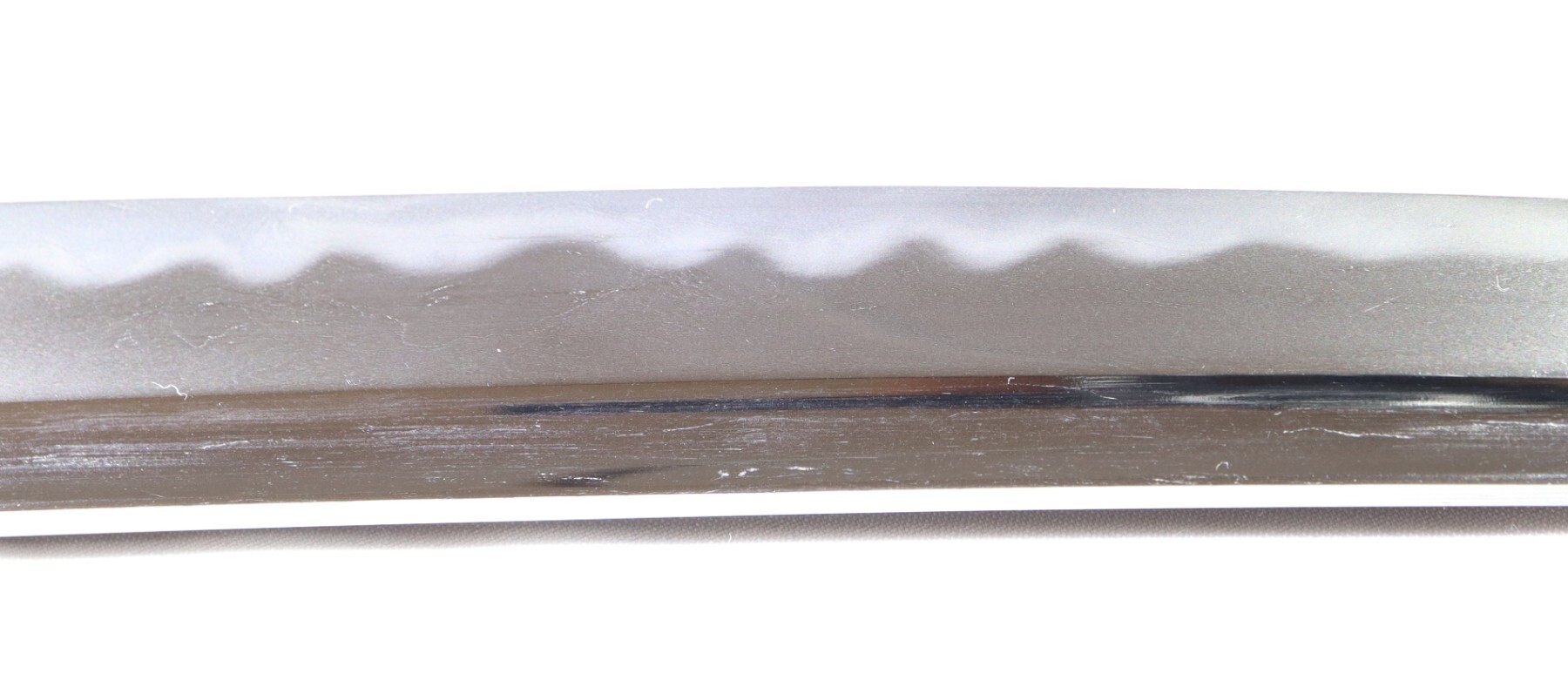
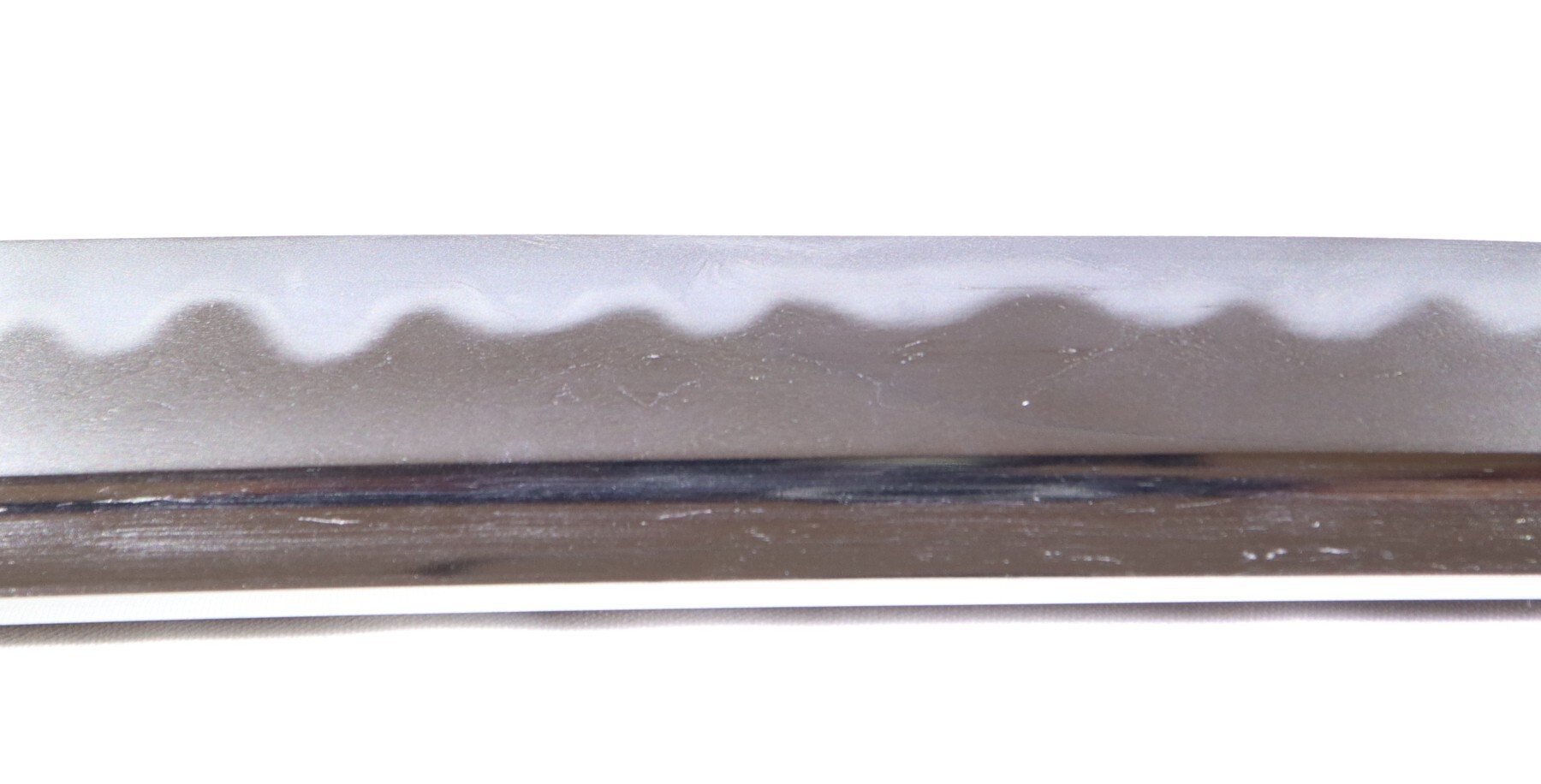
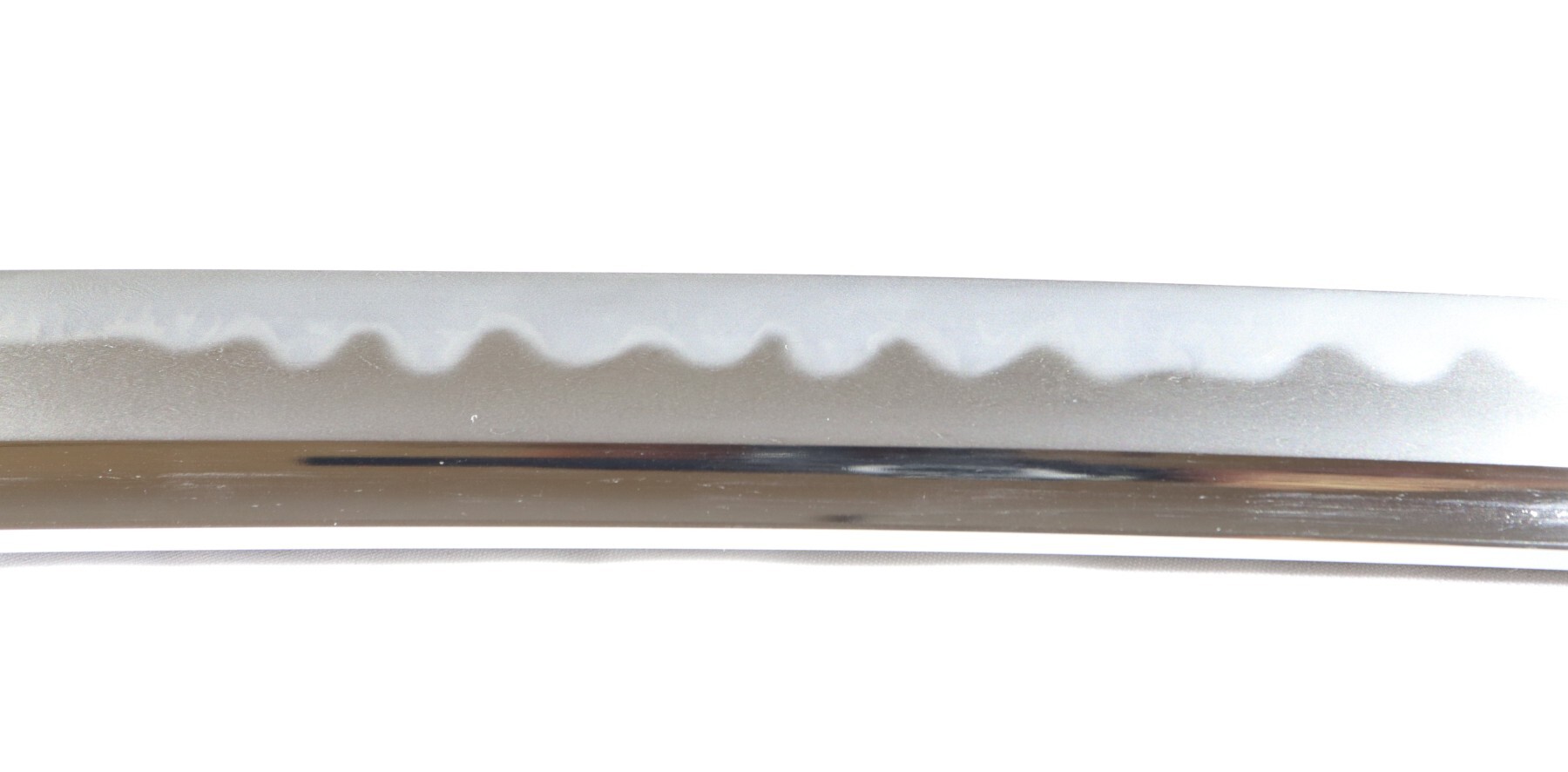
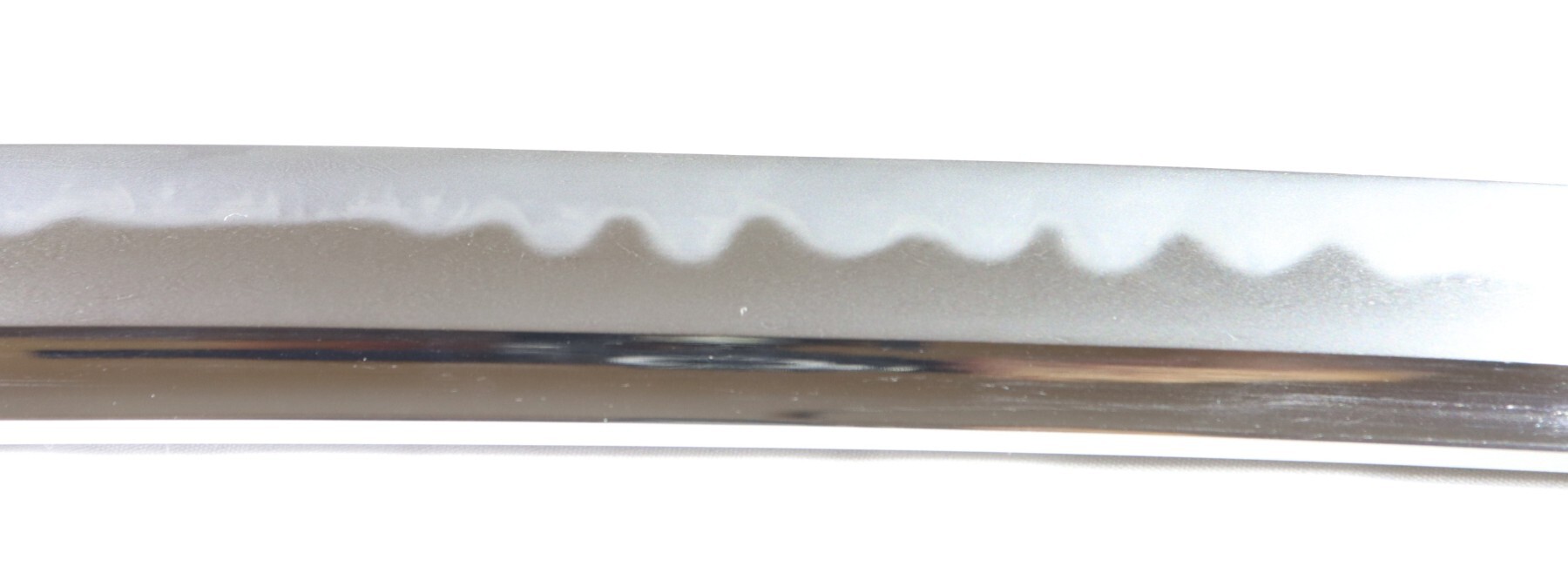
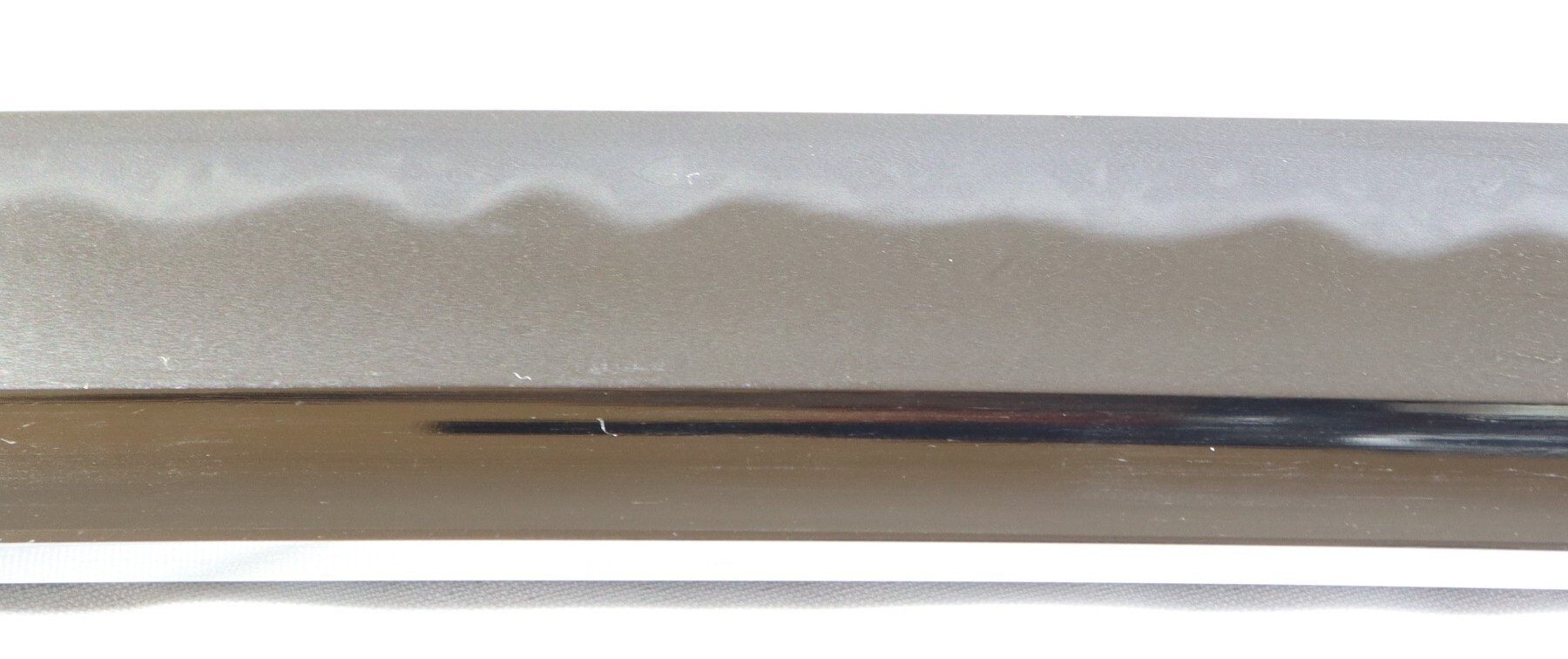
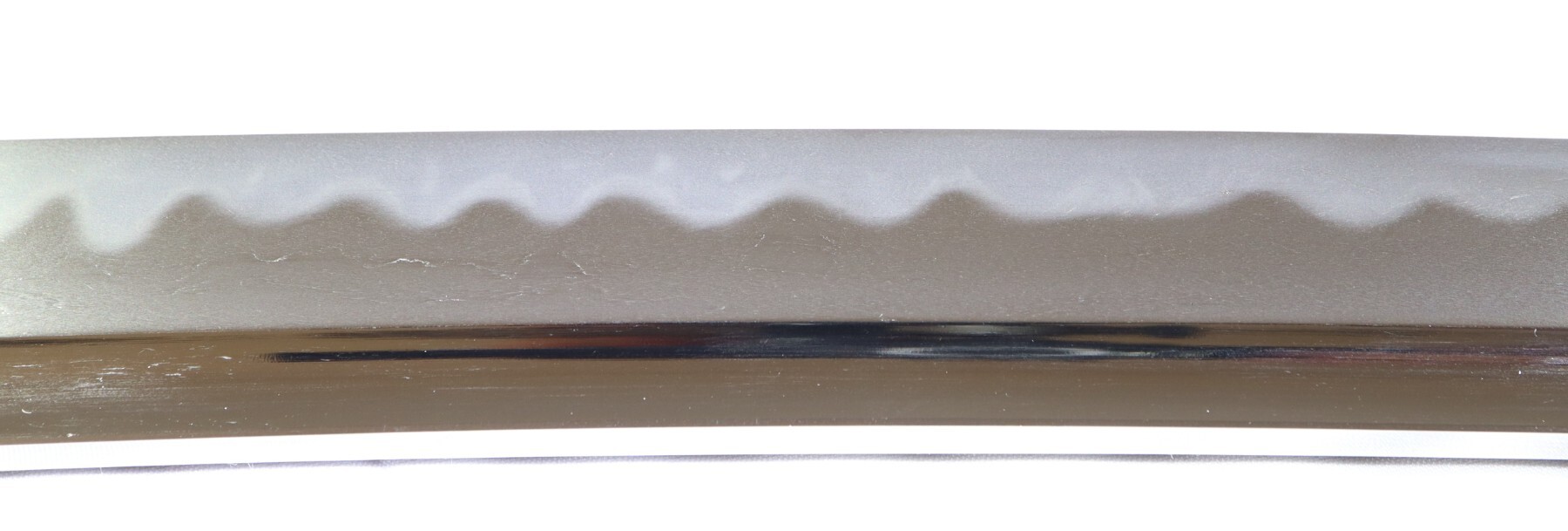
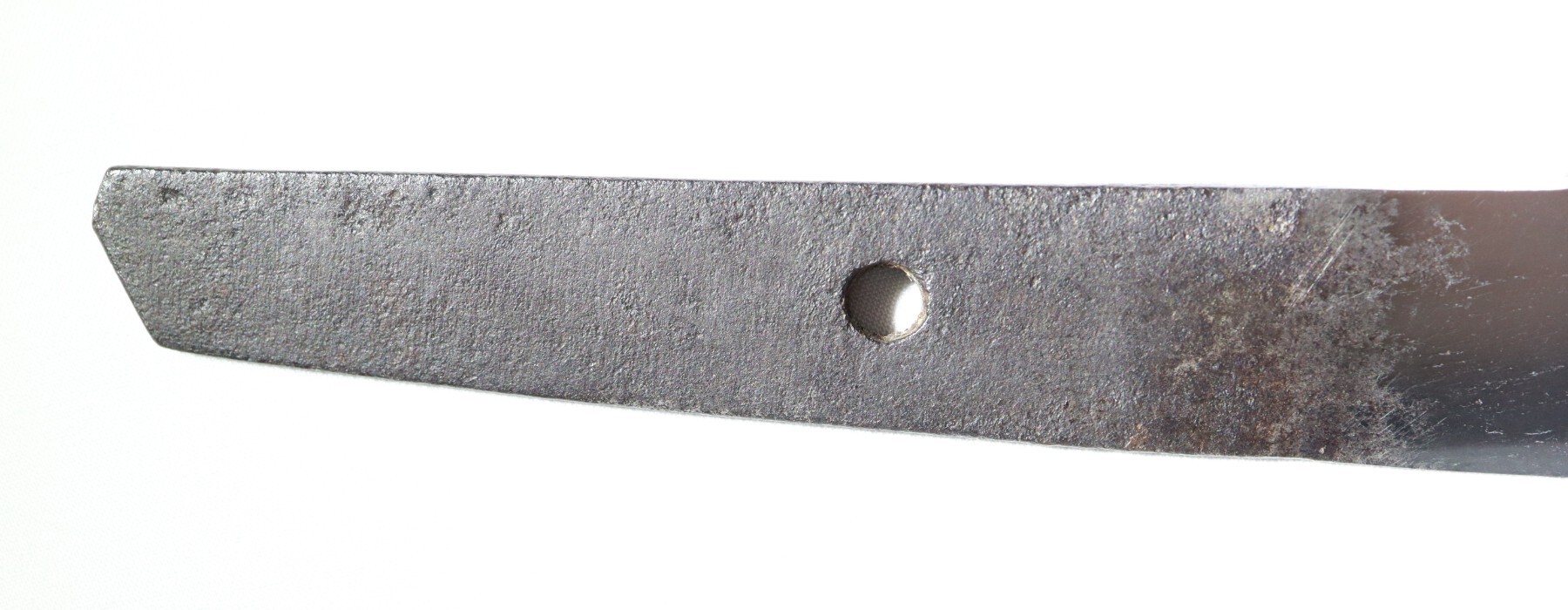
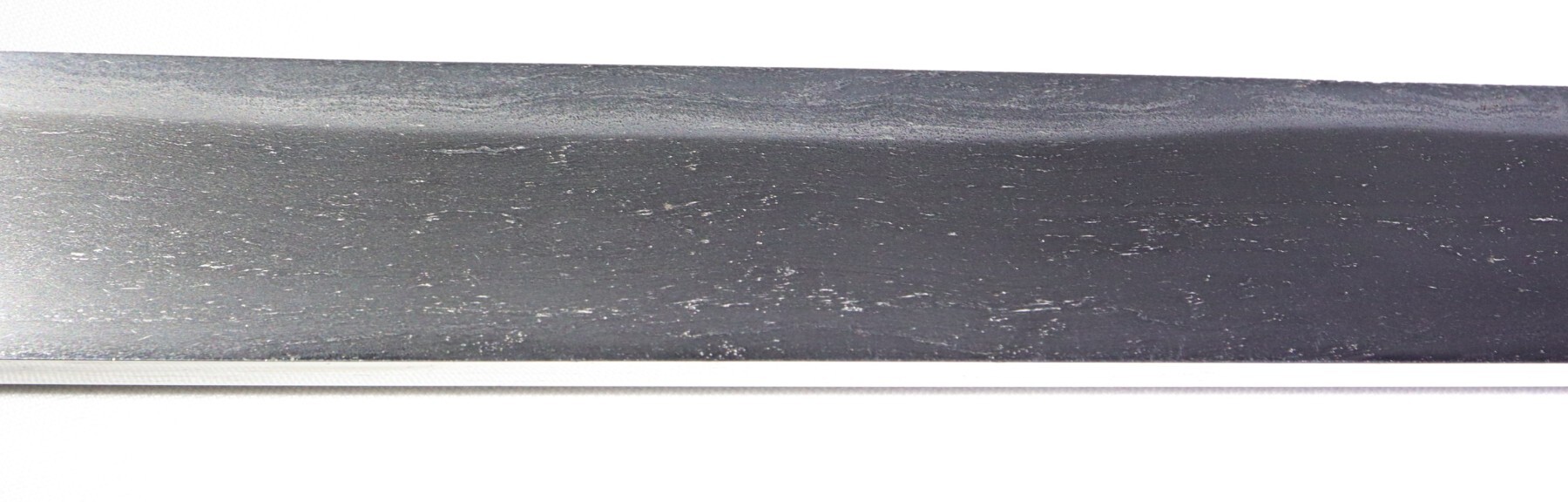
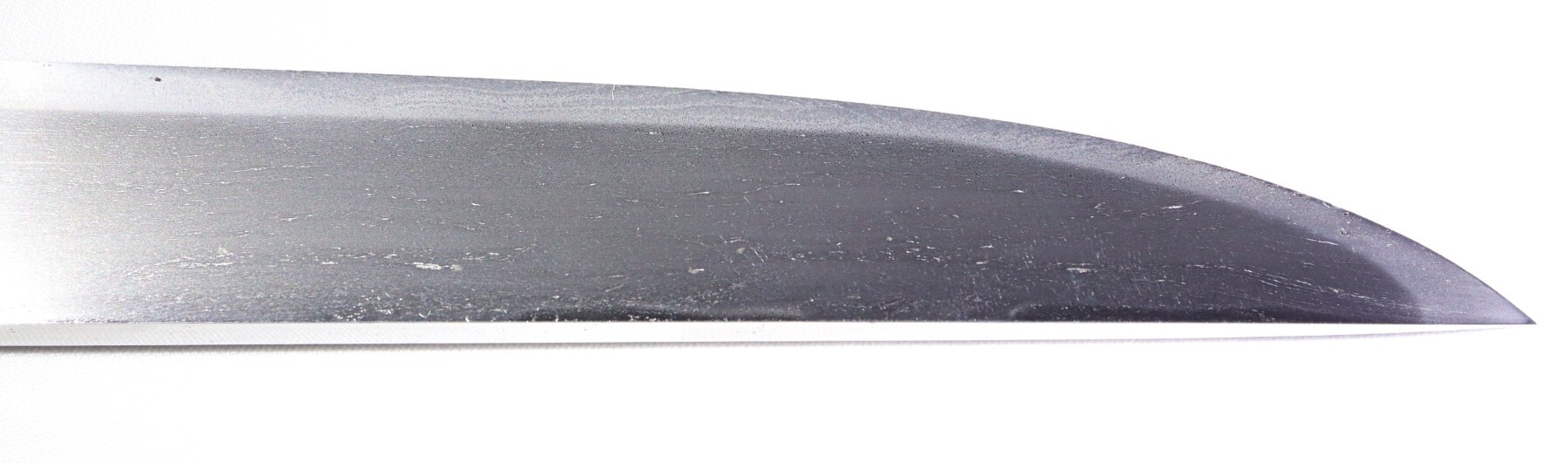
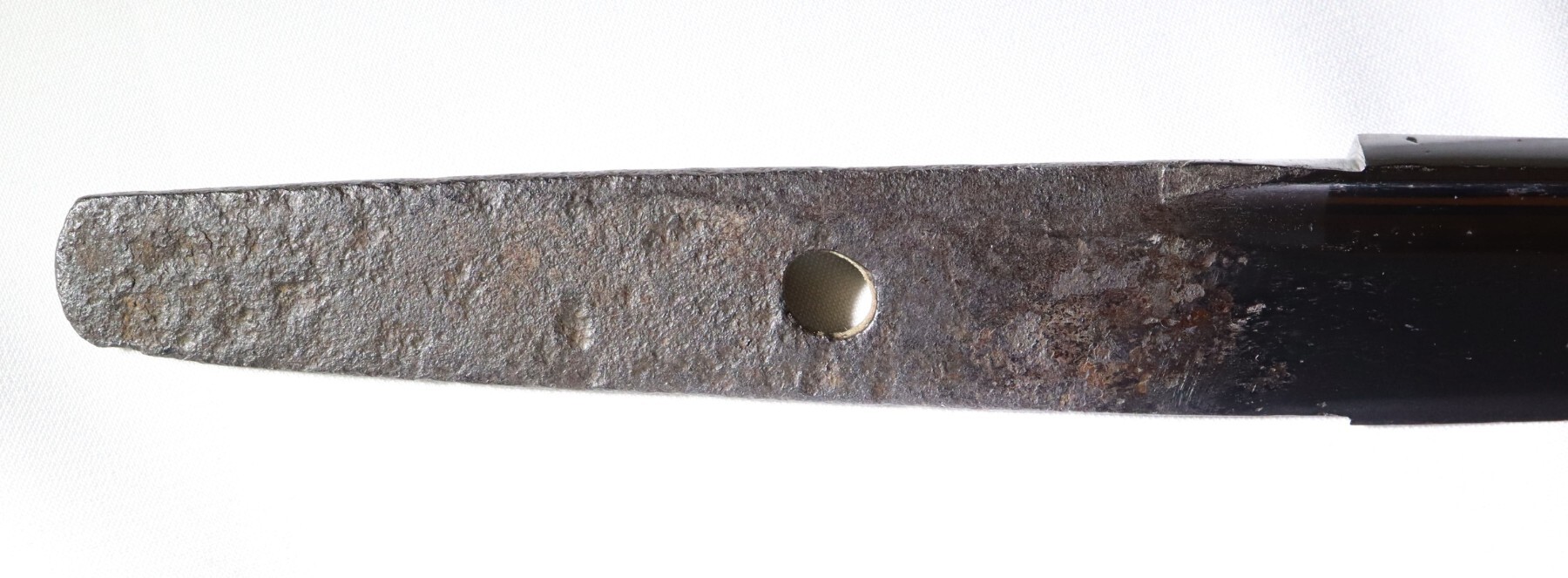
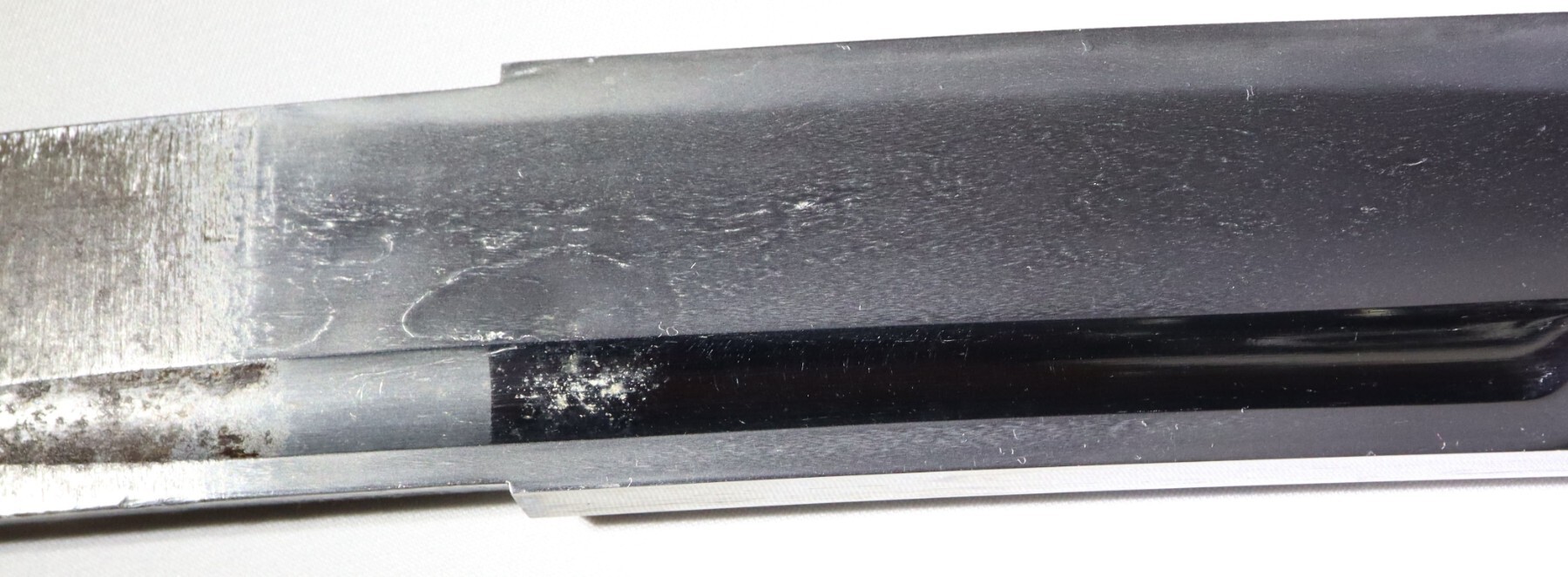
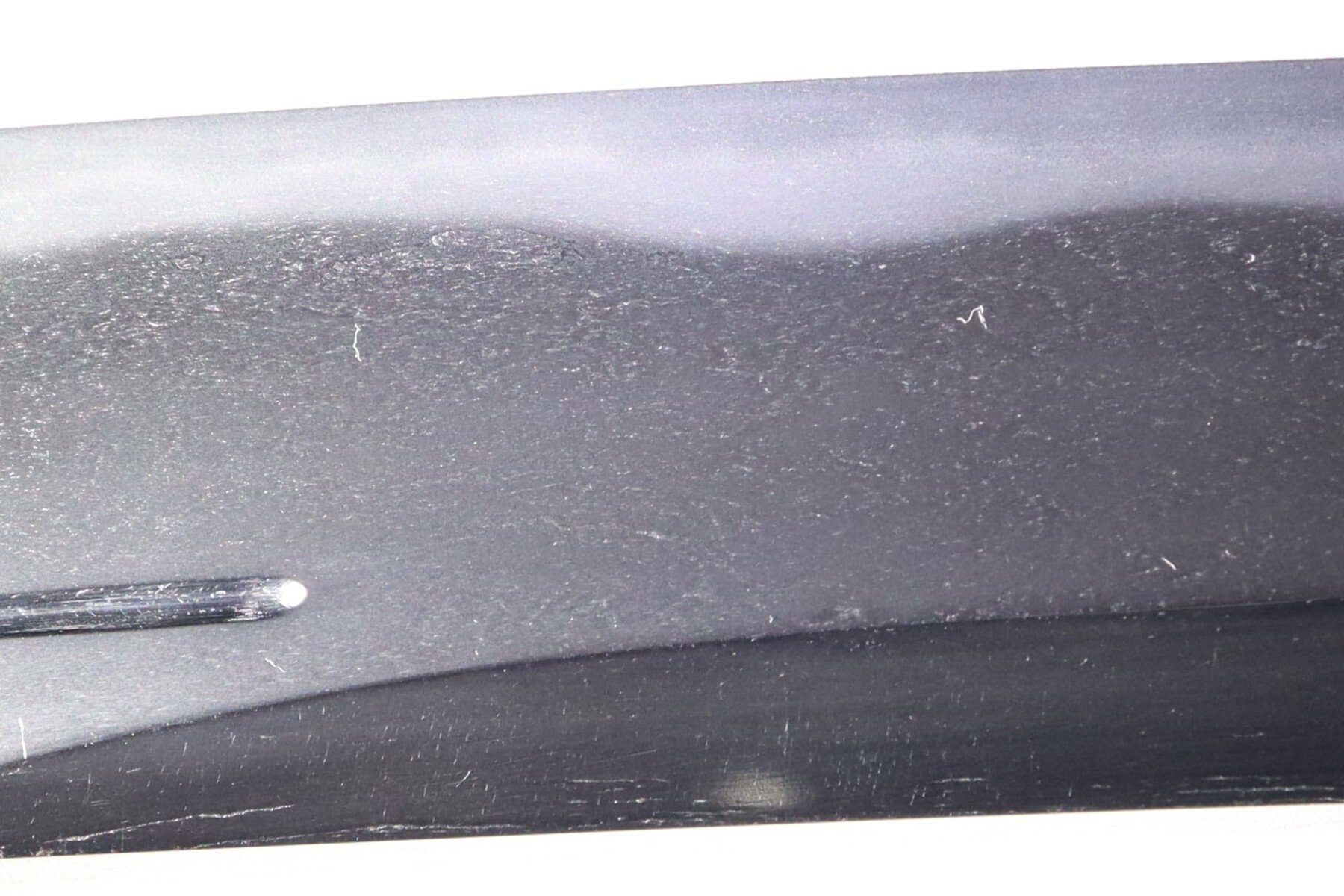
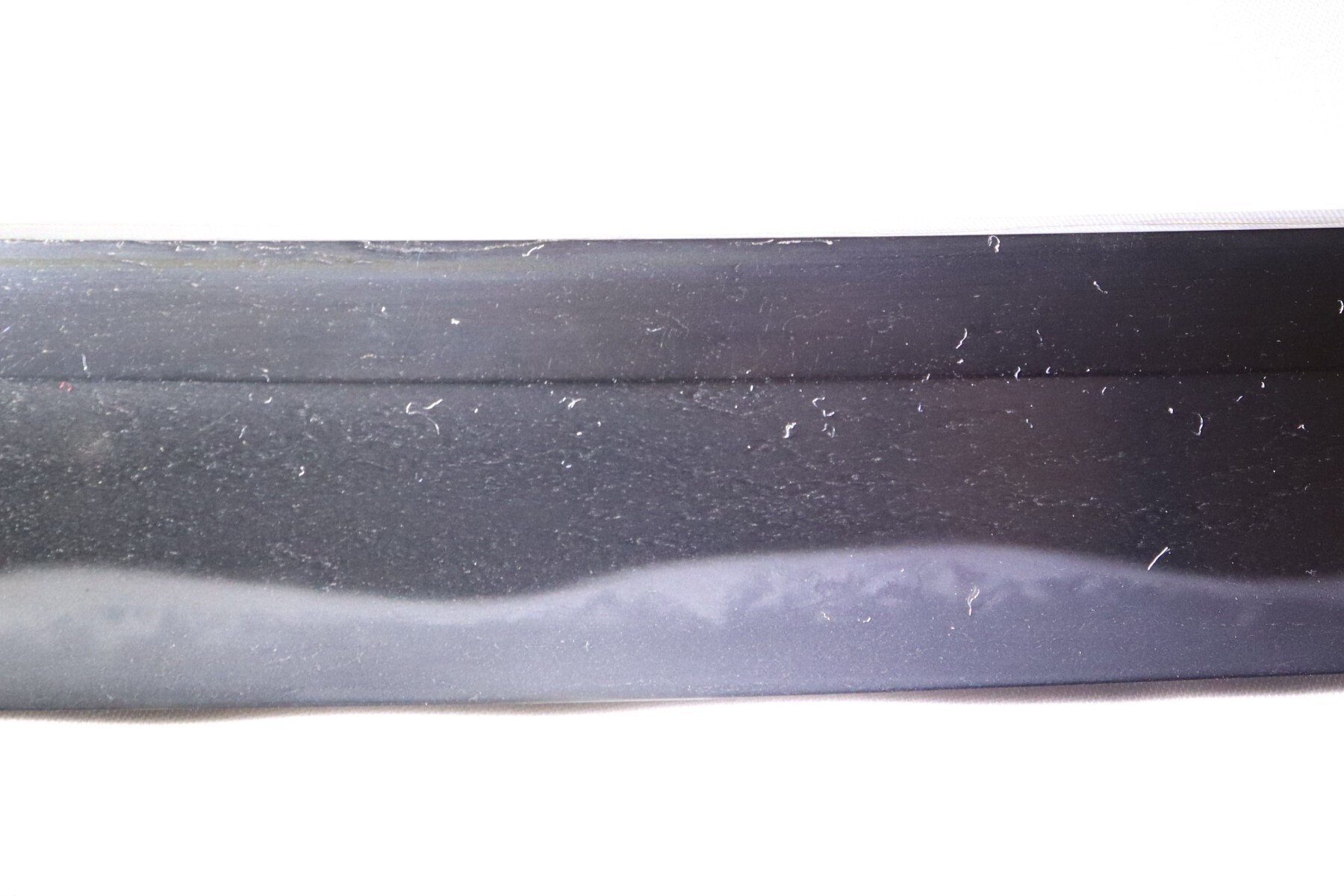
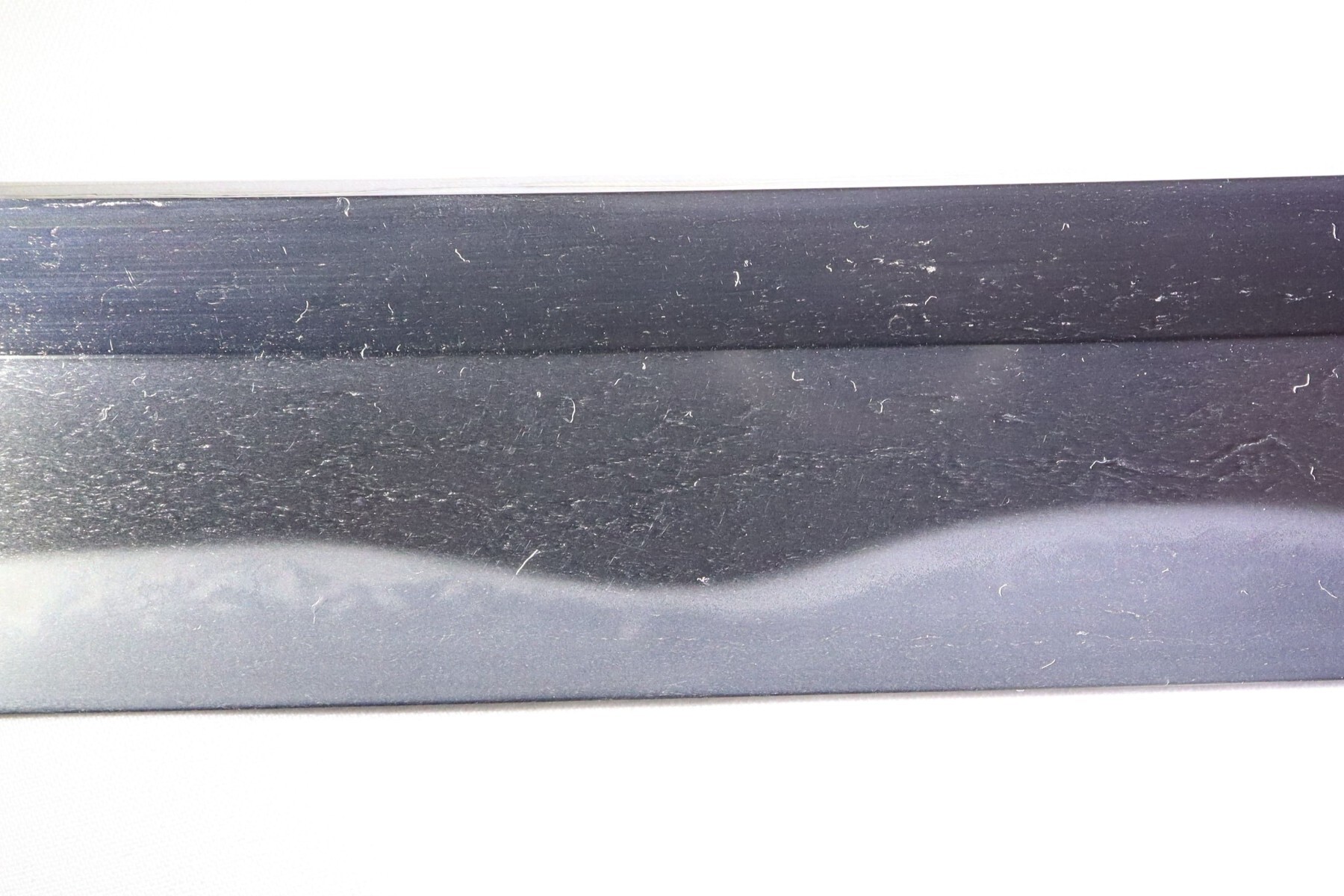
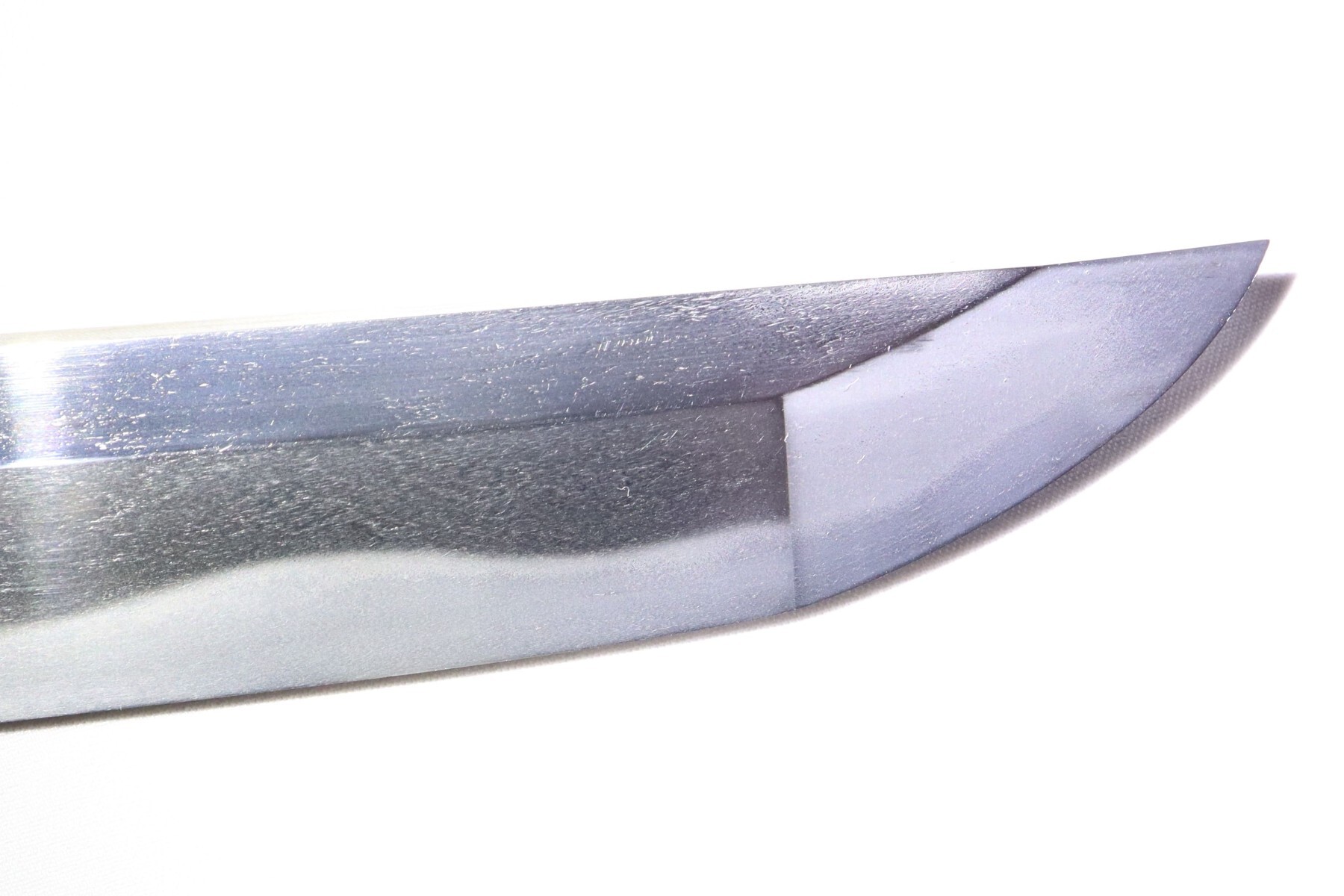
Mumei O-suriage Katana NBTHK Hozon attributed to Daido Late Muromachi-Early Edo period Specifications: Blade Length (Nagasa): 67.6 cm (2 shaku 2 sun 3 bu) Curvature (Sori): 1.7 cm Width at Base (Motohaba): 3.02 cm Width at Tip (Sakihaba): 1.99 cm Thickness at Base (Motokasane): 0.74 cm Thickness at Tip (Sakikasane): 0.41 cm Number of Mekugi-Ana (Rivet Holes): 2 (1 plugged) Blade Description: Stunning Mino tradition Katana in shirasaya with NBTHK Hozon Kanteisho. Both sides of the blade have koshi-hi that looks similar to a Naginata-hi, as well as a small hi near the koshi-hi. The jigane of the blade consists of a mixture of itame-hada and mokume-hada and includes thick ji-nie. The Hamon is mostly notare-midare with some ko-gunome. The hamon itself is full of activity including ko-ashi. The boshi of the blade is notare-komi flowing into ko-maru shape. The Nakago is shortened (O-suriage) and features two mekugi-ana with one plugged. The Habaki is Copper with a shakudo covering. The blade is in stunning condition generally with only a few imperfections (see images) some ware on the mune. All visible flaws are imaged. During the late Muromachi period to the early Edo period, several smiths in Mino Province used the name Daido. I am personally inclined to believe that this sword is a late Muromachi work, as it was heavily shortened and features a notare-komi boshi. The sale includes a sword bag and a copy of the Japanese registration paper as well. Price: €2800 Euro or $3000 USD A portion of the sale will be donated to NMB if it is sold on NMB. Free shipping within the EU International shipping available (extra charge: €20–40) UPS Express insured shipping Located in the Netherlands – Pickup available Payment Methods: Various payment methods are accepted, with bank transfers preferred. Please contact via PM to discuss payment options. This is my first time trying to take professional photographs of Nihonto, some reflections can be seen of my camera or the background. Please keep this in mind.








.thumb.jpeg.a5ee53951037a263e58f1772713be29c.jpeg)









.jpeg.7e75cf5cc387fc81cfc29ec5852612f4.jpeg)












.jpeg.a487f687c5eae8eb1d62eb2b1afdb169.jpeg)
.jpeg.44fb6a9f6eb0706c5202fa114851fafb.jpeg)





.jpeg.fe136997ad6b76f7248e5482b6e484f0.jpeg)