John C
-
Posts
3,410 -
Joined
-
Last visited
-
Days Won
21
Content Type
Profiles
Forums
Events
Store
Downloads
Gallery
Everything posted by John C
-
I am amazed by the amount of provenance written on the tanto. Its history could really be tracked from birth to now. John C.
-
It's funny how we baby items meant for war... but I guess that's collecting. John C.
-
Probably a dumb question, however I'll ask anyway. I know bamboo is a grass, however do the other tsuba-themed flowers bloom at different times? I am wondering if the symbolism is seasonal. John C.
-
To me, it looks real but highly refurbished. The tsuka looks legit; the menuki look correct; the bohi looks correct; the serial number (the 3 in particular) looks correct. But the whole thing looks repainted, polished, and possible parts replaced. John C.
-
Samurai Monkey is selling them for the low, low price of 250-300 EACH! John C.
-
Breaking News On The All-Brown Army Gunto Tassel
John C replied to Bruce Pennington's topic in Military Swords of Japan
I believe colorized, however there was no difference in shade or tone so my assumption would be solid brown. Actually my first thought as well. On the tv the contrast between the fittings and tsuka looked more like silver and black. But the soldiers were wearing army uniforms, I think. I didn't think to count the ashi. John C. -
Breaking News On The All-Brown Army Gunto Tassel
John C replied to Bruce Pennington's topic in Military Swords of Japan
Okay...these pics are cheesy. But they were taken off of the TV during a program about the Japanese surrender. It's difficult to tell in the pics, but the tassels on both of these swords looked all brown during the program. I think both are type 98s. Whatever they are, there is no doubt they are original. John C.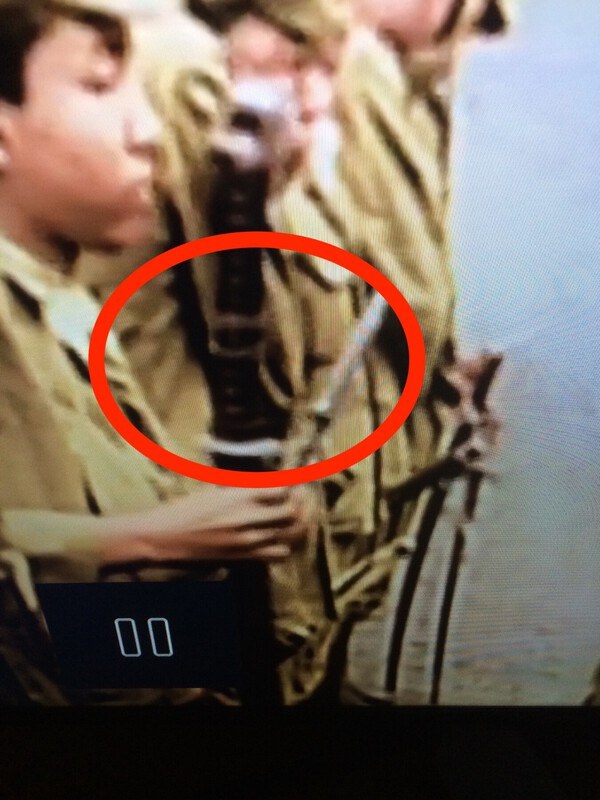

-
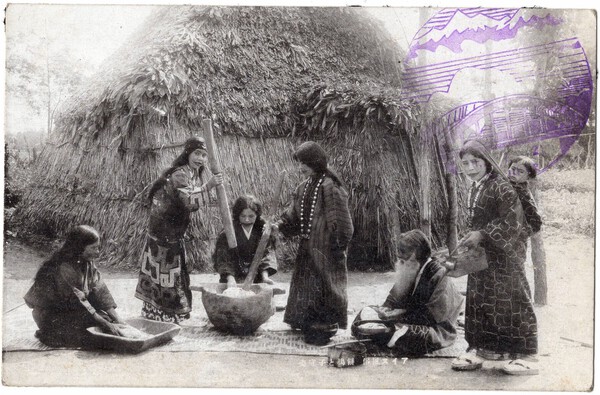
A postcard I have from early 1900s (1904, I think) showing the Ainu. There is also a new Museum featuring the Ainu on Hokkaido. https://ainu-upopoy.jp/en/ John C.
-
An: You are correct. The "skin" should look like this; small and uniform. John C.

-
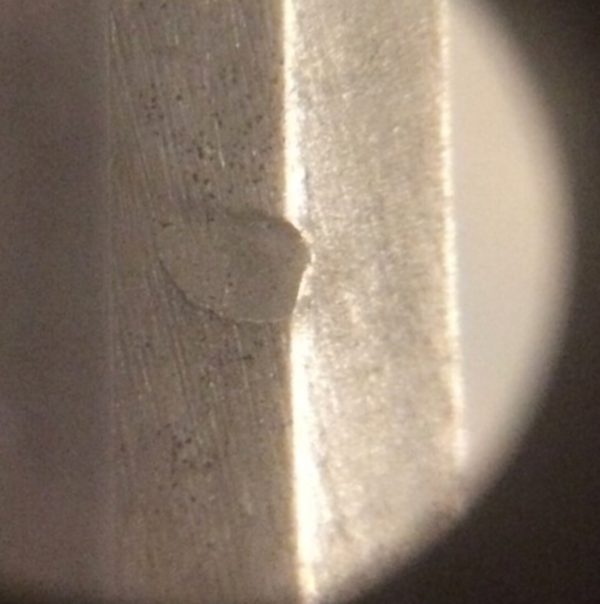
It's difficult to tell zoomed in, but could that possibly be a bullet strike? Did the polisher say anything about it? John C.
-
Breaking News On The All-Brown Army Gunto Tassel
John C replied to Bruce Pennington's topic in Military Swords of Japan
Thanks, Matt. I'm tracking the painted number scheme to see if I can identify any patterns (e.g., which smith/forge used which color paint or number series, etc.). Personally (I know I am in the minority here), I think there is something to be gained by figuring out the exact numbering system. I may be able to use the information as an additional verification tool. John C. -
Translation assistance and approximate dating
John C replied to Eds's topic in Translation Assistance
Ed: I agree with Ray. These dark areas could indicate oil quenching. John C.
-
Breaking News On The All-Brown Army Gunto Tassel
John C replied to Bruce Pennington's topic in Military Swords of Japan
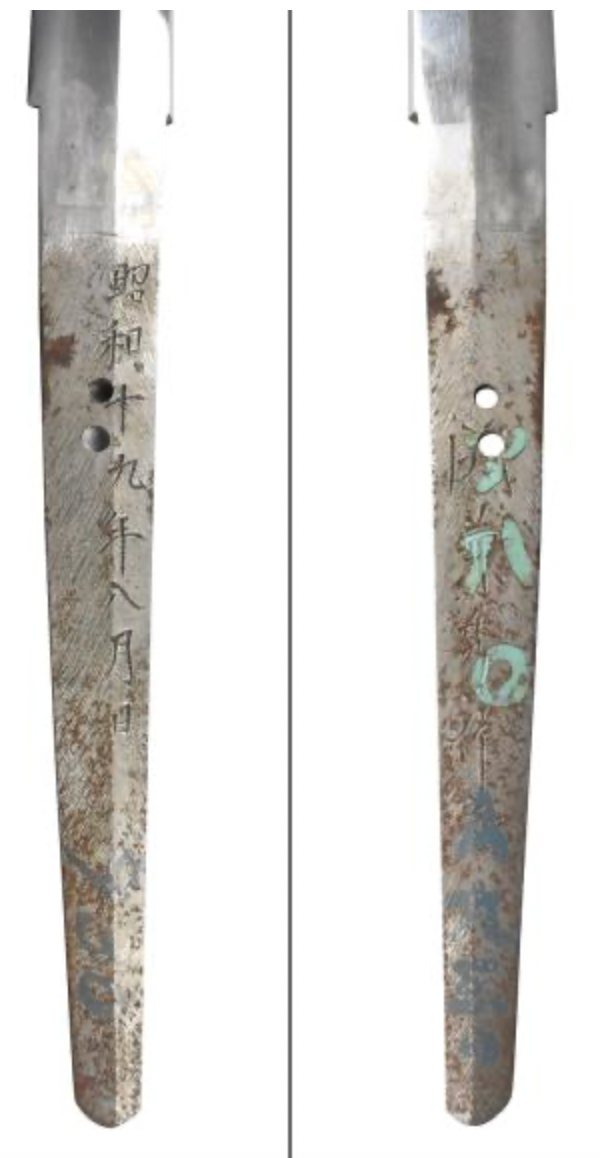
Just an interesting note...I too bought a Kanehide gendaito from Matt with the same green and blue painting scheme. "A" series with both the katakana and western A but different numbers. John C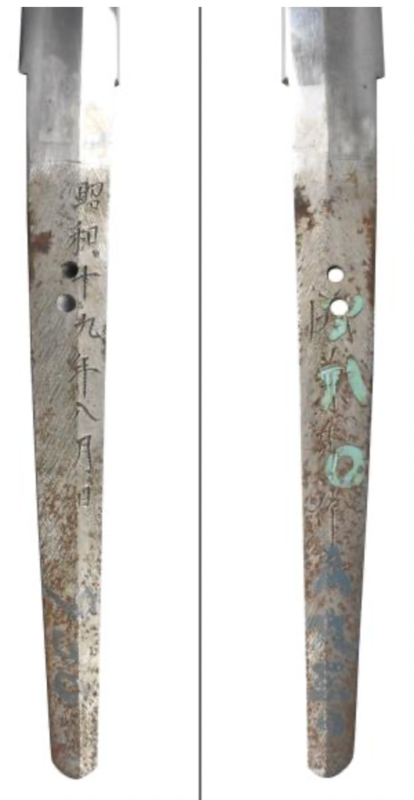
-
Tsuba Oshigata translation help requested - inkbrush script
John C replied to GRC's topic in Translation Assistance
No translation here, just wondering if the writing is new? It looks like it was done on top of the staining. John C. -
Breaking News On The All-Brown Army Gunto Tassel
John C replied to Bruce Pennington's topic in Military Swords of Japan
No doubt cut. Just thinking the reason for the cuts may have been due to deterioration as opposed to some other symbolism. John C. -
Breaking News On The All-Brown Army Gunto Tassel
John C replied to Bruce Pennington's topic in Military Swords of Japan
Here is a pic of the one that came with my type 98. It had been stored around too much heat and moisture and was literally crumbling. The pic was from when I was trying to restore it and stabilize it. As you can see, it was the blue threads there were crumbling and falling off, however the brown threads were breaking as well. John C.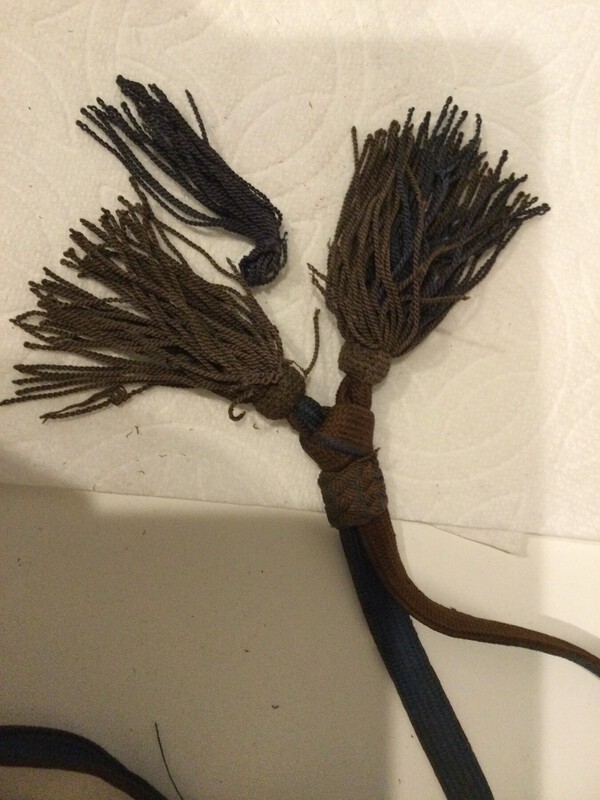
-
Auctioneer's estimate is 50-80 GBP? What am I missing. Does the auction house think they are repro's? John C.
-
The condition of the blade was throwing me off a bit, but it has the pierced tsuba and string sarute so I was thinking maybe an early one. John C.
-
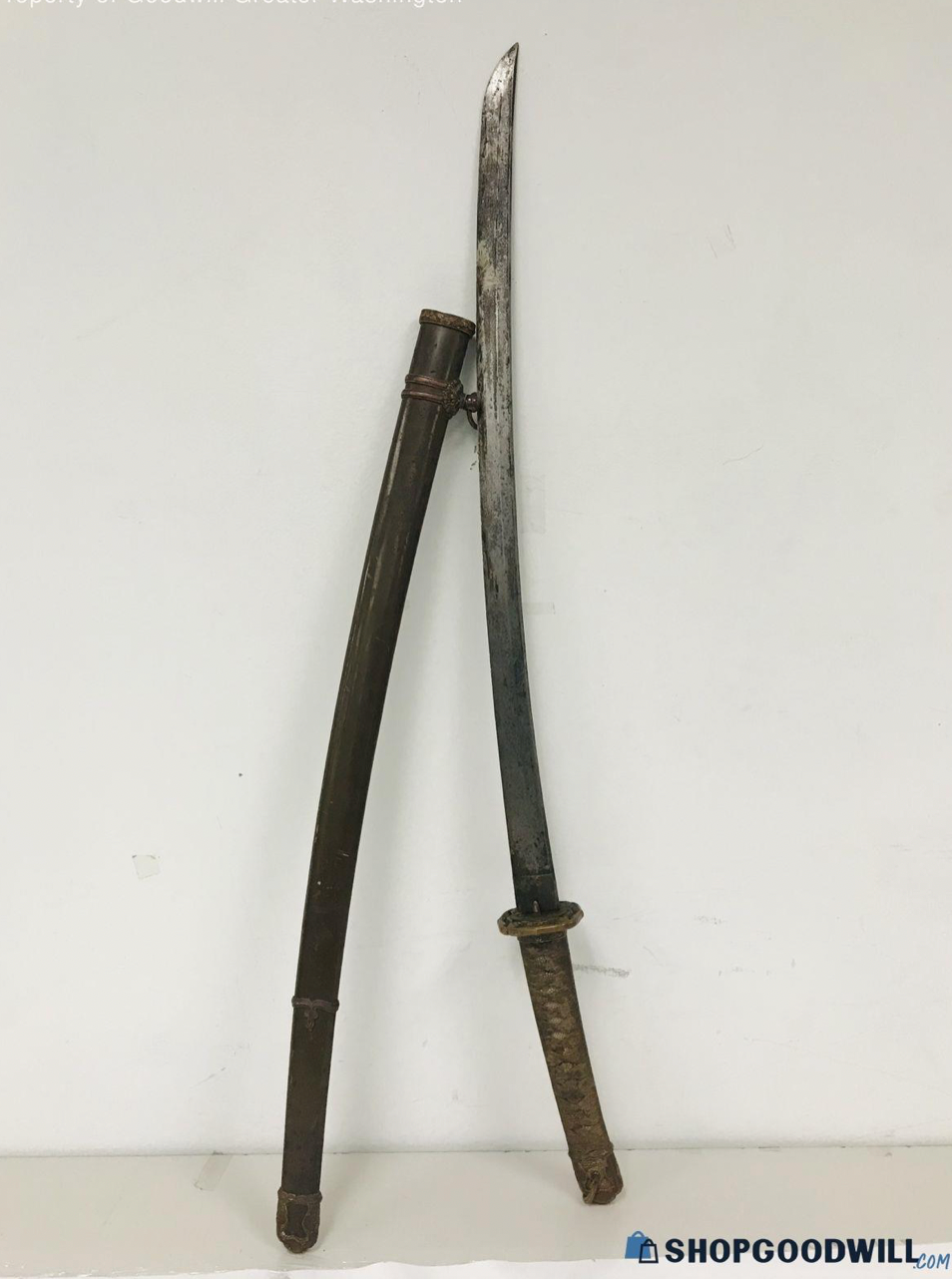
Saw this on shopgoodwill. Is this a type 94 or 98? The blade looks off a little but can't place it. Could it be an older blade? No picture of the nakago and at 1,100 dollars already I'm not interested. Just curious about the type. https://shopgoodwill.com/item/172000143 John C.

-
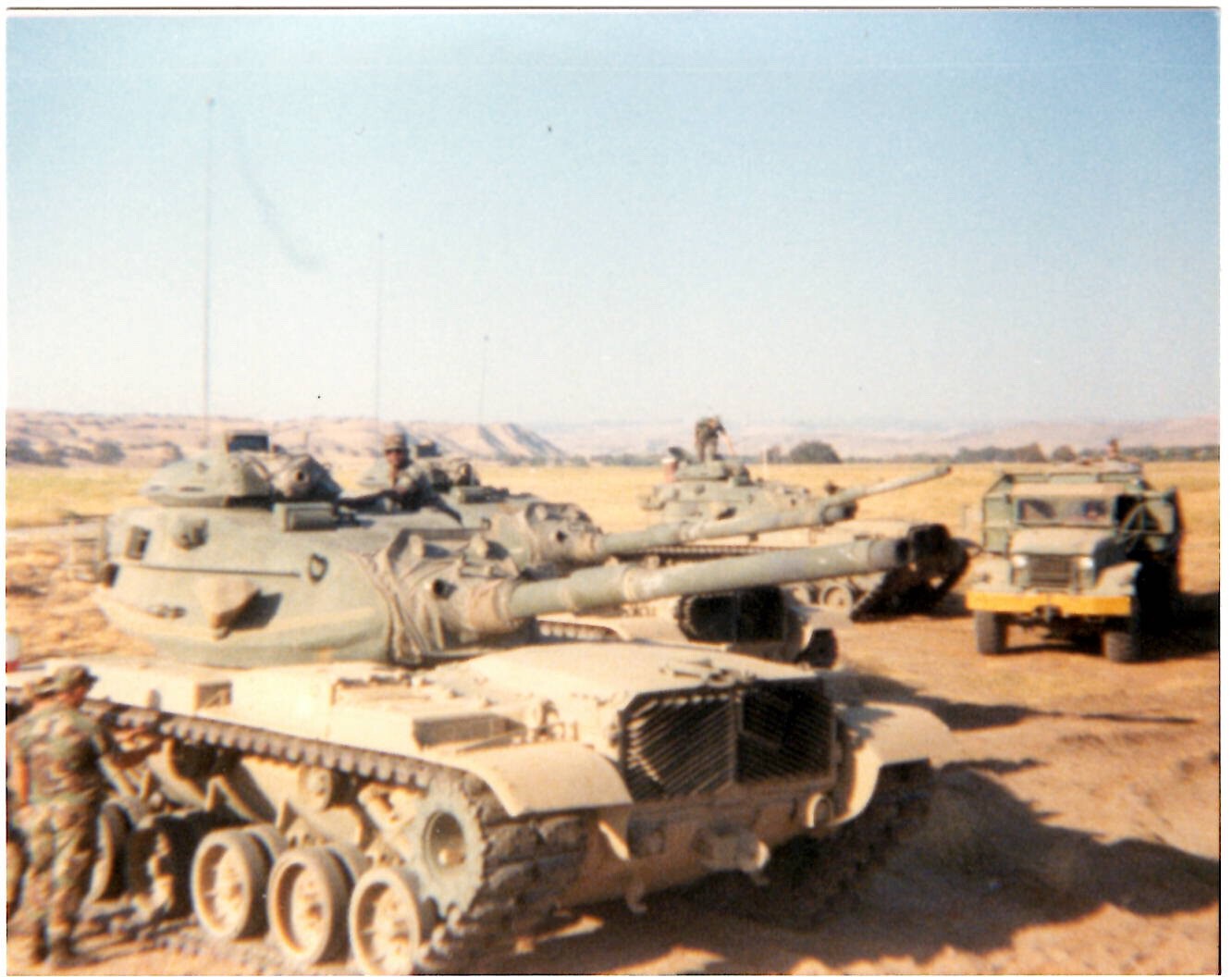
No swords...but waiting to be refueled (circa 1990). John C.

-
I think it is a full sized sword (36 inches at the waist even if you are short). Unrelatedly, the different shades on the tassel would indicate a blue and brown one I think. So lieutenant or captain? John C.
-
Swords of Imperial Japan , 1868 - 1945 (Cyclopedia Edition)
John C replied to DTM72's topic in Military Swords of Japan
Dan: Thank you for the link. Got mine on order. John C. -
Breaking News On The All-Brown Army Gunto Tassel
John C replied to Bruce Pennington's topic in Military Swords of Japan
The tassels on my 98 were in really rough shape when I got it (from poor storage). They were literally crumbling off. I managed to preserve some of it but I can see where someone may cut them off due to damage. John C. -
Question about a mumei gendaito
John C replied to John C's topic in Auctions and Online Sales or Sellers
Agree! Wasn't planning on buying it, just curious about gendaito signatures. John C. -
Question about a mumei gendaito
John C replied to John C's topic in Auctions and Online Sales or Sellers
True. But seller notwithstanding, I was wondering about whether or not all new blades had to be signed. John C.