bond_fan
-
Posts
32 -
Joined
-
Last visited
Content Type
Profiles
Forums
Events
Store
Downloads
Gallery
Everything posted by bond_fan
-
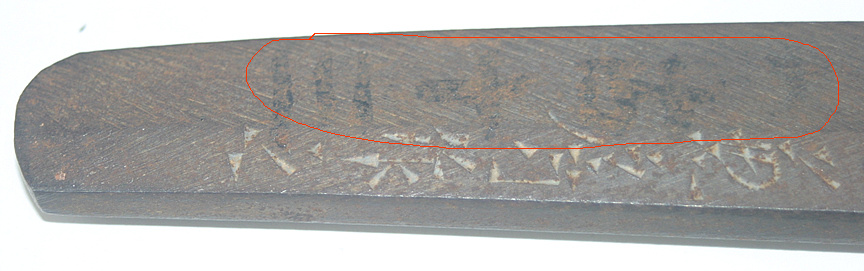
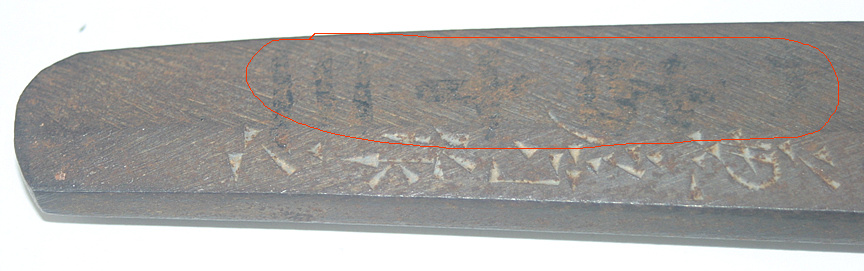
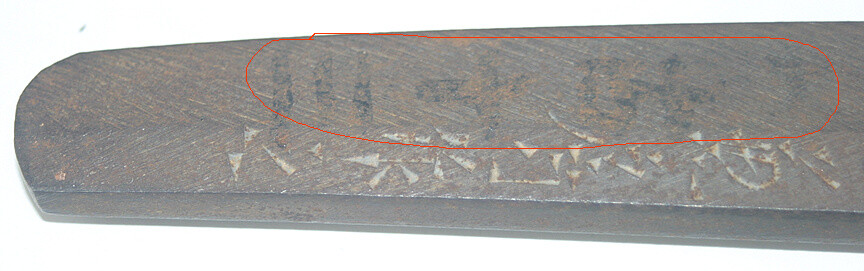
There are no arsenal stamps on the nakago, but there is some handwriting (See image below). The kai-gunto fits the saya, though it is tough to push the last part of the katana into the saya. The seller told me this sword was purchased from the son of a U.S. military officer who got this during WWII and that the son had a katana made by a famous swordsmith that was worth a lot of according to a Japanese sword society member that saw both swords. The son kept the valuable sword and sold this kai-gunto to the seller. Based upon the above I believe that this sword and its parts came directly from Japan this way.
-
More photos.


-
More photos.


-
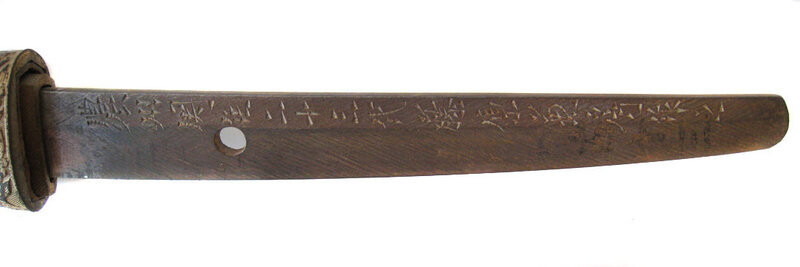
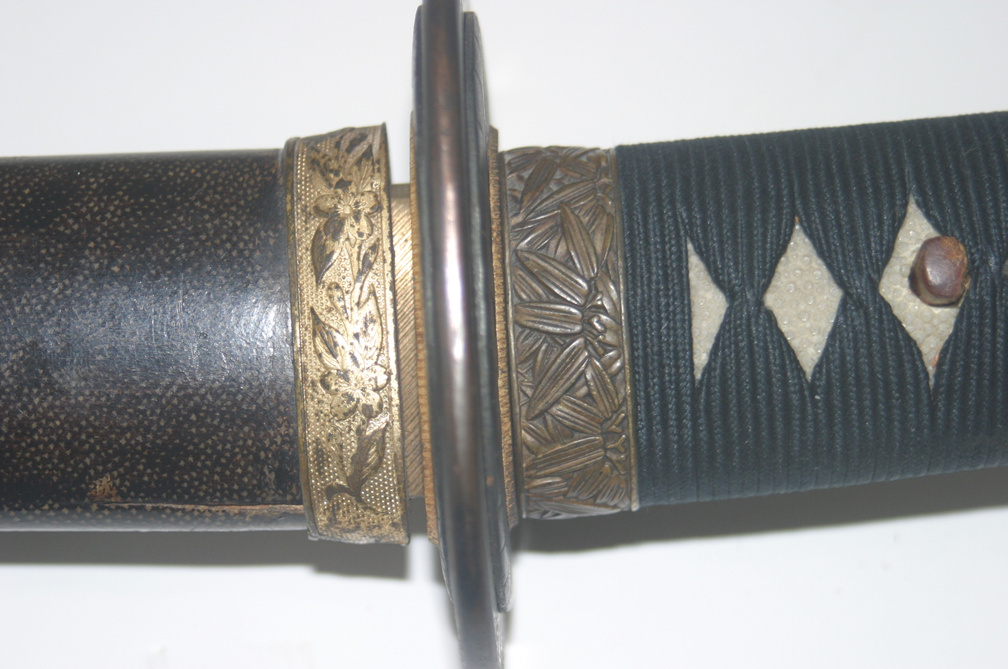
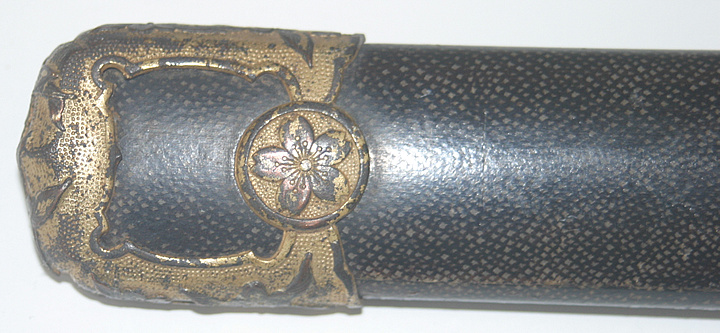
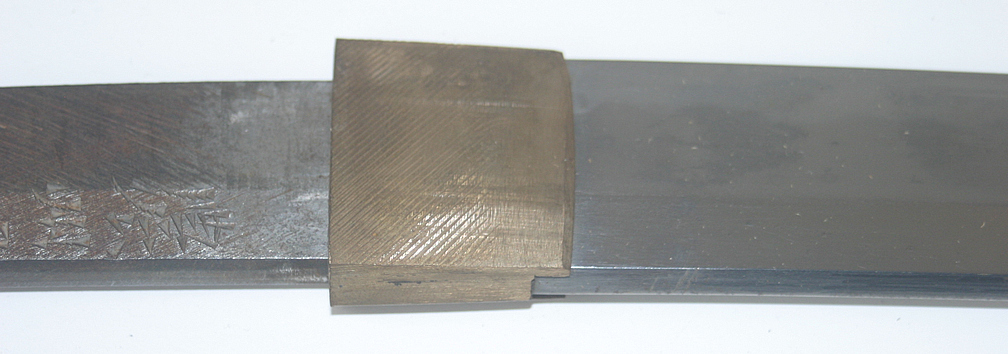
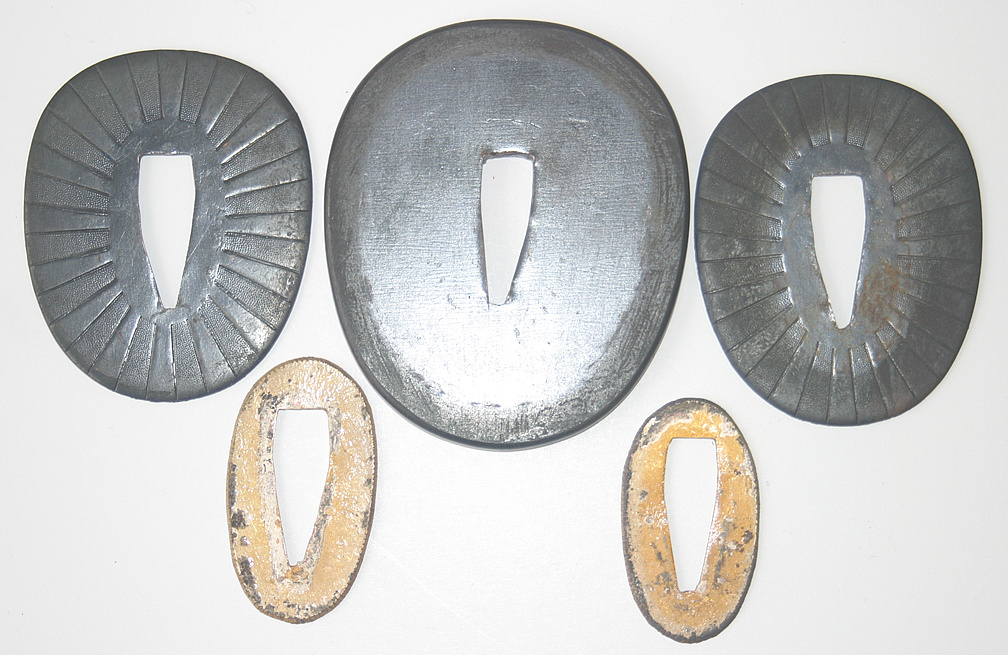
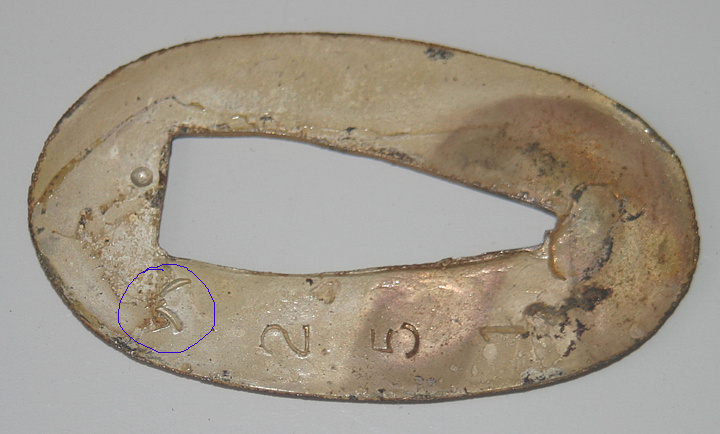
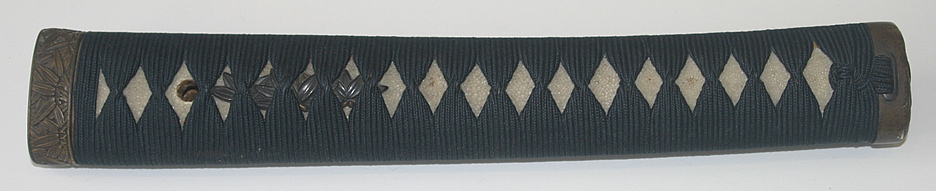
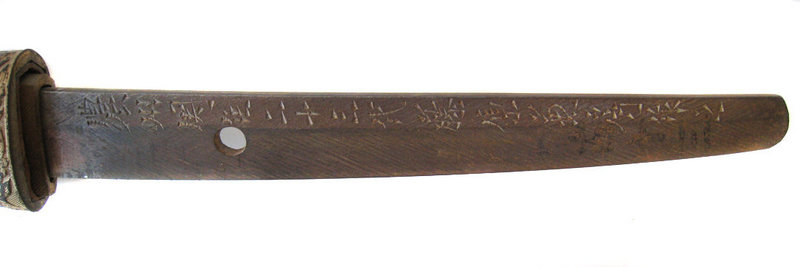
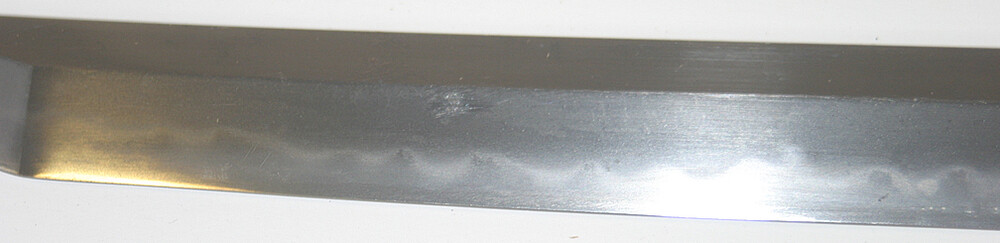
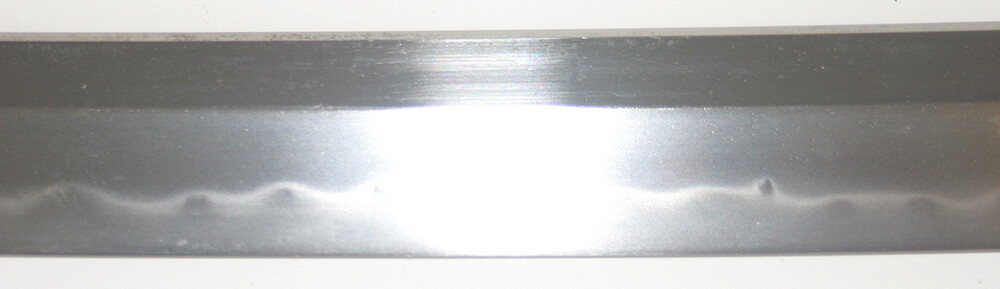
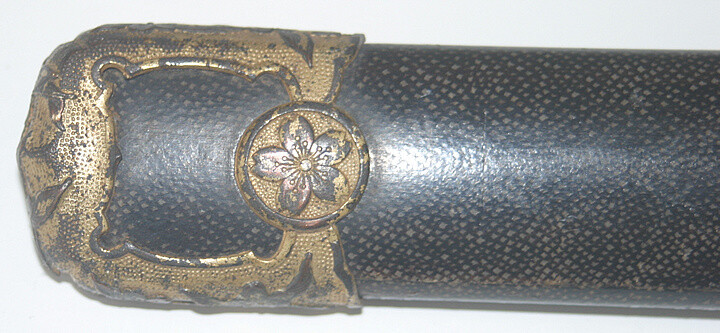
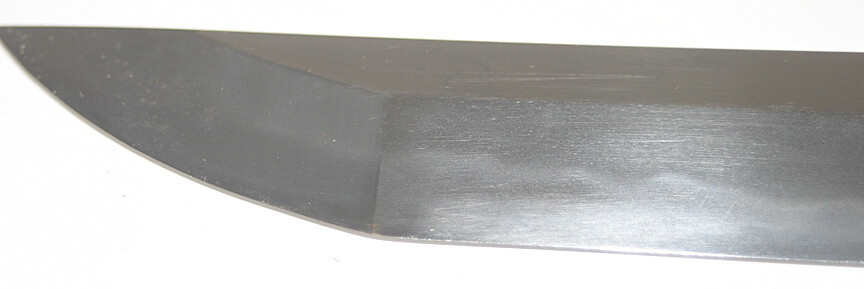
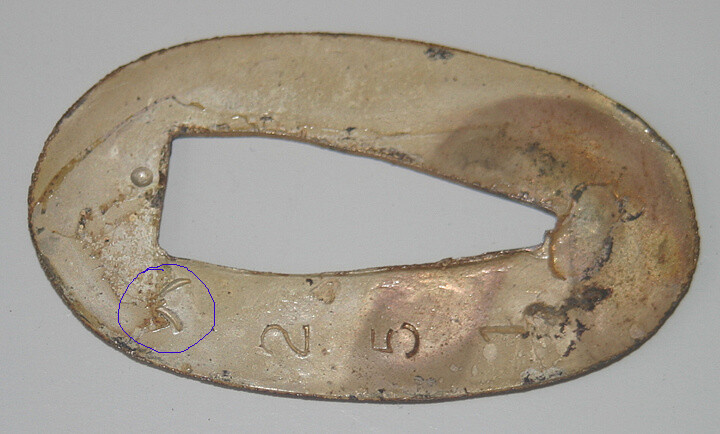
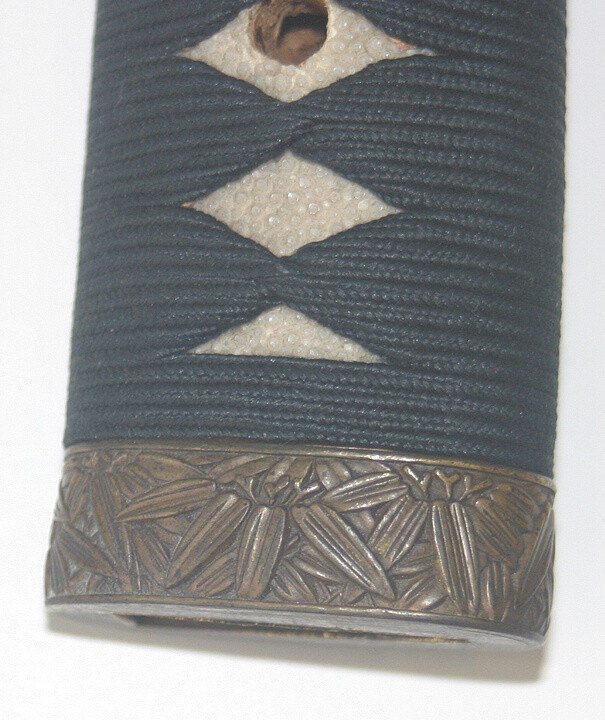
Hi Forum As promised here are the photos of the katana that I had posted in the Translation Assistance section requesting help with the mei translation (viewtopic.php?f=15&t=4110&p=30958). I am told this is a naval katana made during WWII. This katana is unlike the typical WWII swords I have seen, because while the saya appears with military ashi fittings the covering appears to be ray skin and not the material normally seen on WWII saya (KAI-GUNTO - http://www.geocities.com/alchemyst/military.htm). The wrap is not the unusual color I have seen for WWII swords either in that it is a dark blue color, while most WWII swords I have seen are an yellowish color. Perhaps this is a naval sword with naval saya, but typical civilian blade? Does anyone know the estimated date of manufacture? There are some Japanese characters that are in black on the tang left of the mei and I was wondering what they mean? (See circled area of IMG_0748a.jpg, 2nd post.) The TSUBA, SEPPA & FUCHI all have the number 251 stamped on them and a Japanese character above the 251 and I was wondering what that meant? I am considering buying it and was wondering if someone could give me an idea what the value is in USD and if it was likely to have been made in the traditonal manner and how one can tell? From what I read about GENDAI SWORDSMITHS AND OTHER SWORDSMITH INDEXES (http://www.geocities.com/alchemyst/gendai.htm) the smith, Kato Koichi, would have made swords in the traditional manner. I wish to again thank Darcy Brockbank (http://www.nihonto.ca/) and Koichi Moriyama for their help with the mei translation and for the details on the swordsmith, Kato Koichi, the 23rd generation Kanefusa's who was born in 1900. Ref. http://www.geocities.com/alchemyst/kanefusa.htm Noshu Seki ju Ni Ju San Dai Fujiwara Kanefusa saku kore I am not sure if I got the below characteristics correct, so if I made a mistake in my description or terms please let me know. I am just learning about Japanese swords. Thanks! CHARACTERISTICS GENERAL APPEARANCE: Medium width and thickness. MEI: Noshu Seki ju Ni Ju San Dai Fujiwara Kanefusa saku kore (The 23rd generation Fujiwara Kanefusa made this) NAGASA: 26 7/8" TSUKA: 10.75" HABAKI: 31.75 mm FUCHI: 15.875 mm Thickness at the habaki: 6.5 mm Thickness at the KISSAKI: 5 mm KISSAKI: O. Shinogi-Zukuri. BOSHI: Omaru HADA: Masami or Muji HAMON: Gunome, Midare or Gunome-Midare. MUNE: Maru NAKAGO: Funagata NAKAGO-JIRI: Haagari YASURIME: Taka-no-ha PS. I will be posting images separate posts to keep the size down.



-
Dear Mr. Koichi Moriyama, Thanks for explaining to me the meaning of the Japanese word "Kore"! Other than the Geocities link do you know where on the Internet I may find more information on the 23rd generation Kanefusa bladesmith, Mr. Kato Koichi? Tim
-
Dear Mr. Koichi Moriyama, Thank you so much for your swift reply and information about the sword mei! I understand all the translation except for the last Japanese character for "kore". What does the word "Kore" mean? Essentially I translate the complete mei to mean that the smith, a 23rd generation descendant of the Kanefusa sword making line, who lived in the city of Seki of Noshu province made the sword. The 23rd descendant being Kato Koichi, based upon the Geocities link you provided me. When I have further pictures of the sword, which I saw in person on Nov. 1, I will try to post them in the Nihonto section of the Nihonto Discussion forum. Thanks again! Tim
-
Hi Forum! I am posting here for additional translation help for a mei on a purported gendaito WWII Japanese katana. Darcy Brockbank provided the below translation, but suggested I contact the forum for a complete translation of the character she wasn't sure about and for a further clarification of the smith and his history by one of the many gendai collectors. According to Darcy it says: Noshu Seki Ju Niju San dai Fujiwara Kane [?] Saku Where I put the [?] in I'm not sure of the character. The whole thing means: Noshu (province) Seki (city) Ju (lives) Niju San (23rd) dai (generation) Kane-whatever (name) saku (made this). She said it is probably going to be one of Kaneuji, Kanesada, Kanemoto, Kanefusa, or one of the other Mino line smiths. Any help you could provide would be greatly appreciated! Thanks! Tim