dnmmilo
-
Posts
98 -
Joined
-
Last visited
Content Type
Profiles
Forums
Events
Store
Downloads
Gallery
Everything posted by dnmmilo
-
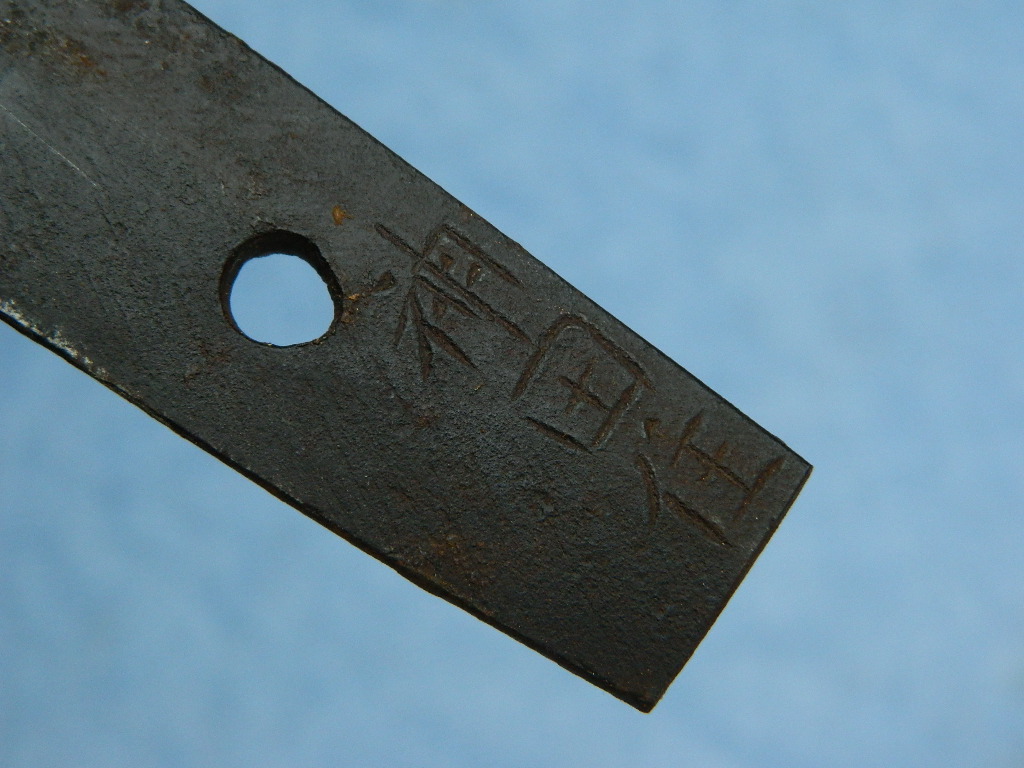
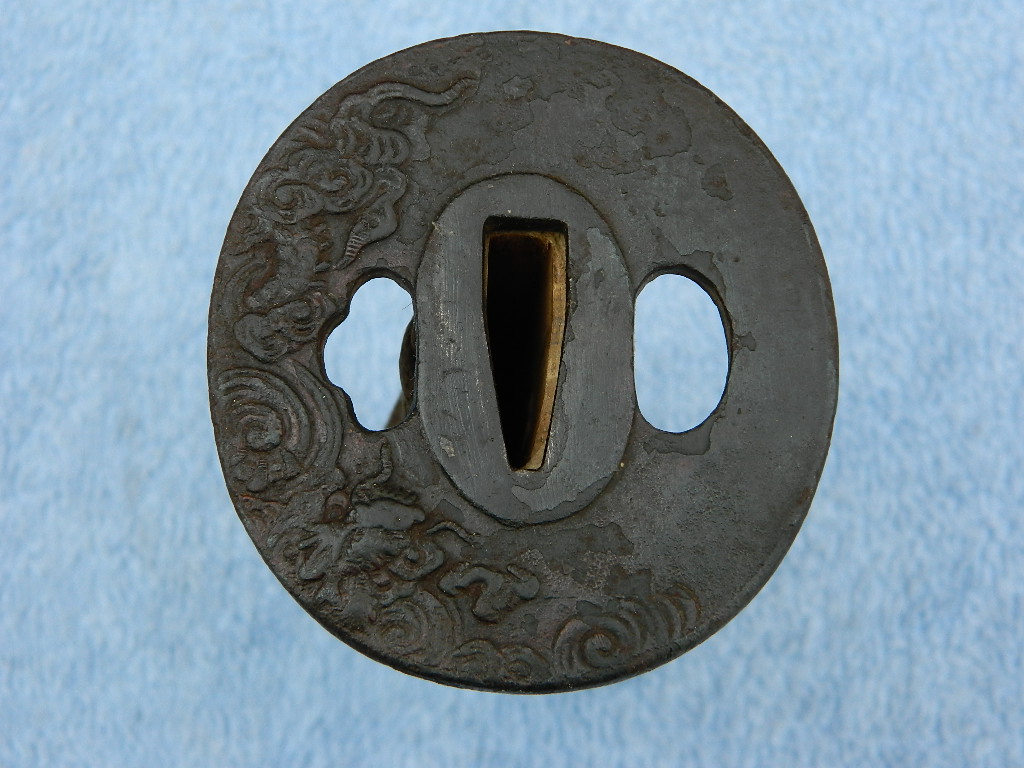
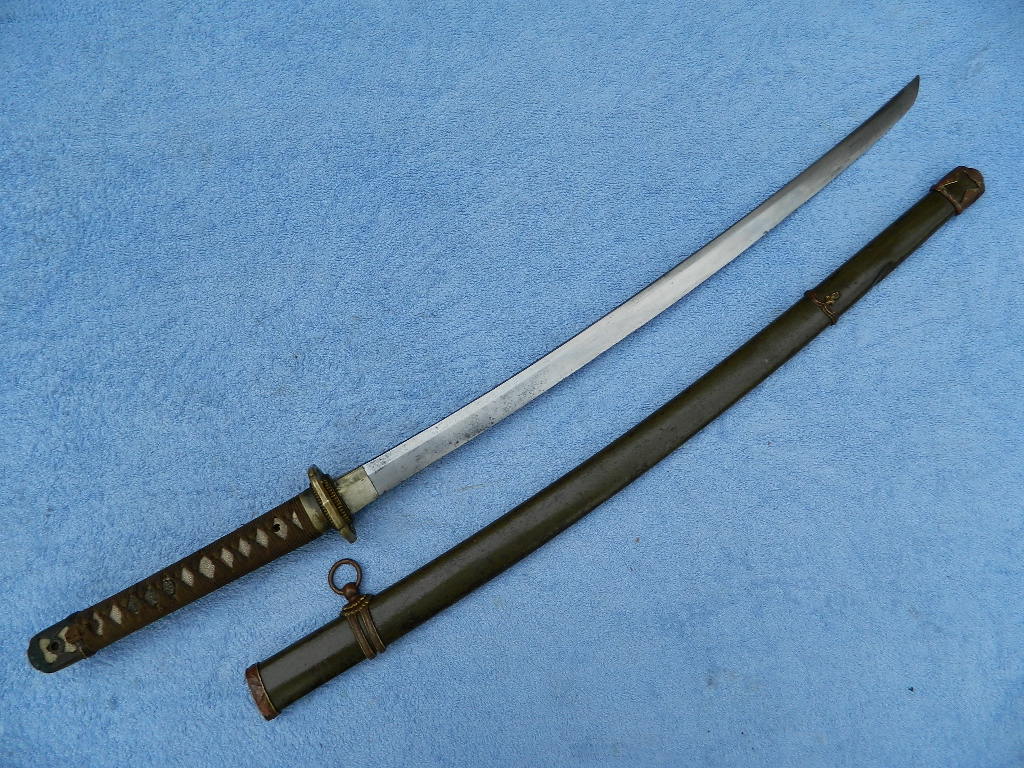
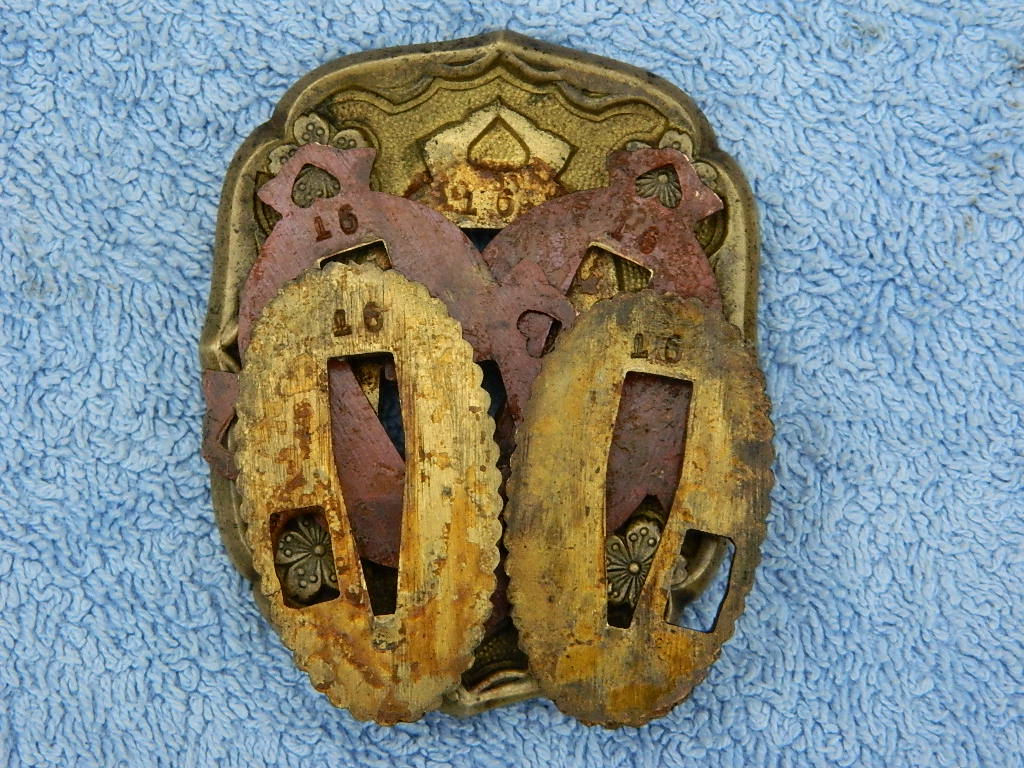
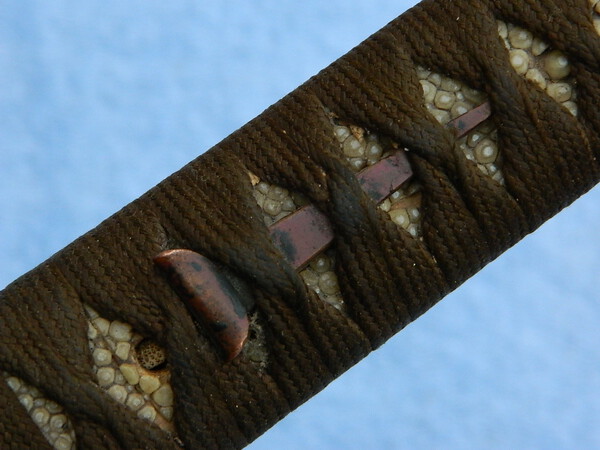
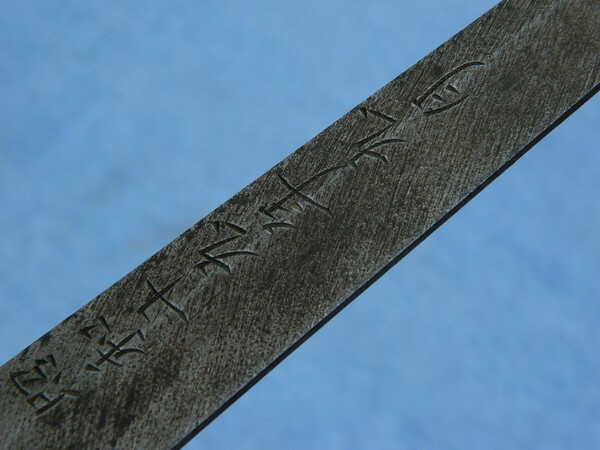
G'day again, I thought the second sword was easier as it only had 3 kanji although I couldn't find an exact match for the second character. I think it says "Mitsukuni Saku" but again I stand ready to be corrected. I have also attached pictures of the Tsuba, Kashira and Menuki. Cheers David
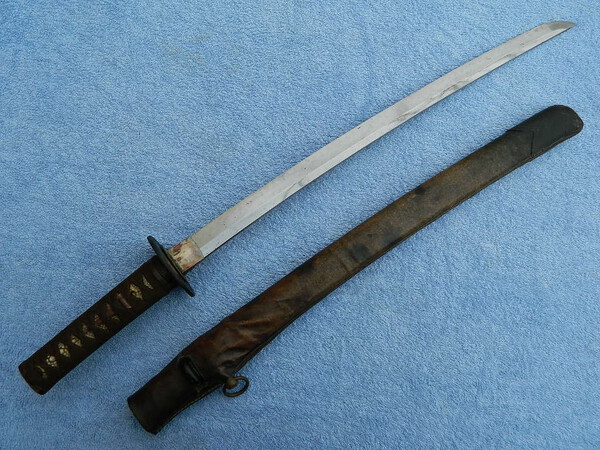
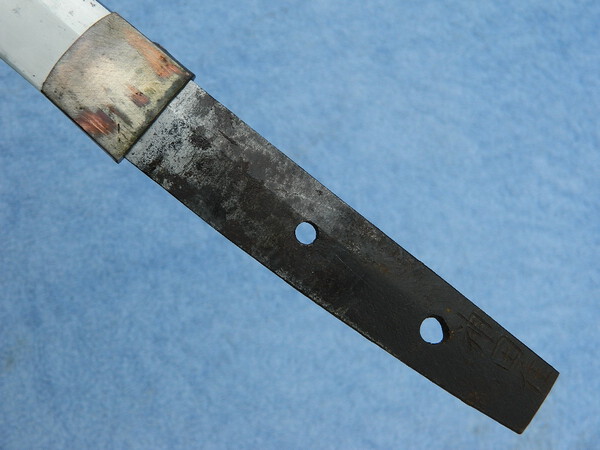
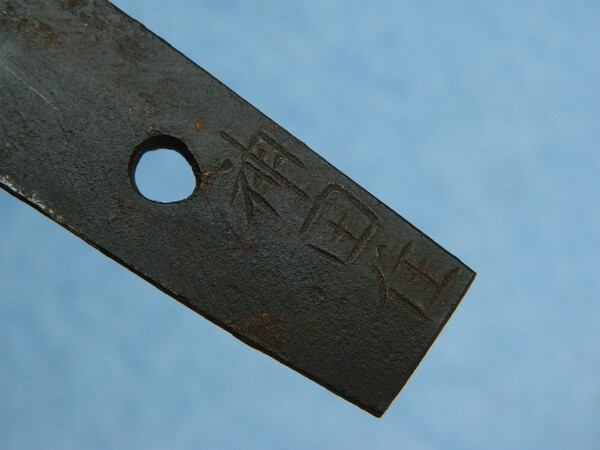

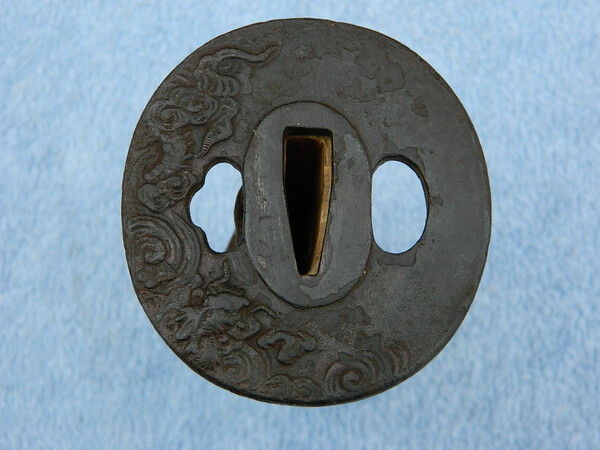
-
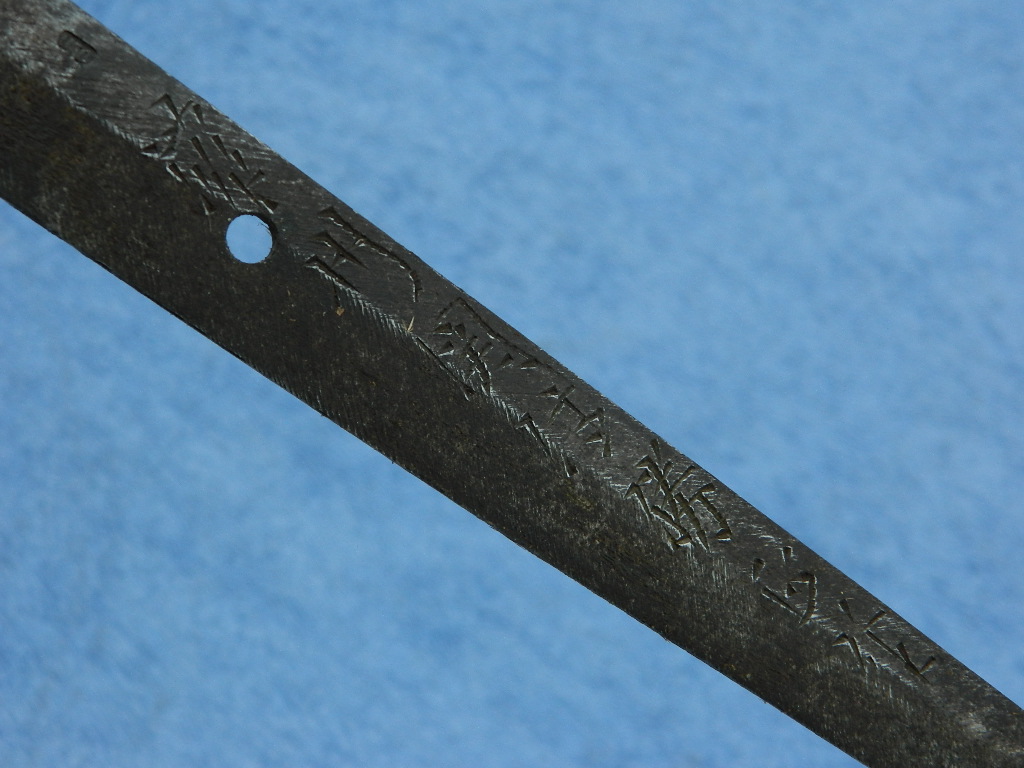
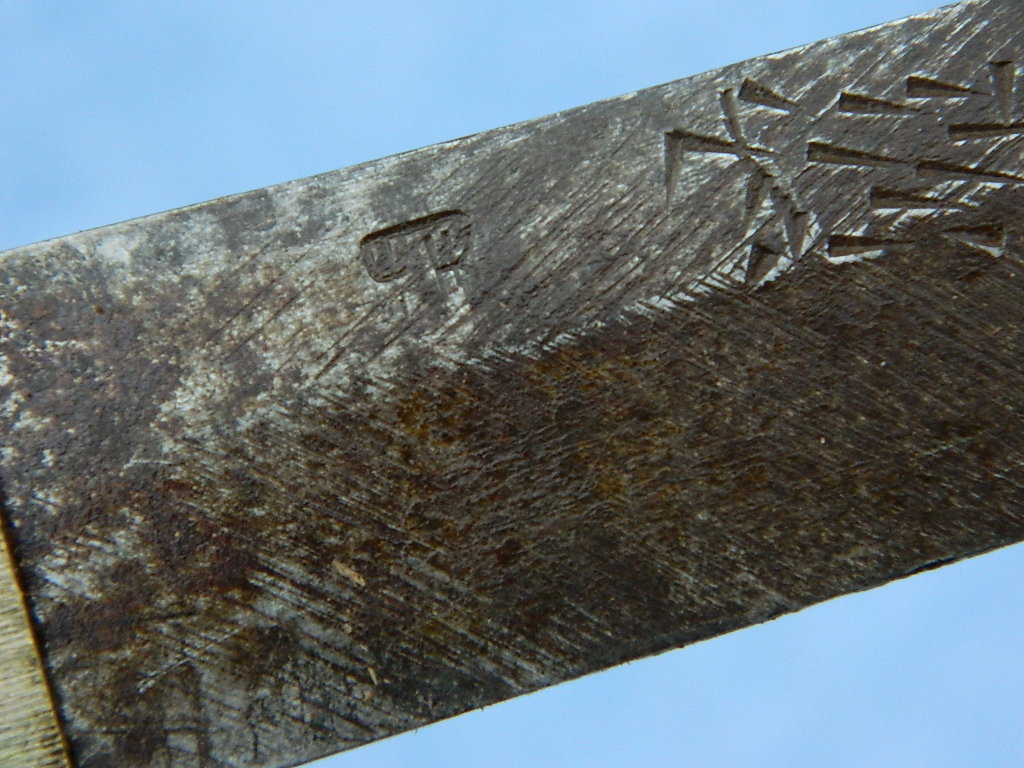
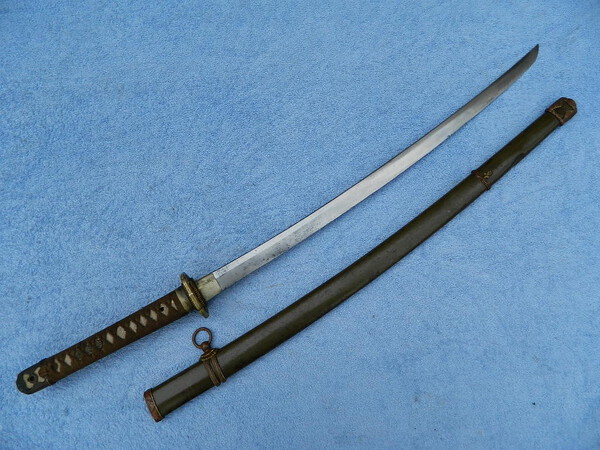
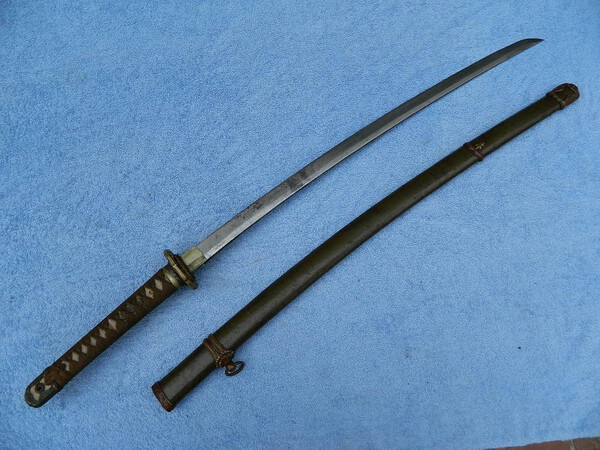
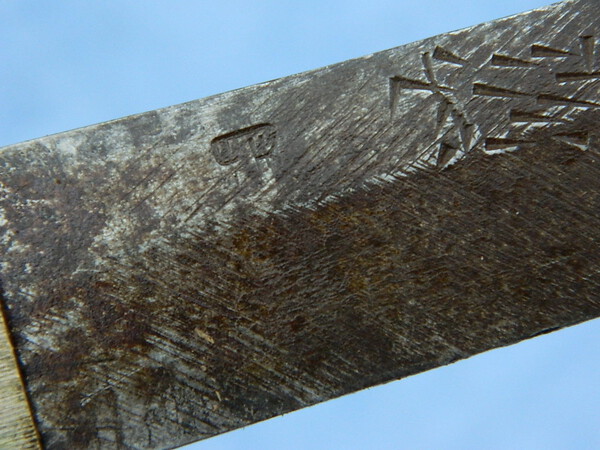
G'day, As suggested, I have attempted to read the kanji on my latest 2 acquisitions. I think this first one says Awaji Shu Kuni Daijo .........Saku, but obviously I stand ready to be corrected. I should add that I find these 'chiseled kanji really difficult to make out and compare with the illustrations. I have also made no attempt to clean either nakago following the advice I received following my last post. I'd also be grateful for any information on the stamping which I have also photographed. Anyway, pictures of this first sword are attached. I'll post pictures of the second blade separately.


-

Milne Bay Sword - Lt Gordon Harvey 42nd Bn 2/AIF
dnmmilo replied to dnmmilo's topic in Translation Assistance
Thank for the guidance Brian. With regard to value, I intend keeping this sword so I suppose its a notional drop but a painful one nonetheless. -
Milne Bay Sword - Lt Gordon Harvey 42nd Bn 2/AIF
dnmmilo replied to dnmmilo's topic in Translation Assistance
Thank you Jean, You clearly know a great deal. As I mentioned in my earlier post, the state of the nakago is my doing. When I purchased the sword from Bob Harvey, the Tsuka was extremely difficult to remove. Bob and his father had kept the blade well oiled but the haft was very heavily oxidized and had fused into the wood of the Tsuka. While one character was very partially visible it certainly wouldn't have been possible to make out the signature without removing the encrusted oxidisation. In retrospect, I realise I shouldn't have touched the sword but I now know better. Cheers David -
Milne Bay Sword - Lt Gordon Harvey 42nd Bn 2/AIF
dnmmilo replied to dnmmilo's topic in Translation Assistance
G'day Jean, I am most grateful to you and the other members for sharing your knowledge and experience with us. I have tried to follow your conversation as best I can (given my limited knowledge of the subject) but would really appreciate it if you could outline it in layman's terms for me as I am obviously interested in it and whether it applies to my sword. Cheers David -
Milne Bay Sword - Lt Gordon Harvey 42nd Bn 2/AIF
dnmmilo replied to dnmmilo's topic in Translation Assistance
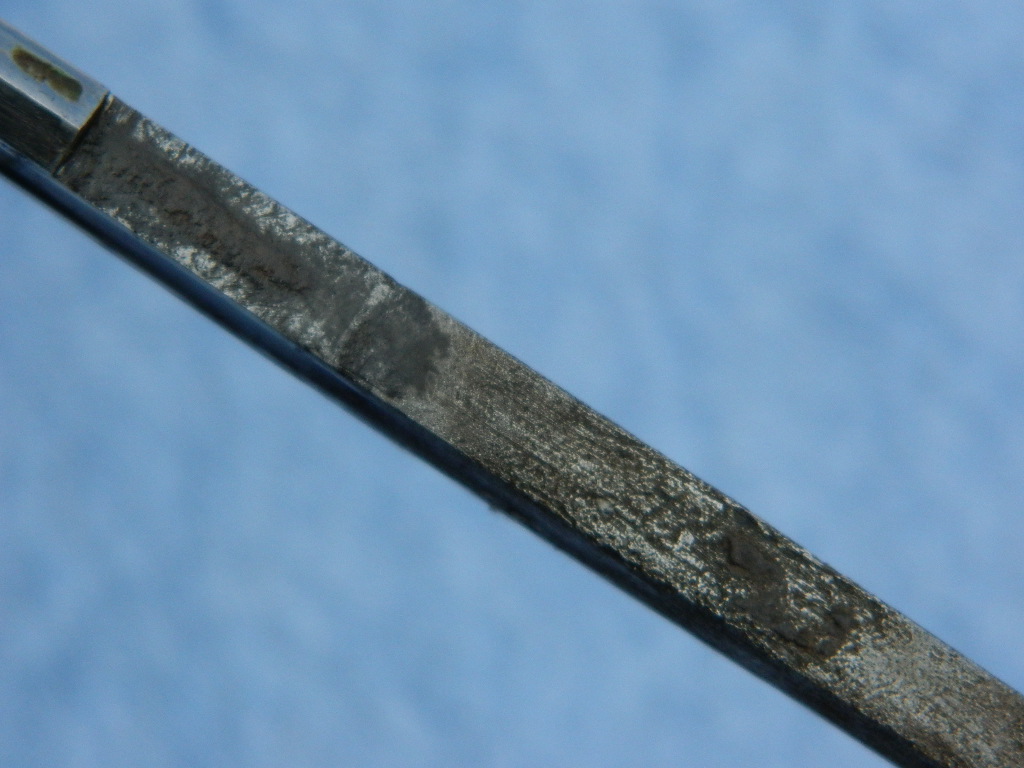
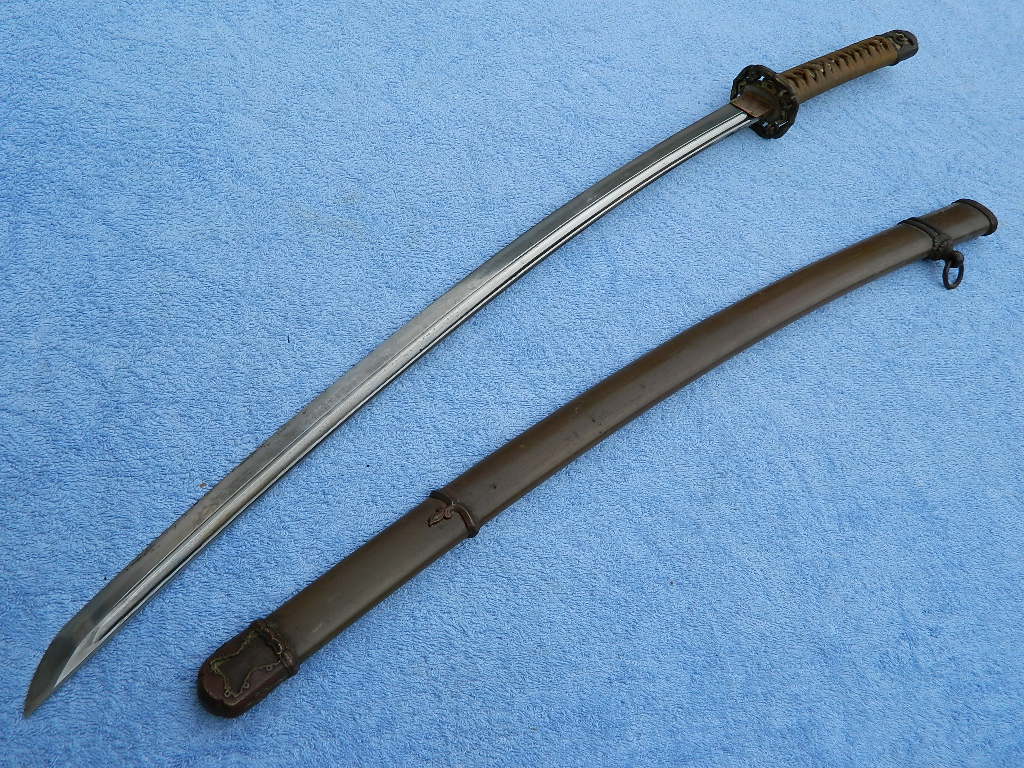
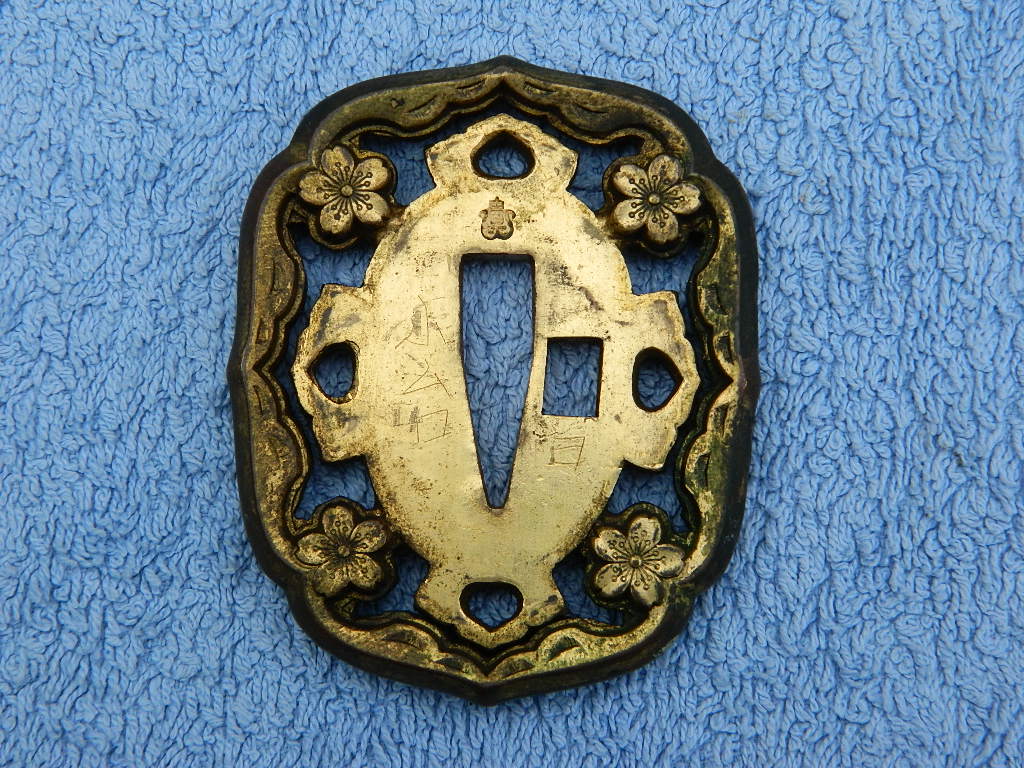
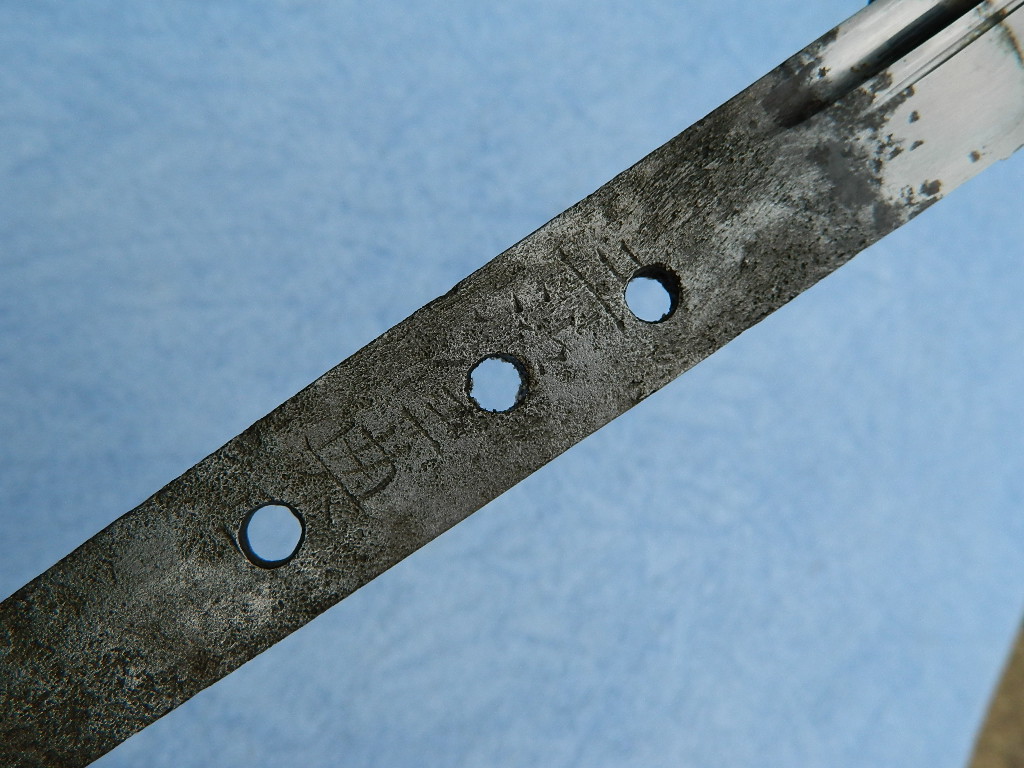
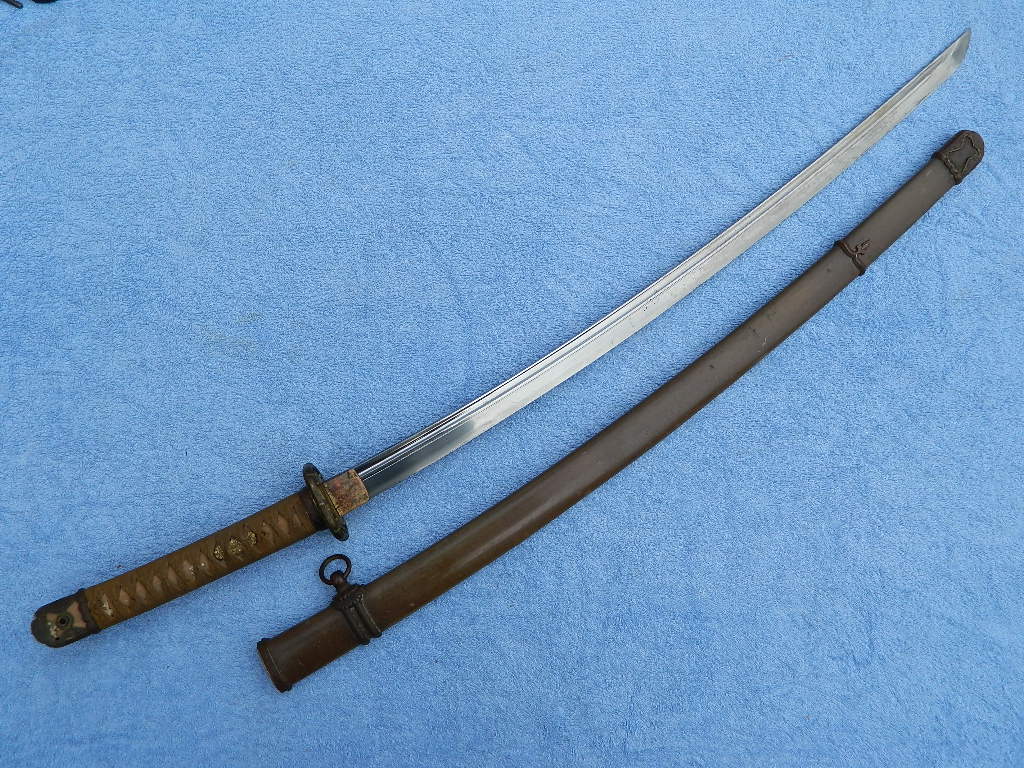
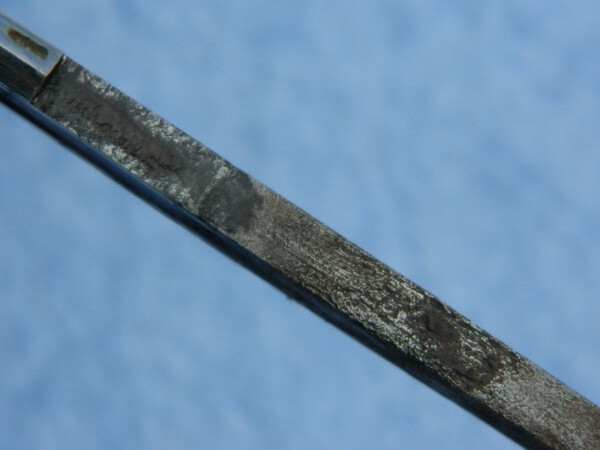
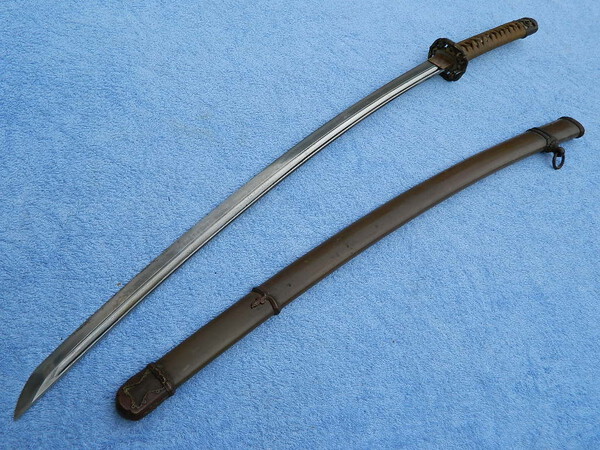
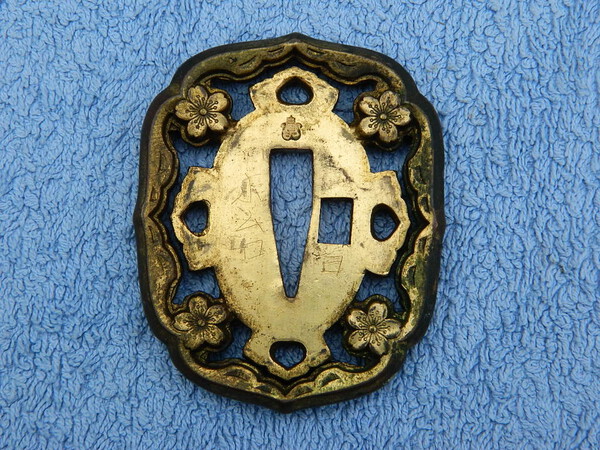
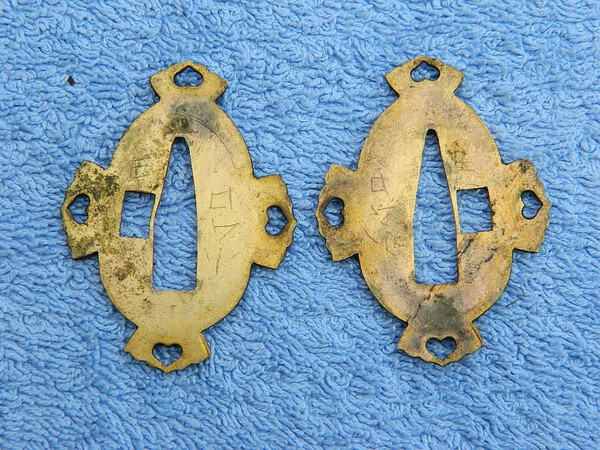
G'day Guys, I've attached a couple more photo's and can take more if anyone would like to see them. One of these pictures is of the edge of the nakago which looked as though it may have had a character on it, alternatively it may just have been the cicatrice from the oxidization. I've also photographed the unmarked side of the haft another of the whole blade. Lastly, there are some characters scratched into the seppa and tsuba. Thanks for all of the interest and information. Cheers David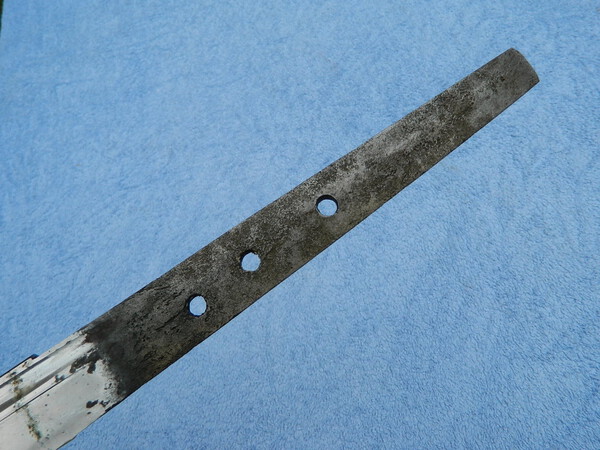
-
Milne Bay Sword - Lt Gordon Harvey 42nd Bn 2/AIF
dnmmilo replied to dnmmilo's topic in Translation Assistance
Cheers Brian, As for the over cleaning, I'll have to put my hand to that. When Bob brought the sword over it took a fair amount of time and WD40 to remove the Tsuka as it was pretty well stuck. Once it was off it was pretty clear that while Bob and his father had kept the blade well oiled the haft was very heavily oxidized. My reason for cleaning it was simply that one character was very partially visible but certainly not readable. Thanks again, I really do appreciate the time and effort you fella's put in to educating those of us with an interest - David -
Milne Bay Sword - Lt Gordon Harvey 42nd Bn 2/AIF
dnmmilo replied to dnmmilo's topic in Translation Assistance
Thanks for all of your comments and for your information. With regard to my previous question, I was interested to know whether the additional holes and the style of the blade where also an indicator of age and maker or whether they are just a characteristic of this particular smith? Cheers David -
Milne Bay Sword - Lt Gordon Harvey 42nd Bn 2/AIF
dnmmilo replied to dnmmilo's topic in Translation Assistance
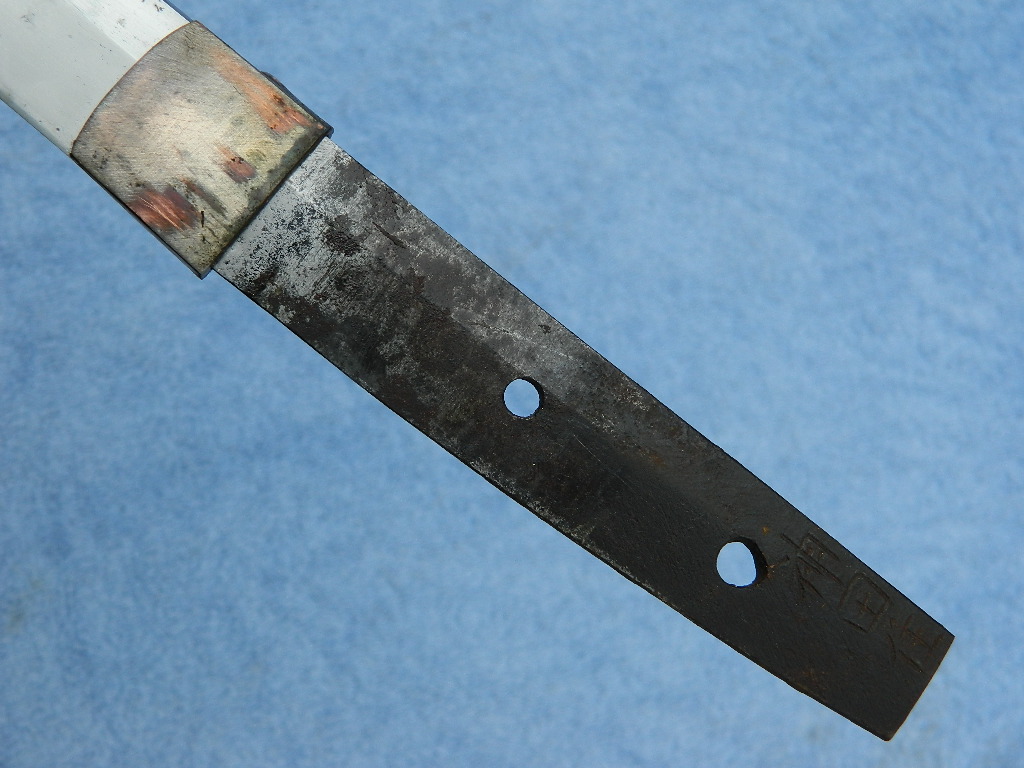
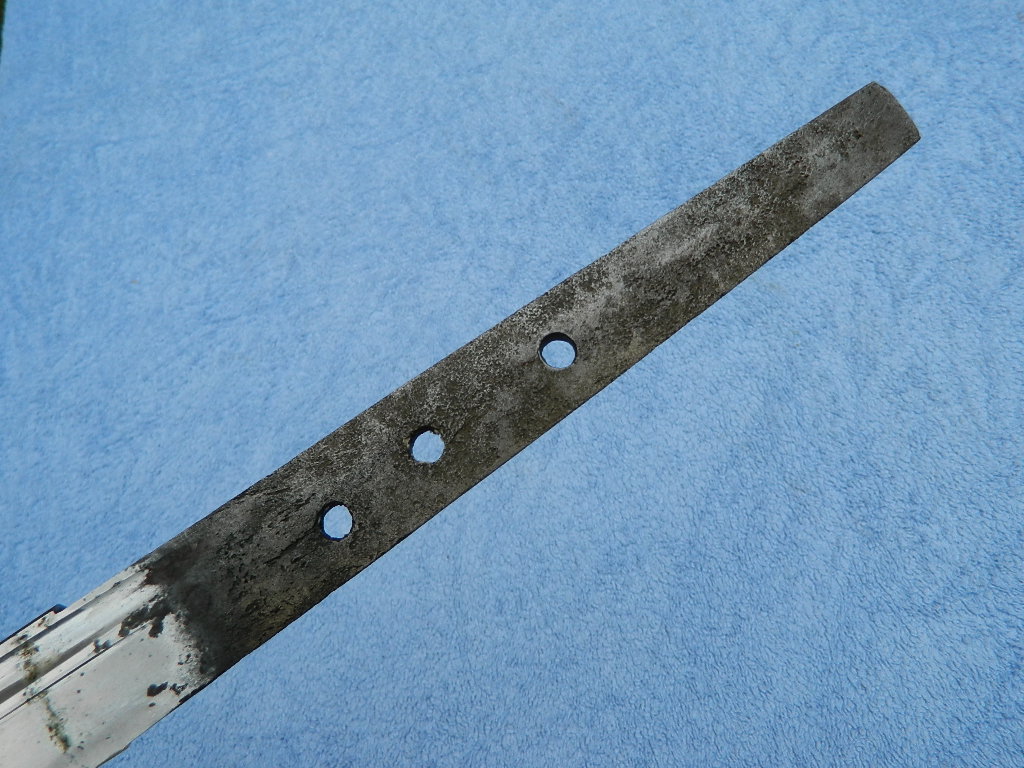
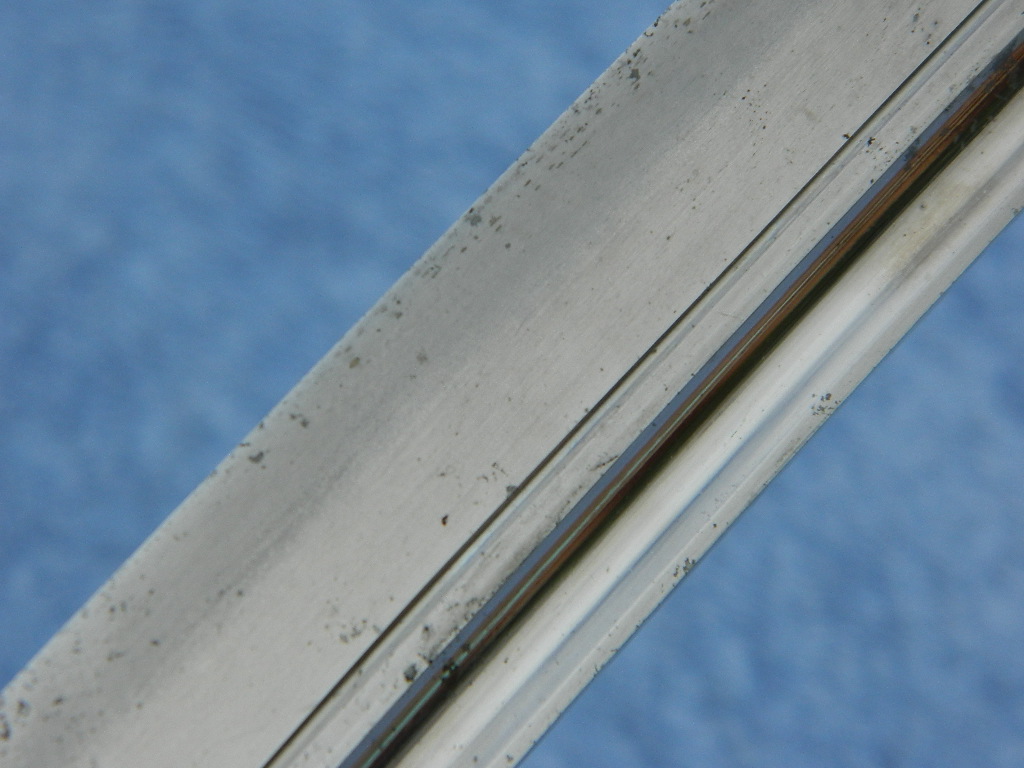
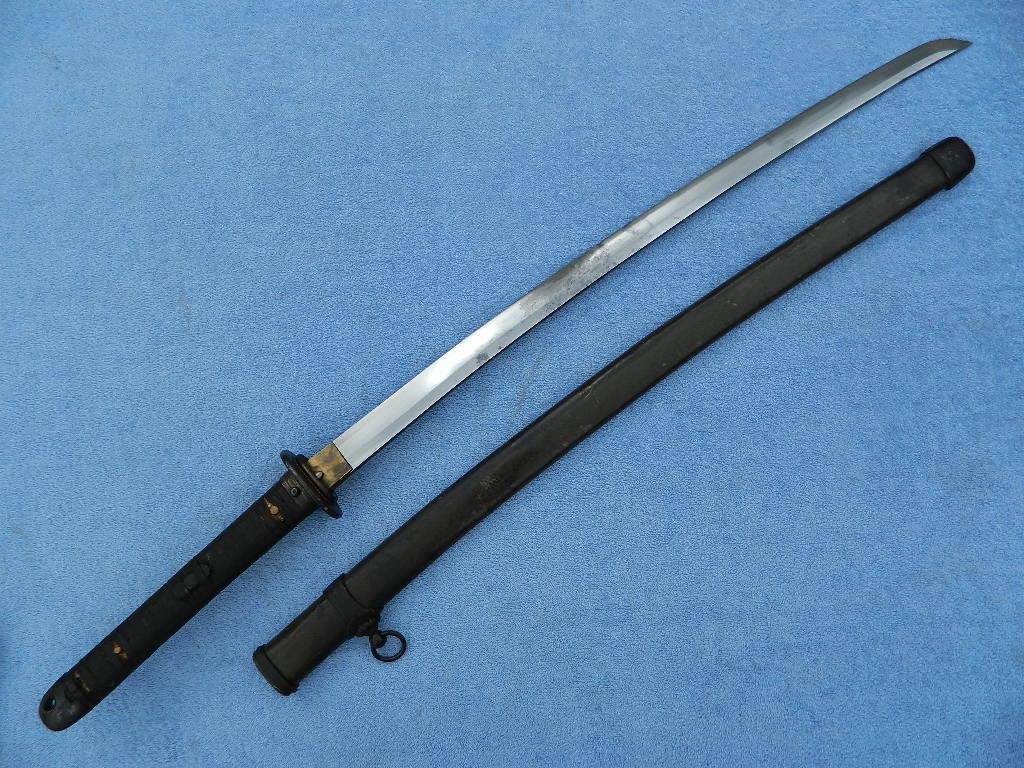
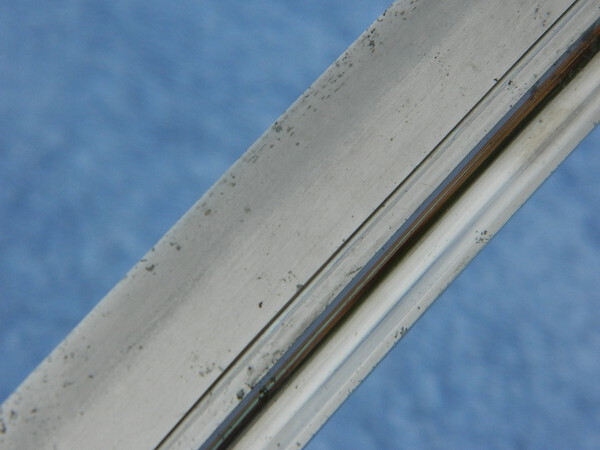
The sword appears to my inexperienced eye to have had additional mekugi-ana drilled into the nakago to attach the tsuka. These appear to have obscured the inscription which I cannot translate. I'd be really grateful for any information on the sword and specifically on the blade type. One specific question I do have concerns the fuller in in the blade is that an indicator of age or style or smith or none of the above? Additional pictures attached. Let me know if any other pictures would be useful. Cheers David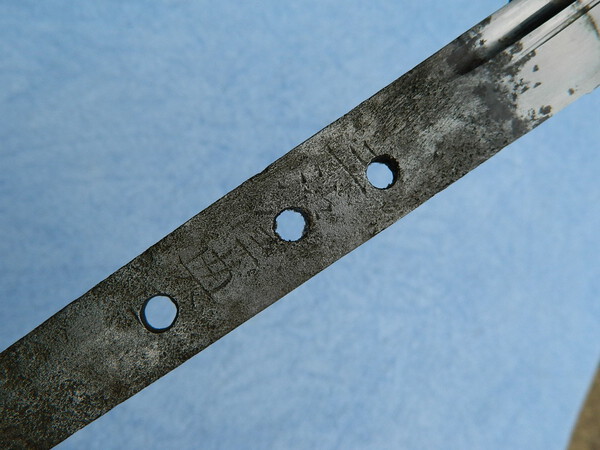
-
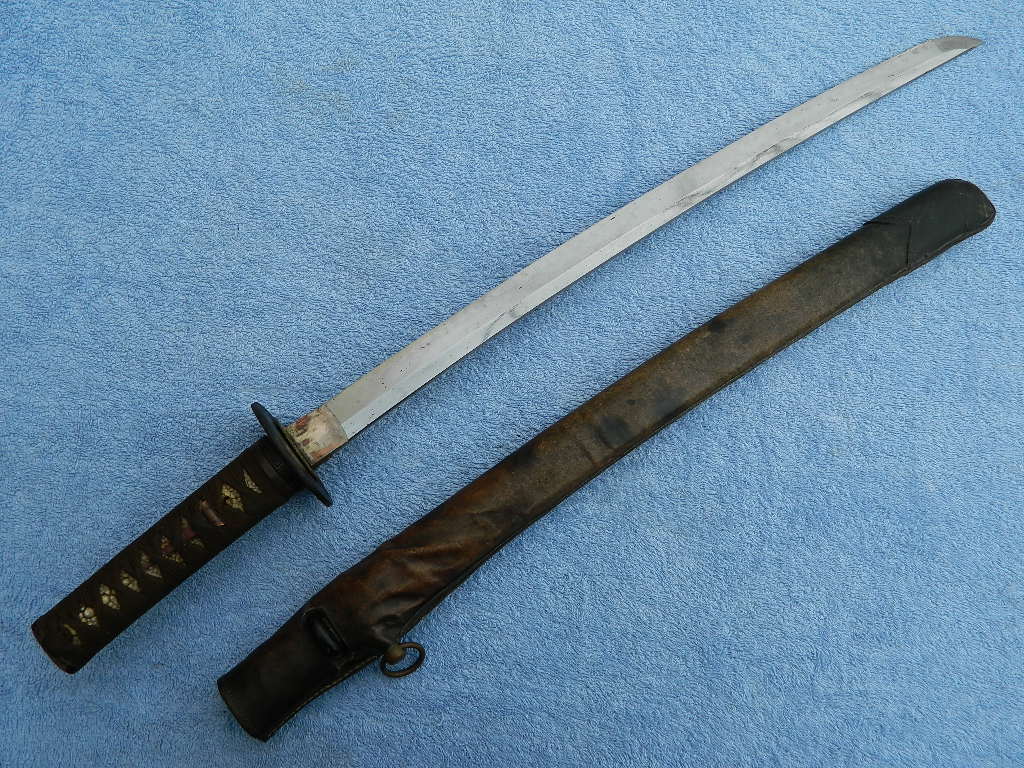
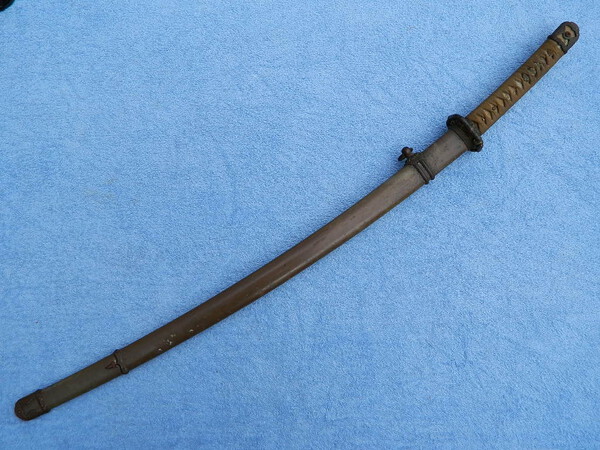
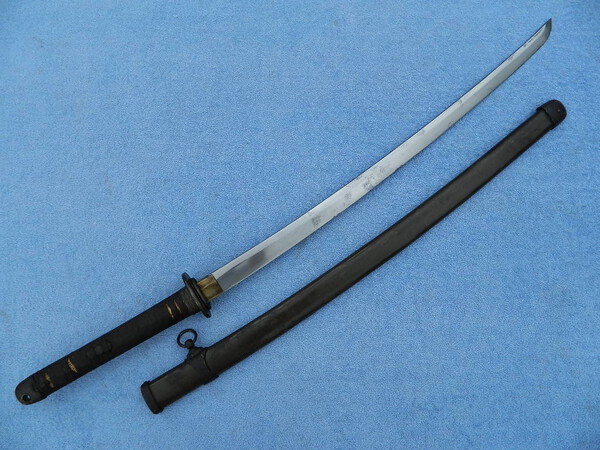
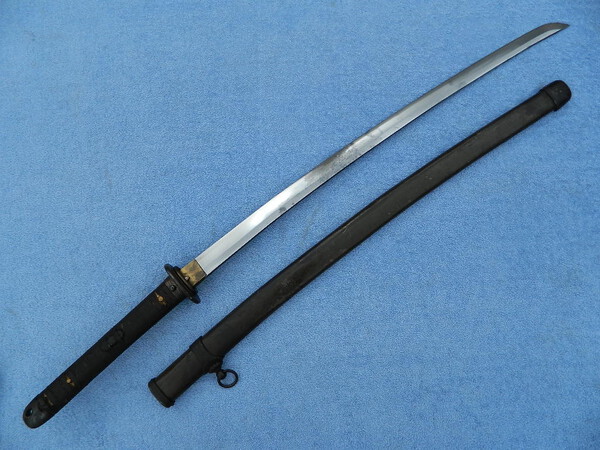
I recently purchased this sword from Bob Harvey here in Canberra. Bob is the son of Gordon Harvey, an officer who served with the 42nd Battalion 2/AIF in New Guinea who Bob states picked this sword up either during or immediately after the Battle of Milne Bay. Although I was happy to buy the sword I did suggest that Bob keep it in the family, as it is an heirloom. but he was keen to sell it as he doesn't like it in the house. He was good enough to provide me with a photograph and some newspaper cuttings about his father which I have attached. Lt_Gordon_Harvey_42_Bn.pdf Lt_Gordon_Harvey_News_Article_Jan_1970_-_Townsville_daily_Bulletin.pdf

-
Out of the Woodwork - 2 New Type 98 Gunto - Crude Mei
dnmmilo replied to dnmmilo's topic in Translation Assistance
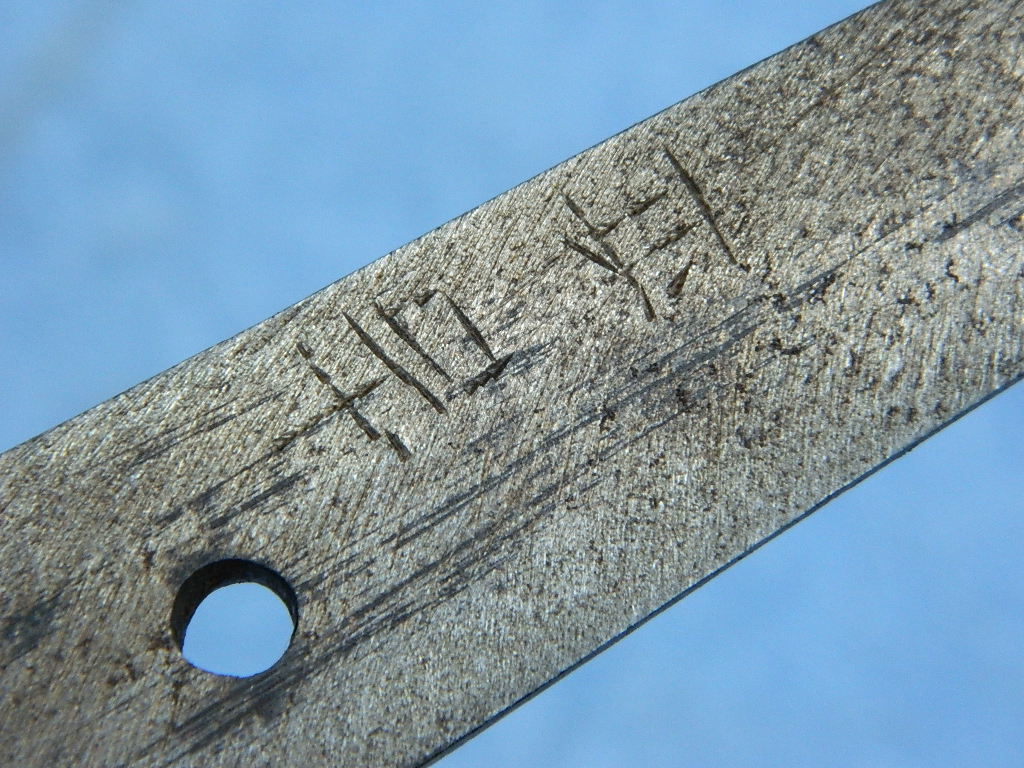
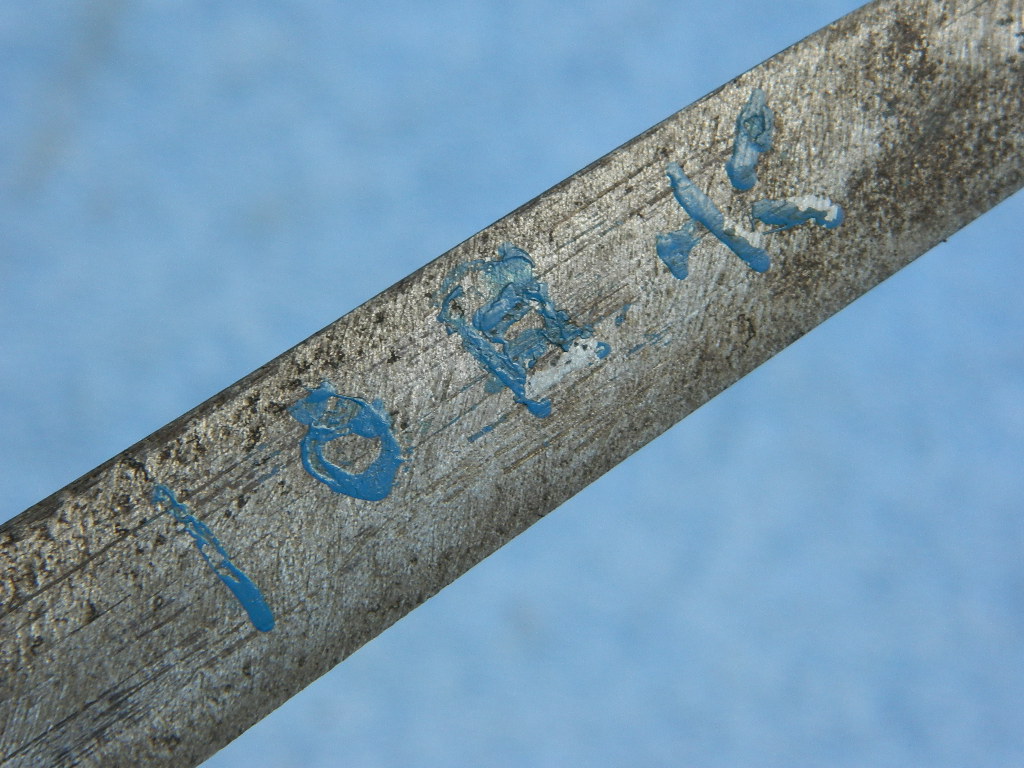
To all of you who have helped me with these translations, thank you, I am hugely grateful. I have tried to translate both and I believe (with a great deal of help from George) that the first reads "noshu seki.............Kane Hiro.... I could only read the second with assistance and I would not have got the 'Yoshi chika' without it. While I'm sure to the more experienced members the characters are fairly clear I found Yosichika mei difficult to interpret. The stamp I know is a Seki stamp If I've misunderstood I'm more than happy to be put right and would appreciate a definitive interpretation if a more experienced member could cast an eye. Cheers and thanks again. David -
Out of the Woodwork - 2 New Type 98 Gunto - Crude Mei
dnmmilo replied to dnmmilo's topic in Translation Assistance
Thanks George, I can see with you having guided me that the first is Kanehiro but I wouldn't have got Yoshichika. Cheers David -
Out of the Woodwork - 2 New Type 98 Gunto - Crude Mei
dnmmilo replied to dnmmilo's topic in Translation Assistance
Thanks George, I'll re-post the right way up this time!!! First Sword: Second Sword: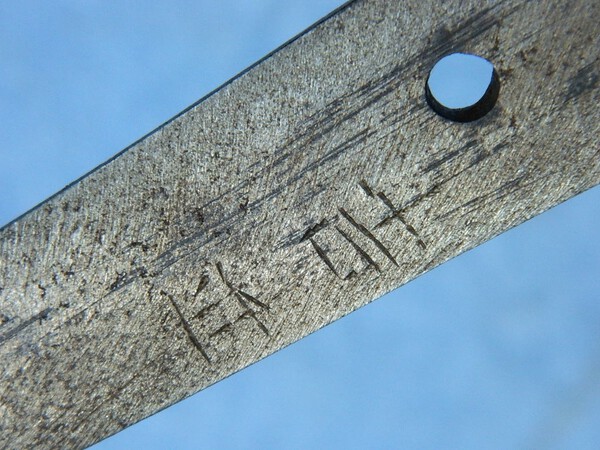
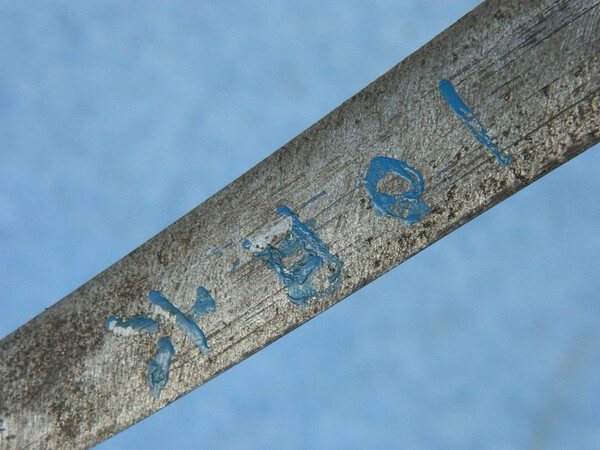

-
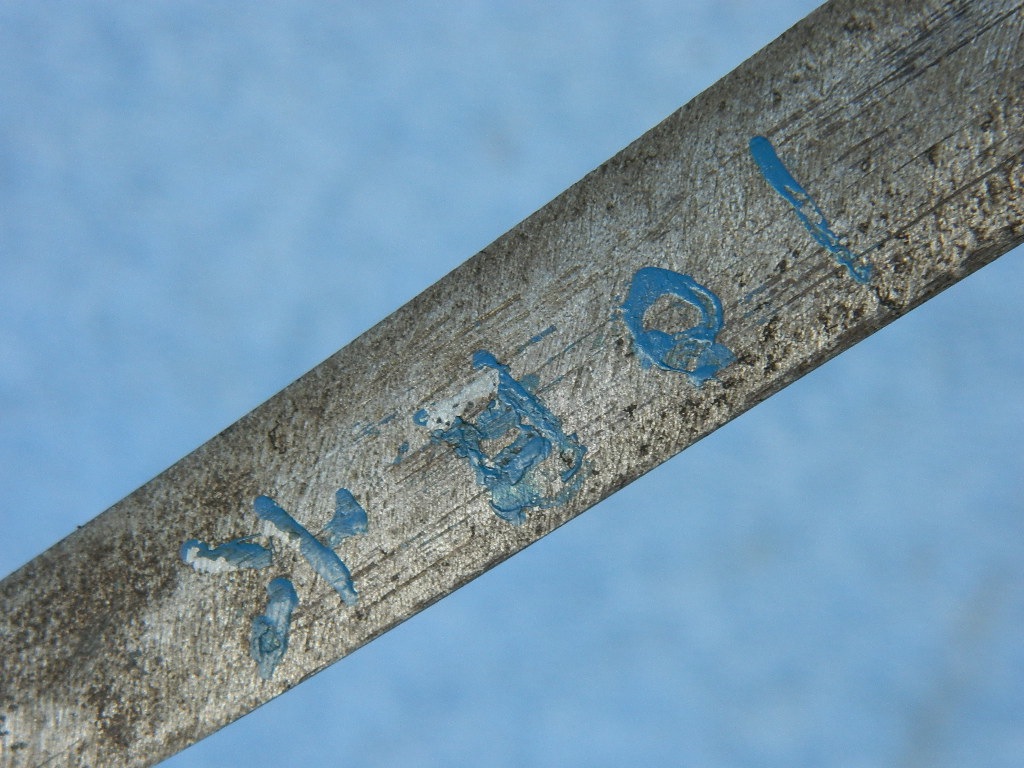
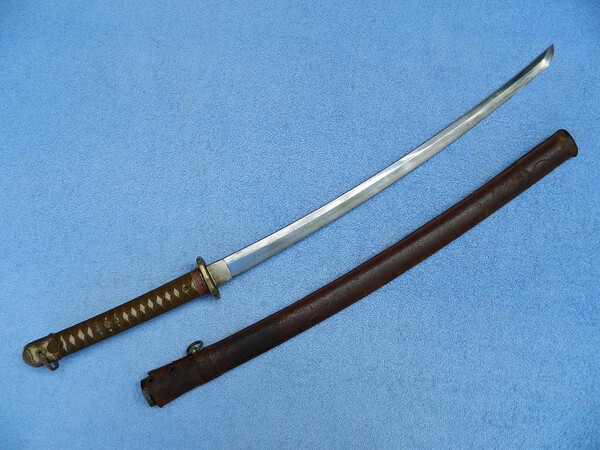
G'day, I recently had the opportunity to purchase two Type 98 Gunto from a local seller (see pictures of both swords as found): I have subsequently removed the tsuka and taken some photos of each sword which I have also attached. As David Flynn advised on one of my other recent purchases I have made no attempt to clean either sword, although I have oiled both blades. The script on the first sword is: I'd be most grateful for any translation assistance, especially for the very crudely carved Mei and blue script on the second sword: Cheers David



-
Unidentified Type 3, Pattern 44 - Handwriiting on Tsuba
dnmmilo replied to dnmmilo's topic in Translation Assistance
Thanks Guys, Really appreciate you educating me. Have a good one. David -
Unidentified Type 3, Pattern 44 - Handwriiting on Tsuba
dnmmilo replied to dnmmilo's topic in Translation Assistance
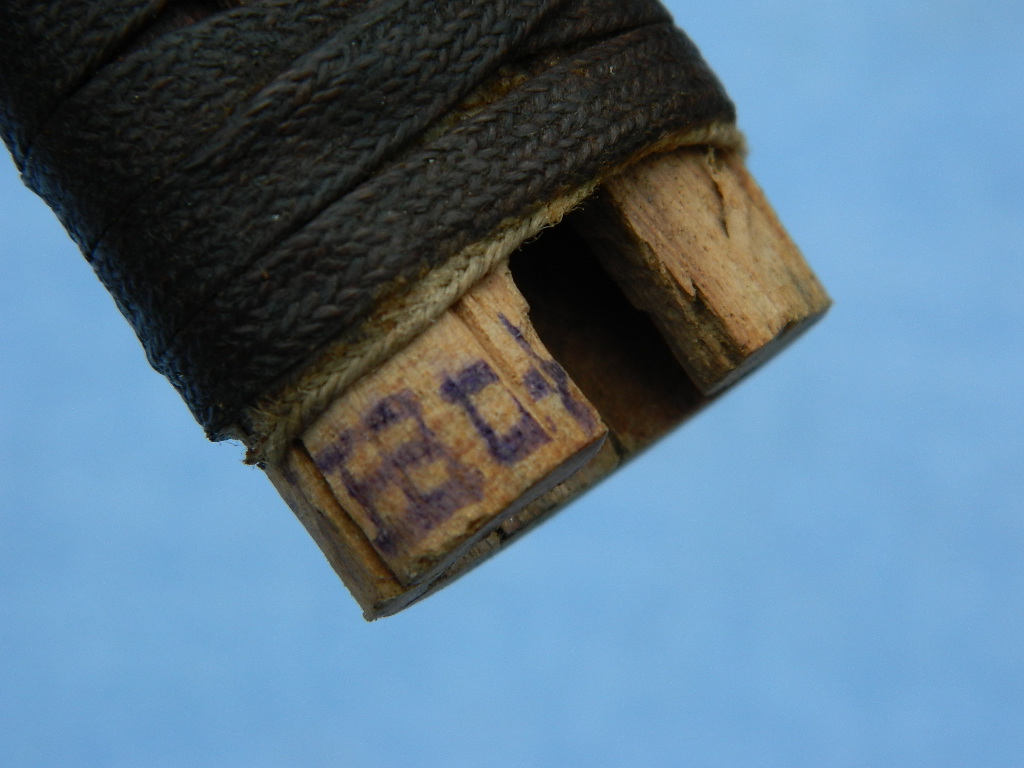
G'day Simon, Chris, That's spot on guys, thank you. Have either of you ever seen writing around the base of the Tsuka like that? I suspect its too worn/faded to read but it appears to have been written in old fashioned indelible ink (which is often that violet colour). Cheers David -
G'day Fella's, I've just received in part exchange an unattributed Type 3 and would really appreciate some assistance identifying the maker and date of manufacture as well as some handwritten Japanese around the base of the tsuka. I intend listing the sword shortly so any information would be most welcome. I've attached some pictures of both inscriptions and the sword as a whole. There is also a handwritten inscription around the base of the Tsuka and I have attached pictures of that as well. Last time I asked for assistance I was contacted by a member who suggested that I offer a discount to members of the board and I'm happy to do so. If you let me know you are a member of the Nihonto Message Board when you purchase from either my e-bay listings or my http://www.ANZACBLADE.Com site I'd give 5% or half price postage, whichever you prefer. Cheers David



-
Cheers David, The other sword came with the Tsuka, Tsuba and Seppa in a bag, although they're all marked with the same number. Regards David
-
G'day David, I suspect from the question that I'm about to get a bollocking, but yes the I did clean the tang of the kunehiro signed one with rifle oil and flannelette. Is that an own goal? As the handle had clearly not been removed for so long it was extremely dirty, not oxidised, just dirtty. I haven't touched the blades which are both oiled and await your advice. Being a reletive novice when it comes to these weapons I'm more than happy to hear any guidance you or others may have on how to care and preserve them. Cheers David
-
Haben Sie vielen Dank Klaus. I suppose the fact that Kunehiro was listed as rikugun-jumei-tōshō would explain the 2 stamps below his signature. Now I just have to understand what they are. Thanks again for your efforts. Auf Wiedersehen David
-
G'day George, Really grateful to you mate for your assistance with that attribution. The generosity of guys on this board who, like you, are willing to share their knowledge with novices like me is really admirable. Cheers Cobber - David
-
Cheers David, I'm grateful for that mate. I've not come across Kikuhide before so that is a really useful steer. Forgive my ignorance, but what do you mean by the term Na Stamp, I assume you're referring to the 2 tang stamps below the signature? Anyway thanks again mate for the info, I really appreciate the help.
-
G'day, I wonder if anyone can assist me here. I recently managed to buy 2 Type 3 Gunto from a seller close to where I live in Central New South Wales. I've attached photos of the inscriptions on both swords. Matt J has assisted me in identifying the the bottom sword which is signed Kunihiro. The top sword though has us stumped and I'd really appreciate any assistance on what it reads which we think might be ..........hide. In addition any background on either make would be most gratefully received. As for the dates, the top sword is Showa Ni Jyu Nen Ni Gatsu, or Feb 1945 and the bottom sword is Showa Jyu Ku Nen Go Gatsu, or May 1944. Cheers David