Freedomnasa
-
Posts
34 -
Joined
-
Last visited
Freedomnasa's Achievements






-
This sword originally a tachi?
Freedomnasa replied to Freedomnasa's topic in General Nihonto Related Discussion
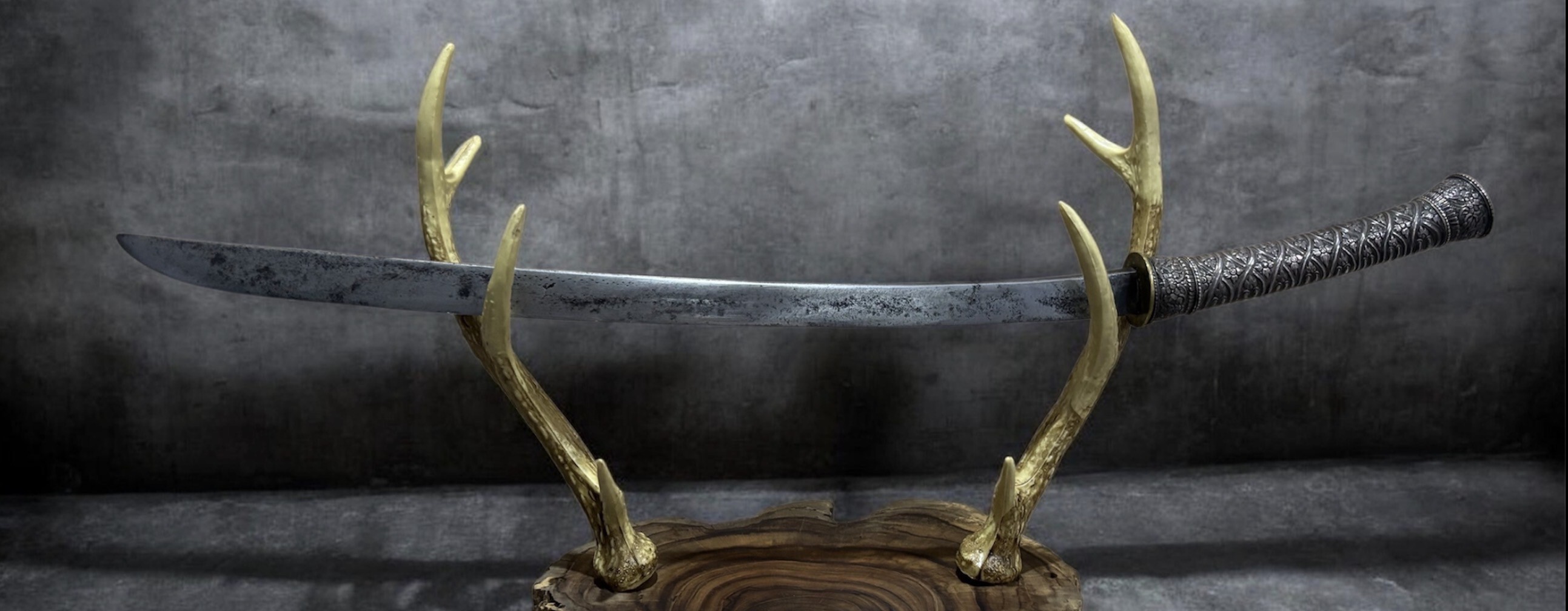
"Thank you for sharing your insight! I really appreciate your perspective. I agree with you that it has a strong Koto vibe. Based on the Sugata and the Nakago, I also suspect that it might be an 'O-suriage' (shortened) blade, possibly converted from a Tachi to a Katana during the Sengoku or early Edo period. The presence of two Mekugi-ana and the way the Nakago is shaped seem to support this. The fittings also match this 'battle-worn' character perfectly—especially the iron Fuchi-Kashira and the Maru-gata Tsuba with Udenuki-ana (safety cord holes). It’s a very charming piece of history to hold, even with the heavy patina. Thanks again for your valuable input!" Pown. -
This sword originally a tachi?
Freedomnasa replied to Freedomnasa's topic in General Nihonto Related Discussion
Thanks Lex for your comment. -
This sword originally a tachi?
Freedomnasa replied to Freedomnasa's topic in General Nihonto Related Discussion


-
Hello everyone. I'd like to ask for your opinions on this sword. I just acquired it. The tang has no mei. Based on the blade shape, is there a possibility it's a tachi sword with the tang cut off? thank Pown


-
I just bought this set and it's on its way to me, so I wanted to know what other members think.
-
This set comes with a tsuba (Japanese steamed bun) as you can see in the picture, but I intend to use this tsuba to replace the one that came with it.


-
Thank you for your comment . Pown
-
From what era of Japanese history do you think this kosirae belongs? Thank Pown


-
Thank you very much Dale for your information. Best regards Pown.
-
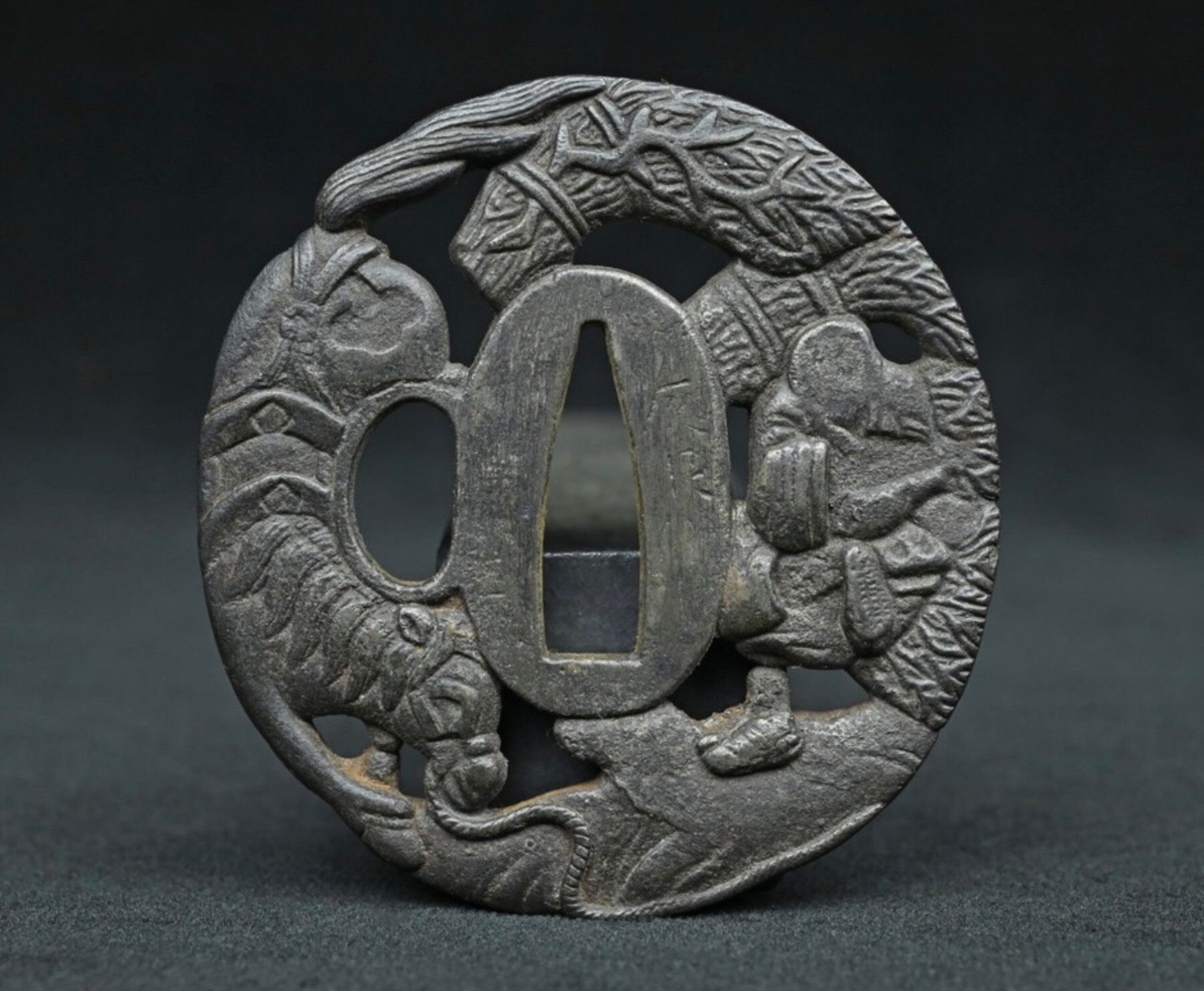
I'd like to hear everyone's opinions about this tsuba (handguard). I recently acquired it and coincidentally found another similar one on eBay. The most noticeable difference is the level of detail. Ref https://ebay.io/m/9dhuqv


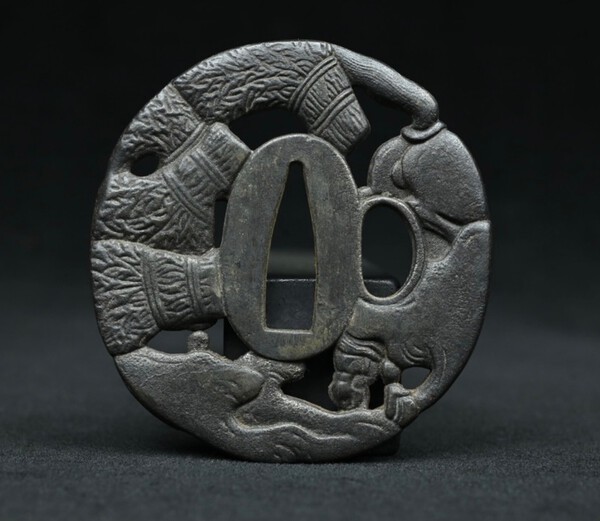
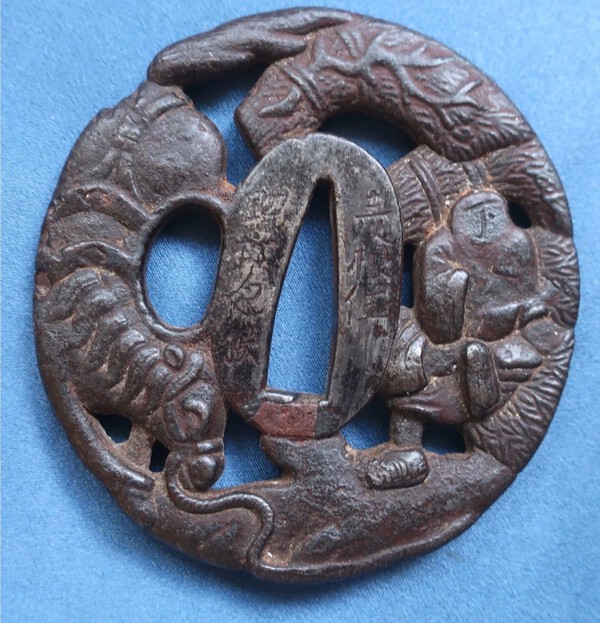

-
Help ,Please translate for Tsuba
Freedomnasa replied to Freedomnasa's topic in Translation Assistance
After Cleaning

-
Help ,Please translate for Tsuba
Freedomnasa replied to Freedomnasa's topic in Translation Assistance
In what era do you think this tsuba was made, and do you have any background information or history about the craftsman that I can use for further study? Pown -
Help ,Please translate for Tsuba
Freedomnasa replied to Freedomnasa's topic in Translation Assistance
Thank you very much Piers best regards Pown -
Could someone who can translate this text please help me?
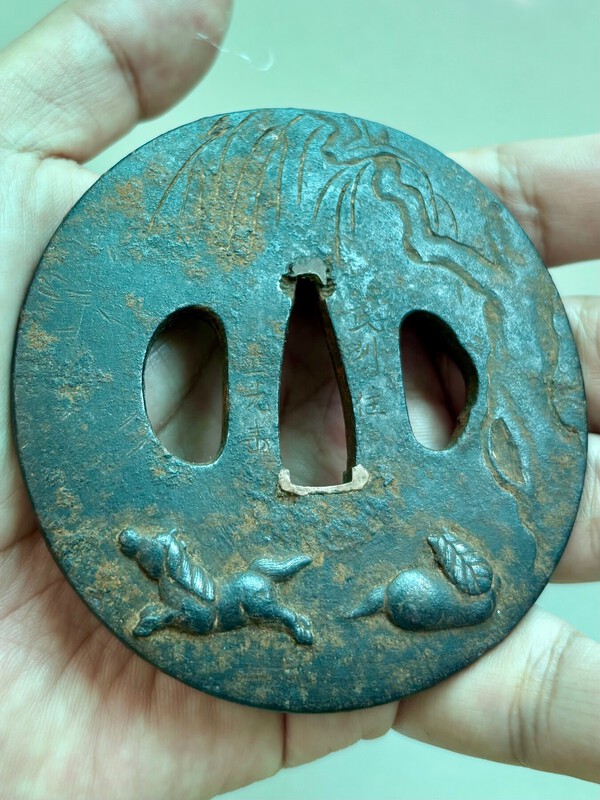
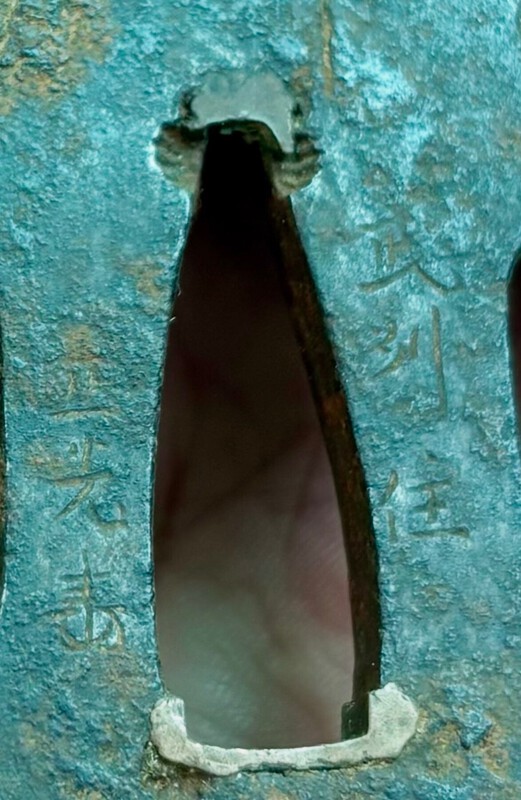
-
Thank you so much Alex for liking it. I didn't polish the blade on this one because I wanted to showcase the blade's age and its natural charm. Best Pown