PNH
-
Posts
2 -
Joined
-
Last visited
PNH's Achievements




-
Translation help - WWII era sword from grandfather
PNH replied to PNH's topic in Translation Assistance
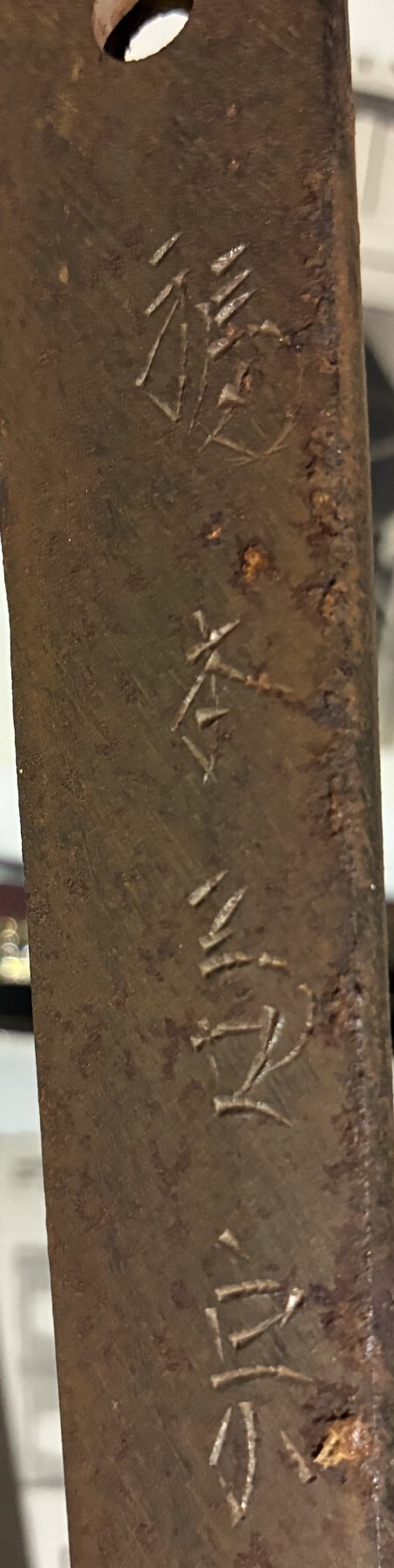
Thank you both! This is great, I will look into Kanemune. Also thank you for the sword care site Bruce, I will use it. It really is a true family heirloom and to learn about another piece of it's history before it came to my family is unbelievable. Xiayang, I did not see any stamp on the nakago, just the signature. Thank you both again so much! -
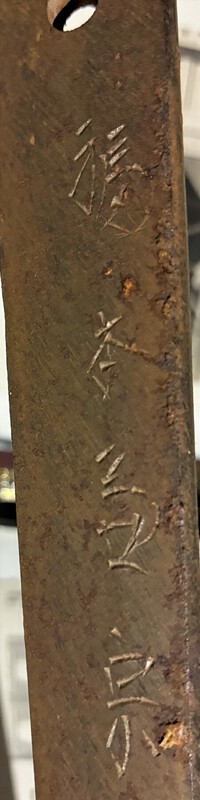
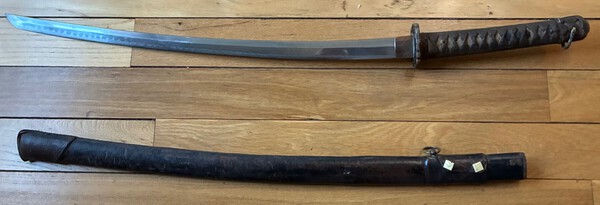
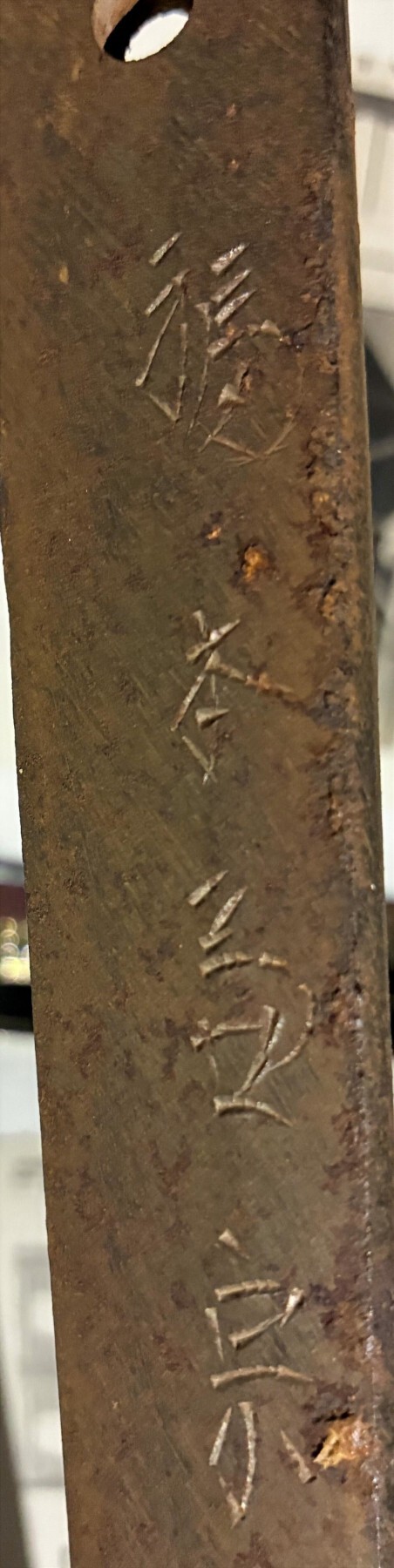
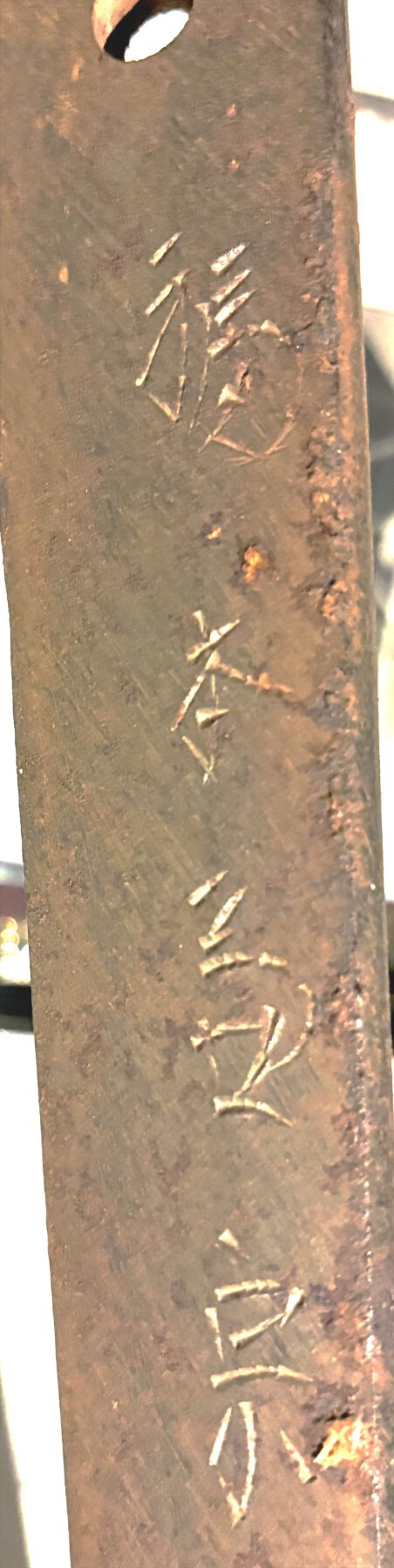
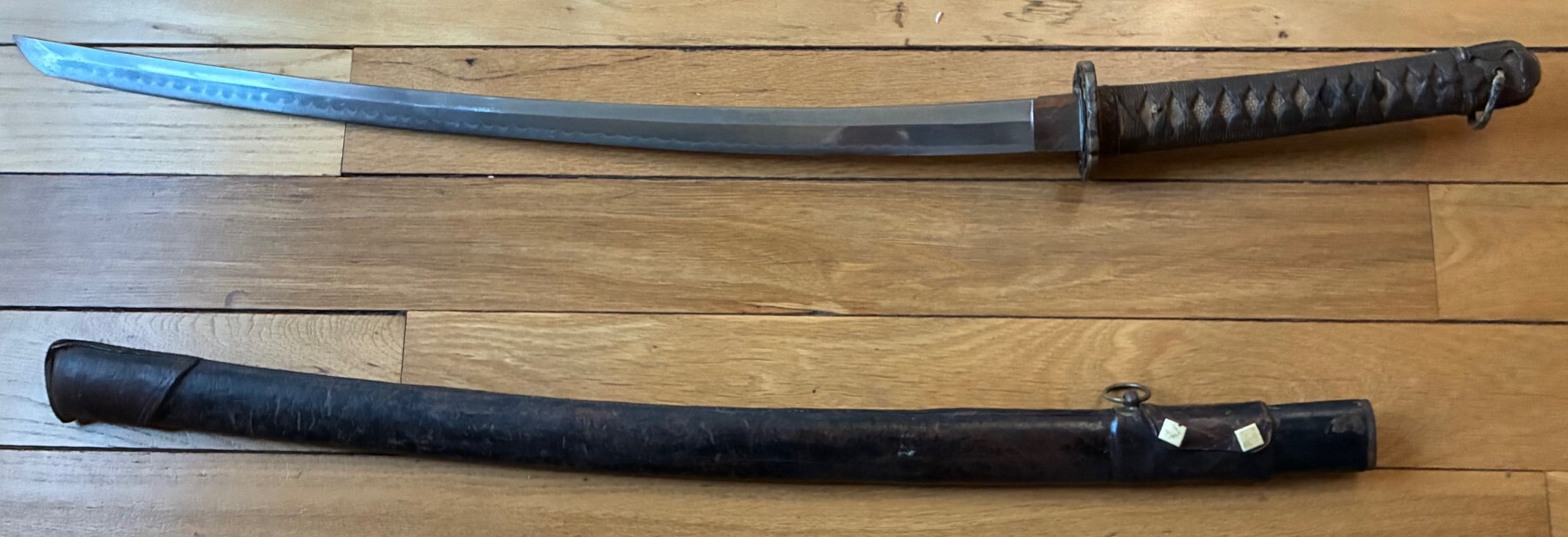
My grandfather was in the US Army in WWII and fought on Mindanao Island in the Philippines in 1945. During that battle, his third in the Pacific, he obtained the pictured sword. I have some good pictures from his time in the war, including a great photo of him with some Filipino rebels in red fez hats. He gave the sword to me when I was 12 and I have always revered it as something special. When he was very old and I was an adult he started to tell me all about the war as if he could finally face it nearer to the end of his life. I asked many questions and he always answered them except once. I asked him how he got this sword and his face contorted and he seemed as if he would tear up. Then he straightened up, gave me a resigned look, and said "No, that one is just for me" and I never asked about it again. I have seen many like my sword in museums, antique shops, and other places, but I always found the scabbard to be unique. It is a leather over wood combat scabbard with either bone or ivory buttons, someone once told me they may have been made by the Japanese officer who owned the sword to replace the stock buttons. Anyway, I am hoping to get help with translating the signature on the tang/nakago, but I have also provided a picture of the sword and scabbard generally. I just took the tsuka off for the first time last week - something that has not probably been done since 1945. Thank you for your assistance and know that I will never sell this sword. It has a place of honor in my house and will hopefully continue to have one in the houses of my descendants. I am providing multiple photos of the nakago, some of which I have tried to artificially enhance to show the writing more clearly.