Fusilier
-
Posts
104 -
Joined
-
Last visited
Content Type
Profiles
Forums
Events
Store
Downloads
Gallery
Everything posted by Fusilier
-
 Sound advice Rohan, it'll be interesting to see how accurate it actually gets over time. Quite a useful metric to apply to AI though; 'can you accurately translate the mei on this nakago?'.
 -
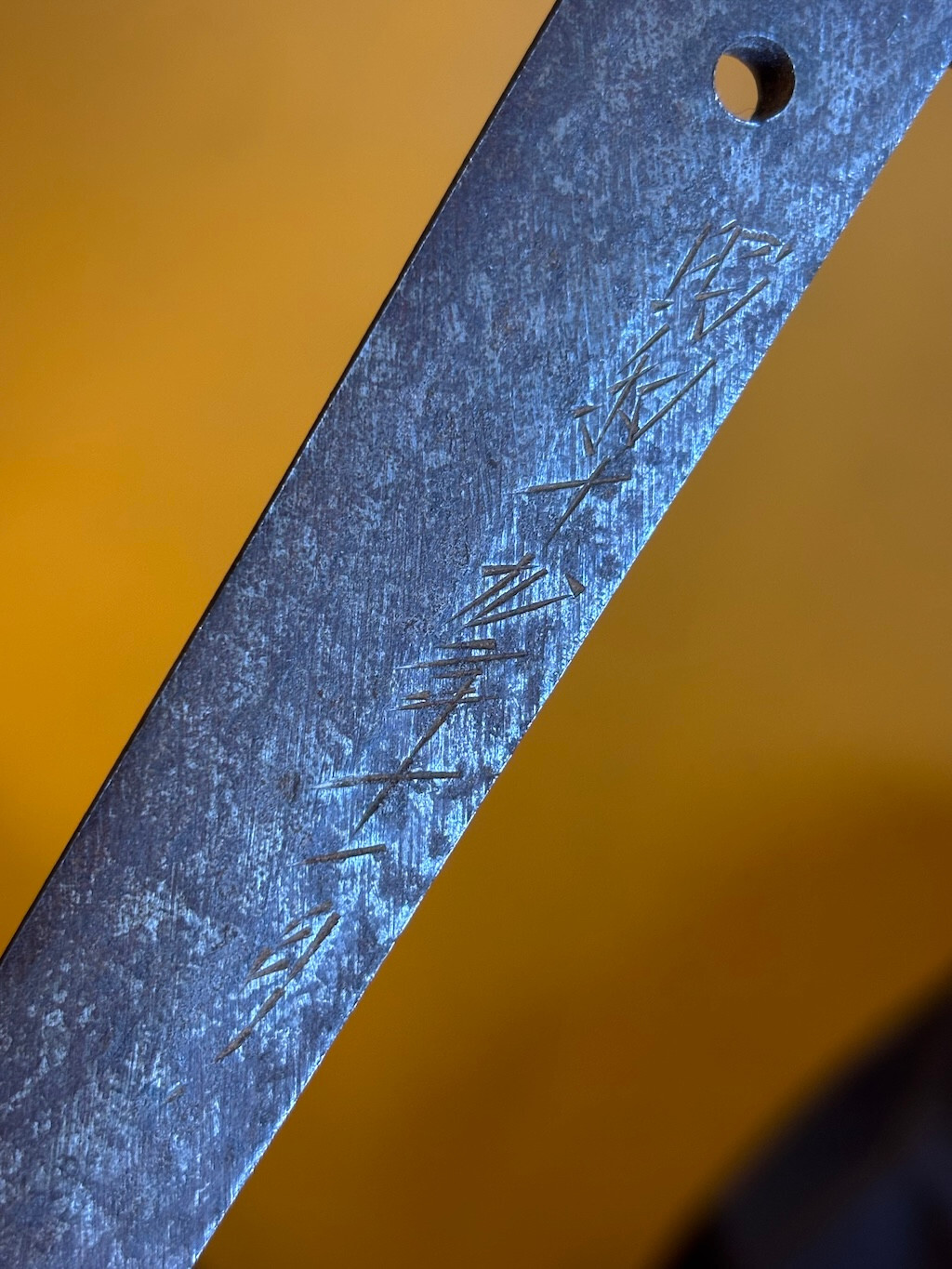
Thanks Guys, I really appreciate that, I was finding it particularly hard to make out the signature and only confused myself further when I had the brilliant idea of asking Microsofts CoPilot AI. It told me the smith was Kanesune which just goes to show that it may be 'Artificial' but its not necessarily 'Inteligent' Mal, really appreciate the detail. I'll get the rest of the swords photographed and posted as soon as I get some time. Happy New Year Every one
-
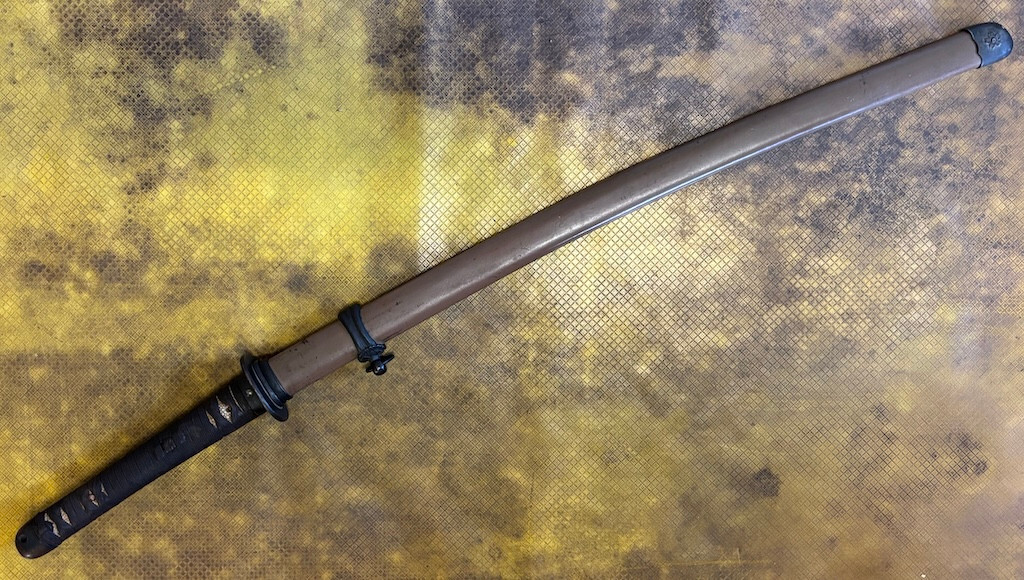
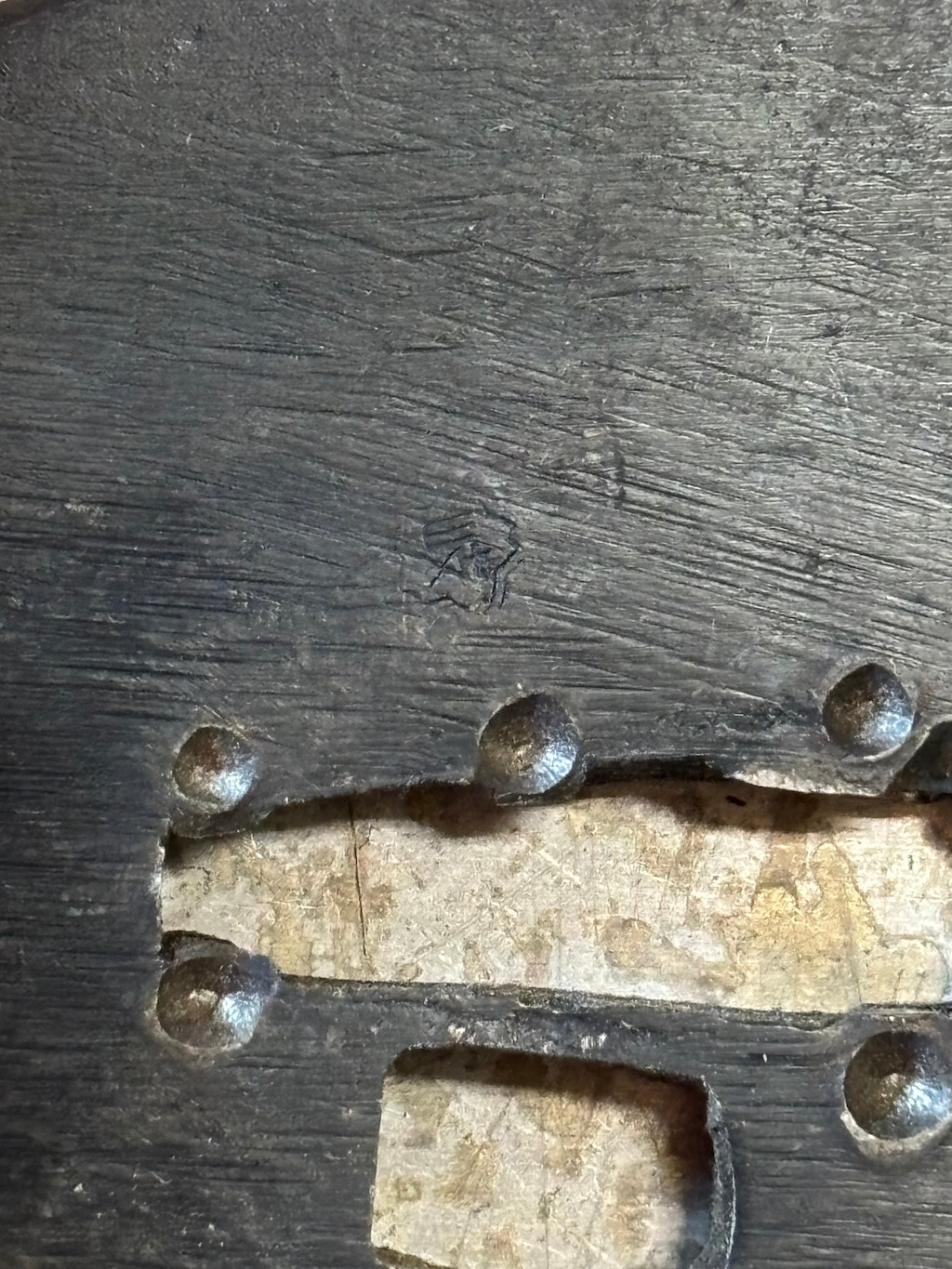
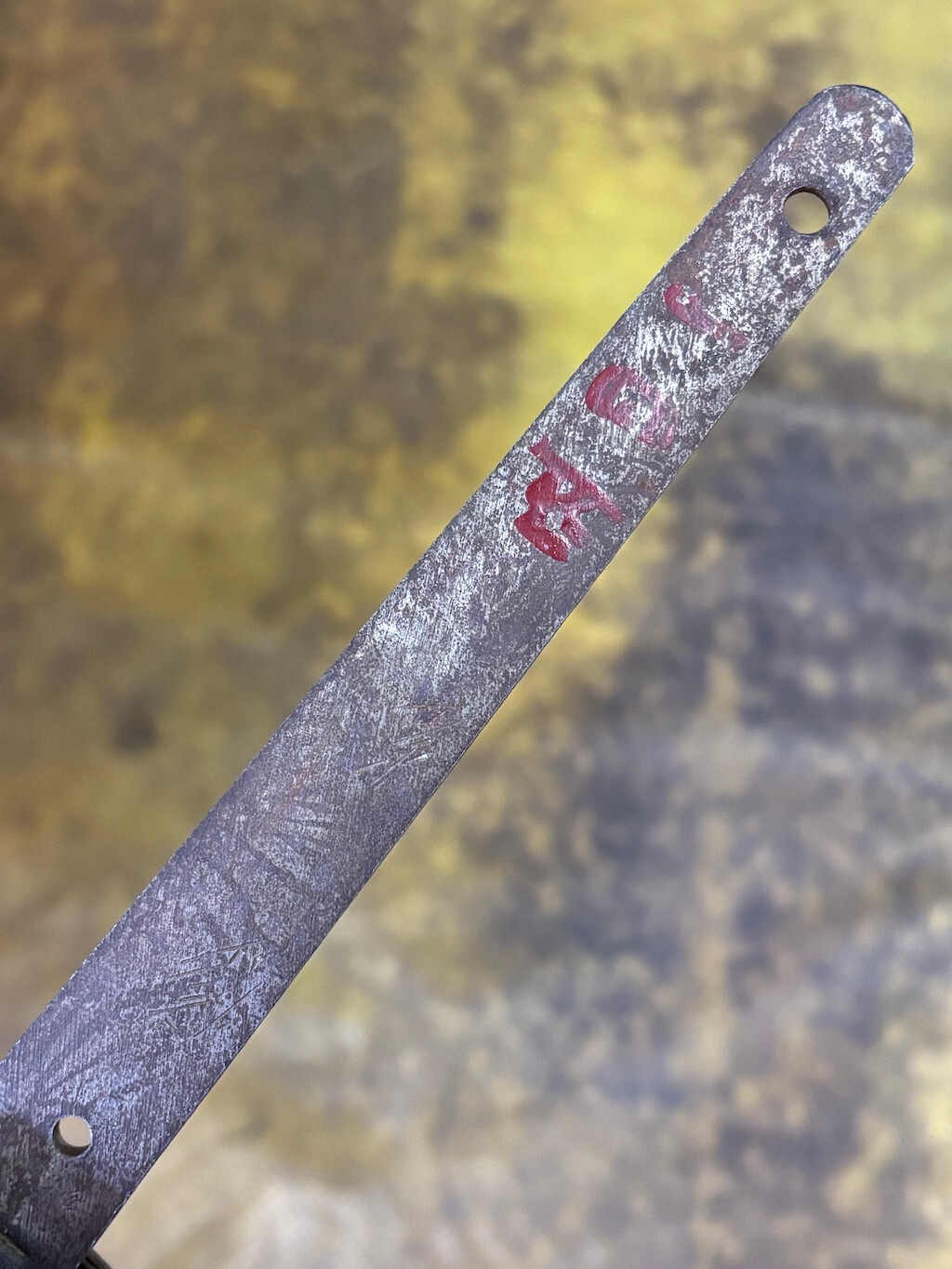
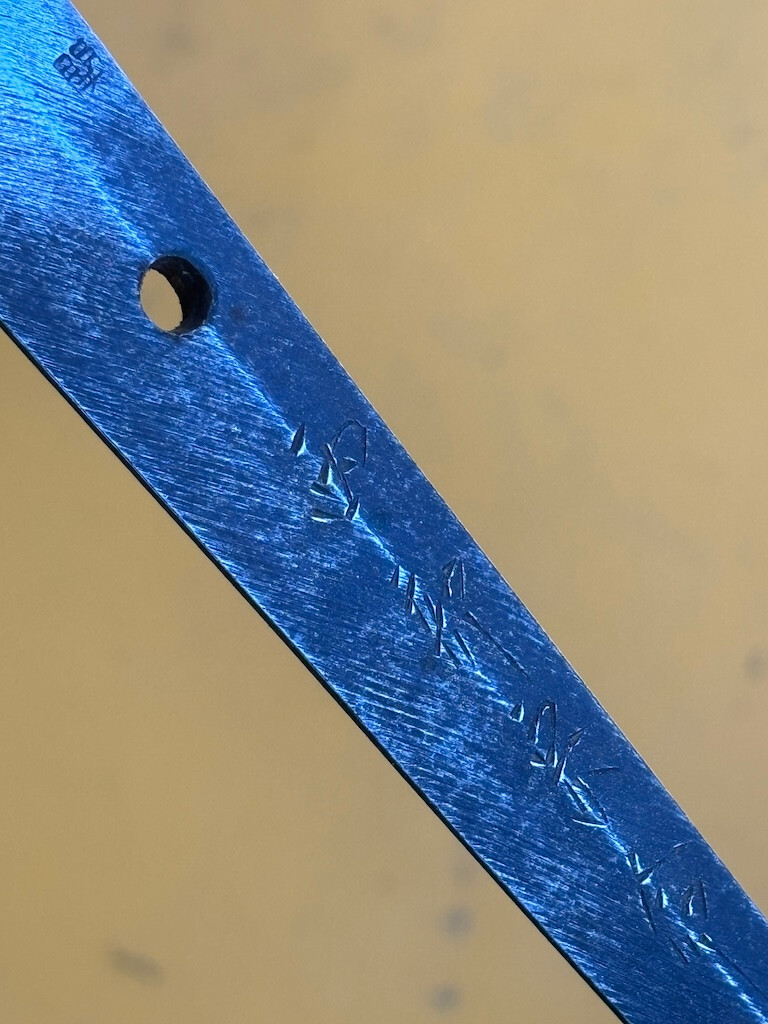
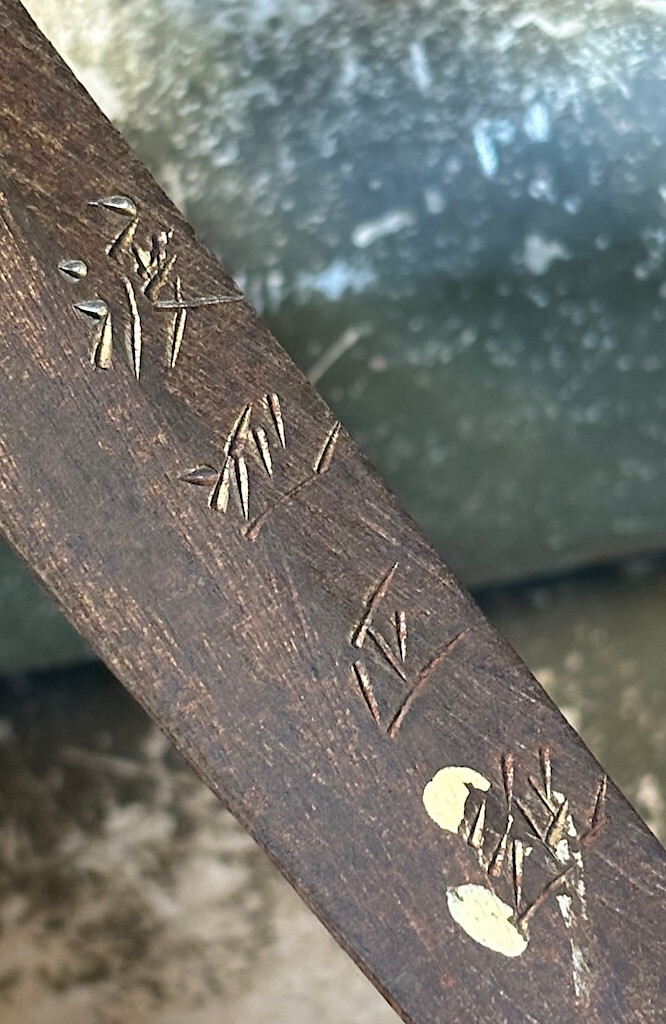
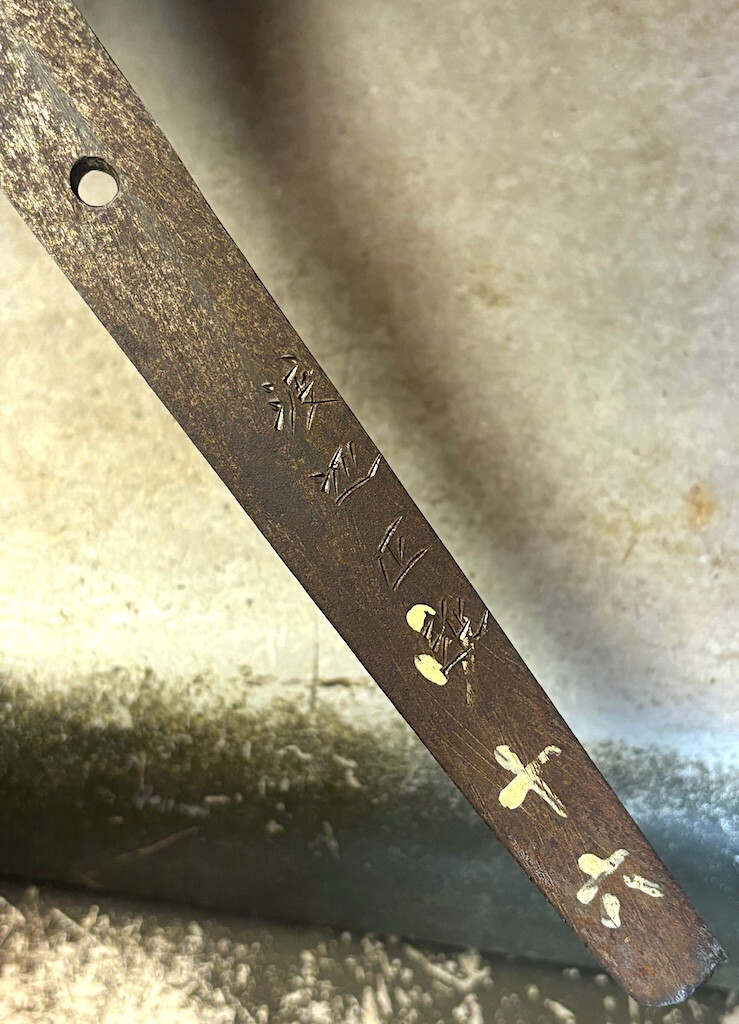
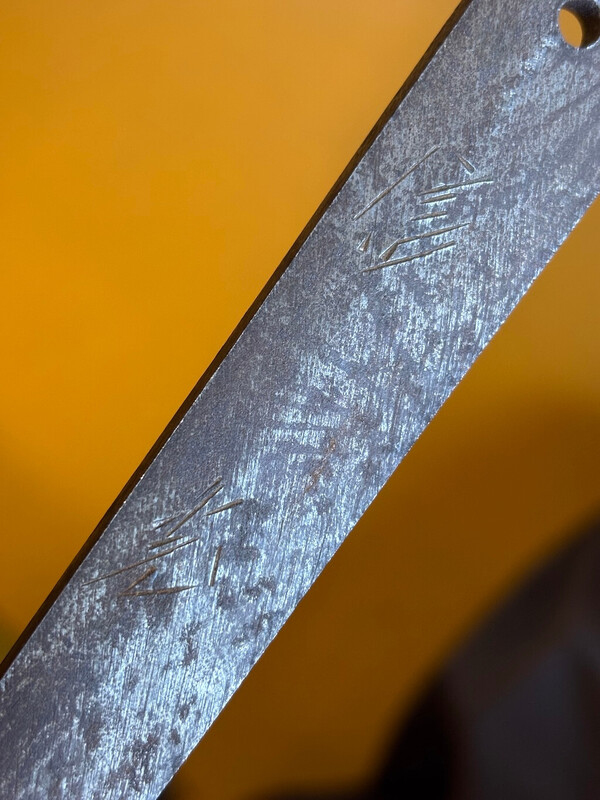
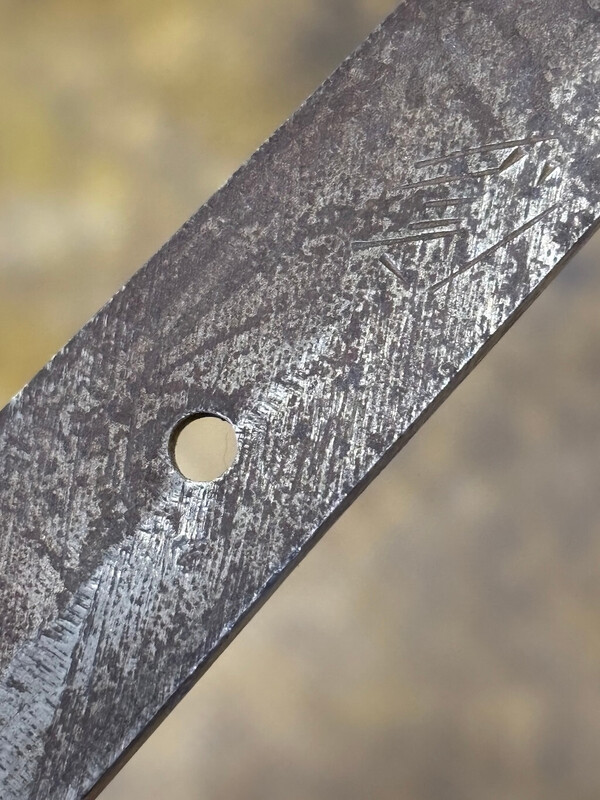
G'day, I've just got my hands on a pretty large collection of WW2 Shin-Gunto, which I'll get around to photographing and posting on the board. I'm having trouble translating the script on both sides of the Nakago on this one which appears to me to be more stylized than usual, although I'm clear that may just be me. Its marked on both the Nakago, the Mune-Machi and the Tsuba with the stamp that Bruce claissified as the ‘Gi’ stamp in his excellent reference. I'd really appreciate some help. Its also production numbered in red as you'll see in the photos.



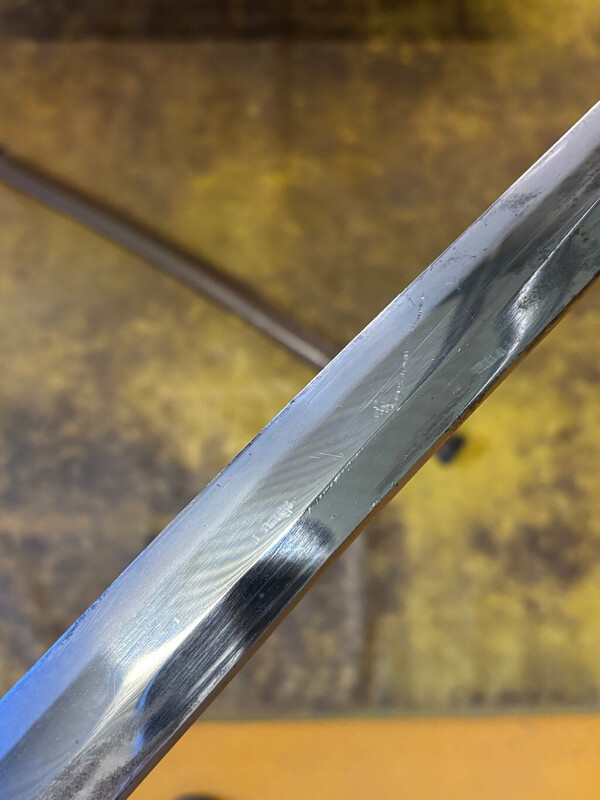
-
G'day, I've asked in the translation section if anyone can assist me in determining the provenance of a mumei gunto I acquired as part of a collection of 3 swords. A link to that thread is here; The patina and profile of the Nakago made me think it might not be a shin gunto. I thought that perhaps it might be older or something else. I haven't re-posted the pictures from the other thread here but I can take additional ones if that would be of help. I'd be hugely grateful for any insights anyone may have? Cheers David
-
Recently Purchased Collection of 3 Gunto
Fusilier replied to Fusilier's topic in Translation Assistance
Thanks Bruce, I think you're right, they appear to be forging flaws to me, certainly inconsistencies in the composition of the steel. -
Recently Purchased Collection of 3 Gunto
Fusilier replied to Fusilier's topic in Translation Assistance
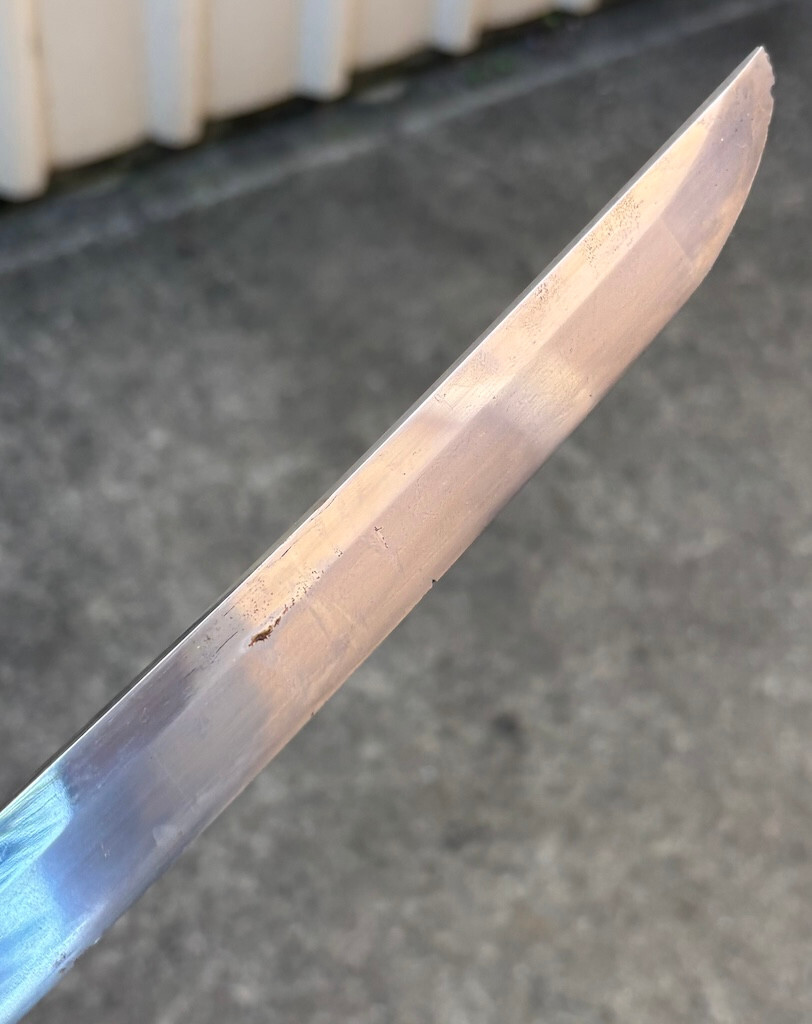
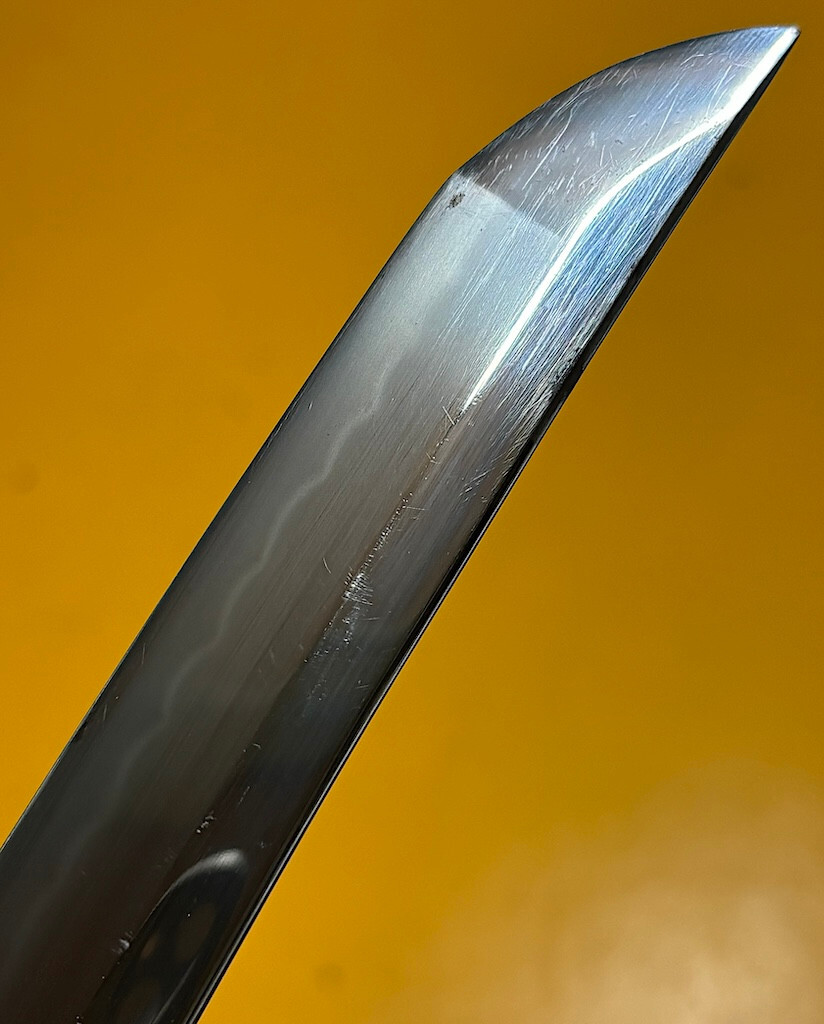
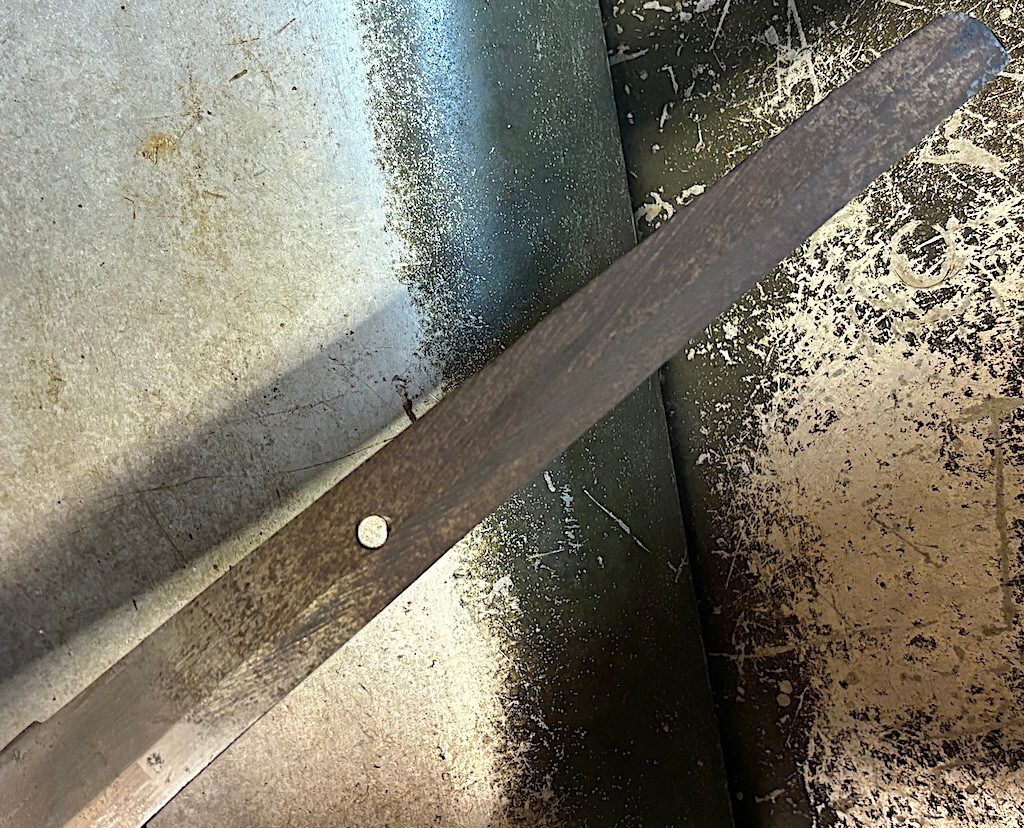
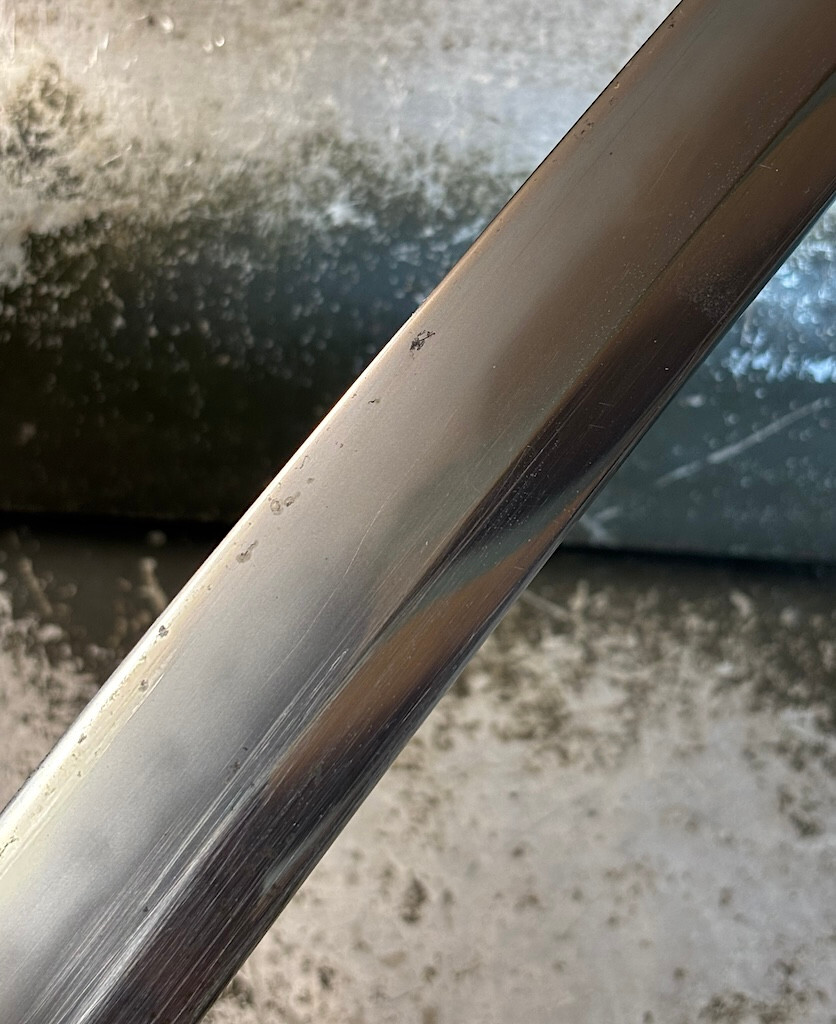
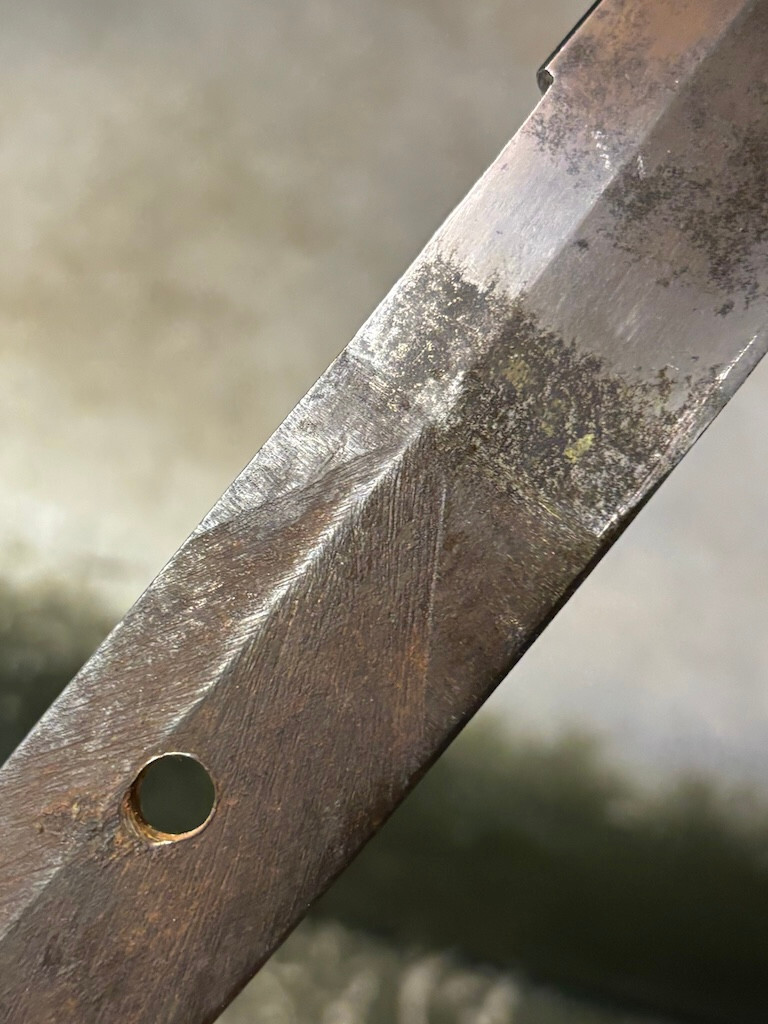
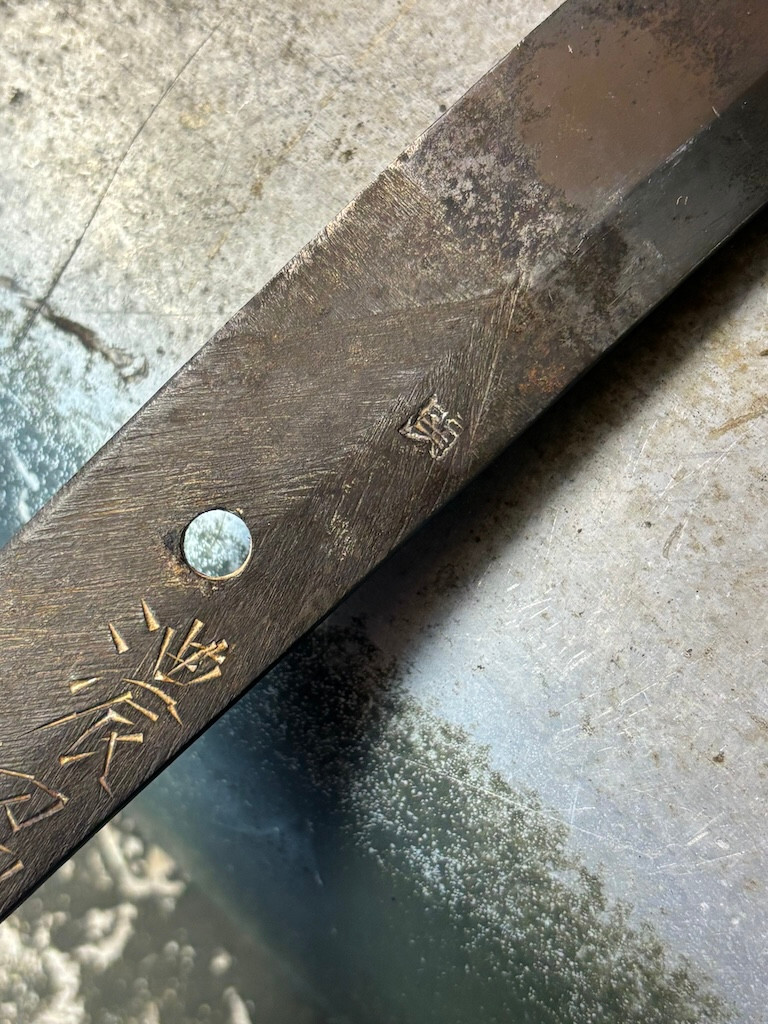
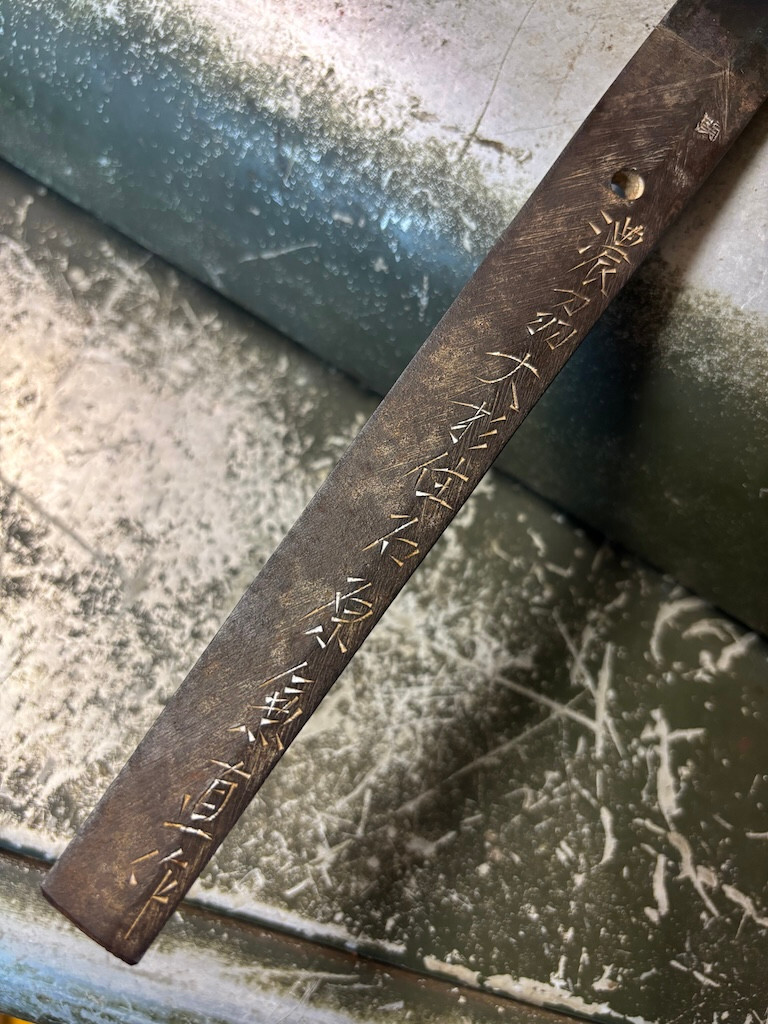
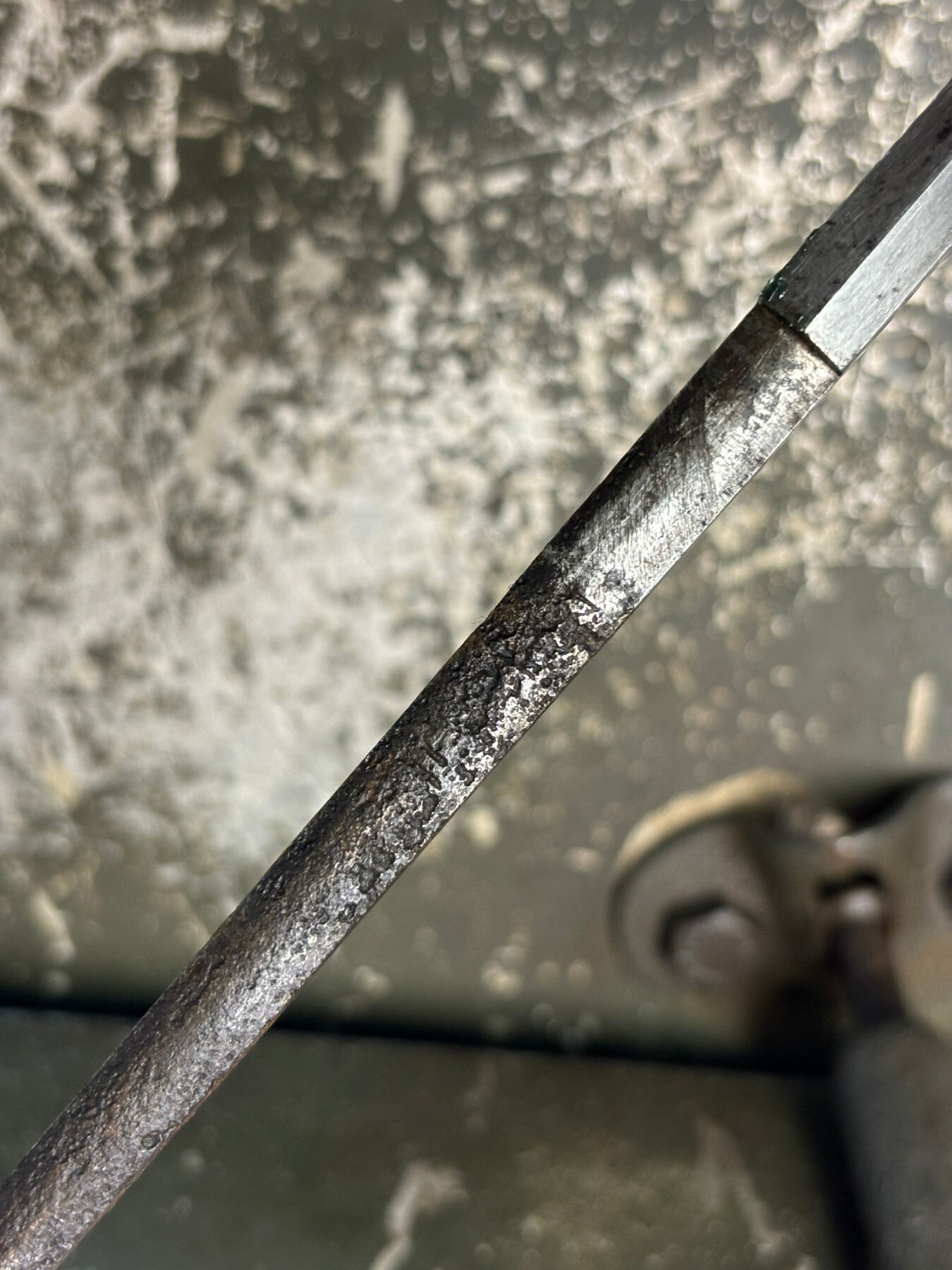
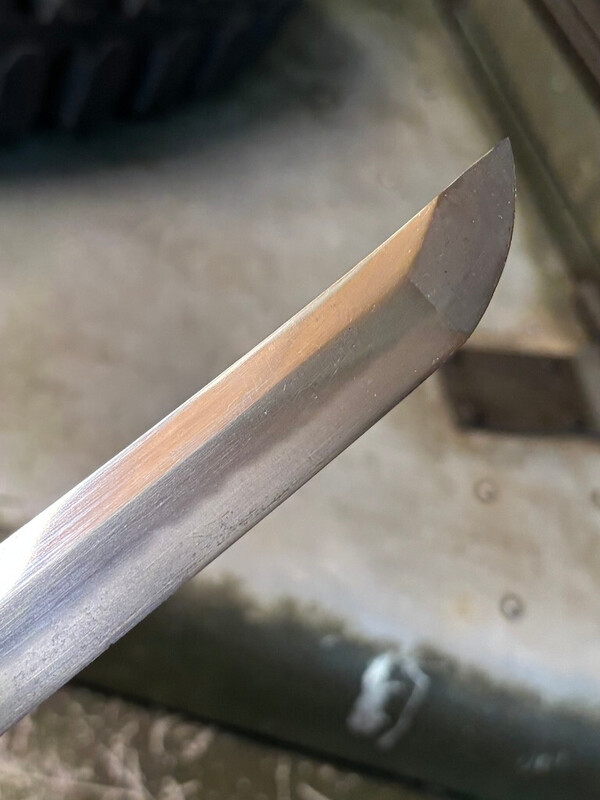
Pictures of the blade tip

-
Recently Purchased Collection of 3 Gunto
Fusilier replied to Fusilier's topic in Translation Assistance
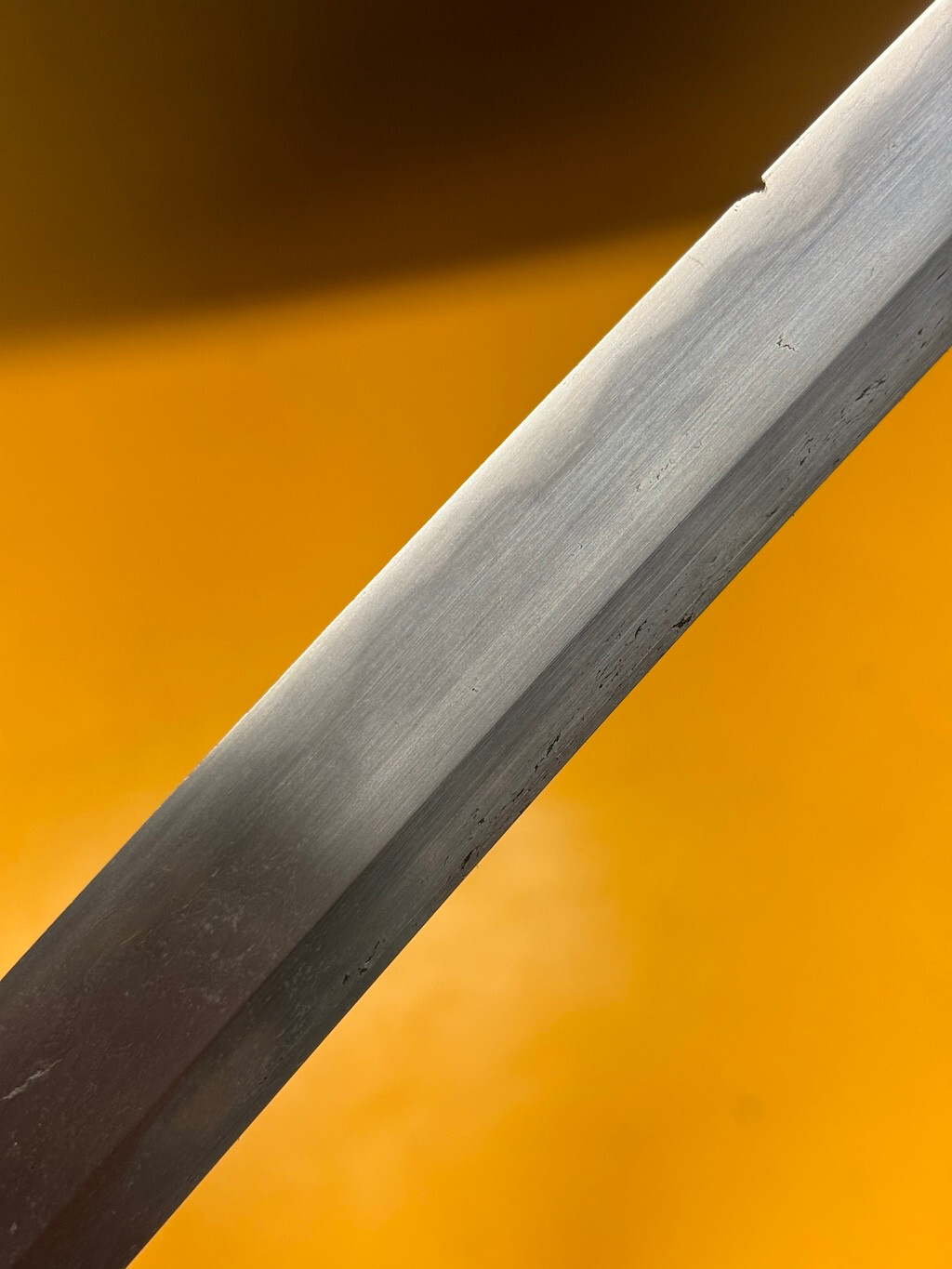
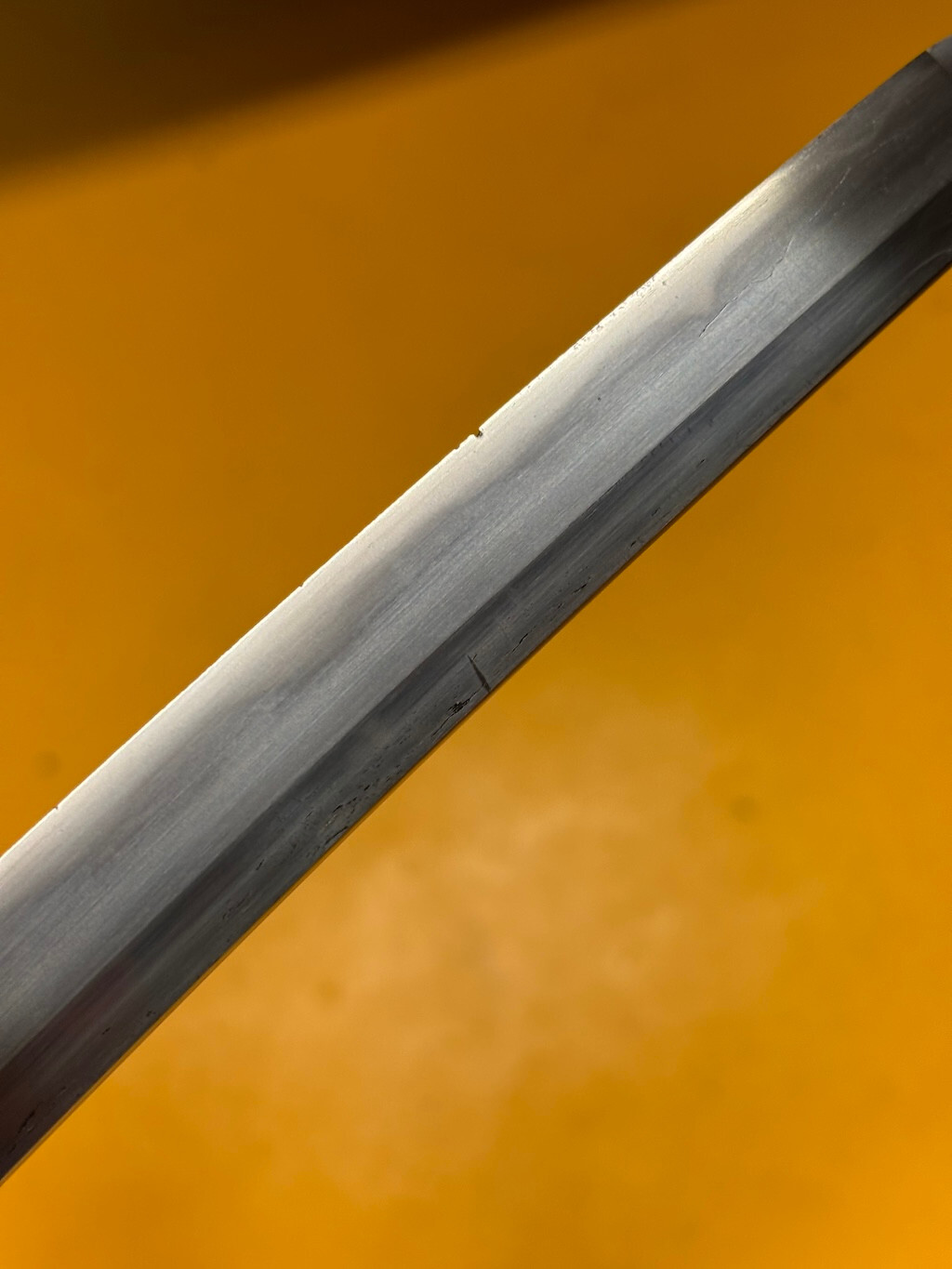
Cheers Bruce, Answering your questions in reverse order; the sword with the 'sho' stamp is the one I've called No.2 here and that Jan has attributed to 氏房 Ujifusa. In the photographs at the top of the second post in this thread, where I've photographed the three swords together, its the longest of the three and at the top of the first two images in that post. As for photo's of the Mumei sword here are some pictures of the mid section, I'll get some pics of the tip when my two year olds birthday party is done. Anyone who wants to experience real chaos just needs to spend a few minutes in my house this morning !! All the best David
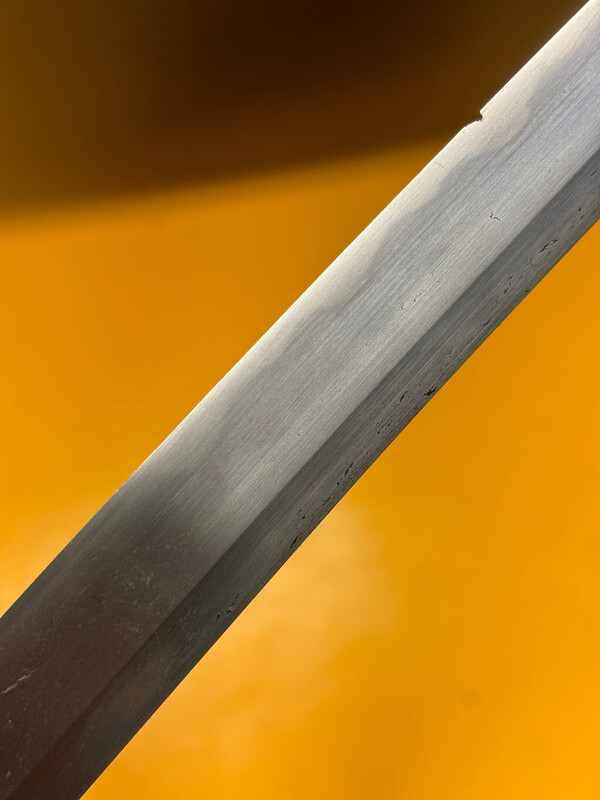

-
Recently Purchased Collection of 3 Gunto
Fusilier replied to Fusilier's topic in Translation Assistance
Thanks you very much Jan, most grateful for that. -
Recently Purchased Collection of 3 Gunto
Fusilier replied to Fusilier's topic in Translation Assistance
Last but not least, the Nakago of the 3rd Sword with the 'Seki' Stamp.

-
Recently Purchased Collection of 3 Gunto
Fusilier replied to Fusilier's topic in Translation Assistance
This is the Nakago of the 2nd Sword, with the 'Sho' Stamp. Any translation assistance would be most gratefully received.

-
Recently Purchased Collection of 3 Gunto
Fusilier replied to Fusilier's topic in Translation Assistance
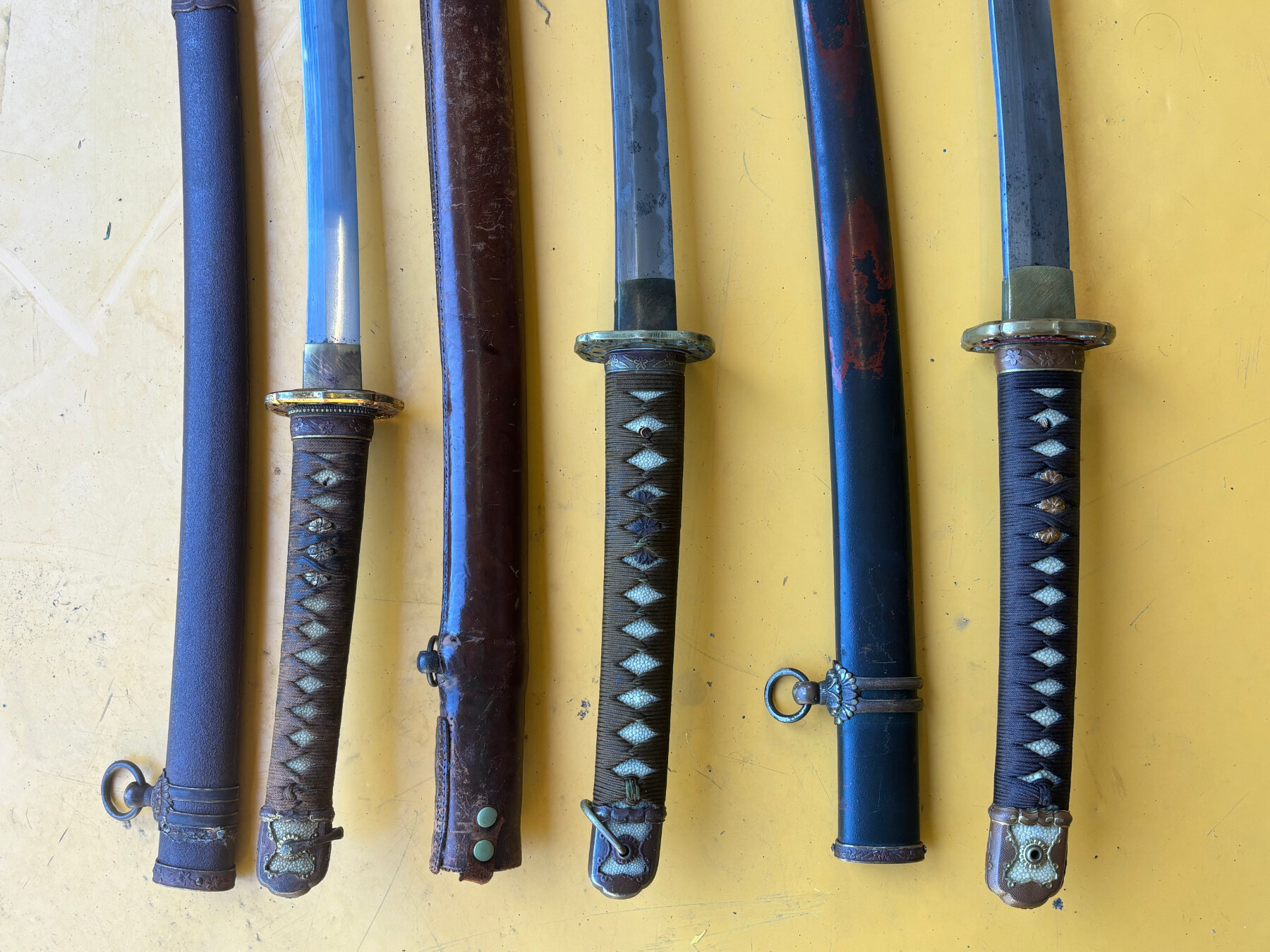
As mentioned, I've now photographed all three swords and pictures are attached below. I'd still be interested if anyone has an opinion on the age of the first sword , pictures of which are in the first post above. The other two swords, both appear to be Showa era Shin Gunto and both display stamps, one a 'seki' stamp and the other a 'sho' stamp. I'd be very grateful for any assistance translating the inscriptions and identifying the smiths. First off then, pictures of the 3 swords:


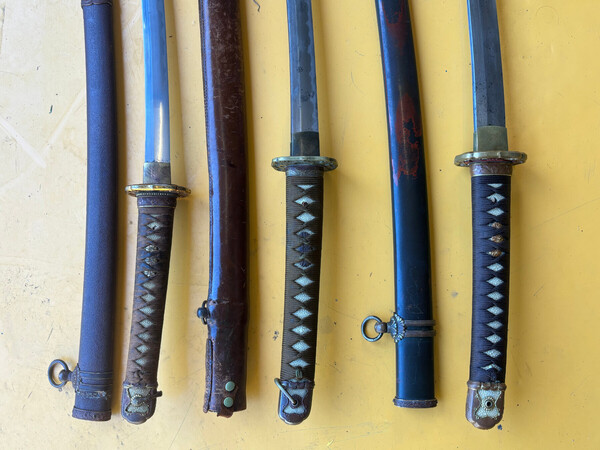
-
G'day All, I've just purchased a collection of 3 swords, acquired in WW2, for re-sale and while I'll share pictures of all three when the kids give me more than 5 mins to photograph them, one of them has sparked my curiosity. It's mumei and the condition and profile of the Nakago made me think it might not be a shin gunto. Is it older or something else? Grateful for any insights. I'll get pictures of the other two this weekend. Cheers David


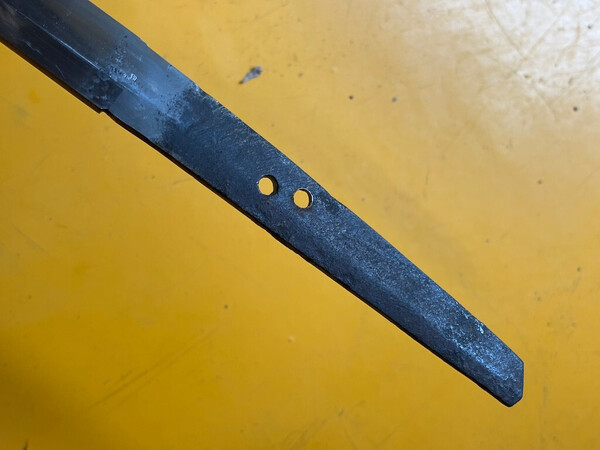
-
WW2 Japanese M1930 Type 90 Service Cap
Fusilier replied to Fusilier's topic in Translation Assistance
Thank you -
WW2 Japanese M1930 Type 90 Service Cap
Fusilier replied to Fusilier's topic in Translation Assistance
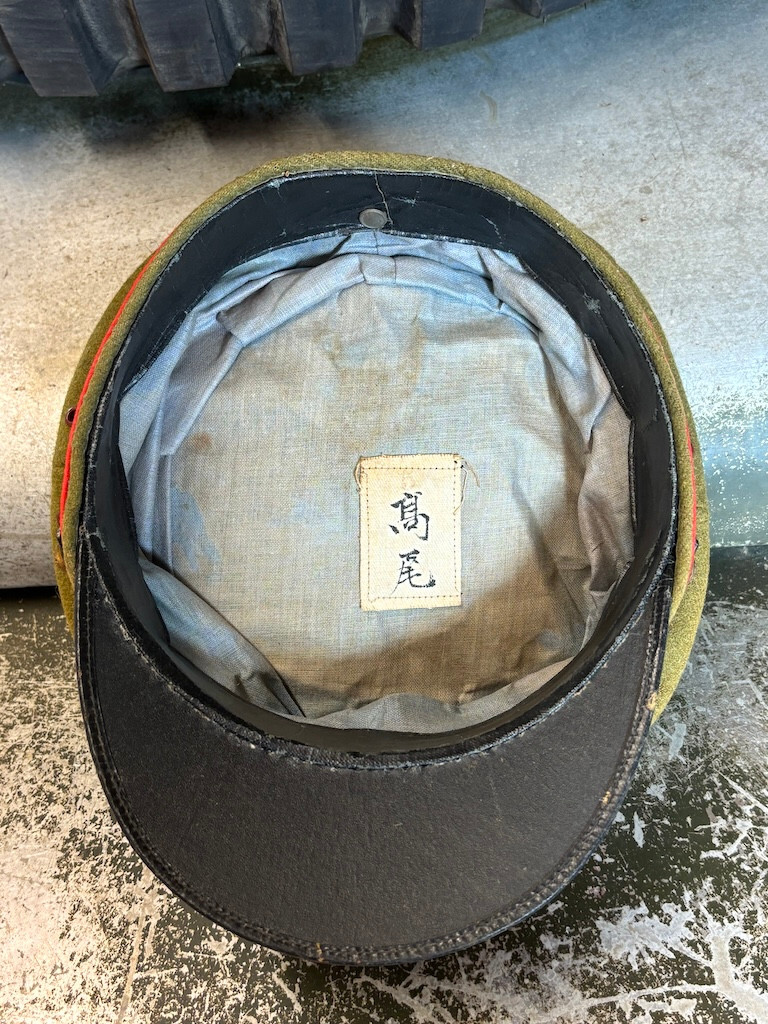
Thank you Moriyama San, would that be the soldiers name do you think? -
G'day, I know that this isn't a Gunto but I was wondering if anyone could help me translate the mei on the lining of this Type 90 Service Dress Cap. I assume its a name, although I'm unsure of whether its the maker or the owner. Any information would be gratefully received, images attached. Cheers David


-
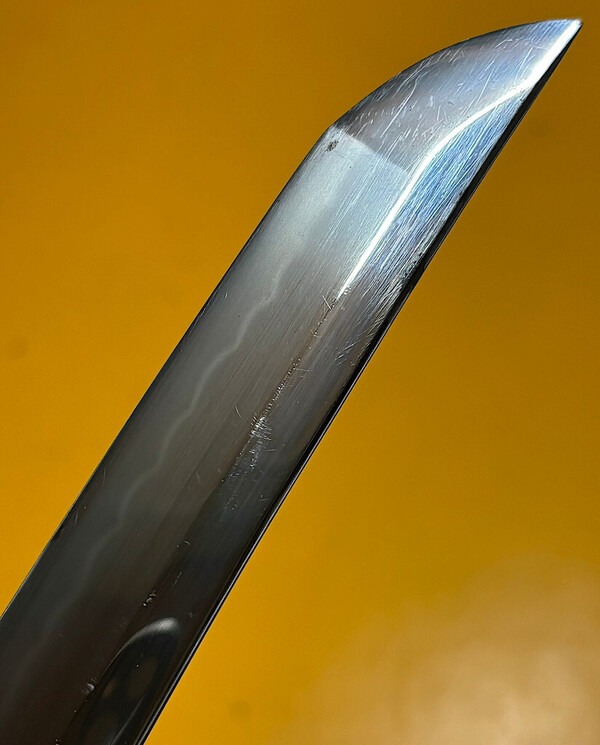
G'day, I recently purchased this gunto for resale. When I first saw it I thought the hamon was unusual and the blade was distinct from many I've seen in that appeared a bit more 'refined' if that is the right word. I was wondering whether its possible to determine the quality of the blade just by looking at images of the blade and the hamon or whether that is only possible if you can physically examine the sword. I've checked to see if there are any of the 'seki' like stamps often found on showa-to blades, that Bruce's outstanding online article covers, and I can't see any. I'd also appreciate a translation of the mei and any information anyone may have on the smith. Cheers David



-
Description doesn't match the Blade.
Fusilier replied to Fusilier's topic in General Nihonto Related Discussion
Cheers Peter, I know what you mean, when I first saw it, it wasn't like any I'd seen before. The patination appears consistent across the nakago so I'd assess it was produced like that. As you say, just odd. -
Description doesn't match the Blade.
Fusilier replied to Fusilier's topic in General Nihonto Related Discussion
Out of curiosity Bruce, what was the defining factor in determining the length of the nakago. Hand size, blade balance, or was it just a random thing? -
Description doesn't match the Blade.
Fusilier replied to Fusilier's topic in General Nihonto Related Discussion
I agree Eric, I think the previous seller may have taken the swords description from another sword. The link to Padman maybe a coincidence but there are a number of elements to the story (the name, officer status and the link to 2/2 MG Regt) that do have an element of truth. It's far more likely that Lt Padman (not Capt), who had an important role but undistinguished war, acquired the sword when the Japanese surrendered in North Borneo. Impossible to know now for sure but that said, I'm grateful to all of you once again for confirming my suspicions. -
Description doesn't match the Blade.
Fusilier replied to Fusilier's topic in General Nihonto Related Discussion
Cheers Jan, That's pretty definitive. -
G'day guys, I recently purchased this sword for re-sale and it came with the attached plastic laminated sheet that the seller told me he'd been given by the bloke he purchased it. The document says the sword was forged by a smith named Ishihara Kanenoa circa 1596 and that it had been aquired by an Australian Officer called Captain Les Padmen who it says served with 2/2 Tank Attack Regt at Buna in New Guinea during WW2. A couple of things ring alarm bells on that story for me, firstly the Seki Stamp on the Nakago and the style of the characters look Showato to me. Secondly, having done a namesearch for a Capt Les Padmen, the only Padman I could find that may have been our man is a Lieutenant (PADMAN LESLIE ROBERT : Service Number - W70413 : Date of birth - 01 Feb 1925 : Place of birth - DONNYBROOK WA) who served for most of the war with the Anti Aircraft Search Light unit in Darwin and who deployed to North Borneo at the end of the War. As far as I know, there never was a 2/2 Tank Attack or even Anti Tank Regt. He was attached for a short period to 2/2 MG Bn but was never a Captain and from what I could see, never deployed to New Guinea or Buna. Any light, anyone can shed on any of this would be much appreciated, I'll attach some pictures. Cheers David




-
G'day Guy's, As usual, your assistance is hugely appreciated and also as usual I have learnt a great deal about something I knew very little about. Bruce and Team Mantetsu's article was really fascinating, thank you. Cheers David
-
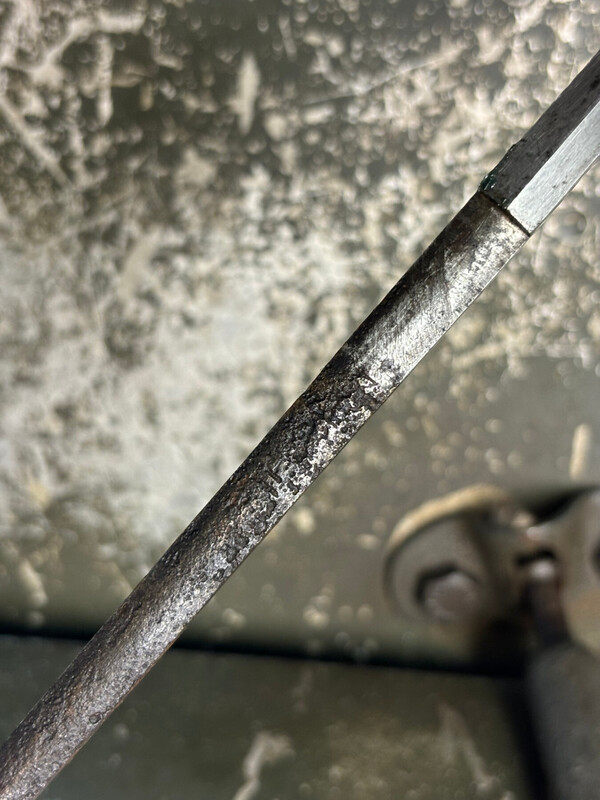
I hope this is what you and Bruce were after, is this the number? its all I could see on the nakago mune.
-
-
Thanks Mate, Bruce Pennington's article on these swords is brilliant.