Stu W
-
Posts
147 -
Joined
-
Last visited
Content Type
Profiles
Forums
Events
Store
Downloads
Gallery
Everything posted by Stu W
-
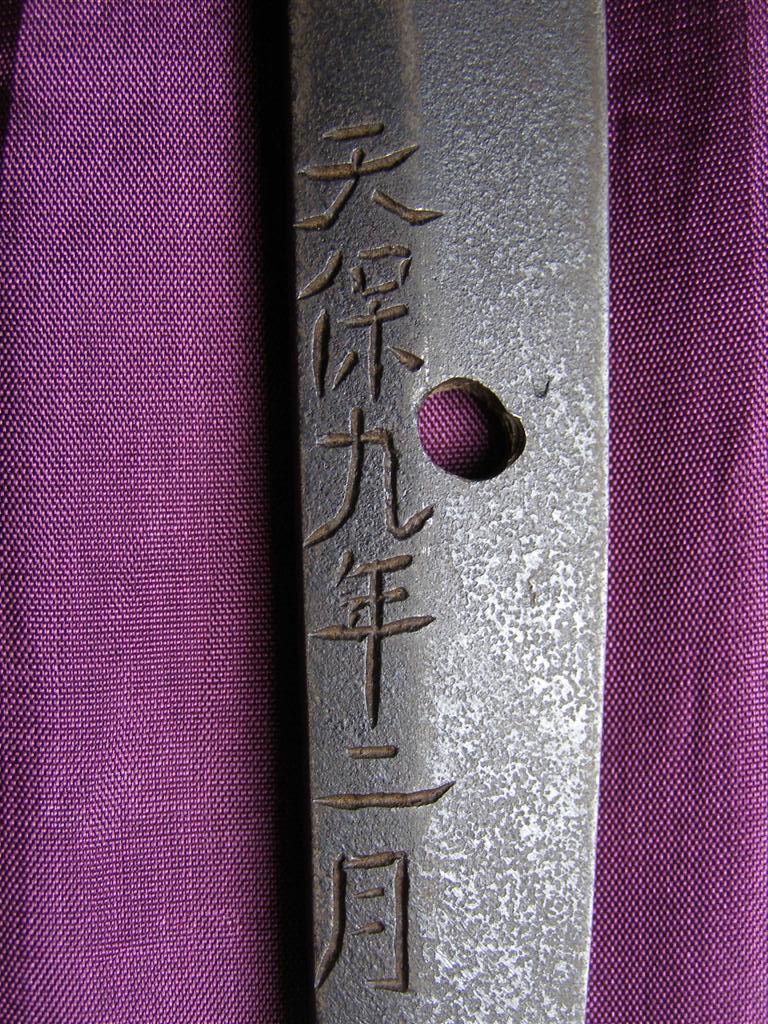
Hello, Somewhere along the line I formed the opinion that the presence of a Seki stamp on a nakago automatically indicated a non traditionally made blade. Recently I came across a WWII period IJA Officer sword, dated June 1943, that is described as being: Traditionally made, hand forged, water tempered and made from mill steel. Subsequent enquiry with the seller resulted in my being advised that it could also be described as a mill steel gendaito and that from 1942 on all swords were inspected and stamped regardless of method of manufacture. To me the blade is more likely a semi-traditionally made one with some hand finishing and oil quenching. However, I'm far from expert at this so would appreciate the advice of others more experienced. What I would like from the members here is clarification on the Seki stamp issue and thoughts on the possibility of determining that a blade has been hand forged and water quenched after polishing is done. Thanks for your assistance. Regards, Stu
-
Hi kaigunair, There is interest...although maybe not much info. The most recent edition of Swords of Imperial Japan by Dawson has a short section on them but really just an overview. The Yasukuni Swords book by Kishida does touch a bit on gimei if I recall as well as variances in mei when signed by a student. You mention the work by Wallinga, any idea where one can be obtained? Regards, Stu
-
Hello Chris, I've enlarged these photos greatly and believe that I can see what you mean. Thanks, I appreciate the help. Regards, Stu
-
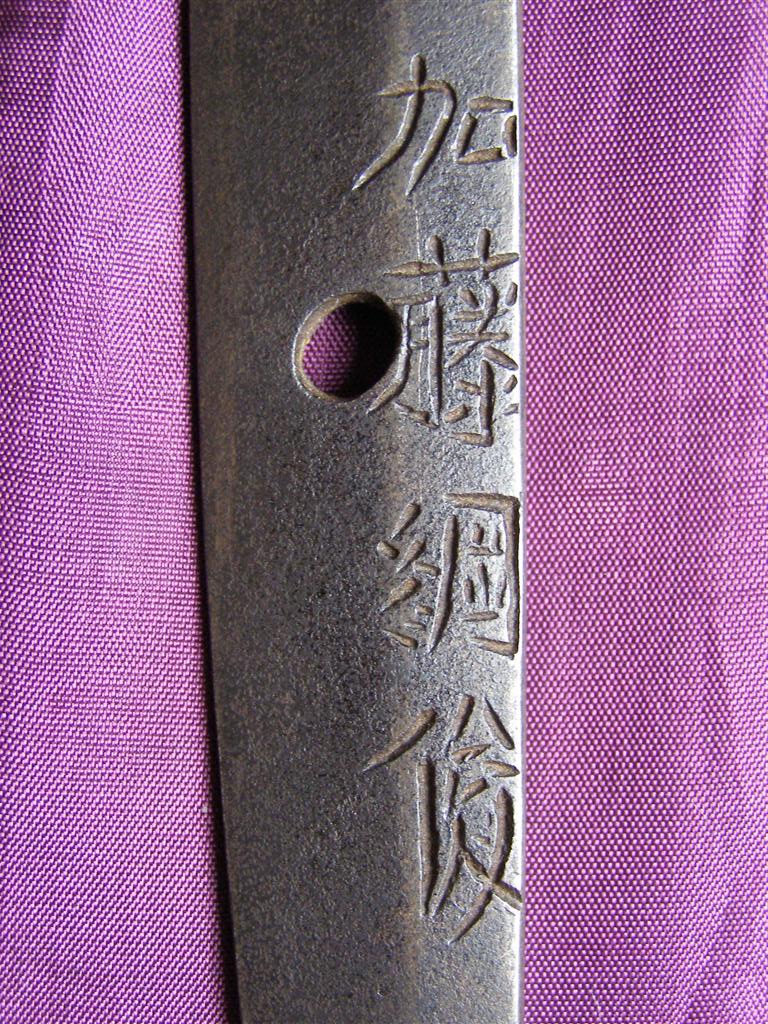
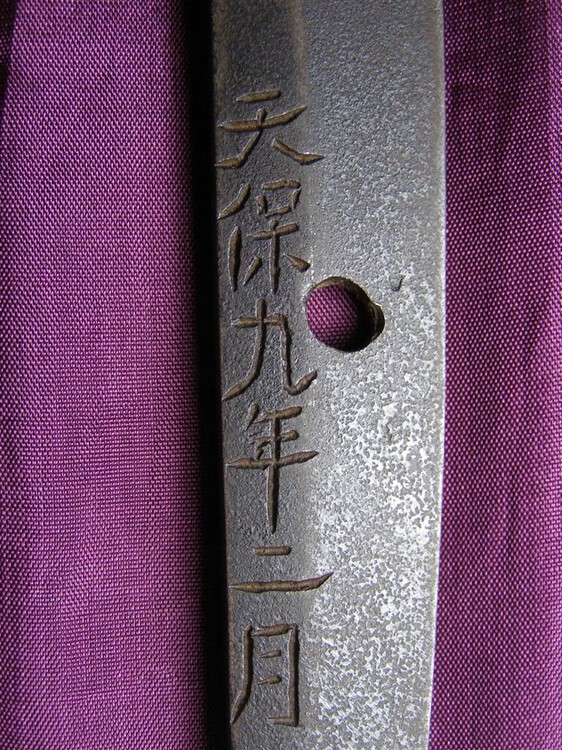
Hello, It has been suggested to me that this mei has been cut, rather than chiselled, indicating it's gimei. When I compare it to known papered swords, with clearly chiselled mei, it does indeed look differently applied. I'm not familiar though with how one would "cut" such a mei. If any of you sharped eyed folks can have a look at these two photos and comment I'd appreciate it. How do you think it was done? Kind regards, Stu

-
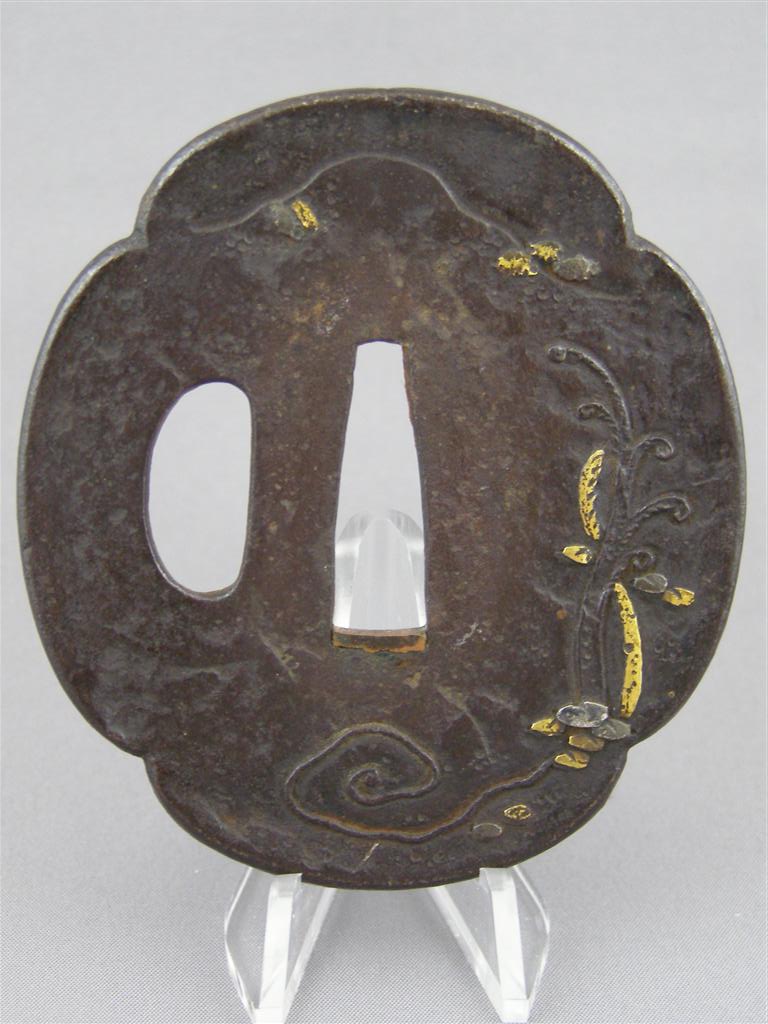
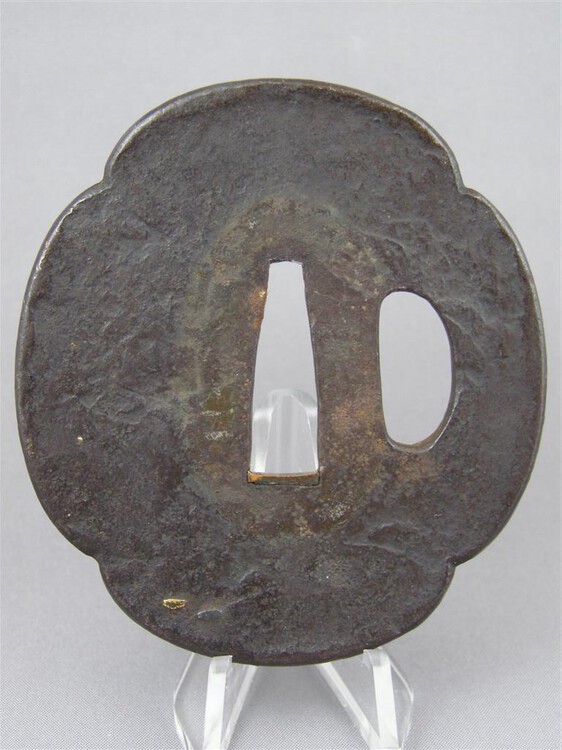
Hi Mark, Thanks for your comments. I have begun to study the terminology and don't expect you guys to do my homework for me after I get off the ground floor. At the moment though it's like I'm learning my A B C's again. Moving on...best info I have to date is that it may be a Choshu (Nagato) piece from one of the families/schools of tosugu-artists from Hagi Town. Possibly 18th Century. Can anyone confirm or correct that? Again, all info, no matter how basic, is good for the newbie. Thanks. Regards, Stu PS: weight and measurements to follow.
-
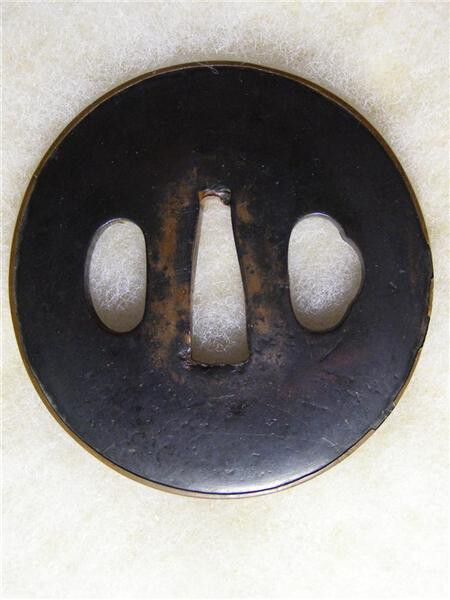
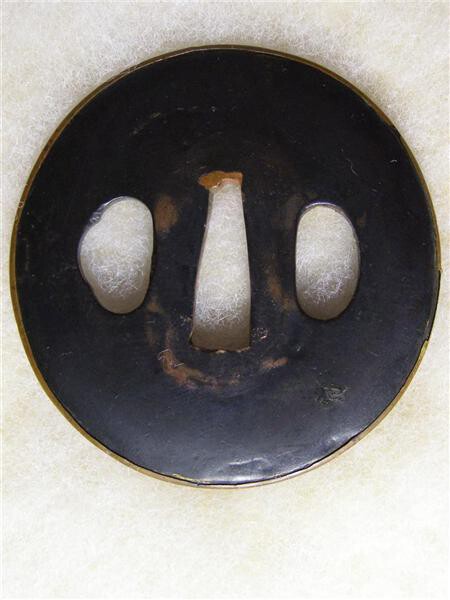
Hi Folks, I'd like to show my recently acquired tsuba. It came my way from Ludolf Richter through his generous donation to the annual draw. Thank you Ludolf! I'd now like to learn more about it and I'd appreciate any opinions and explanations as this is all new to me. Don't hesitate to provide even the most basic information as it's all good learning for me at this stage. Regards to all, Stu

-
Hi Folks, An acquaintance of mine has posted this sword in the military section... viewtopic.php?f=50&t=9580 I've added the link here to ensure it doesn't get missed as I think the blade is possibly traditional. Can you take a look please as time permits. Thanks very much, Stu
-
Thank you David. Regards, Stu
-
Hello, I'm told that Modern Japanese Swordsmiths: 1868-1945, by John Slough is the one to get. However, I've come across... Modern Japanese Swords and Swordsmiths: From 1868 to the Present, by Leon & Hiroko Kapp, and Yoshindo Yoshihara. Can anyone having viewed both please let me know your thoughts. Thank you. Regards, Stu
-
Hello Thomas, Thank you for your comments. They certainly fit with what others mentioned above. I understand that in nihonto terms 100 years old is pretty recent. I like that. Makes this grandfather feel young again! I think I'll look around for a mokko-gata style tsuba and a couple of appropriately shaped seppa to add to it for a little display. My thanks and regards to you all for your assistance. Stu
-
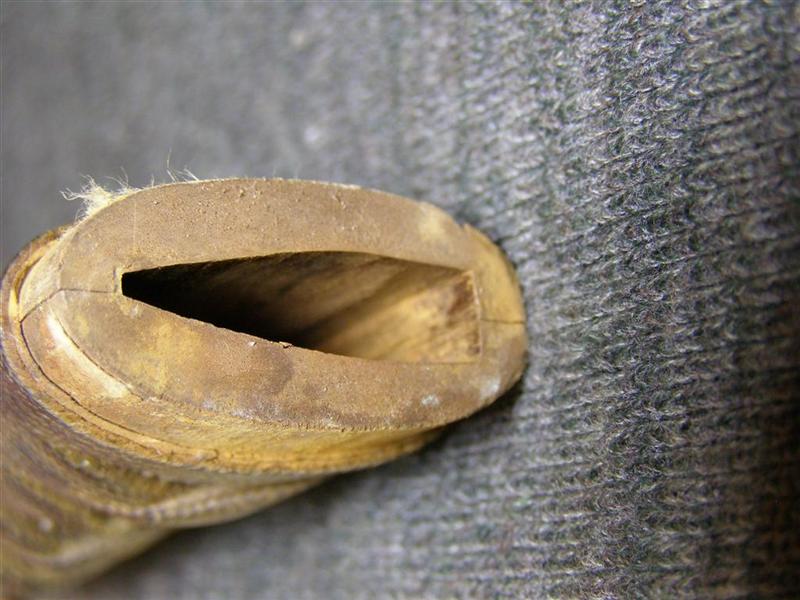
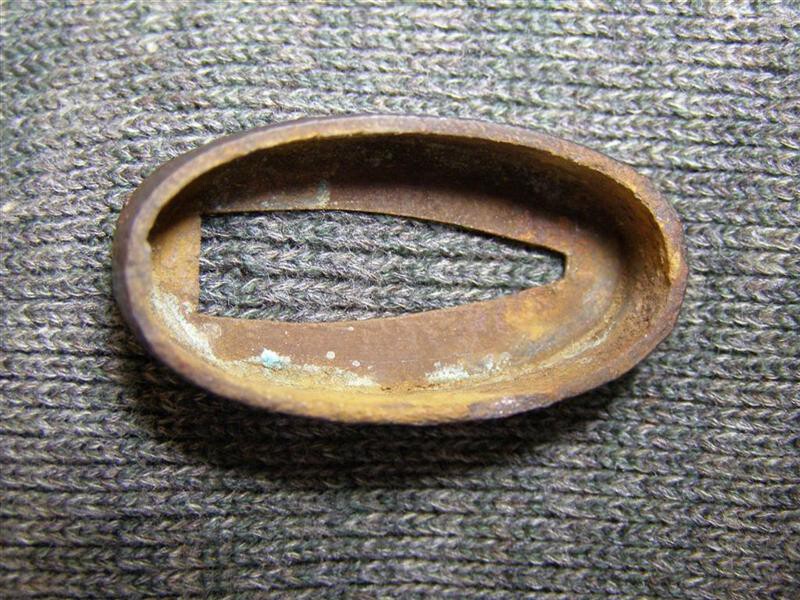
Here's a general sizing photo and two of the interior of the fuchi. Regards, Stu

-
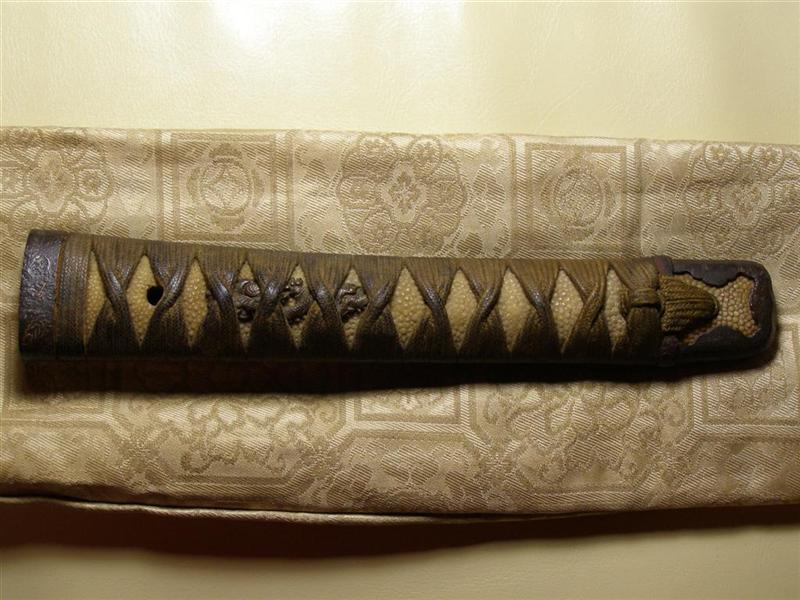
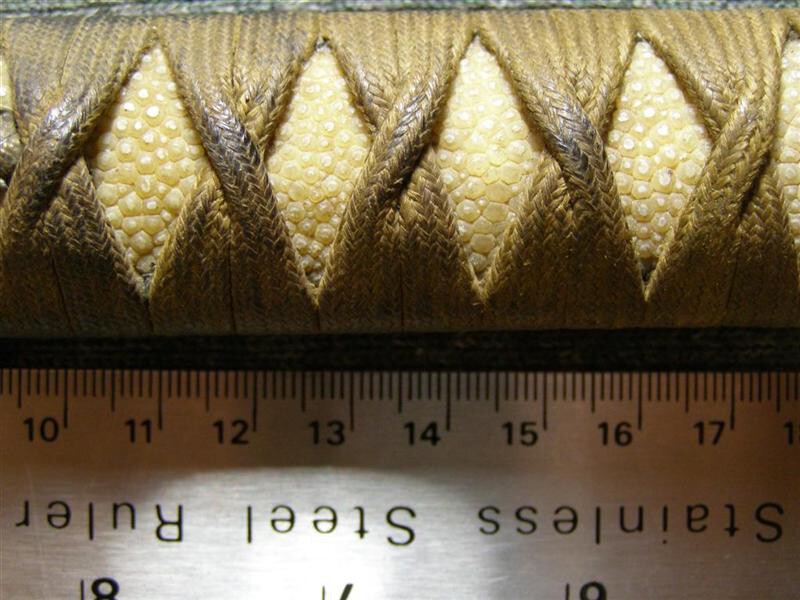
Hi Guys, Here are several photos that I hope will further the discussion. If something more is needed please advise and I'll see to it. For what it's worth, the tsuka ito is as hard as rock. Appears to have been in place a long time. I've tried to locate photos that show the same wrap pattern. Those that come closest are from the early to mid 1800s. As a rank beginner though I reserve the right to be wrong. :lol: Regards, Stu


-
Hello Keith, Indeed these may well be "parts" not previously matched though the tsunagi does seem to fit the tsuka so well that it appears to have been made for it. Possibly that's not unusual as the placement of the mekugi anna may be somewhat standardized. I don't know. The more I think on it though the more I wonder about that because even though it fits it seems unlikely that the maker would have left such a large gap to fill with tsuba and at least half a dozen seppa. Moving on, you asked about the acquisition. Well, at times I acquired odds and ends such as these and now that I'm getting into the study of nihonto more fully I want to make them presentable for display. If you were concerned that a dealer may have sold them to me, possibly with less than full disclosure, rest assured that was not the case. Regards, Stu
-
Hello Richard, Thank you for this additional information. I'll study up on the mokko-gata style tsuba. Regards, Stu
-
Hello Keith, Thank you for the prompt reply. This piece came with a perfectly fitted tsunagi and very loose tsuba. There is a gap between the habaki and the fuchi of about 13mm. The tsuba is only about 5mm wide so I doubt it was original to that set-up. Here is a link to the "tsuba" thread... viewtopic.php?f=2&t=8679 Would there have been 8mm worth of seppa? Seems a lot but I am new to this so may well be incorrect. For quick reference I'll add a photo of the tsuba to this thread. Thank you for your continued assistance. Regards, Stu

-
2


-
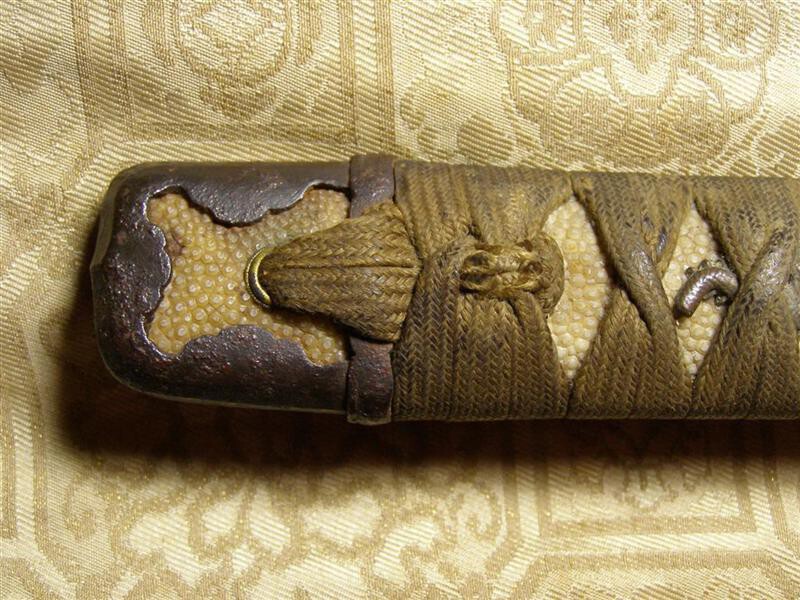
Hello guys, As I sort through several items I've come across questions arise that I'd like assistance with. You have answered my tsuba question and now I'd appreciate your thoughts on this item. In short, is it possible to give a reasonable estimation of it's age? I don't yet know what visual clues there are with this sort of item so even the most rudimentary information will be of benefit to me. The fuchi and kashira are attracted to a magnet and came with the tsuba I posted the other day so possibly also Edo period. Edo period does cover quite a few years though so if it can be narrowed done so much the better. There is quite a bit of scroll work on the kashira. I've been able to capture some for viewing but not all. Hopefully what the photos will show is sufficient to be of assistance. Regards, Stu


-
I am a believer in "less is best" when it comes to cleaning so will follow your advice and then let nature take it's course. Thank you. Regards, Stu
-
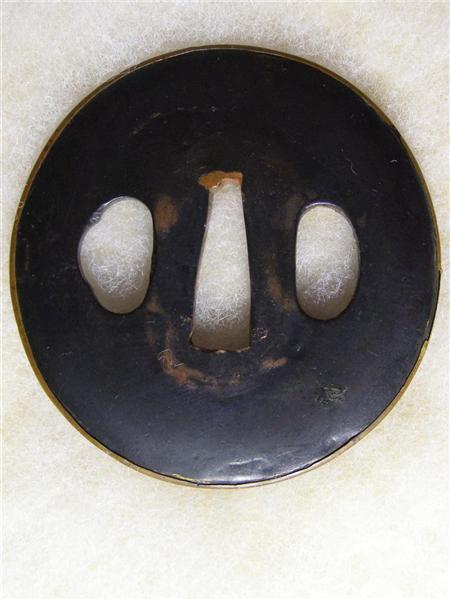
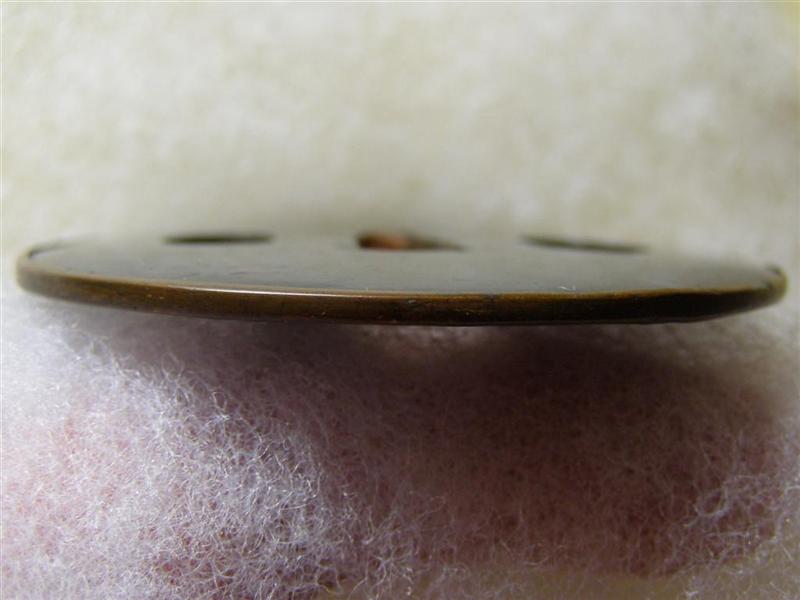
Hi guys, Thank you both for the prompt replies. I've had a look inside the nakago-ana (hole in centre of tsuba hopefully) with the aid of a 10X magnifier and can see a distinct copper tone in some of the scratches so shakudo seems right. I searched that term (shakudo) on the Net and found that it's a mix of metals in varying proportions but predominantly copper with a bit of gold thrown in. I'm not quite sure though if the near black colour is patina or a deliberately applied finish. Can anyone clarify that point for me? Last, but not least, can anyone suggest appropriate conservation measures? Regards, Stu
-
Hi guys, As you can tell from my post count I'm pretty new at this so must ask for help. This tsuba came my way recently and I'd like to learn as much as I can about it. It's roughly 80 x 65 x 5-3mm (tapering towards rim) and is not attracted to a magnet. It has a very fine band around it's perimeter. Anything you can tell me would be greatly appreciated. Regards, Stu