RobCarter3
-
Posts
92 -
Joined
-
Last visited
Content Type
Profiles
Forums
Events
Store
Downloads
Gallery
Everything posted by RobCarter3
-
IJN 1883 Eleven-leaf w/ Muromachi Mino blade
RobCarter3 replied to RobCarter3's topic in Military Swords of Japan


-
IJN 1883 Eleven-leaf w/ Muromachi Mino blade
RobCarter3 replied to RobCarter3's topic in Military Swords of Japan




-
IJN 1883 Eleven-leaf w/ Muromachi Mino blade
RobCarter3 replied to RobCarter3's topic in Military Swords of Japan




-
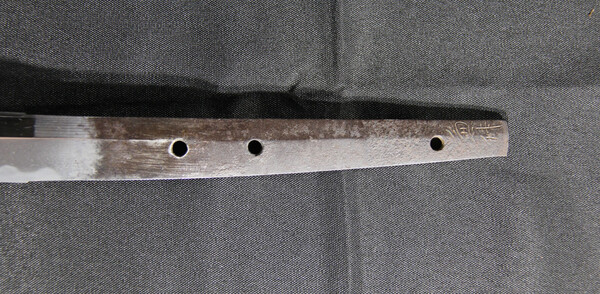
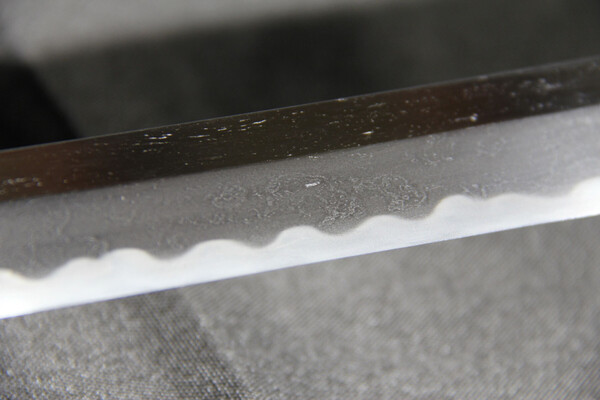
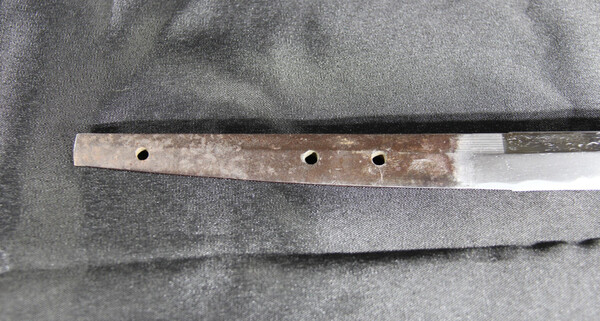
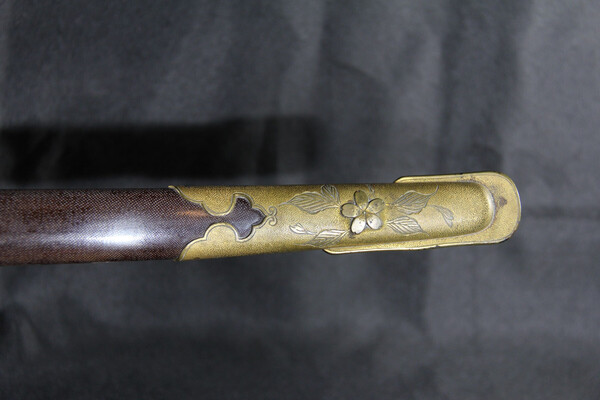
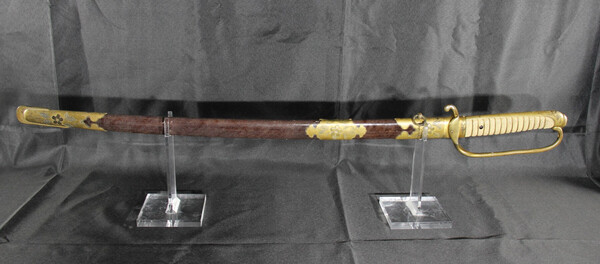
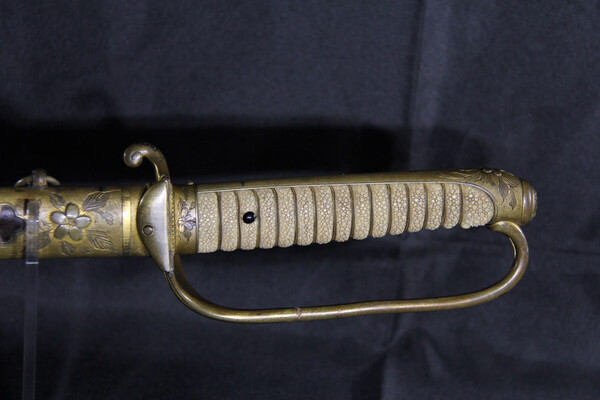
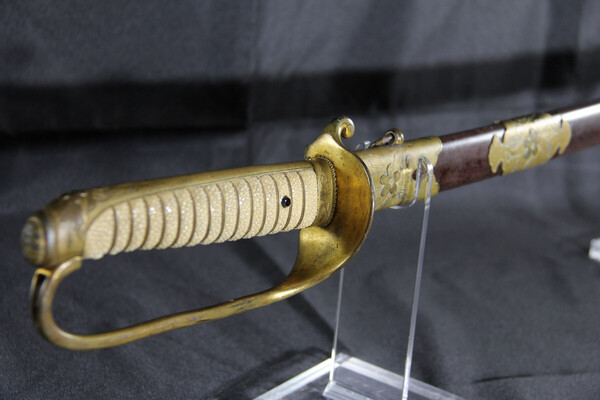
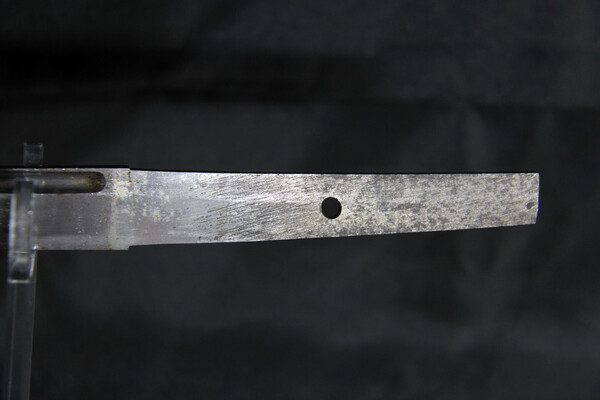
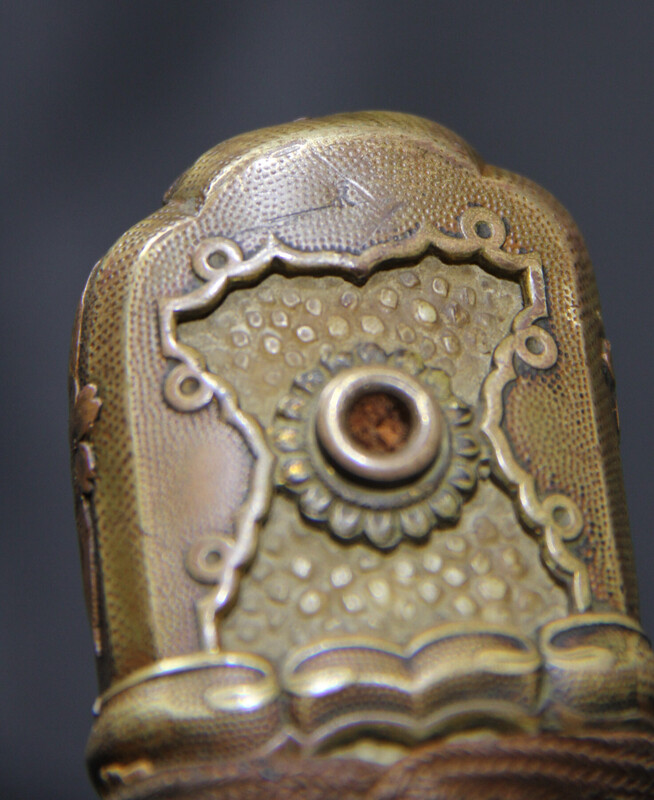
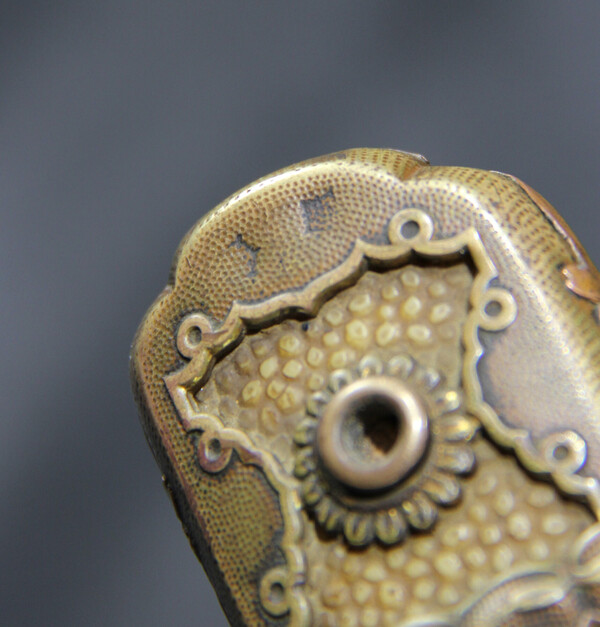
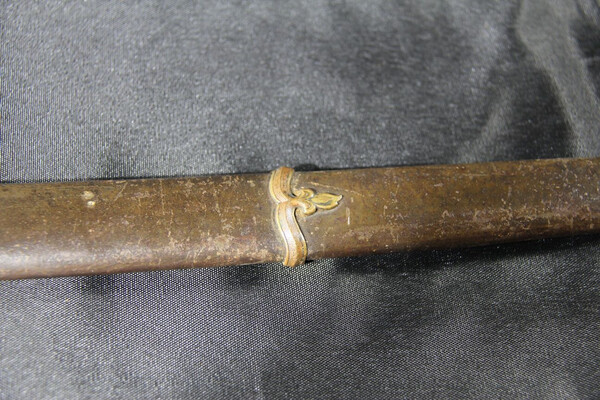
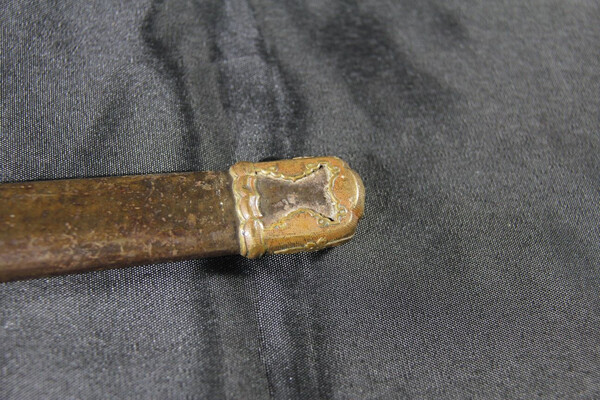
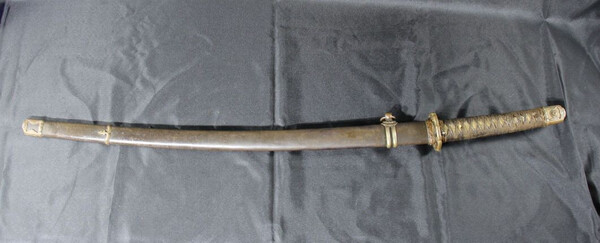
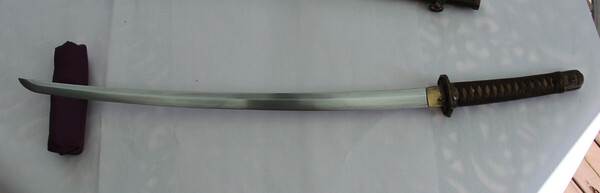
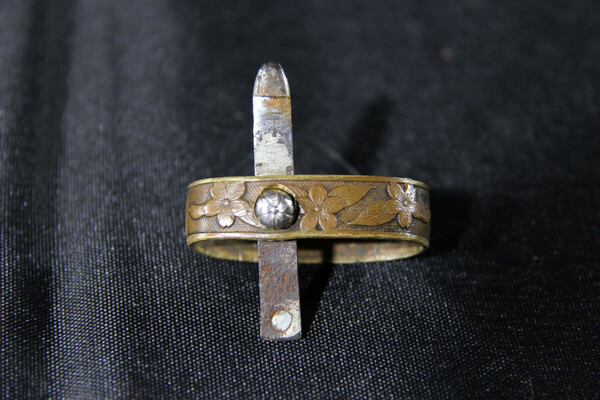
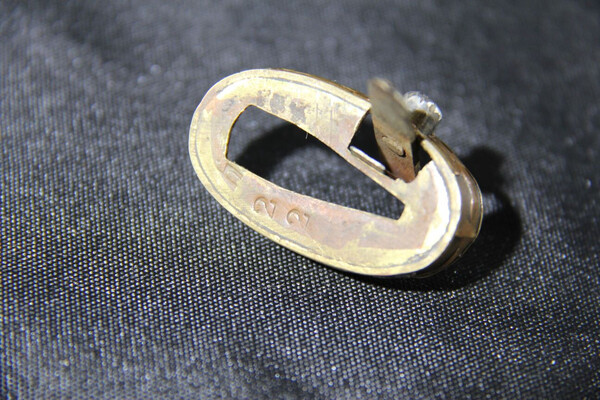
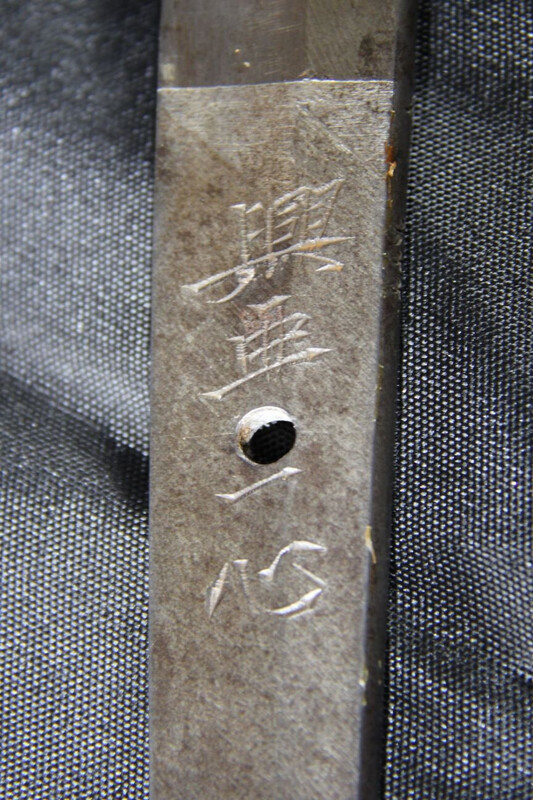
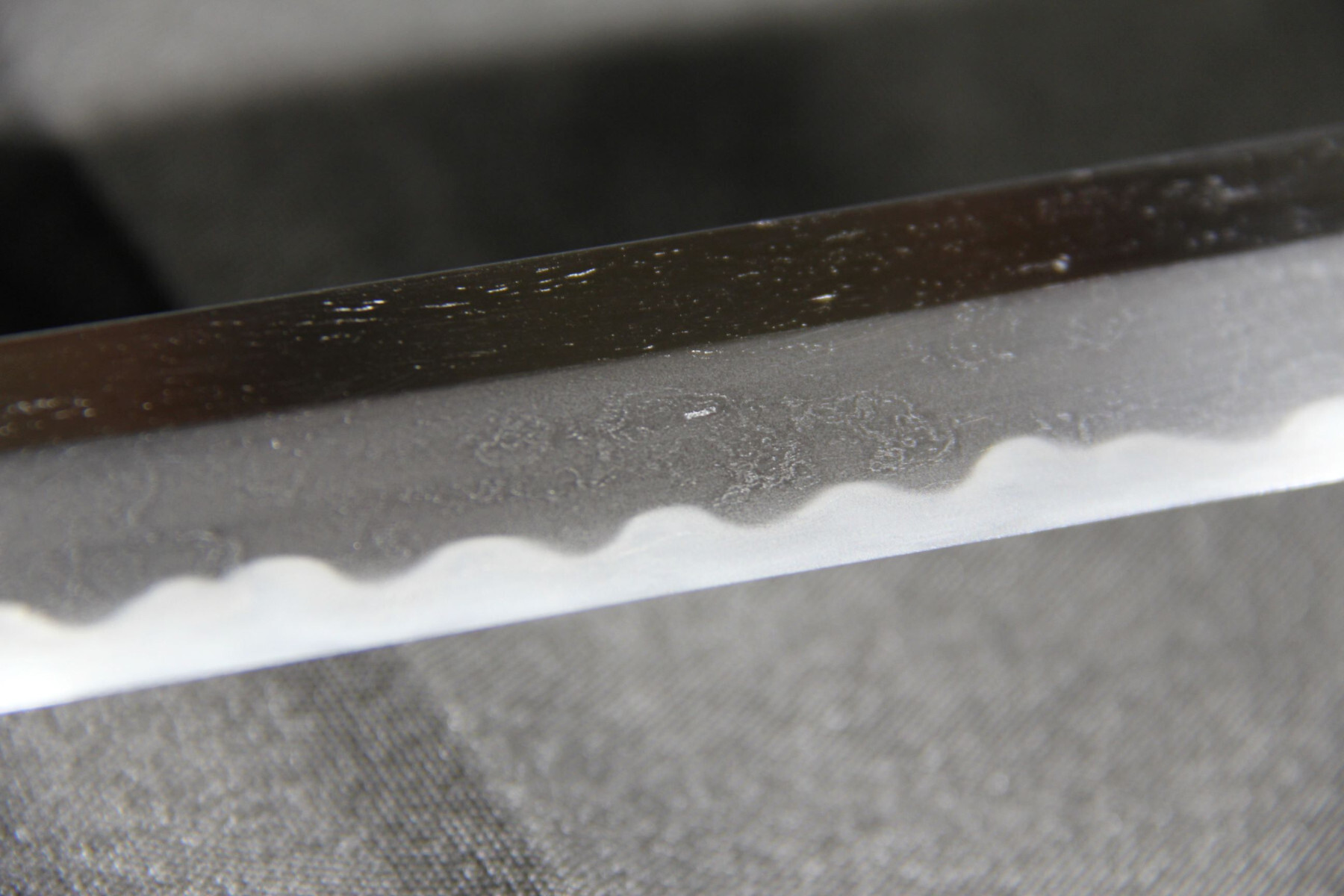
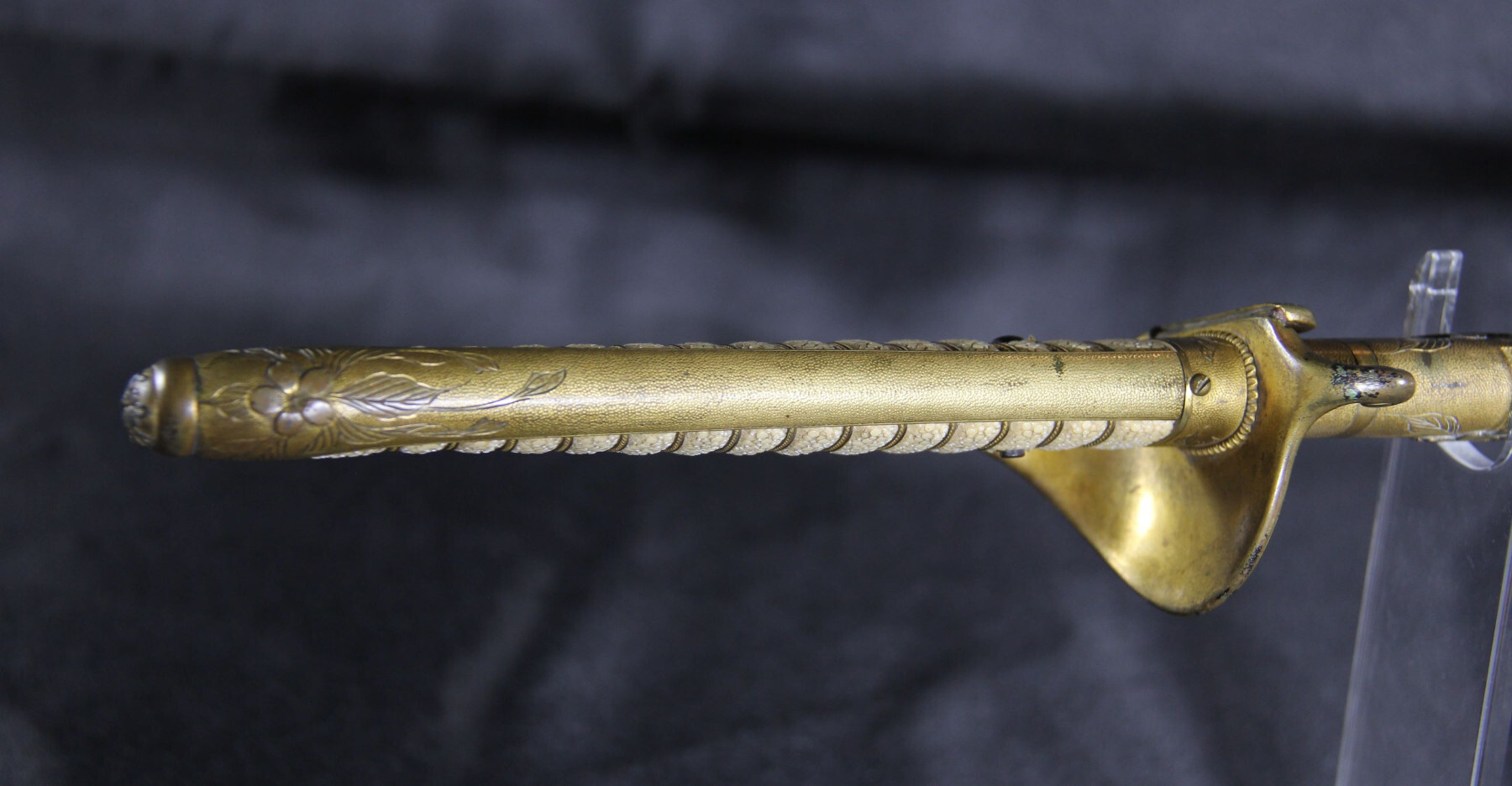
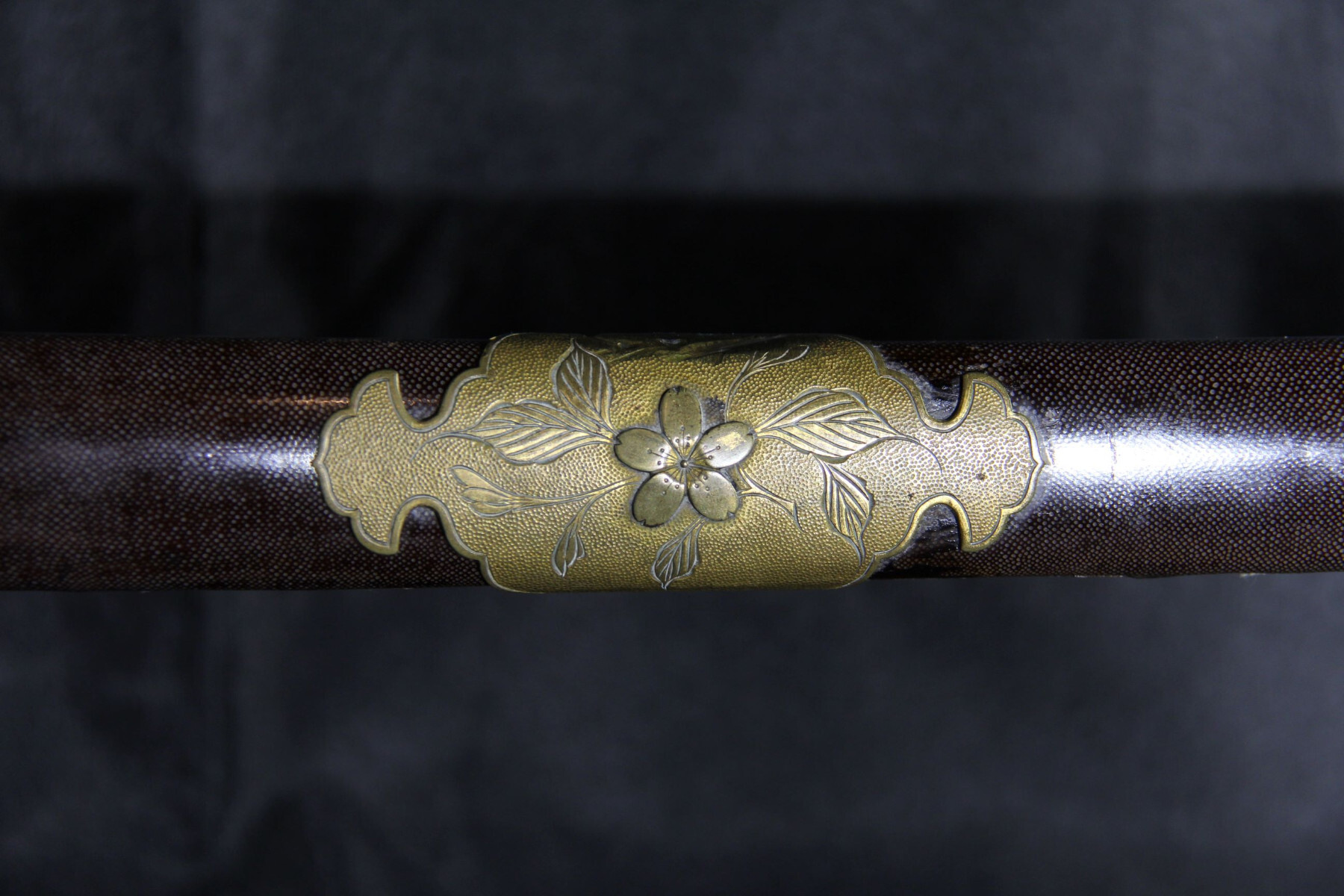
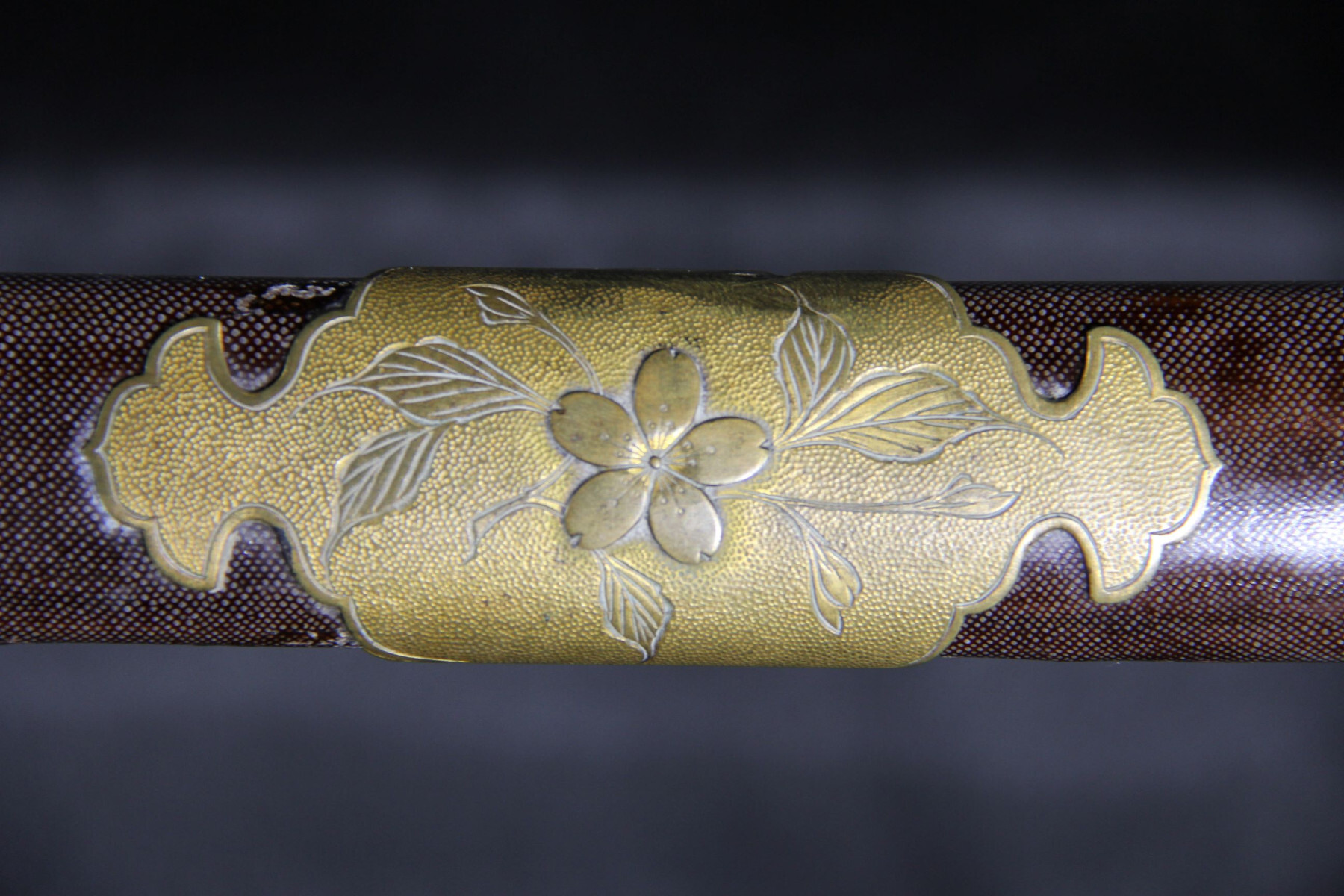
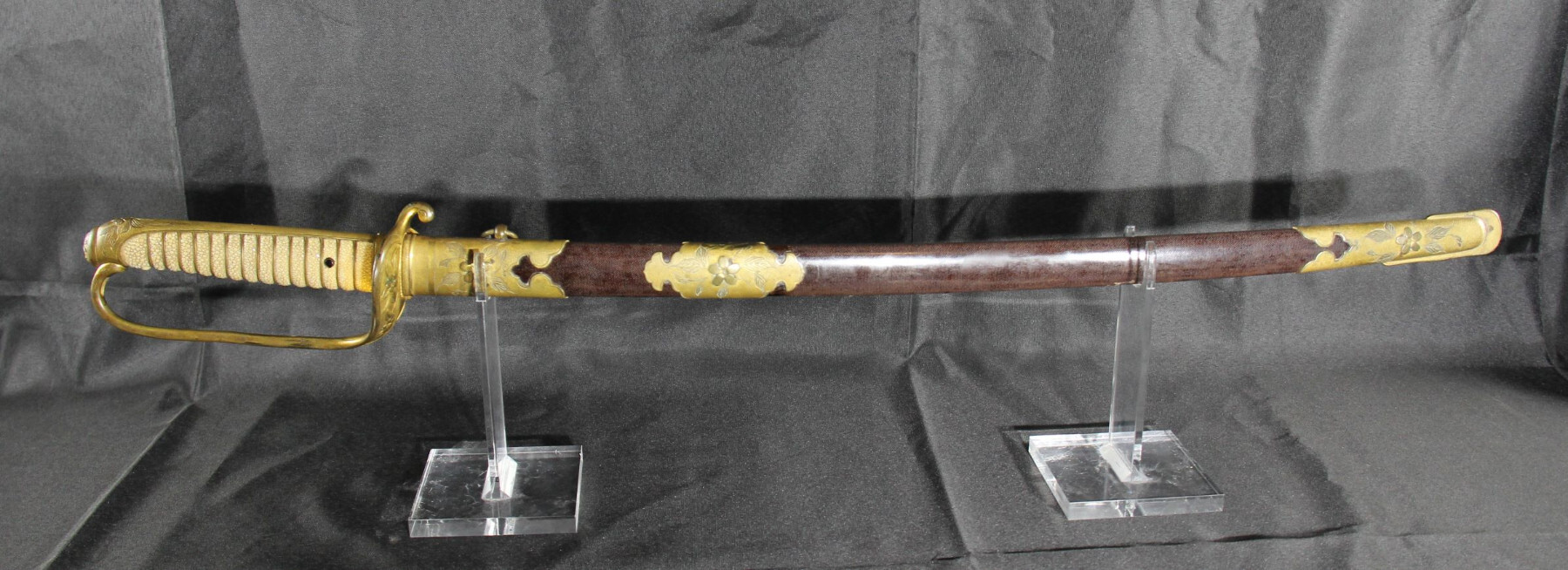
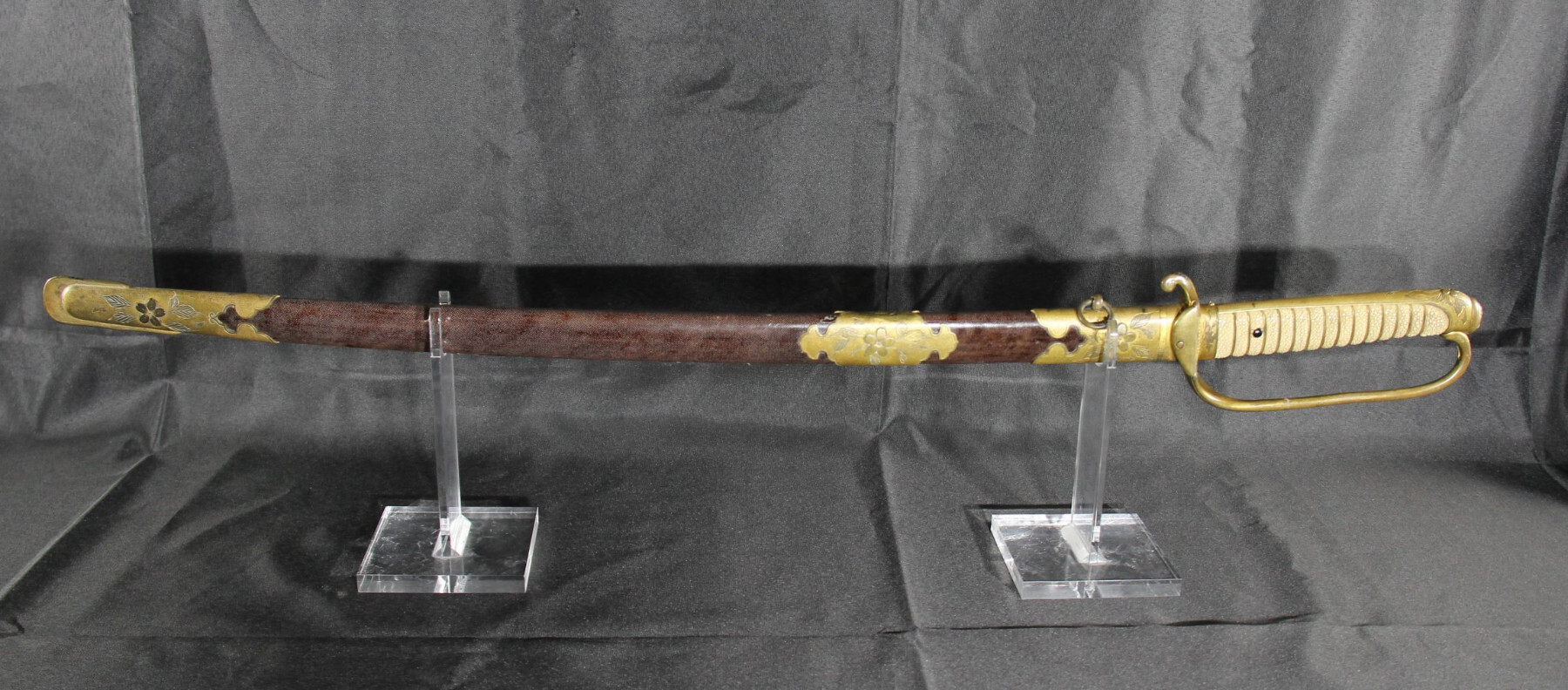
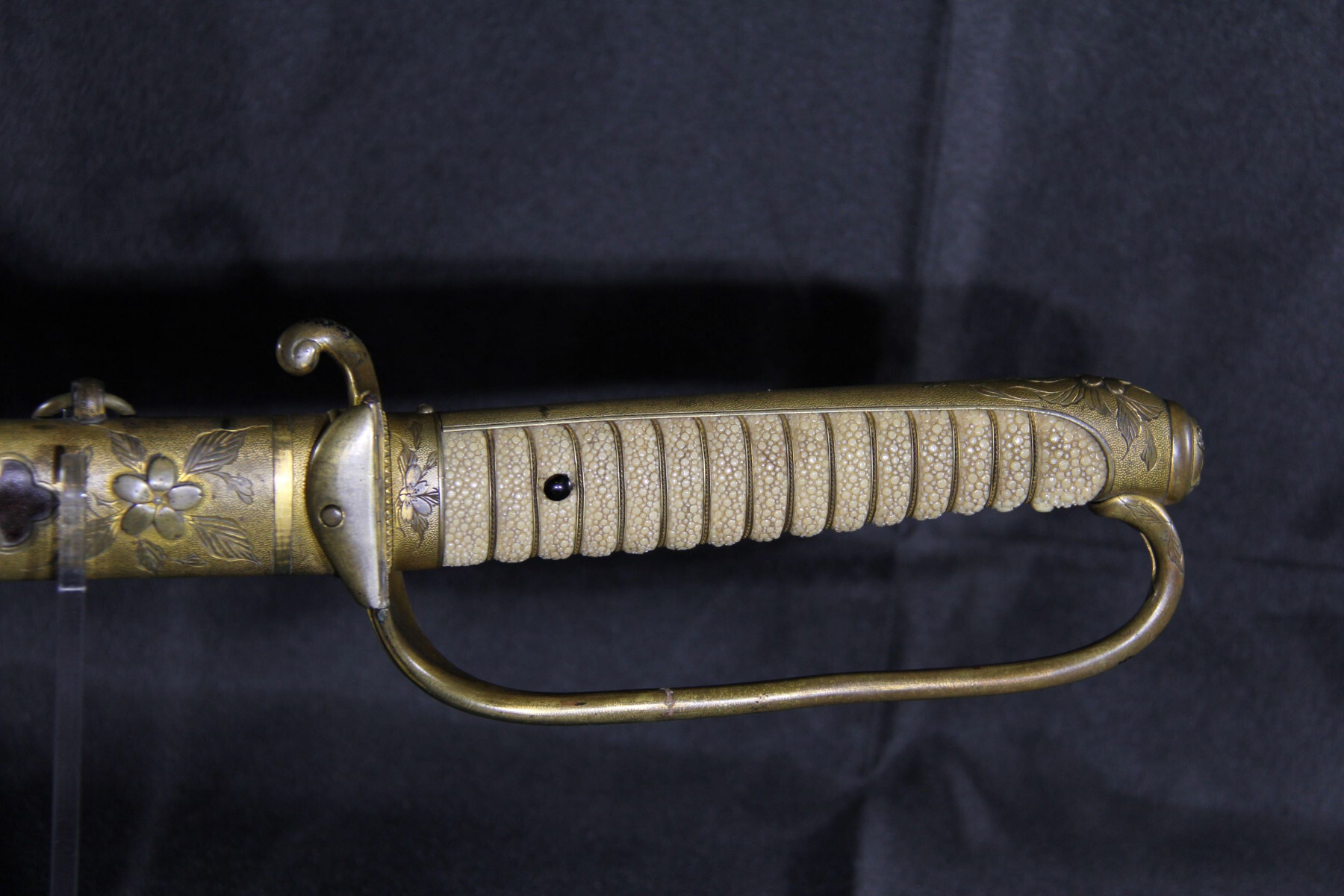
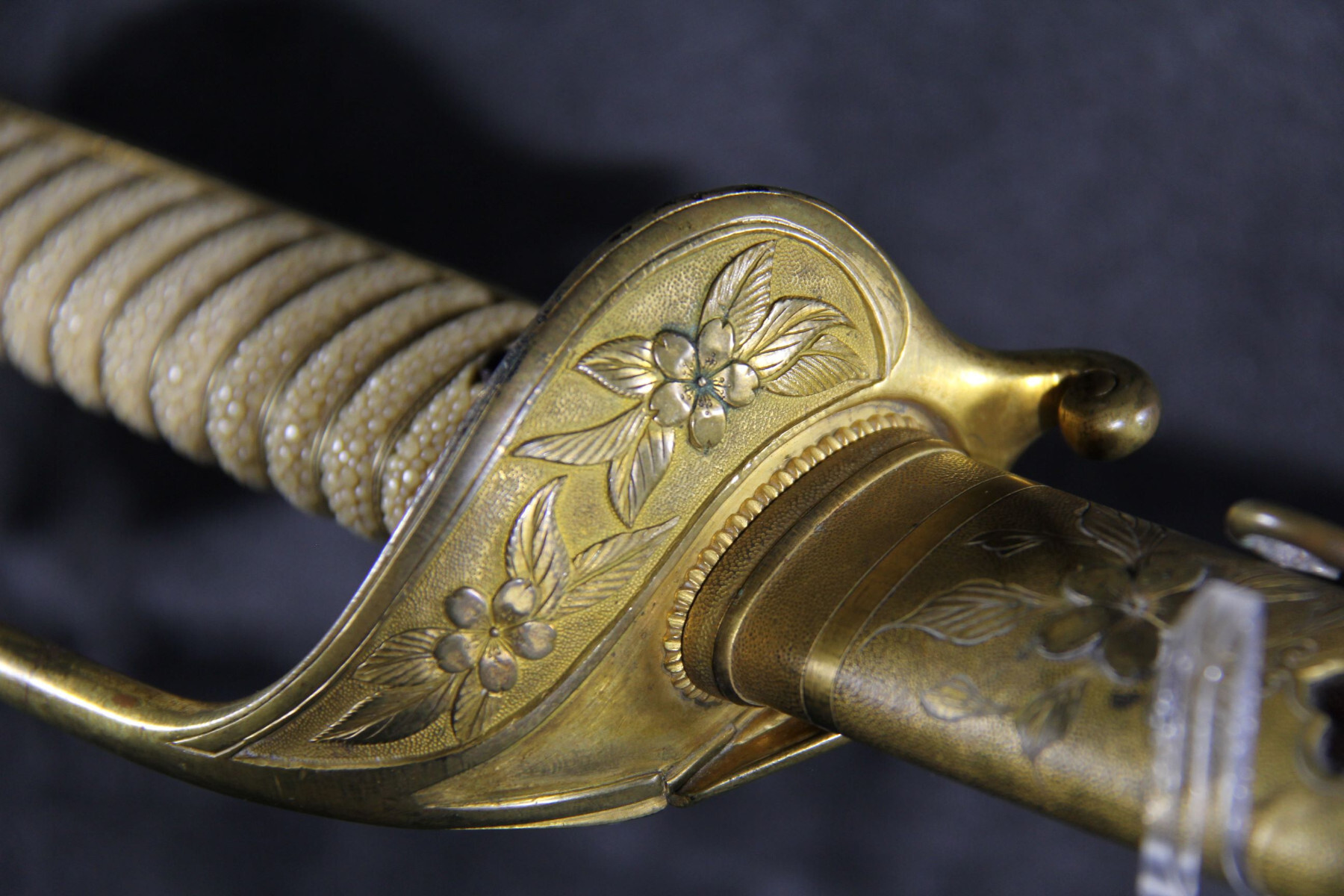
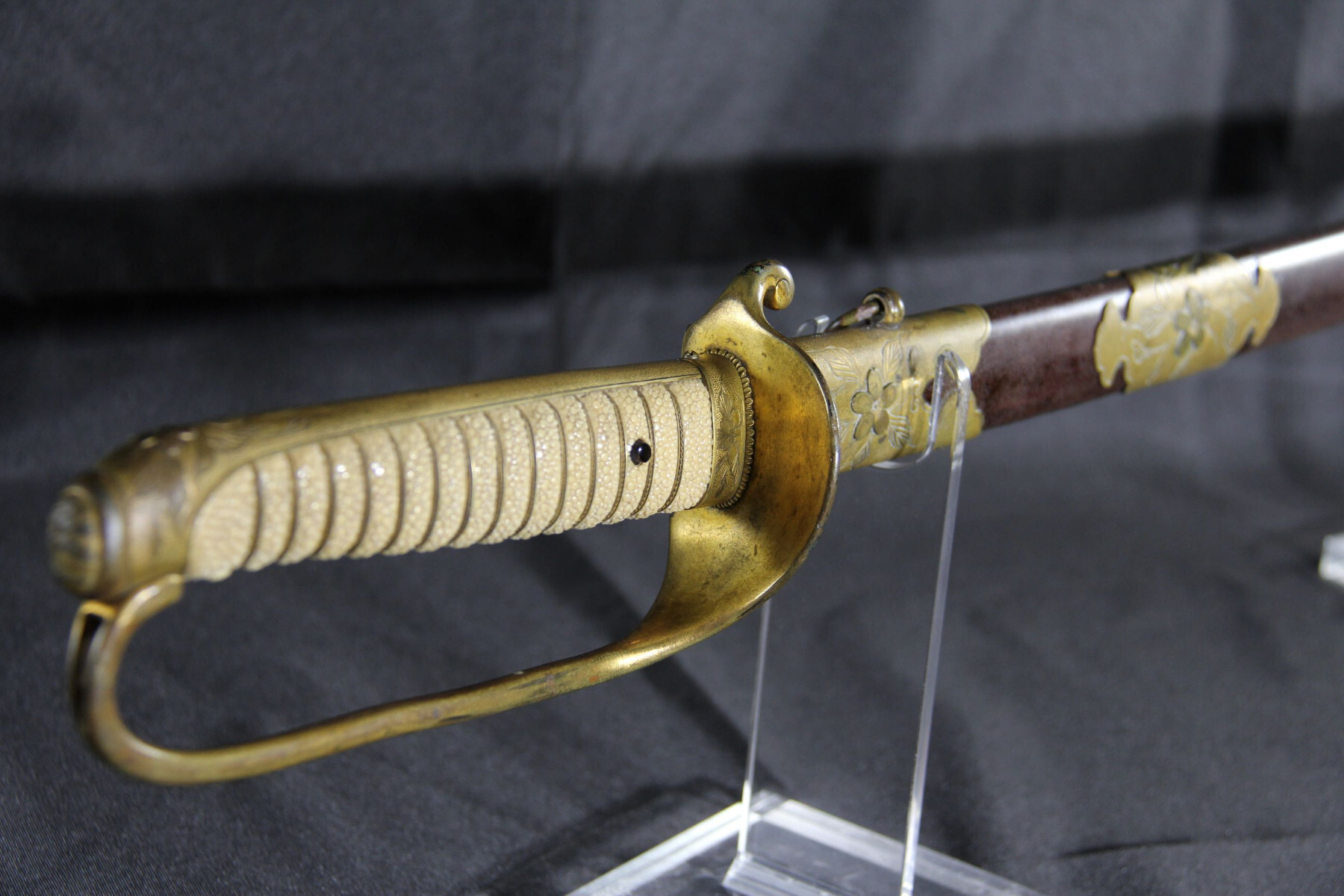
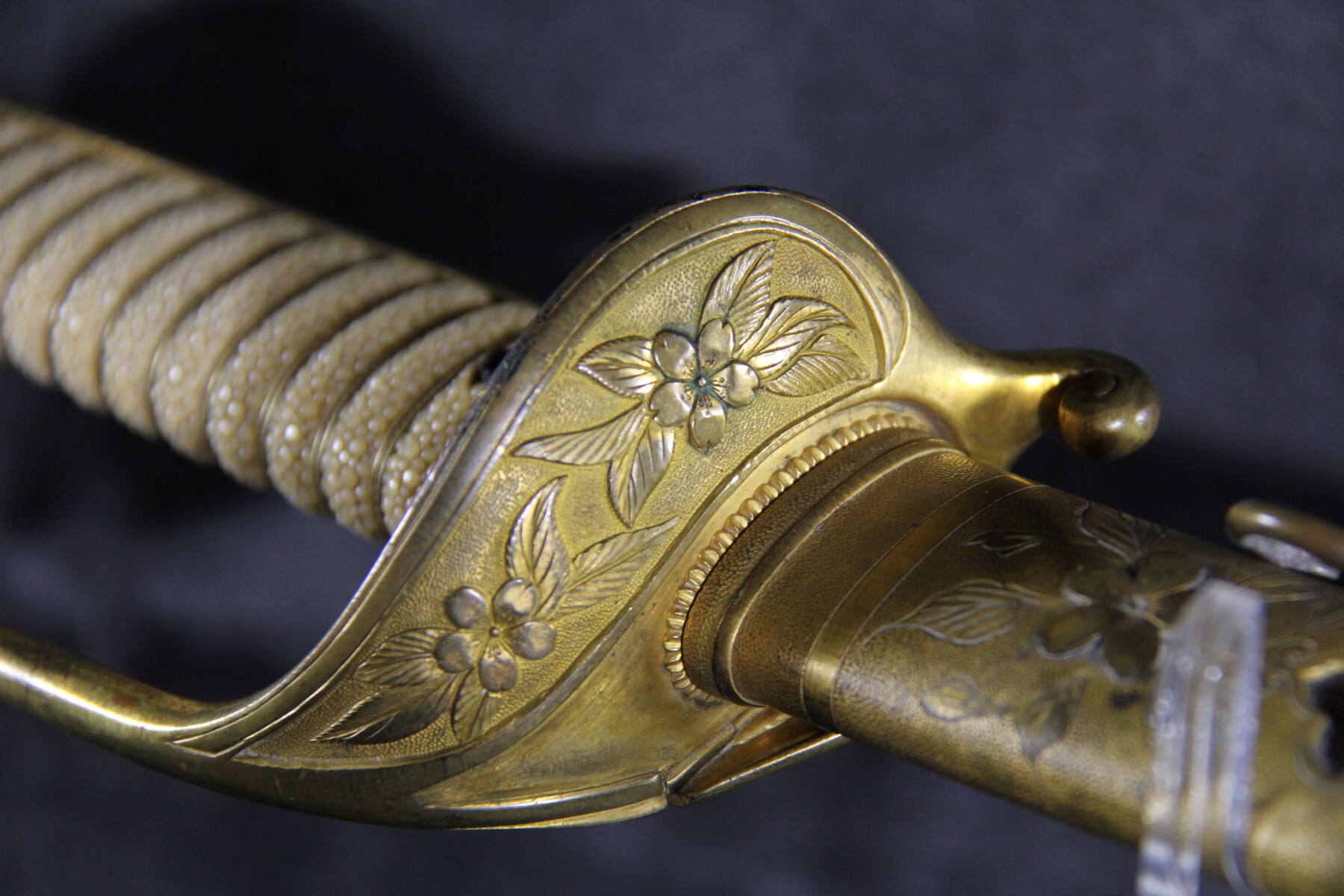
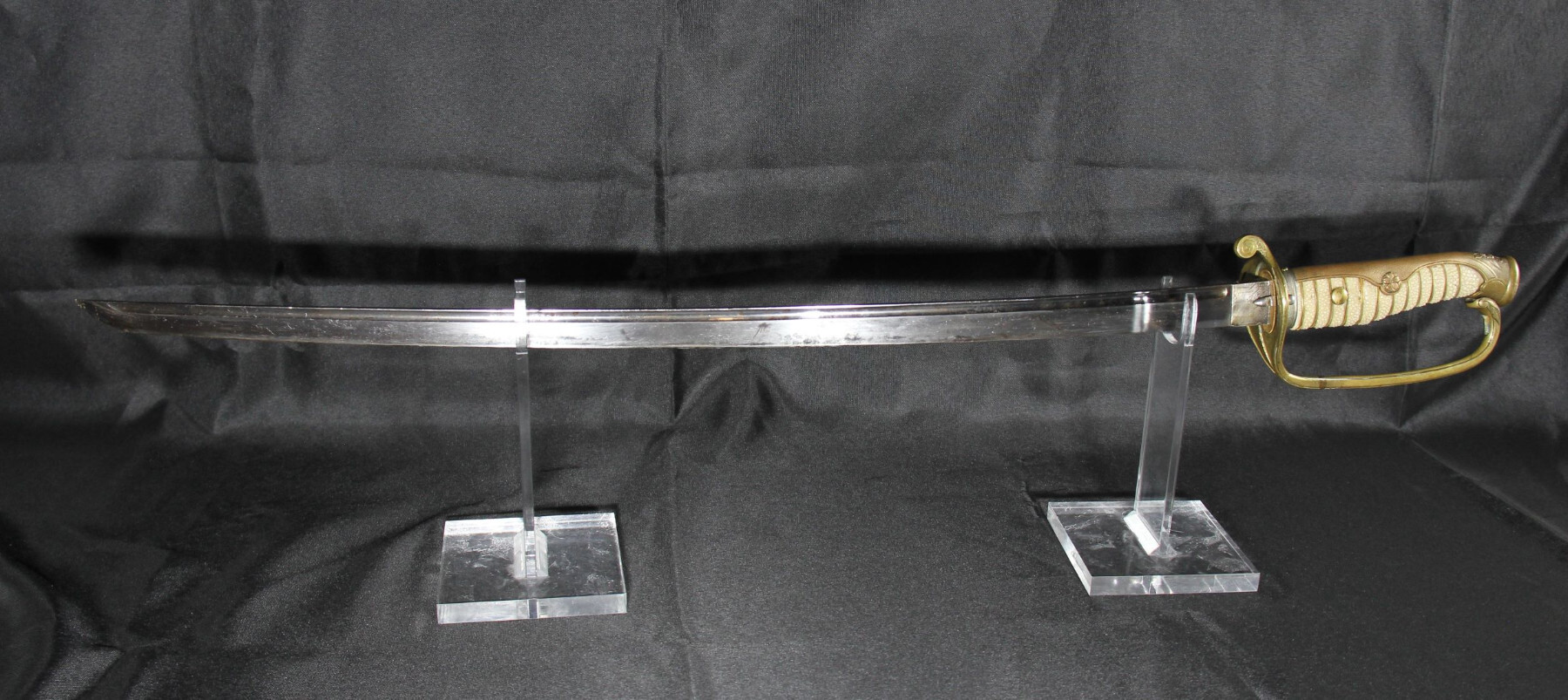
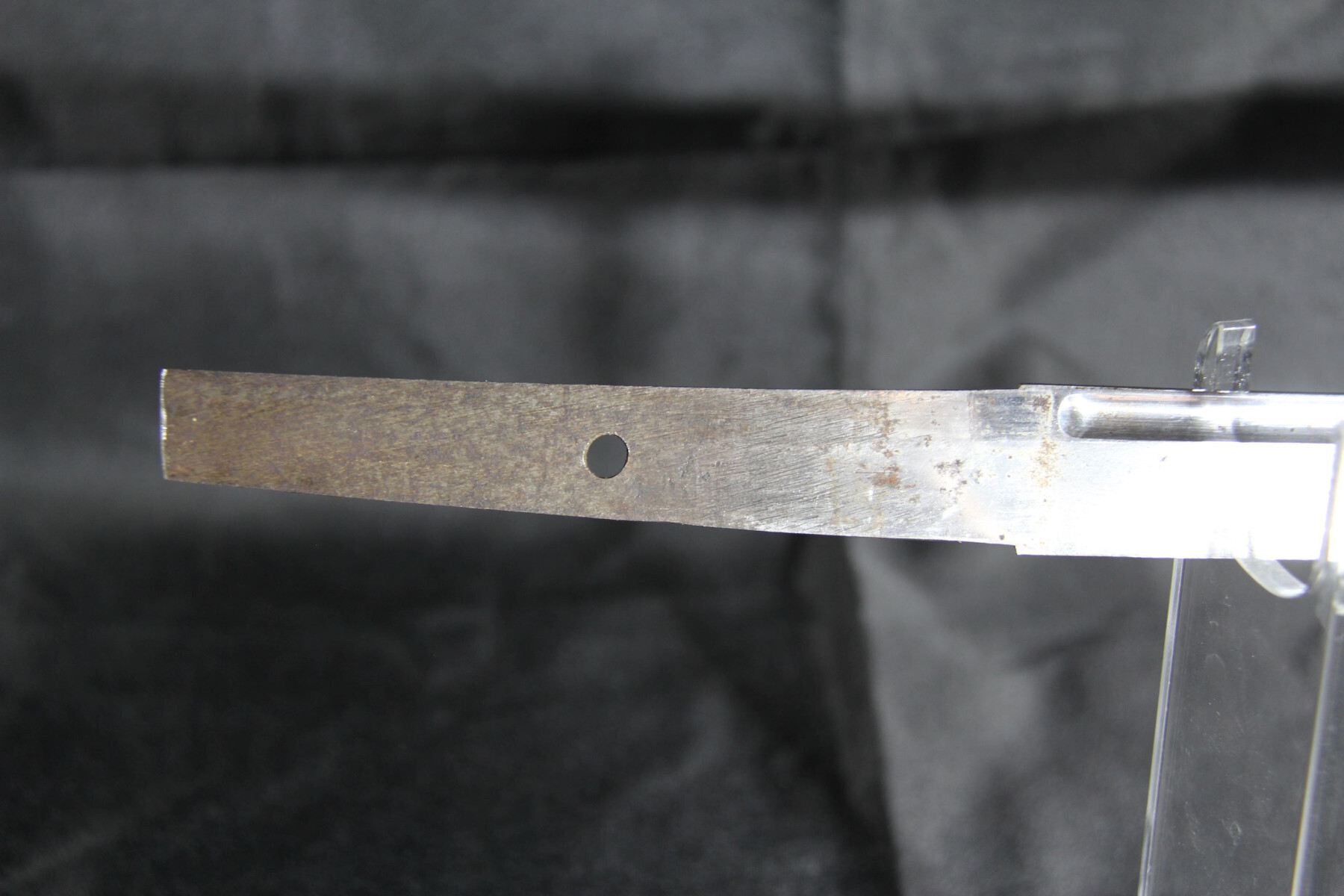
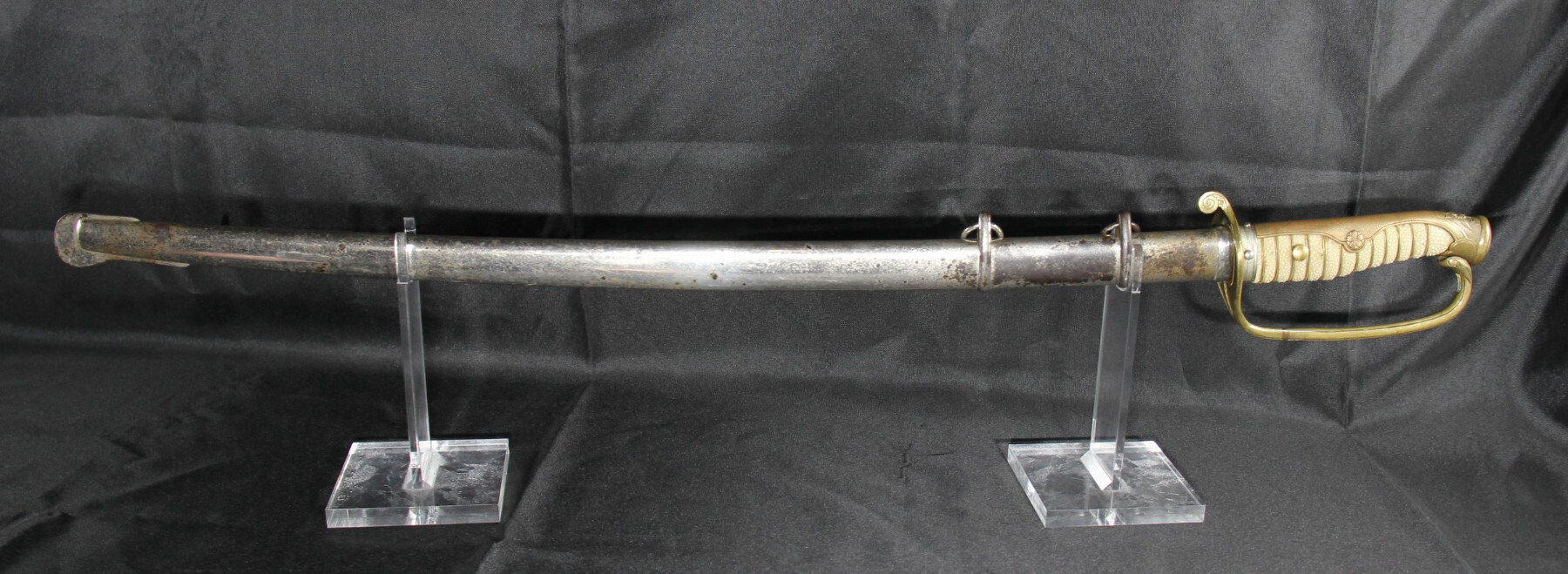
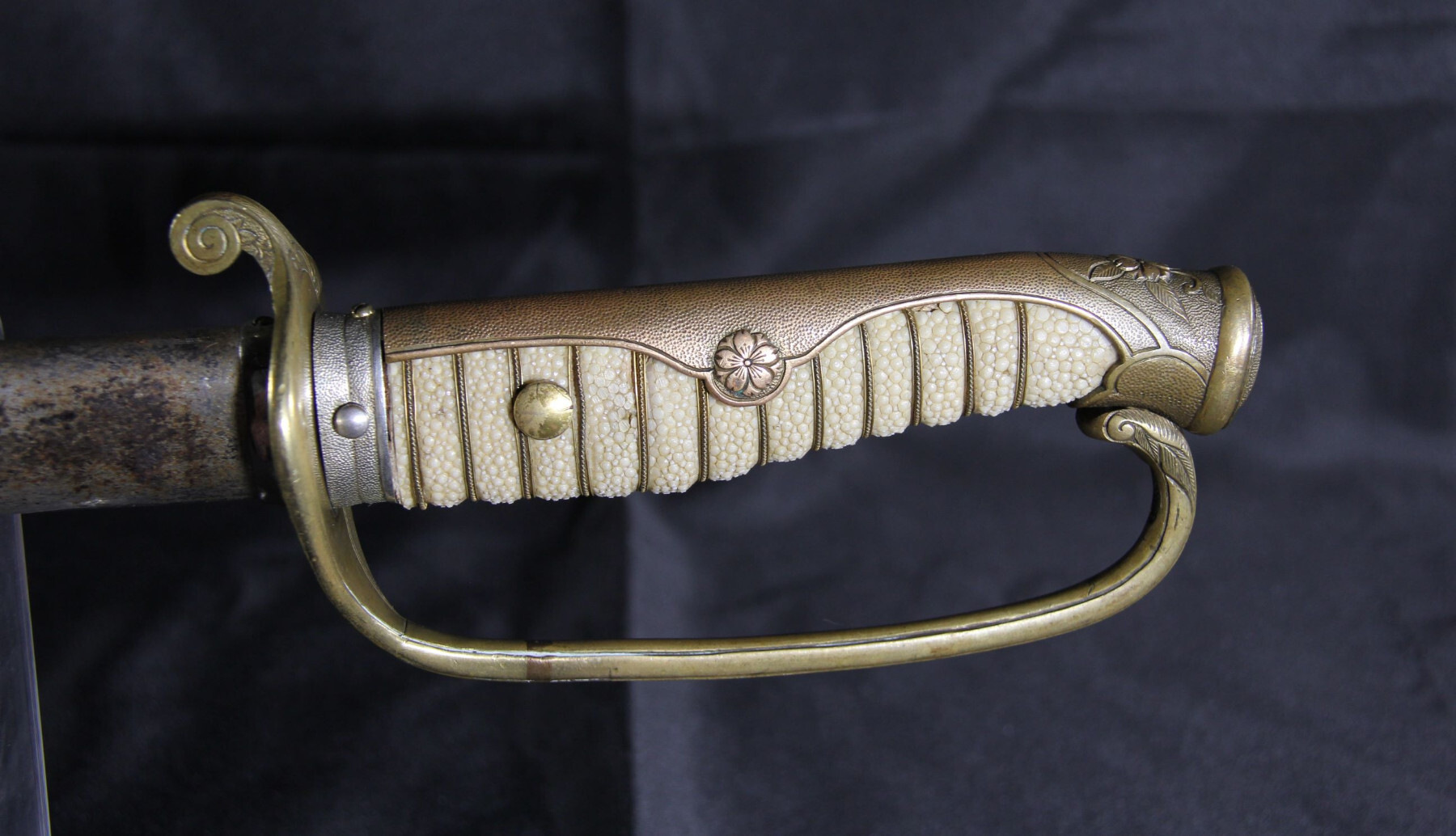
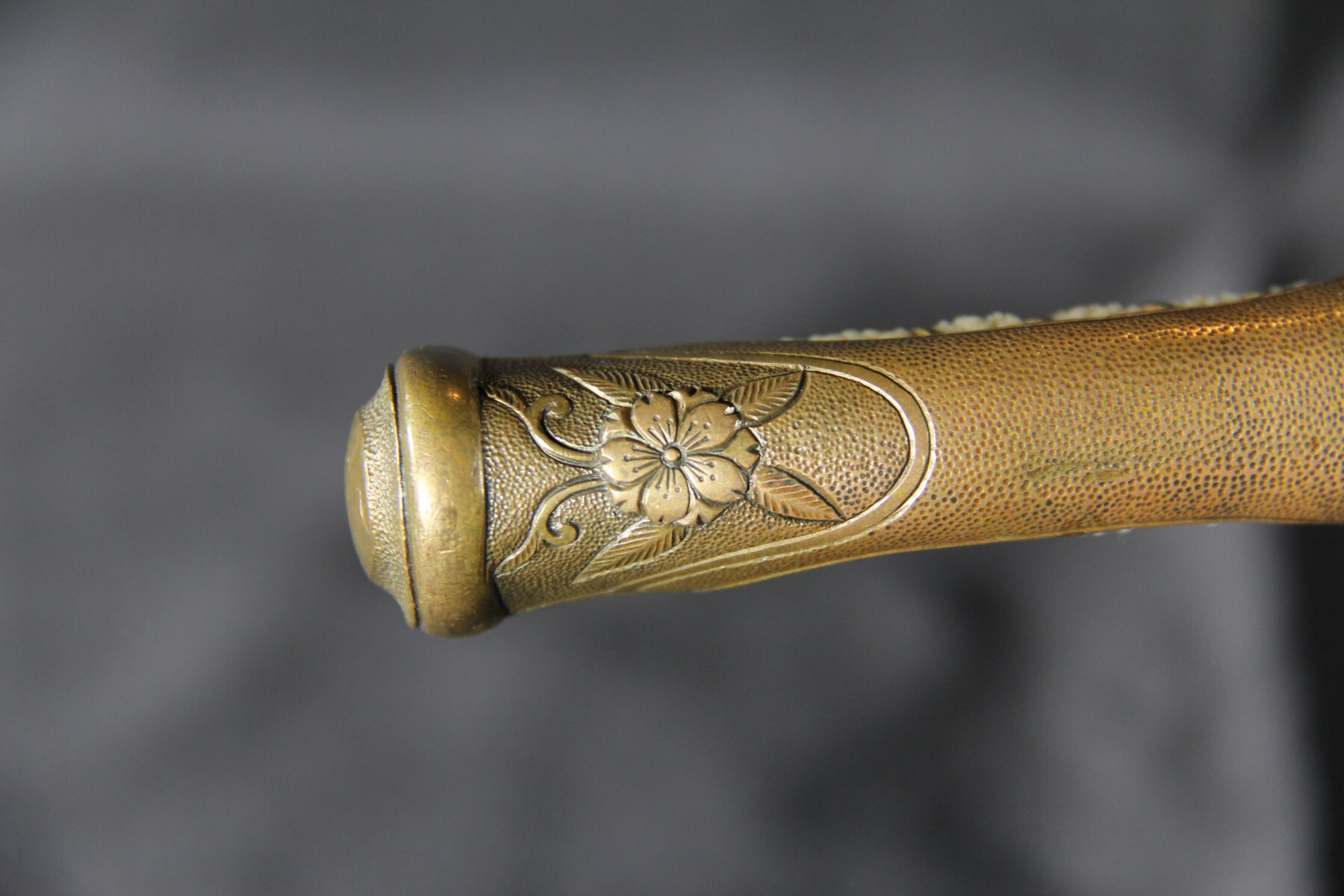
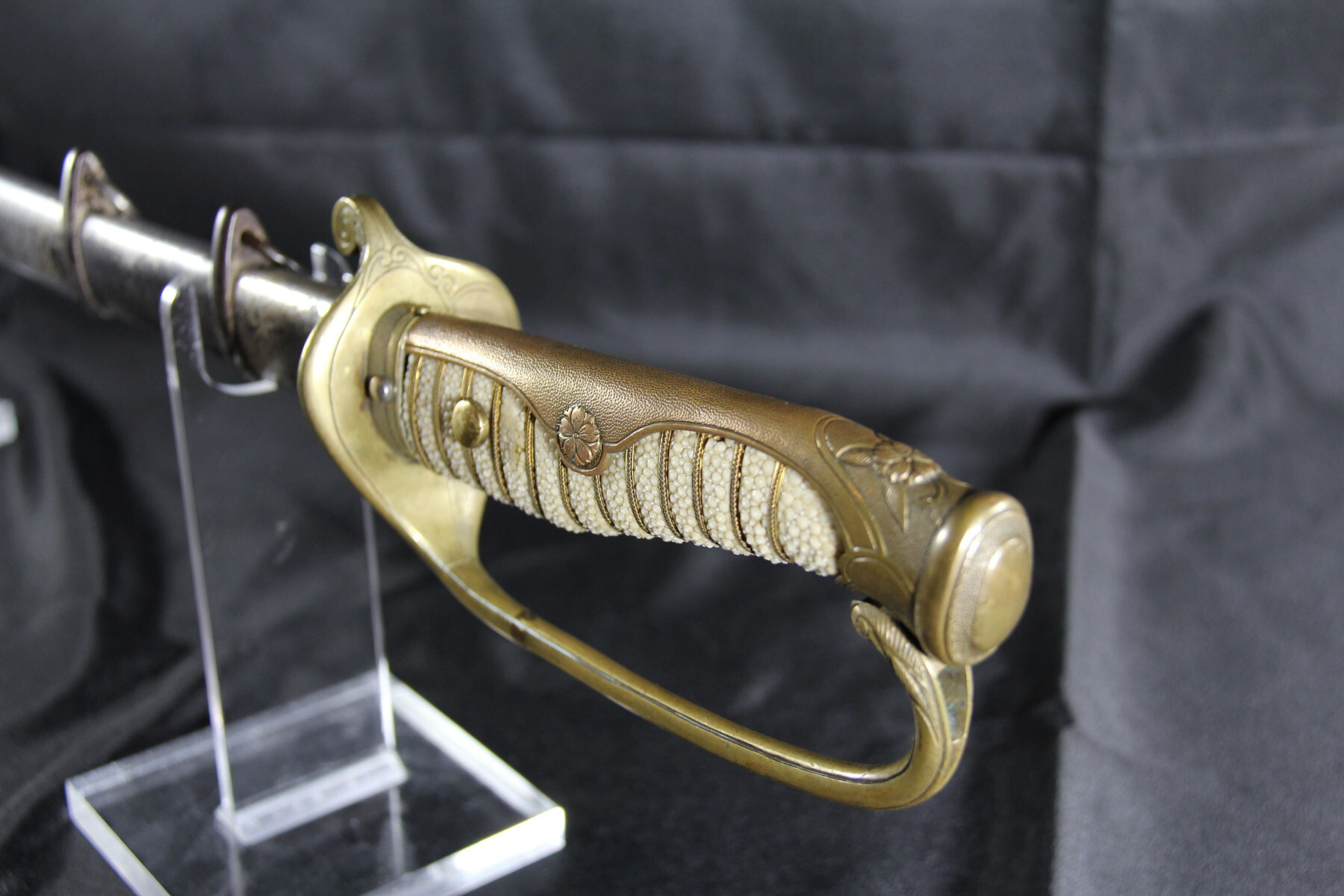
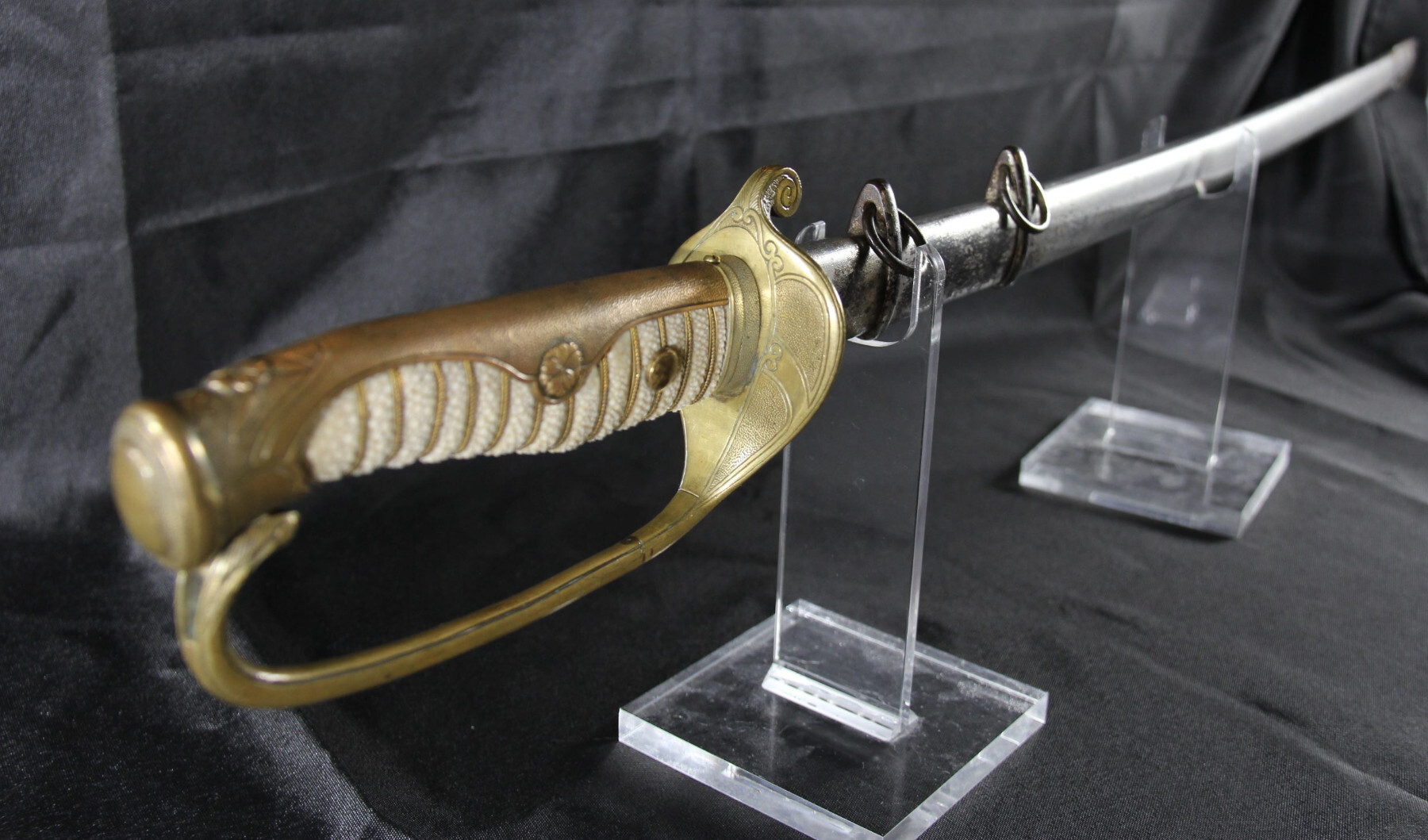
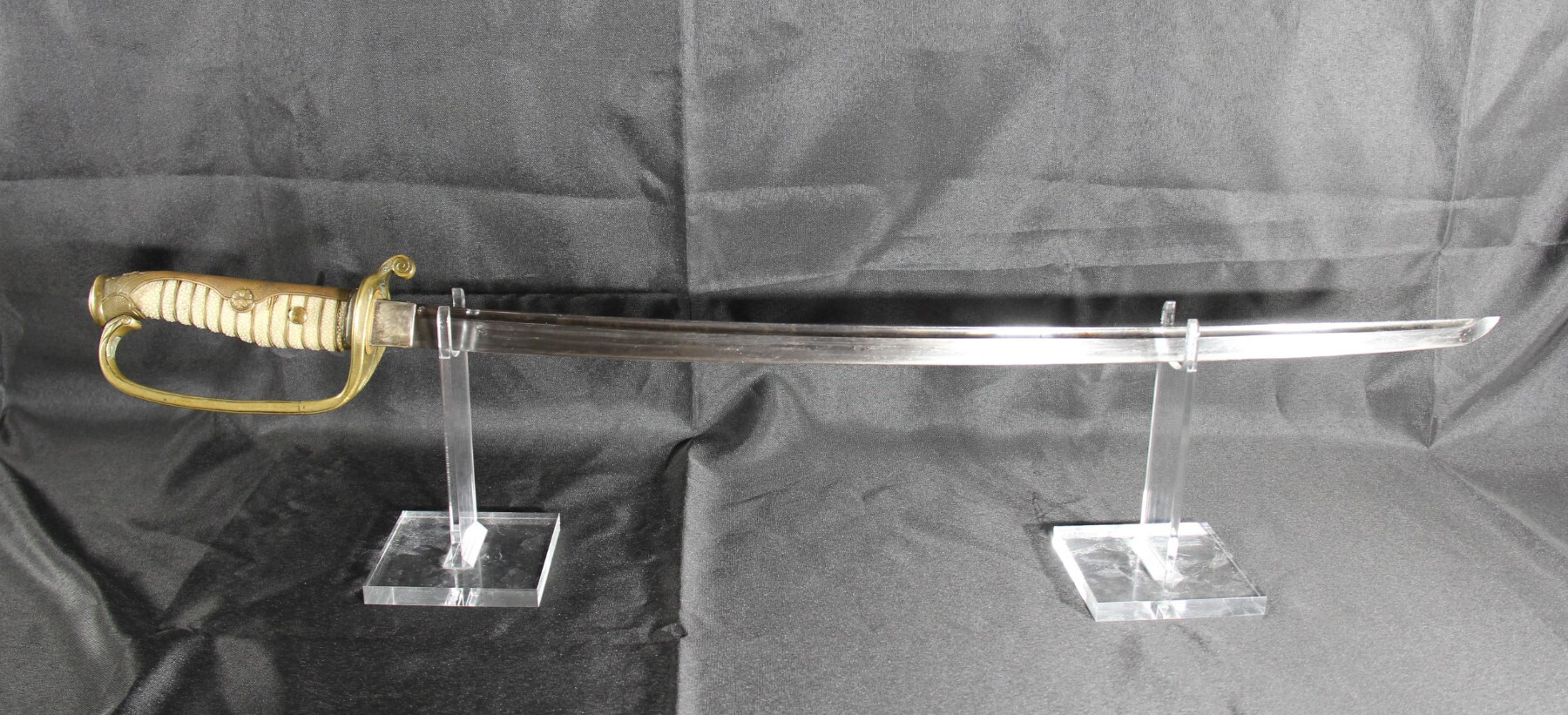
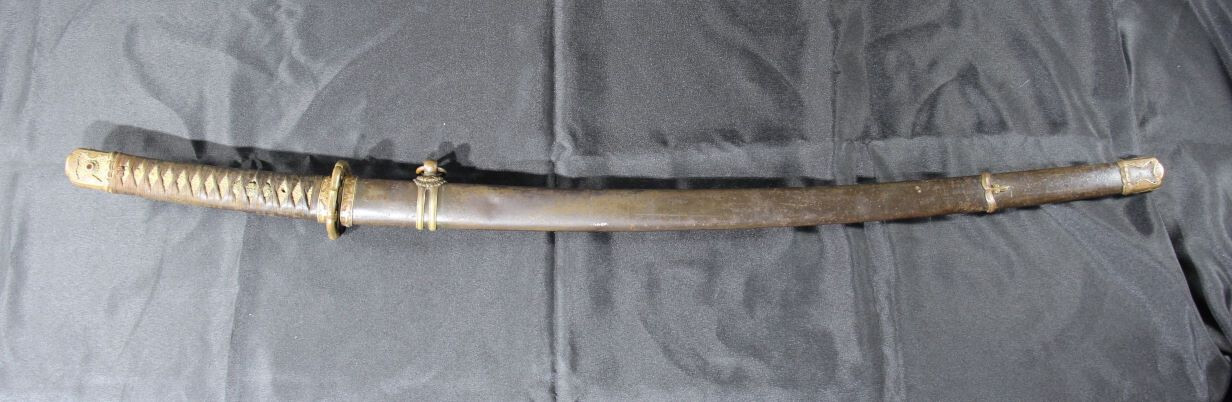
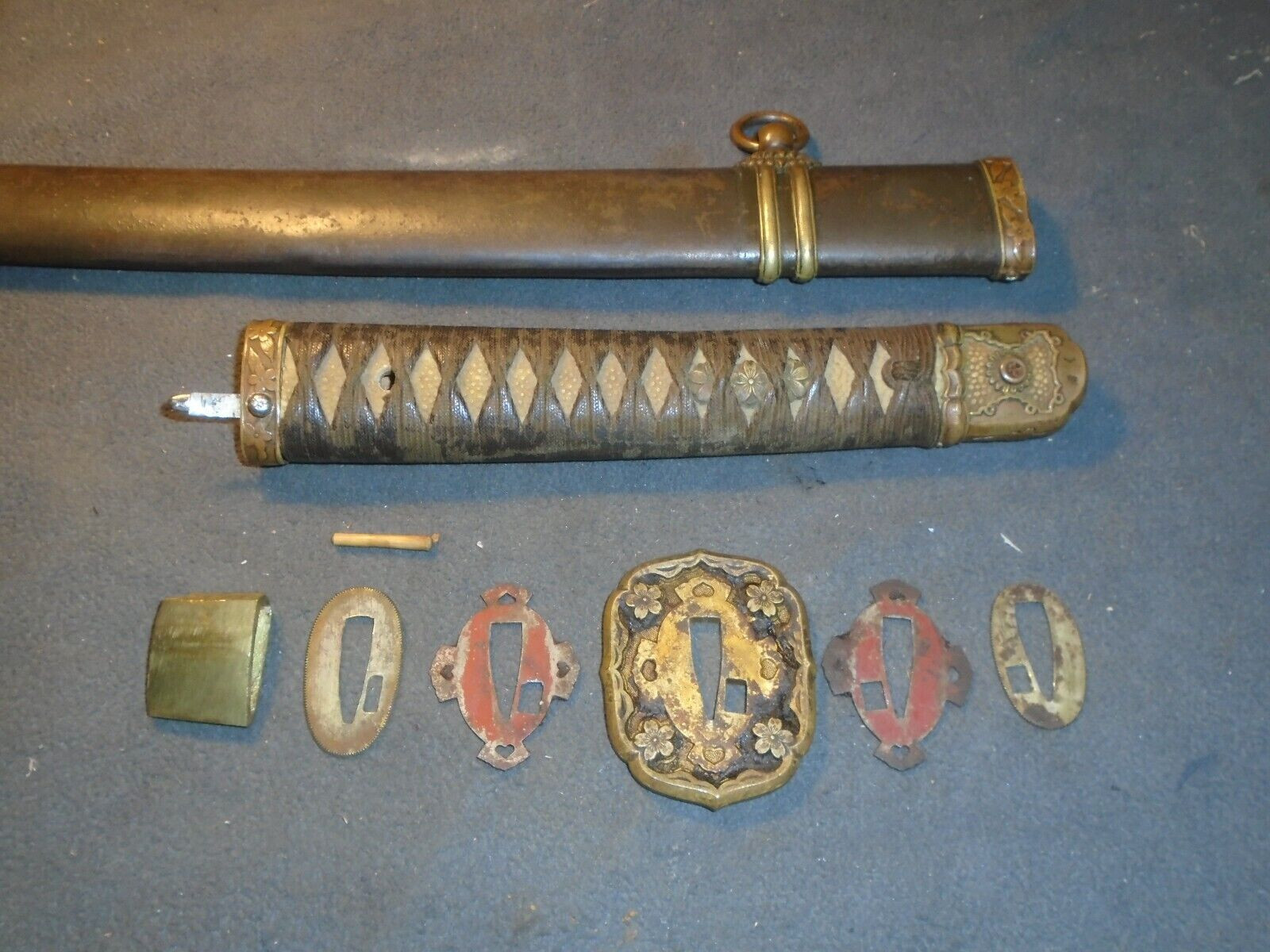
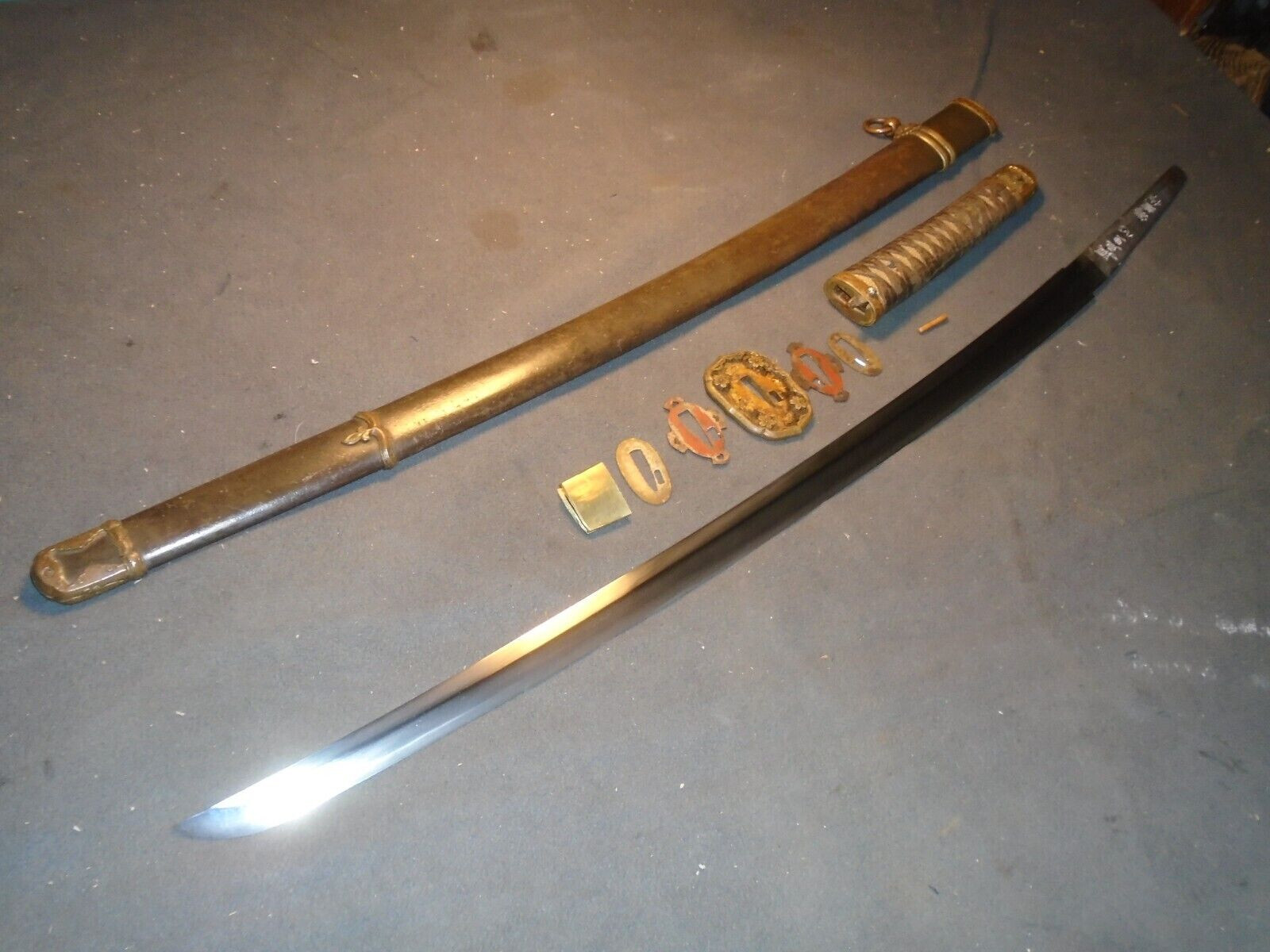
I wanted to share with you the last (and best) of my recent acquisitions. The sword is a IJN 1883 pattern officer's sword with the "eleven-leaf" guard variation. Other than the second suspension ring being missing (perhaps deliberately? w/ evidence of repair), the naval mounts are in great shape. The blade is suriage muromachi mino-den signed "兼升 " (Kanemasu). I bought the sword for the complete package in the naval mounts, but the blade in hand is quite beautiful and worthy of appreciation on its own. To my eye, the IJN 1883 in fighting kyu gunto form is the best-looking military pattern sword ever fielded, and I'm happy I was able to pick one up. The appropriate tassel is in the mail. A few quick questions -- This pattern was in use for 54 years. Are there any signs or tells that date a sword more precisely within that time period? Also, I see a lot of kai gunto offered for sale with shrunken, peeling, and deteriorated sharkskin or rayskin sayas. Is this because they were neglected in hot attics for decades, or do I need to take some kind of proactive action to keep the saya preserved in its current condition?





-
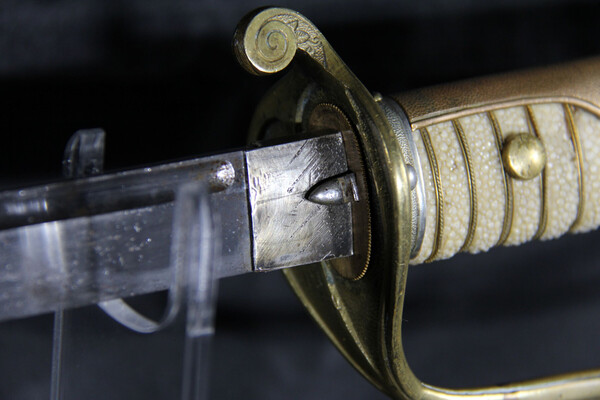
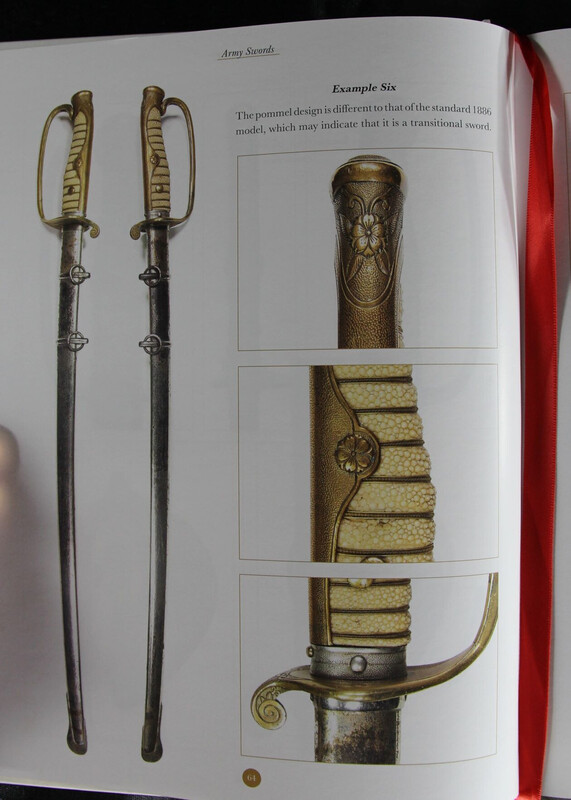
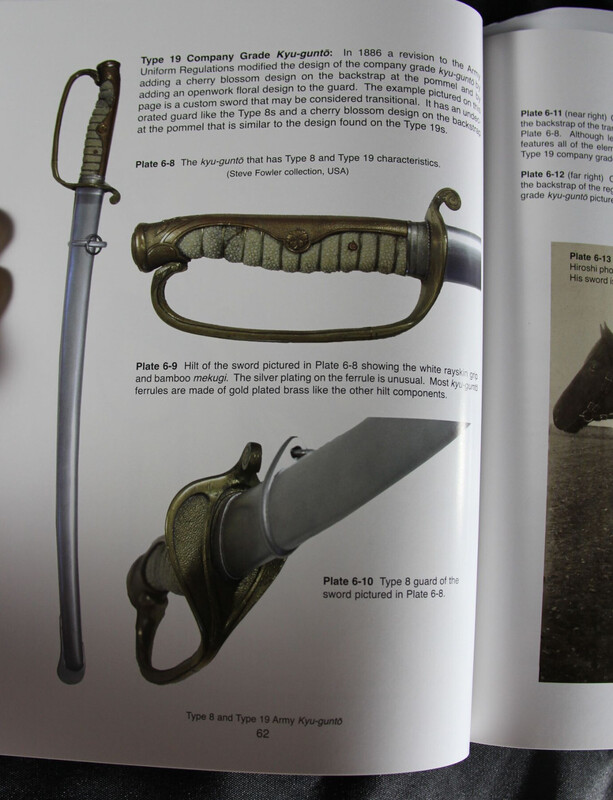
Hamish, I was hoping you would weigh in as the resident kyu expert. My intent with this purchase was to acquire a Type 8 fighting sword or something close to it, so I'll take your "late Type 8" impression all day long. I agree with all your points about the hodgepodge features of this sword. I might have passed if the exact same thing wasn't also pictured in Dawson. Same backstrap with the same non-standard cherry blossom, same silver ferrule, same guard, hard to say from the picture in the book but it looks like there may even be the same guard/backstrap color mismatch. Whoever made this made at least two of them. FWIW the one in Dawson appears to mount a proportionally wider blade.
-




-
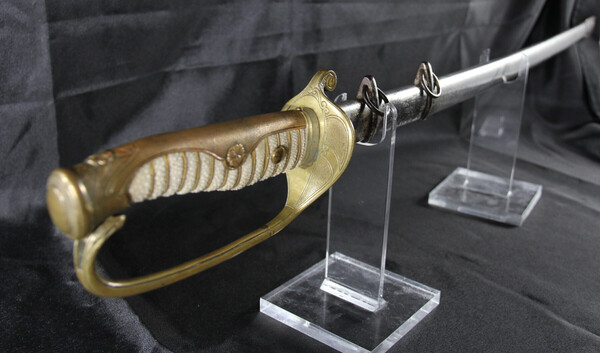
Greetings all, Wanted to share this new acquisition for your observation and comment. This is from the Plimpton collection and is published on pg. 64-65 of SotE as the 6th example of an "Army 1886 NCO Grade (Type 19)." Plimpton does not explain how he reached this identification and pages 54-65 contain no citation footnotes. It appears that he is identifying as NCO swords examples with solid guards and undecorated or less-decorated pommels. A materially identical example is illustrated in Dawson pg. 62-63 (right down to the silvered ferrule/fuchi) as a transitional Type 19 company grade officer sword with a mix of Type 8 and Type 19 characteristics. According to Dawson, of the six "1886 NCO" swords illustrated in Plimpton, Nos. 1-4 are actually just Type 8 company grade officer swords, and Nos. 5 and 6 are early or transitional Type 19 company grade officer swords. Dawson seems better supported to me, but wondering what you knowledgeable folks think of the conflicting IDs. 25.5" nagasa, blade is machine-made mumei that appears to be through-hardened and spring tempered.




-
This is what sucked me into the military sword space. So much still unknown and actively being uncovered this board and similar ones. Bruce, I've read your mantetsu article, your stamps article, and Ohmura-san's mantetsu pages. Also scanned through the prior threads on "w" or "m" and on the "nan" stamp. So, if I'm following all of this correctly, commercial officer sword production comes under army supervision in 1942. There are competing theories of whether blades are being made at SMR and being "nan" stamped by Nan-man arsenal inspectors now overseeing things at SMR, or if mantetsu blades are actually being made or finished at Nan-man. Then there's the "w" stamp in the mix, now thought to be a "halfway" inspection stamp. One theory links the "w" with unfinished mantetsu blades sent to Tokyo 1st Arsenal under contract for final production, and the competing theory points to unstamped examples as the contract swords. The finished sword would then be retailed to officers as a private purchase item through a shop supplied by or associated with the final producer/assembler? Edit: I think I'm getting closer to up to speed and finally grasped what you meant. One theory was that "Koa Isshin" signed blades were made at SMR, while "Mantetsu Tanzo Kore" were made at Nan-Man. Ohmura-san says that the mei "after March 1943" was "Mantetsu Tanzo Kore," but '43 and '44 "koa isshin" have been observed. The nan stamp appearing in 1943 simultaneously with the "Mantetsu Tanzo Kore" mei appeared to corroborate the Nan-Man connection and offered an explanation for why two different mei would be used simultaneously. Nan stamp on at least two '42 "Koa Isshin" blades makes things messy. FWIW, upon closer inspection this sword has a half-struck Tokyo 1st Arsenal inspection stamp on the kabutogane. On the other side are two stamps so half-struck as to be illegible/inconclusive, but not inconsistent with Tokyo 1st Arsenal logo. Thanks to Kiipu we know that the tsuka was on the sword before Showa22 started swapping parts around.
-
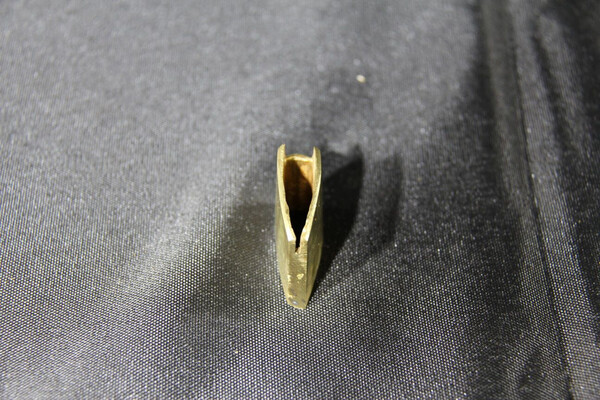
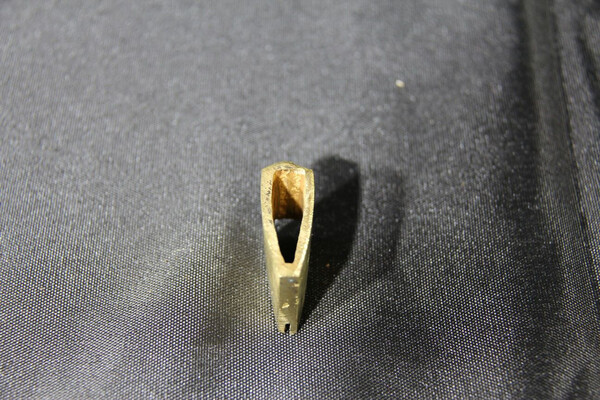
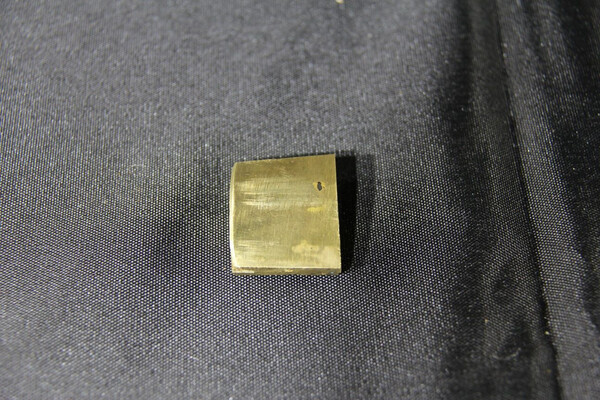
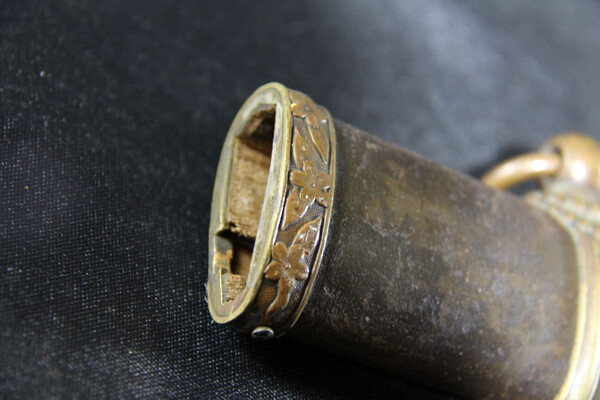
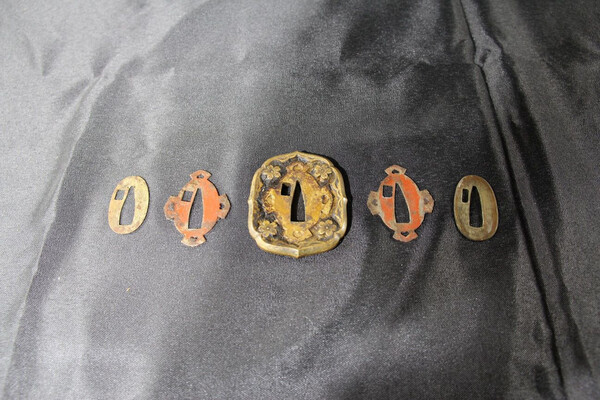
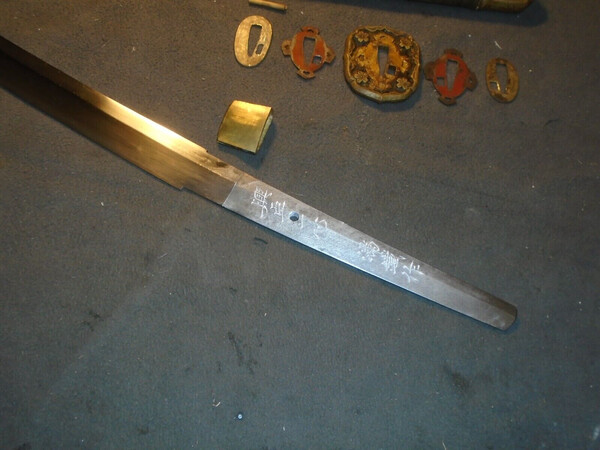
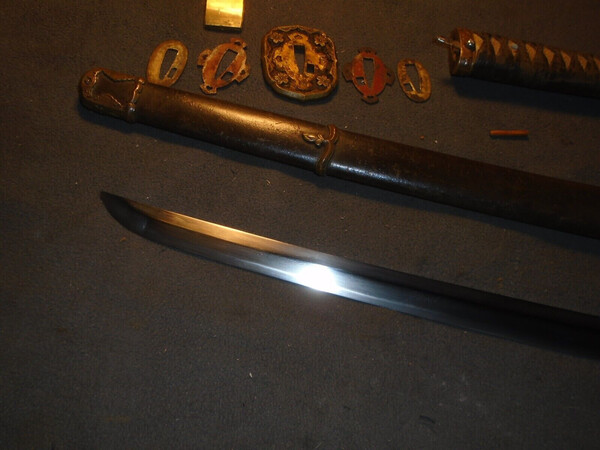
Great catch! It looks like Showa22 added a habaki, seppas, and mekugi and unfortunately "cleaned" the blade. I'm sure he thought he could make an easy flip. It looks like he ended up losing about $200 after eBay's cut.
-




-



-
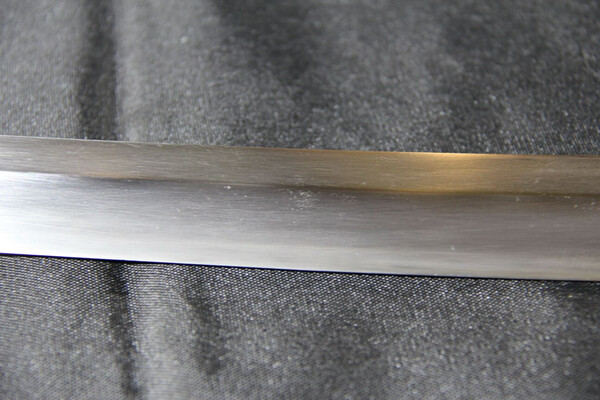

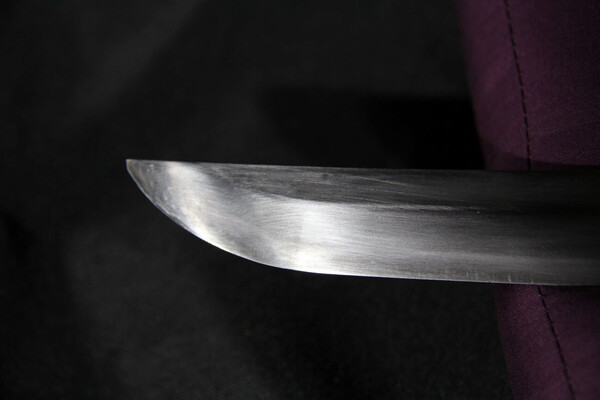
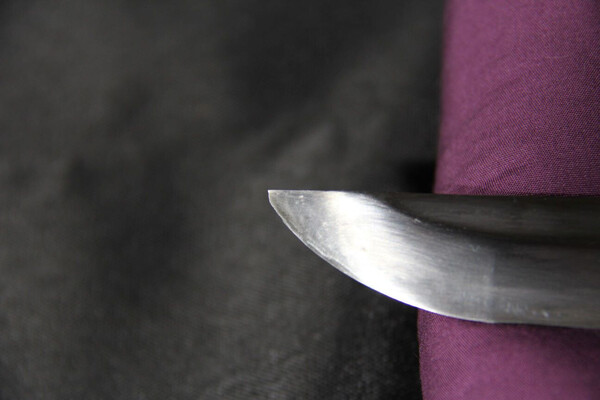
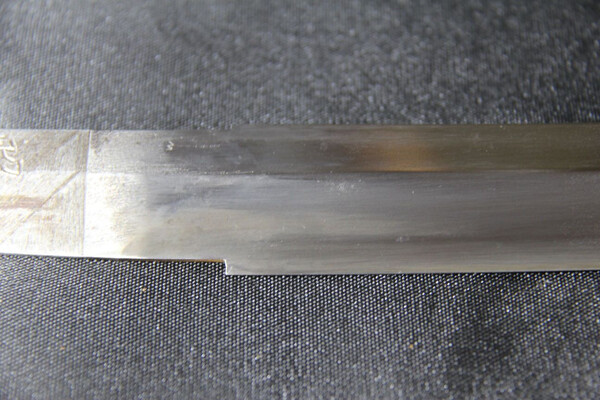


-
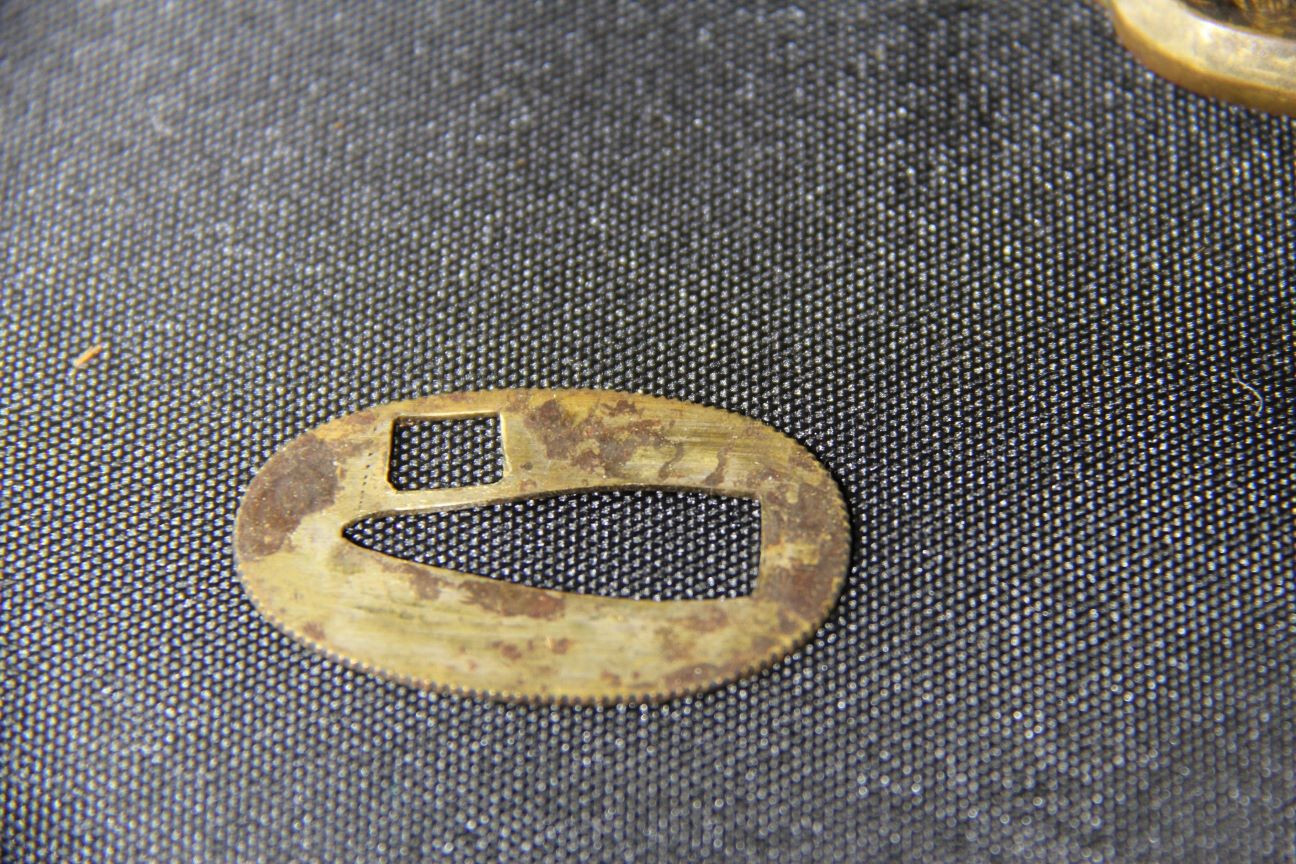
Sword is here! I made my best attempt at sword photography, with the last two pictures being in outdoor natural light to better show how the polish appears to the naked eye (the camera is still picking up more than the eye, though). There is a stamp on the spine of the nakago below the serial number. The "w" stamp is also present (I'm reading through the thread on this right now). The fuchi and one of the seppa are marked "22." I did not find any other numbers on the various fittings. The blade was covered in some kind of heavy grease that smelled like cosmoline or something else petroleum-based. It's also caked all over the tsuba. I can retake photos or take additional photos -- just let me know! MUCH larger resolution pictures available here: https://drive.google...QpH-7pLR?usp=sharing



-
Ser# not pictured. Tracking says it arrives on Monday so we'll find out then.
-
Thank you all for your assessments! I'll take pictures and post once it arrives.
-


-
So I've been into nihonto for a couple of years now and steadily shifting interest to military swords over the past few months. I've read through Fuller & Gregory and Plimpton (aware that both contain various outdated information) and been lurking on this board and warrelics.eu. It seems I decided to take my first plunge into military swords by wandering straight into the lion's den. I just won this auction on eBay for a pretty low price from a seller that people are advised to exercise caution with. The price really makes me question if either the collector market is still quite depressed or if I bought a bad sword. Koa Isshin mei with autumn 1942 date. To my eyes, mei compares well to published references. Nakago and yasurime are well finished. Patina looks fine. No polisher "barcode." Type 98 mounts look good. Do I have a good read on the sword or am I the fool easily parted from his money? eBay pictures attached. More to follow when I have the sword in hand.






-
SOLD! Thank you for the interest, everyone.
-
-
.thumb.jpg.4ff442e8c3fbd1d049a93ffa307bc869.jpg)
.thumb.jpg.1797e1e7cd58fa9606b1d225c887449f.jpg)
.thumb.jpg.b41eaacb4ba12f81089099b314b0a7ea.jpg)
.thumb.jpg.eca43b5ec51d82e751814fe7c9e260b1.jpg)
-
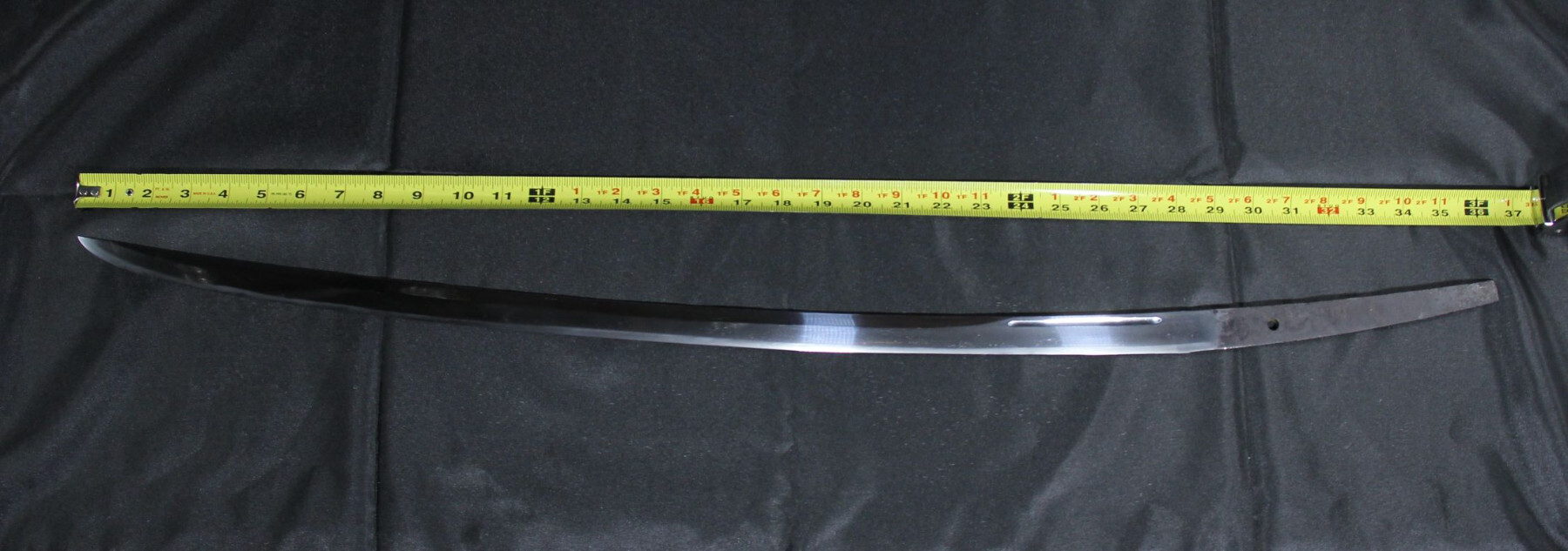
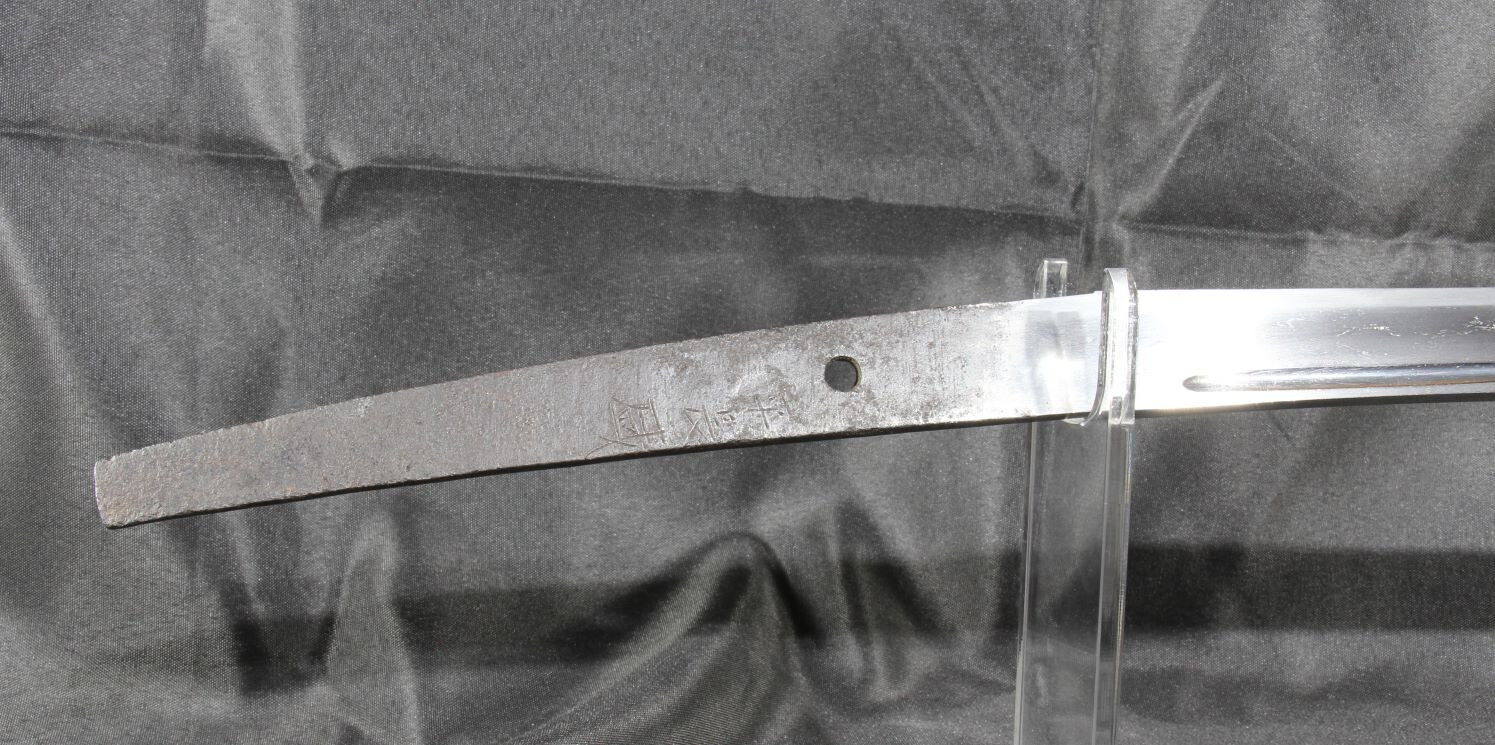
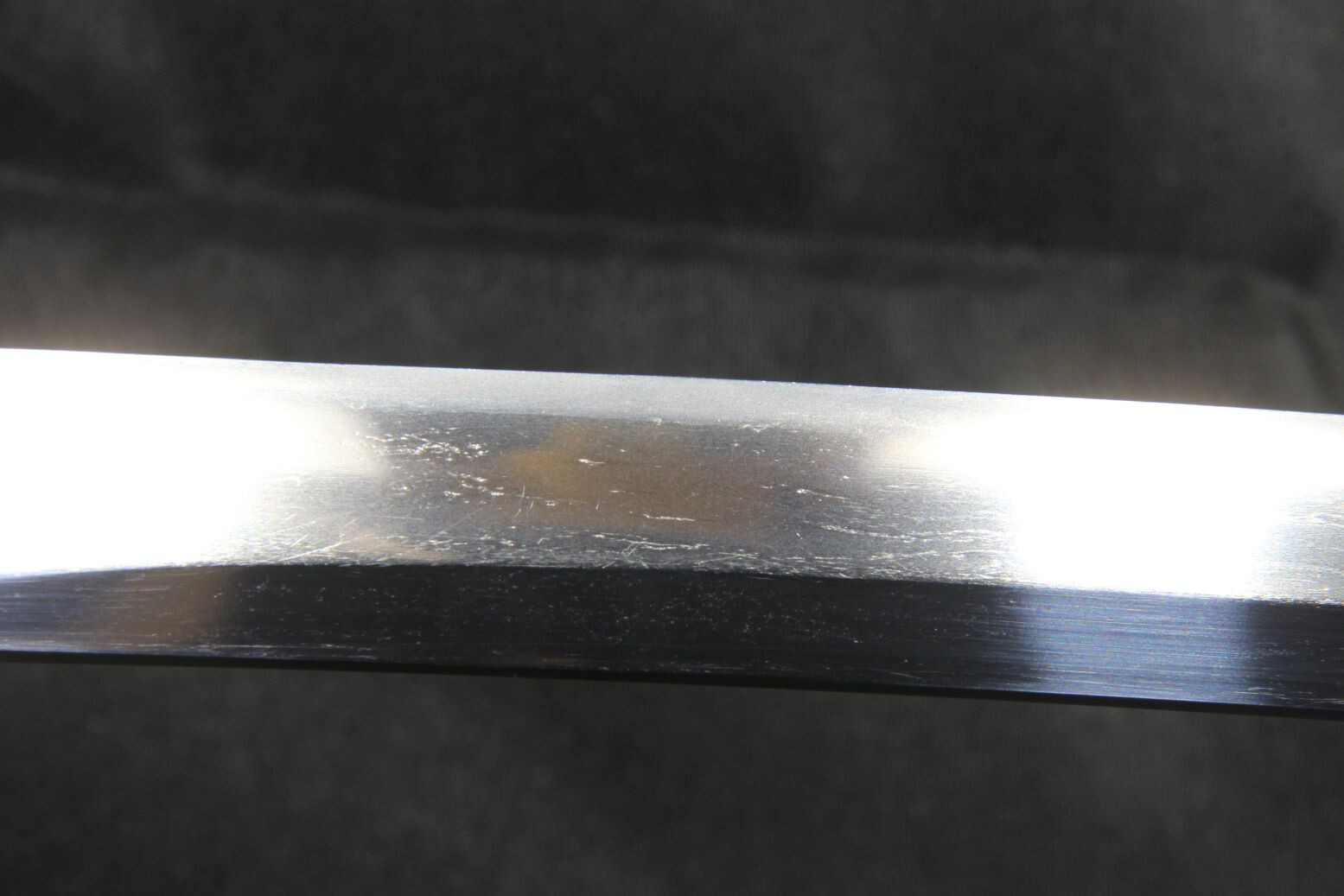
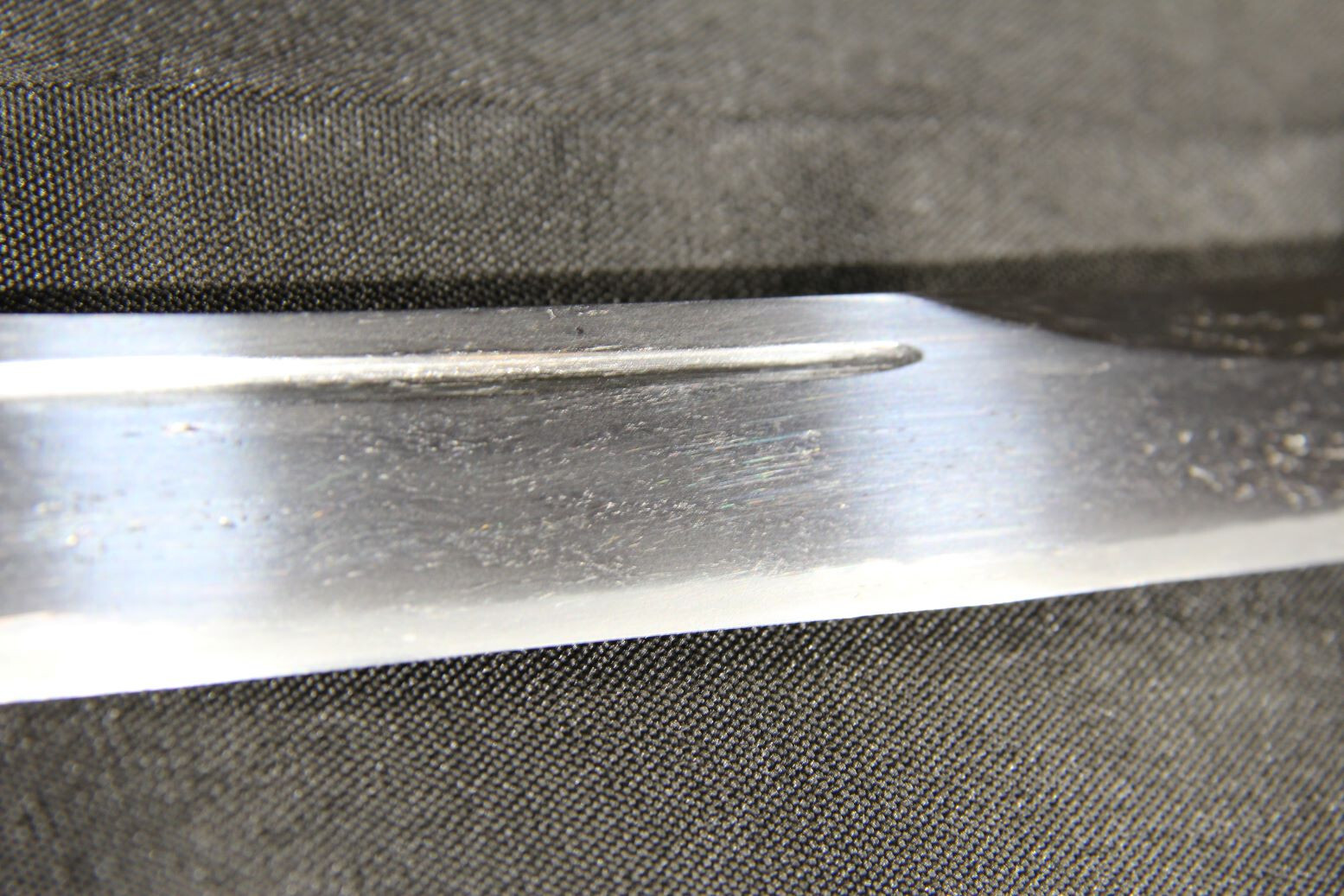
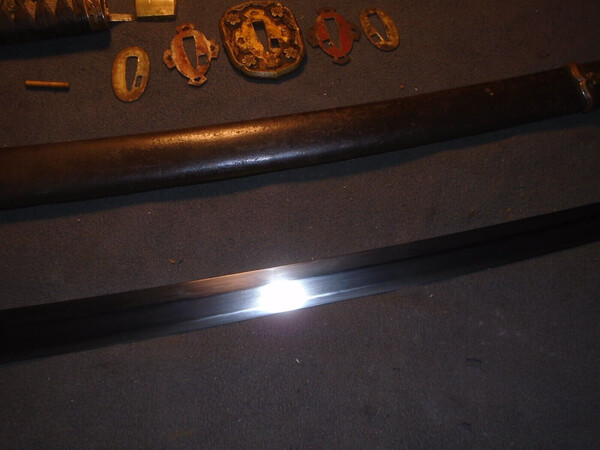
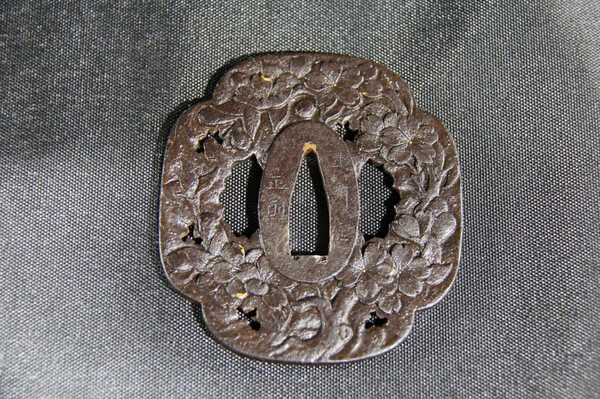
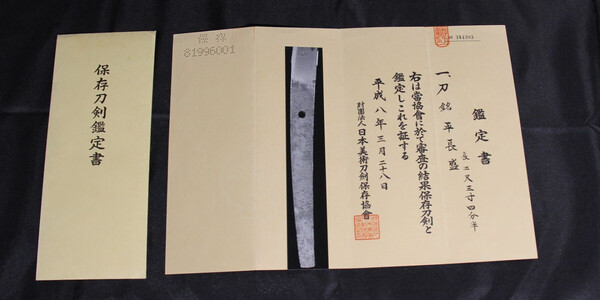
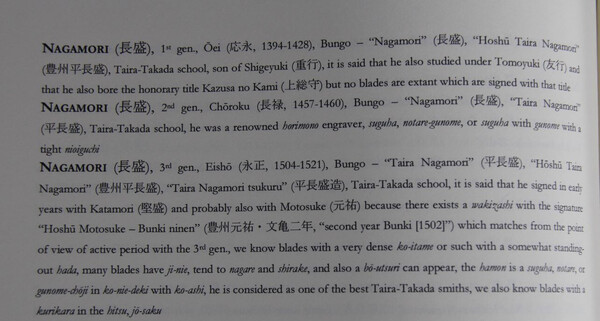
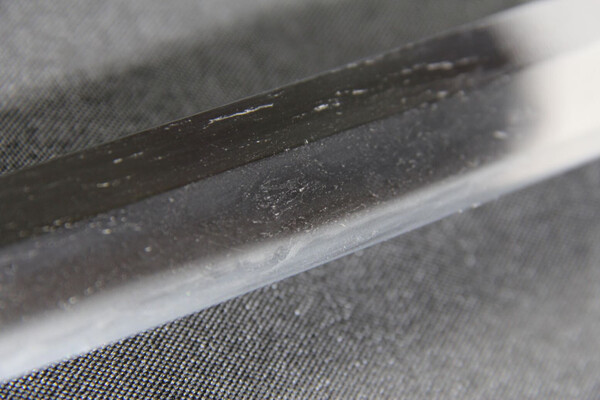
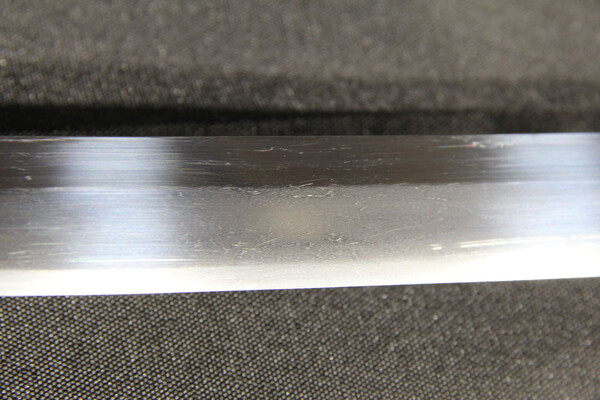
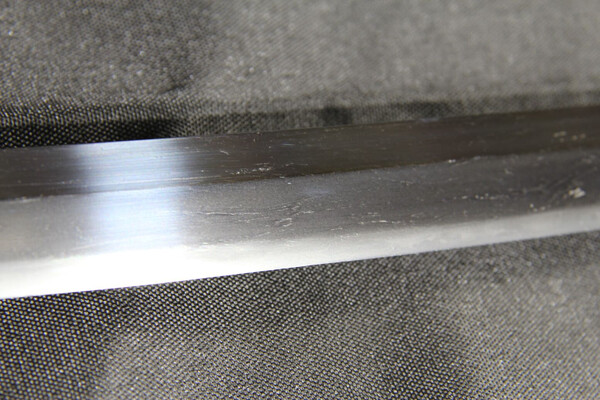
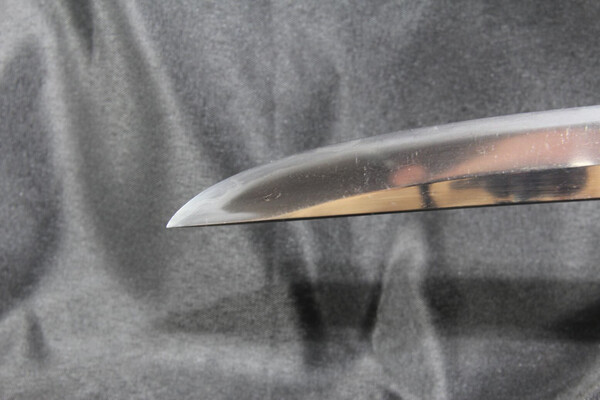
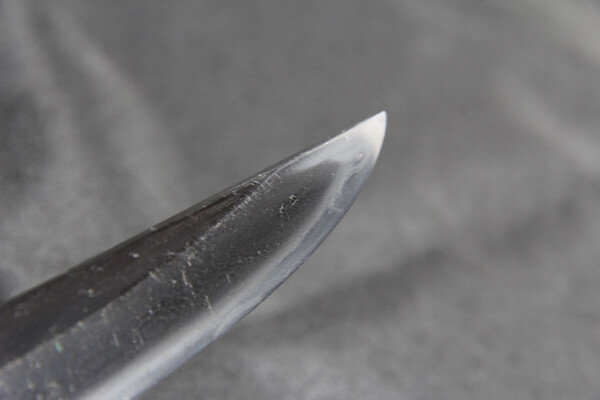
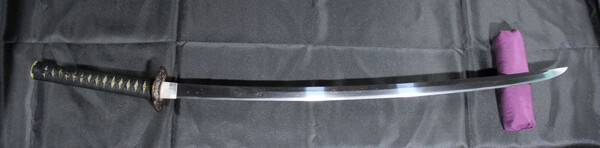
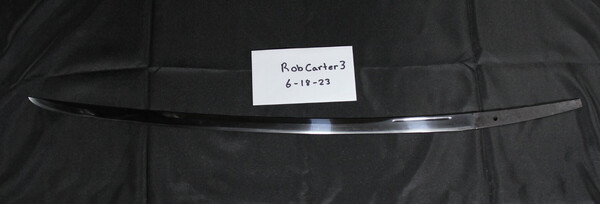
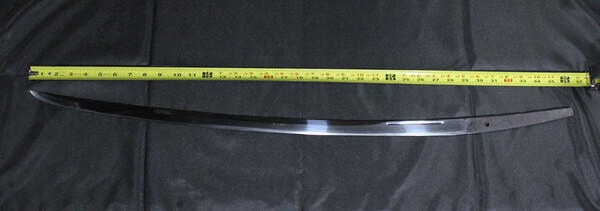
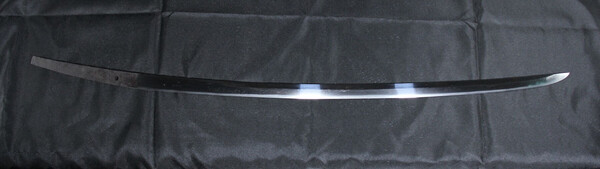
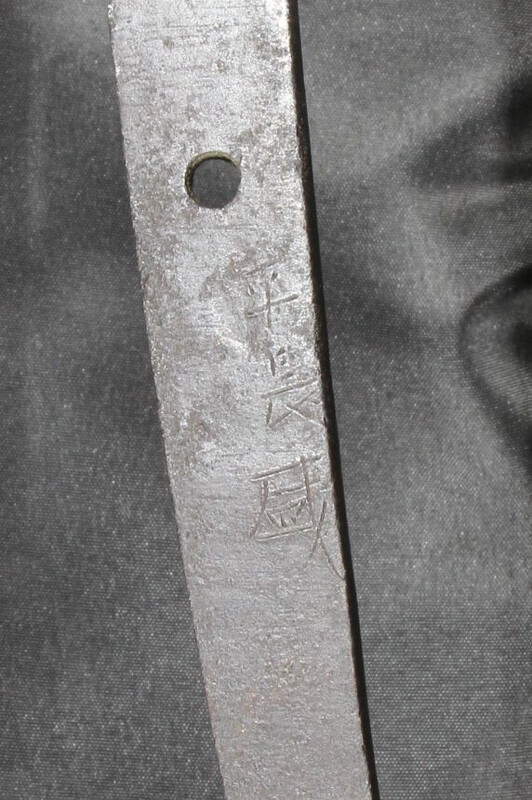
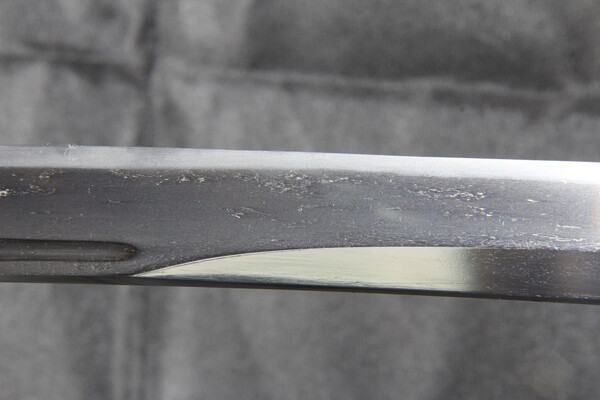
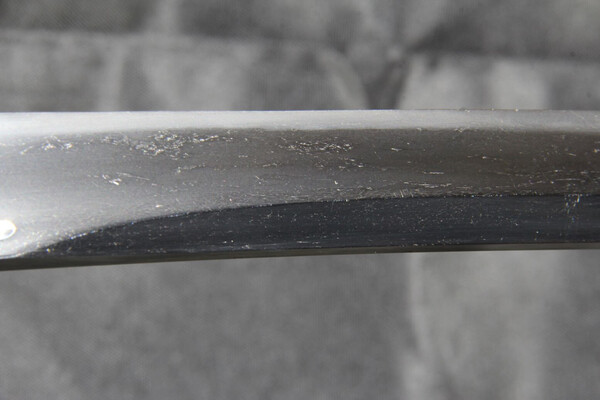
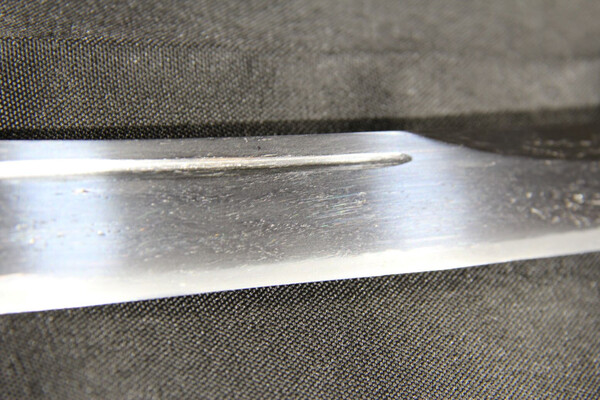
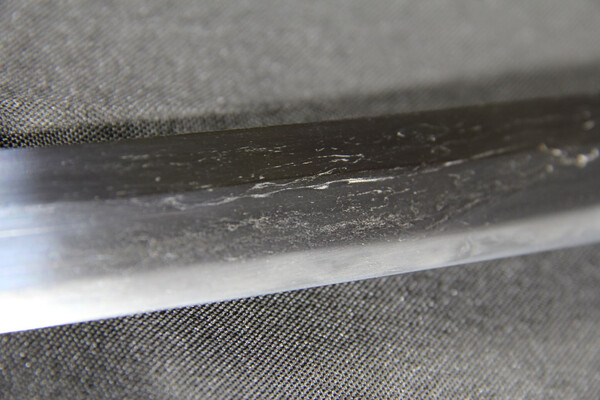
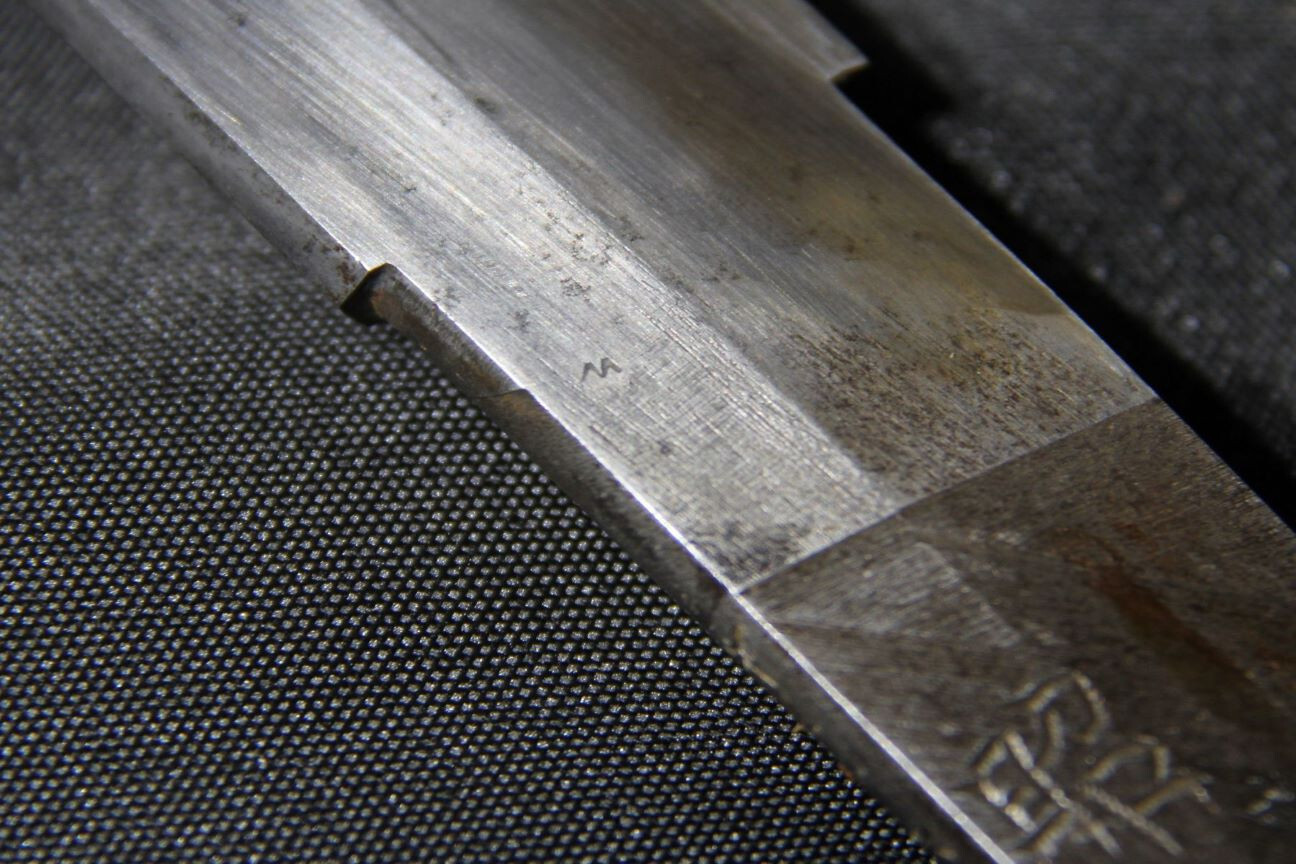
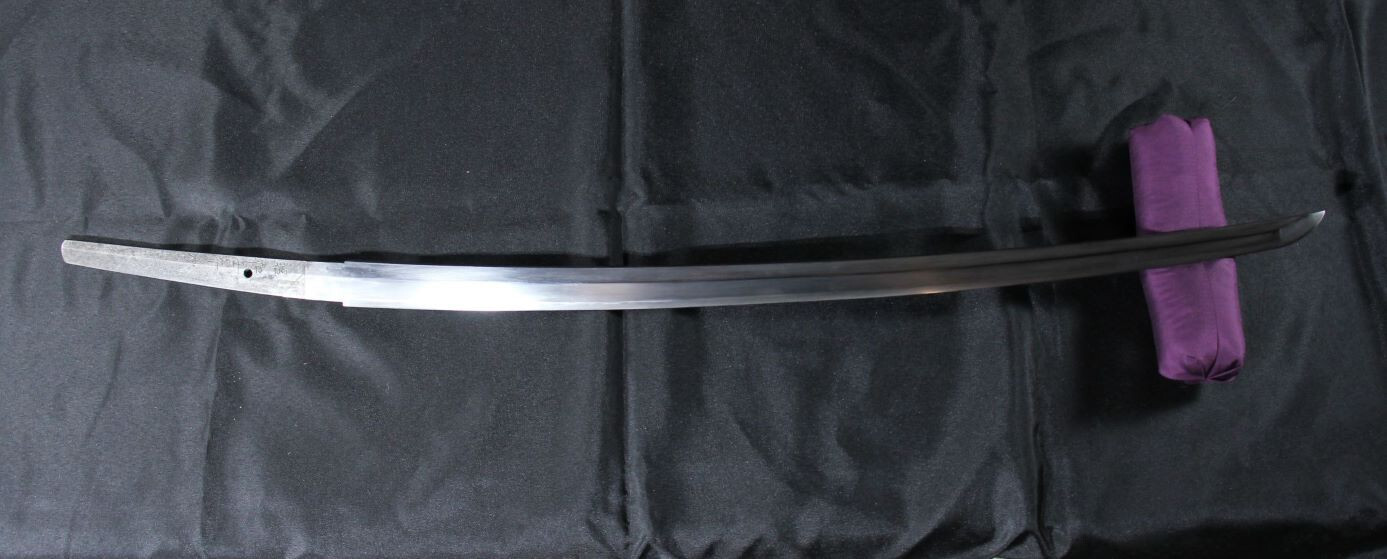
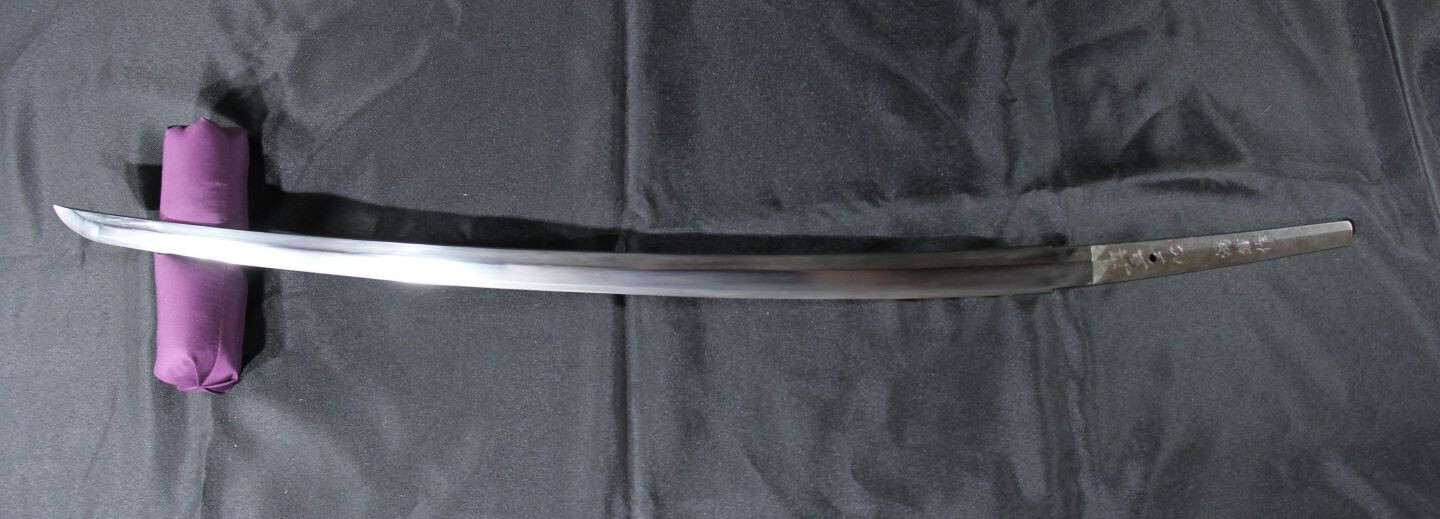
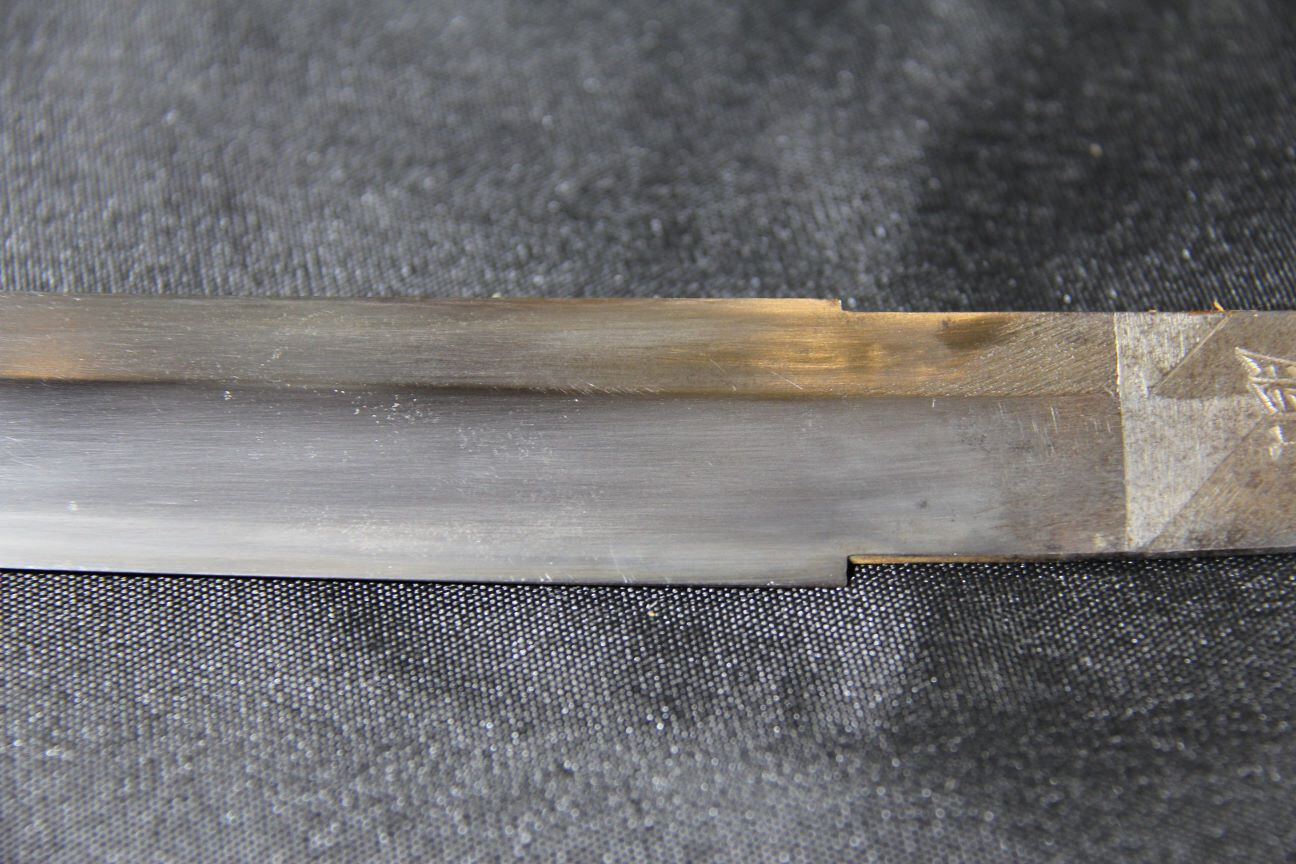
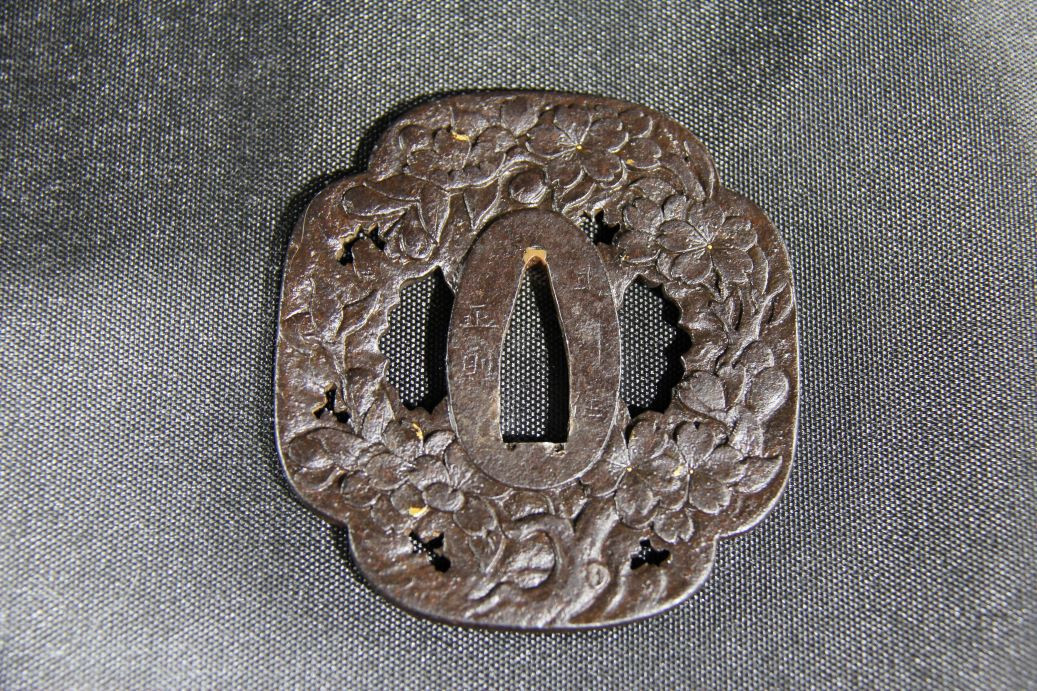
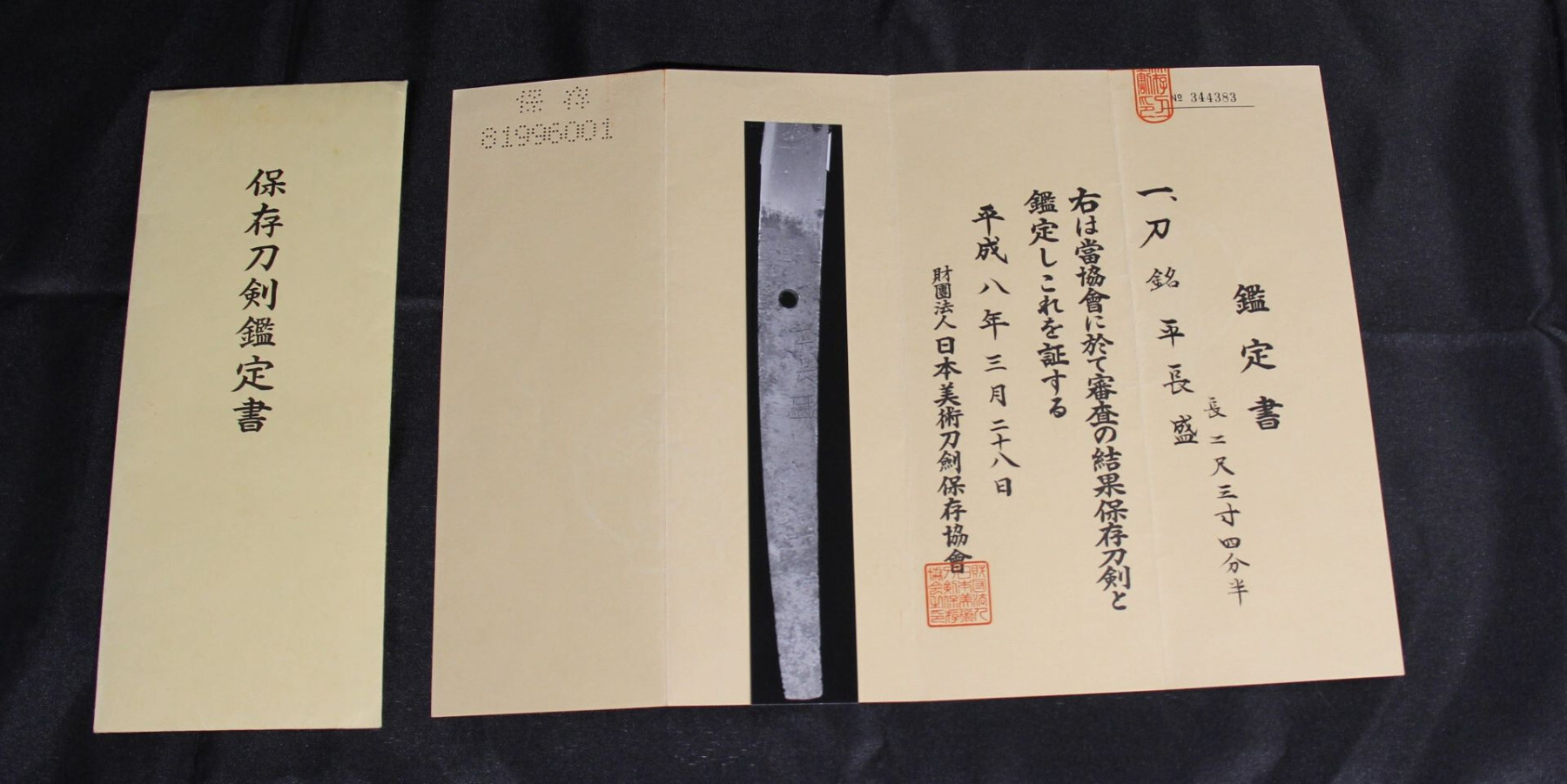
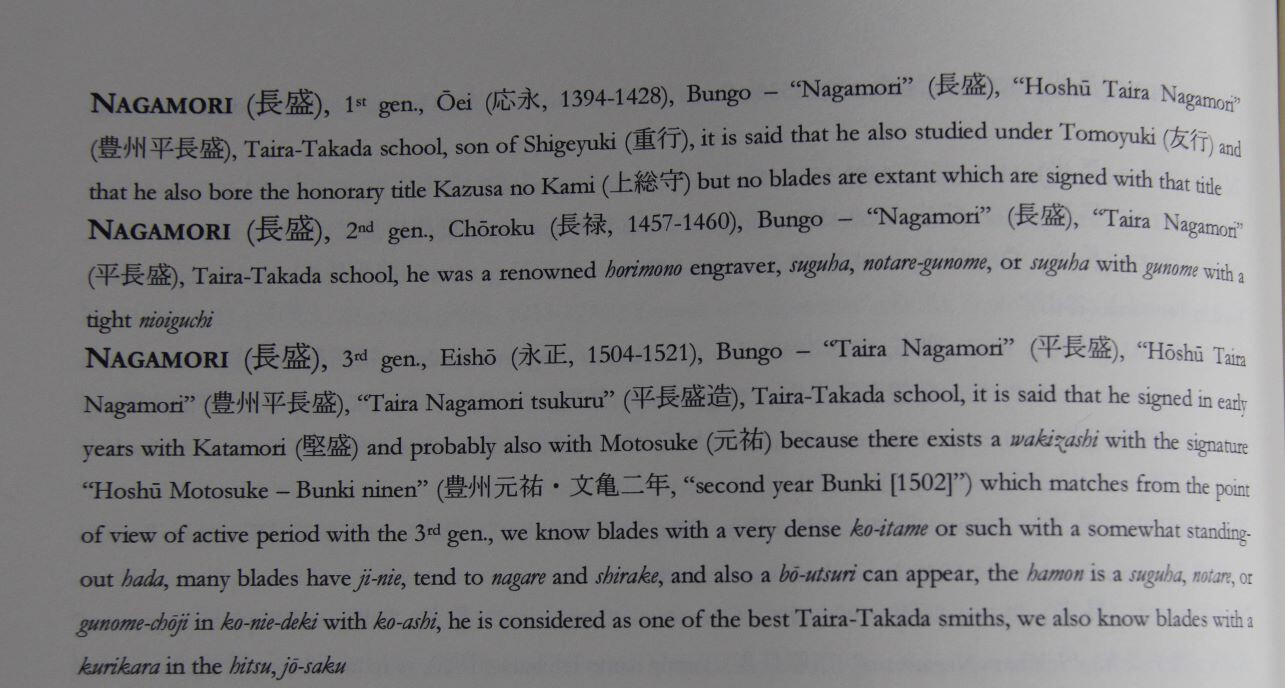
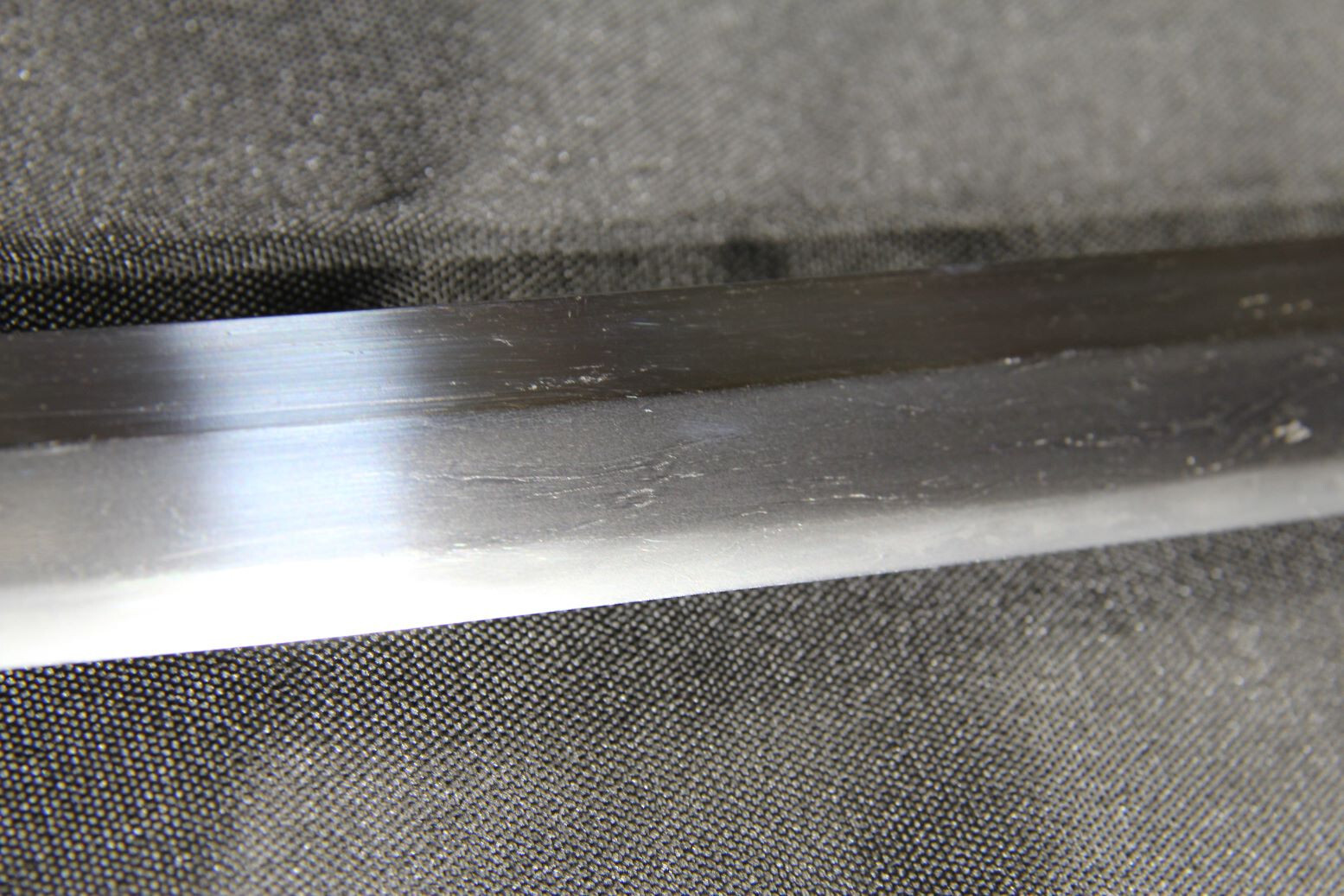
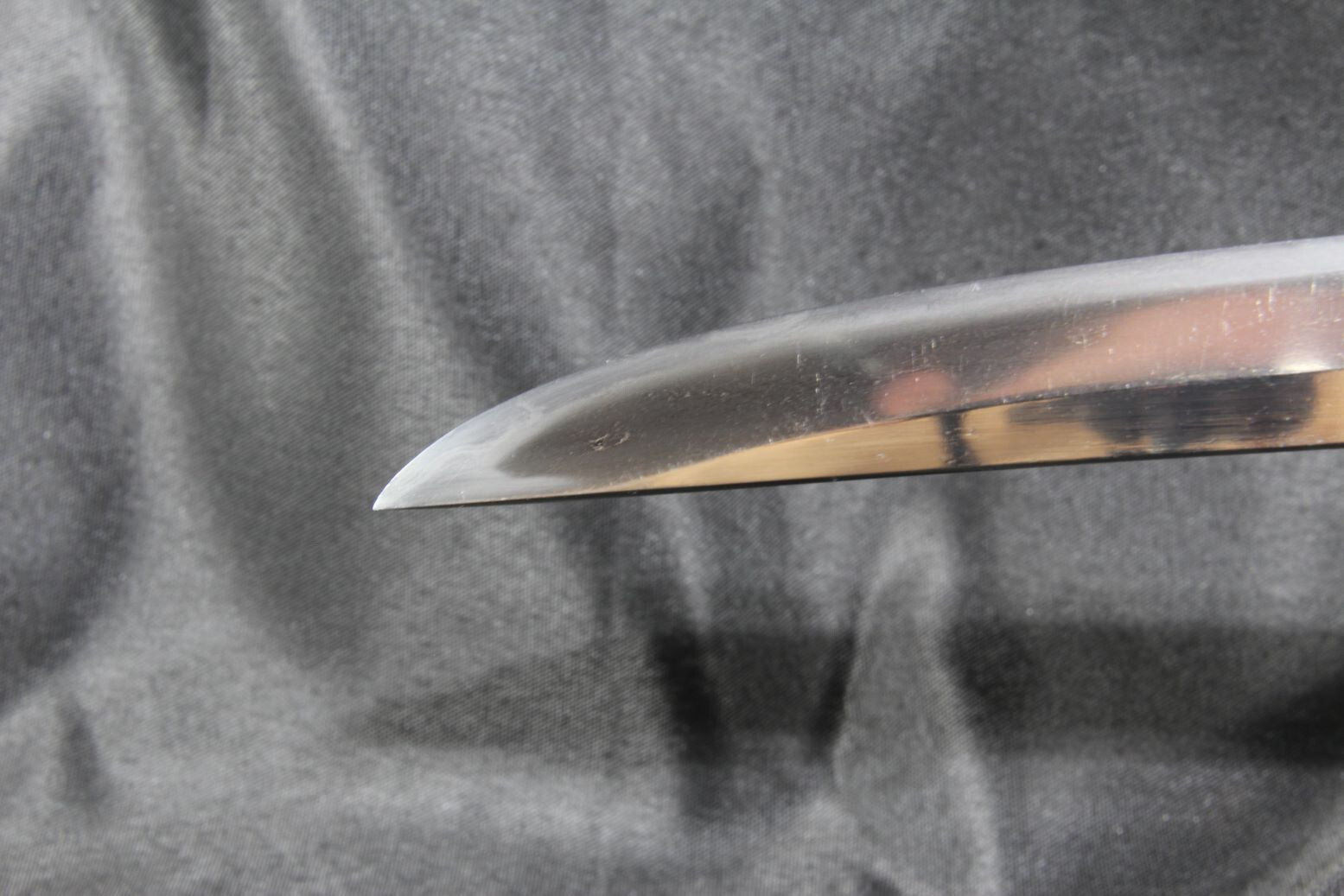
Type (Tachi, Katana, Wakizashi, Tanto, Naginata, Other) : Katana Ubu, Suriage or O-Suriage : Ubu or close to ubu Mei : (Mumei, Signature) : Taira Nagamori (平長盛) Papered or not and by whom? : NBTHK Hozon Era/Age : Muromachi Period Shirasaya, Koshirae or Bare Blade? : Shirasaya & koshirae Nagasa/Blade Length : 71cm / 27.95 inches Sori : 1.7cm / 0.6 in Motohaba : 2.69cm / 1.05 in Kasane : 0.8cm / 0.31 in Hamon Type : based on suguha in nie deki, plentiful ashi, hakikake boshi Jihada : itame-nagare mixed with masame and o-hada Other Hataraki Visible : ji-nie Flaws : conspicuous Masame-ware, conspicuous rough hada and o-hada, small ware near kissaki on ura side Sword Location : Georgia, USA Will ship to : Anywhere. Buyer assumes full responsibility for getting the sword through import customs and/or any legal issues with receiving a sword in the receiving county Payment Methods Accepted : Zelle, Paypal Price and Currency : $3250 USD OBO + calculated shipping Other Info and Full Description : A long kanmuri-otoshi or nagamaki-naoshi-zukuri katana signed Taira Nagamori. In shirasaya with koshirae. NBTHK Hozon. I've done my best to take useful photographs but I am happy to answer questions or take additional photos. I will be listing this on eBay at some point, but it's offered for less here minus the fees.

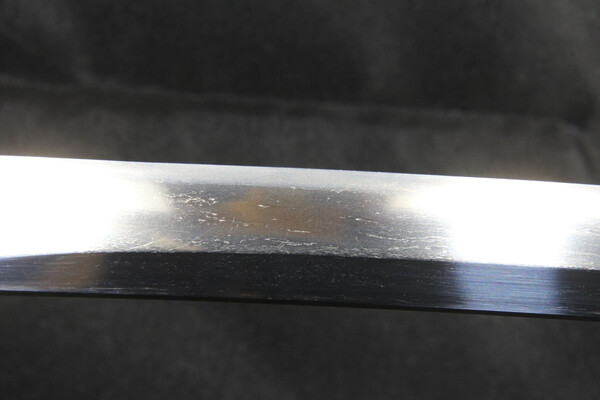
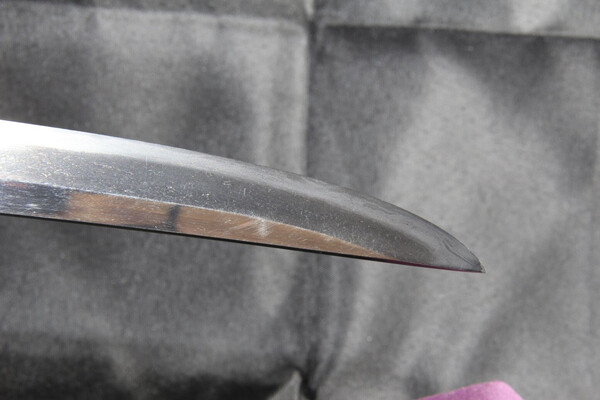
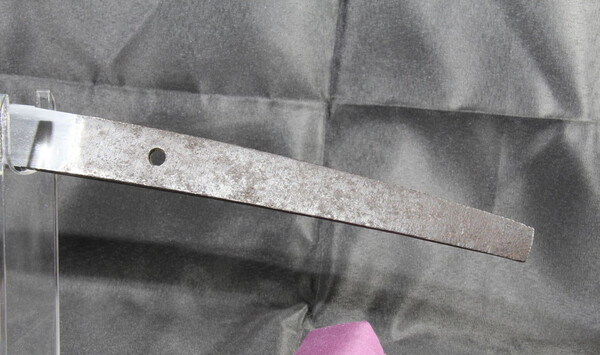
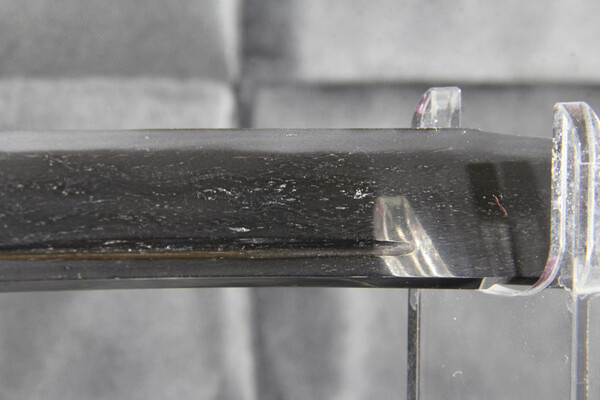
-
The State of Nihonto in the United States
RobCarter3 replied to Cookie_Monstah's topic in General Nihonto Related Discussion
I know some people are able to consistently find blades "in the wild", but I've never found a nihonto at a pawn shop, antique mall, garage sale, or estate sale. I've only really been looking for the last 2-3 years, but I've been looking regularly in my local area. I do semi-regularly see NCO guntos and showato in poor condition with ludicrous asking prices at antique shops. -
Daimyo's Rapier ......Made by Japanese Craftsmen
RobCarter3 replied to a topic in General Nihonto Related Discussion
I'm reminded of @Rivkin's quoted post in this thread. I don't know anything about rapiers so I can't weigh in specifically here. But I struggle to see how the pommel being screwed on and the blade showing evidence of folding (a necessity with bloomery steel) proves that it's Japanese made imitation of European work. Perhaps the best evidence for Japanese make is that the blade's shape seems rather awkward with little to no profile taper and a stubby tip. I can find European examples with similar shape, though. https://collections.royalarmouries.org/object/rac-object-110.html -
Help with partial mei on suriage wakizashi
RobCarter3 replied to RobCarter3's topic in Translation Assistance
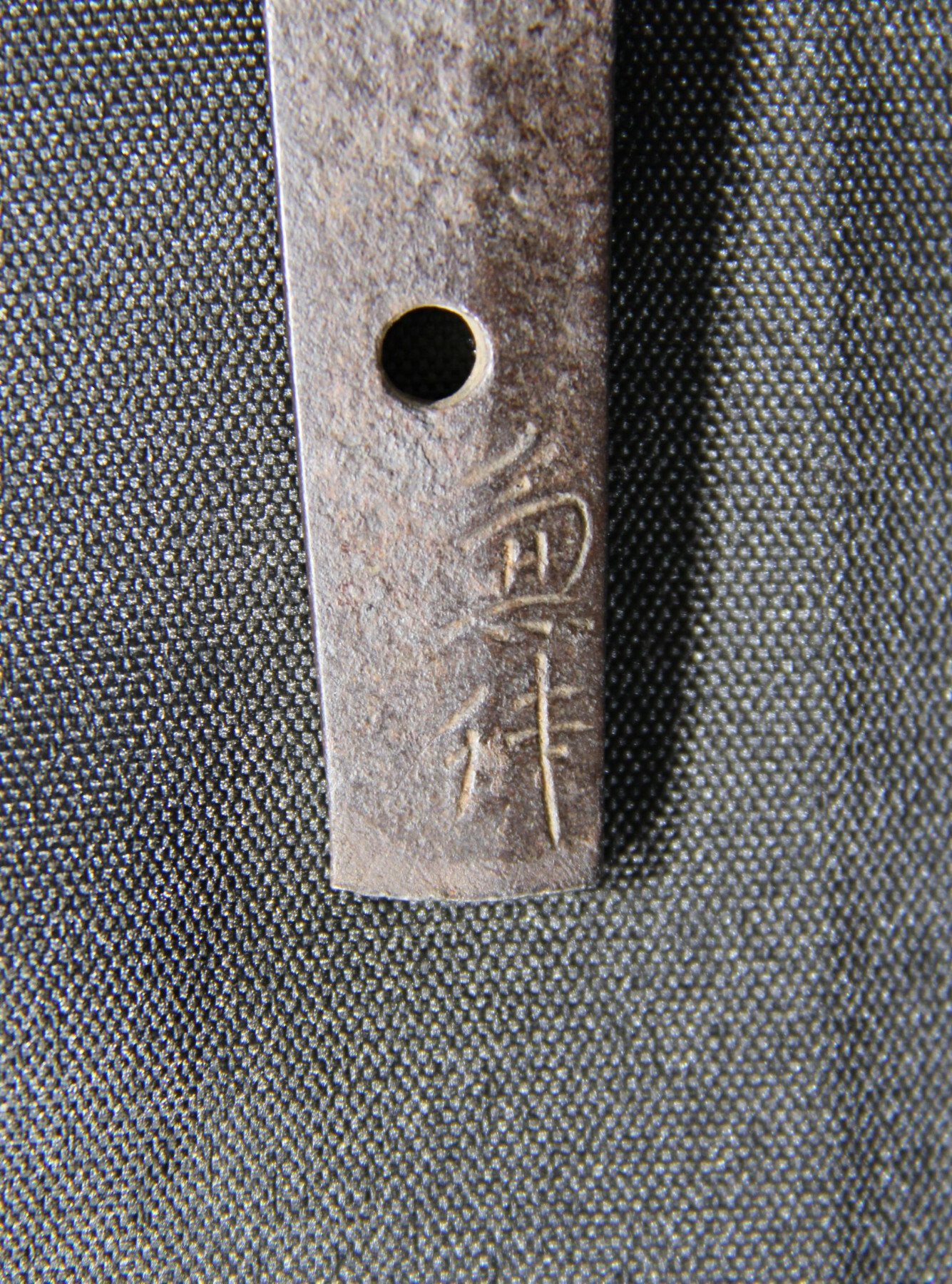
Thank you very much! Could the last partial kanji be Yasuteru? Robert Cole's Shoshin book lists Katsushige (Enpo), Nobunao (Tensho), Nobunao (Keicho), Nobunao (Kanei), Sadasuke (Kanei), and Yasuteru/Daimichi (Kanei) as smiths who signed with this title. Or am I at a dead end? -
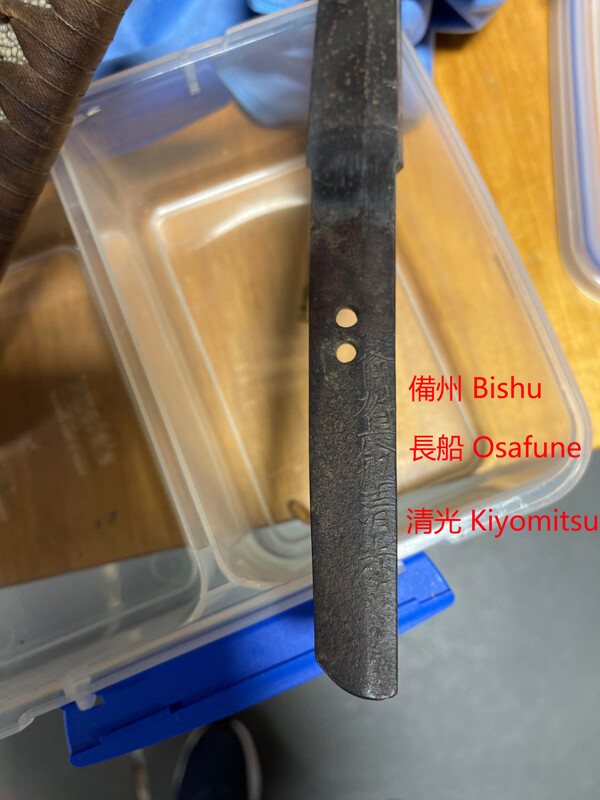
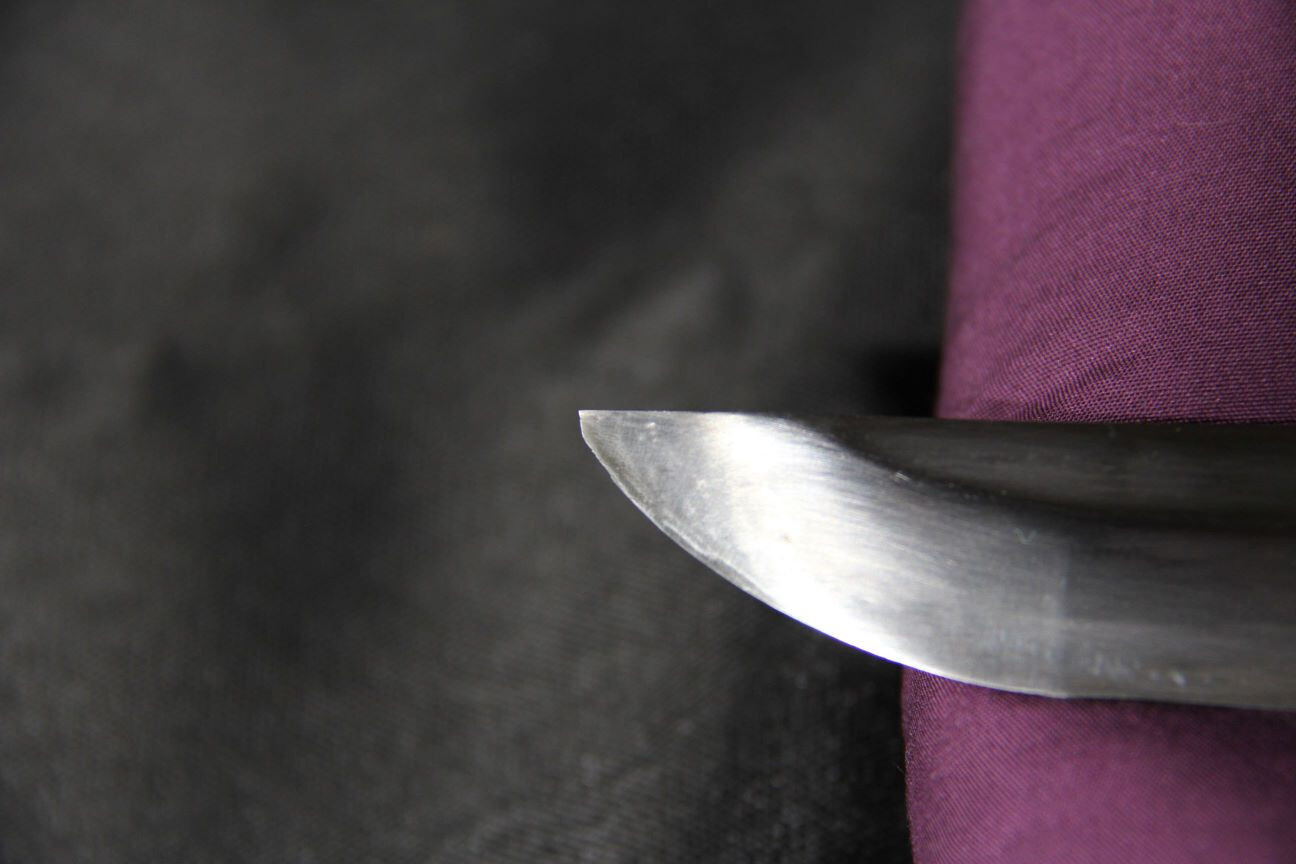
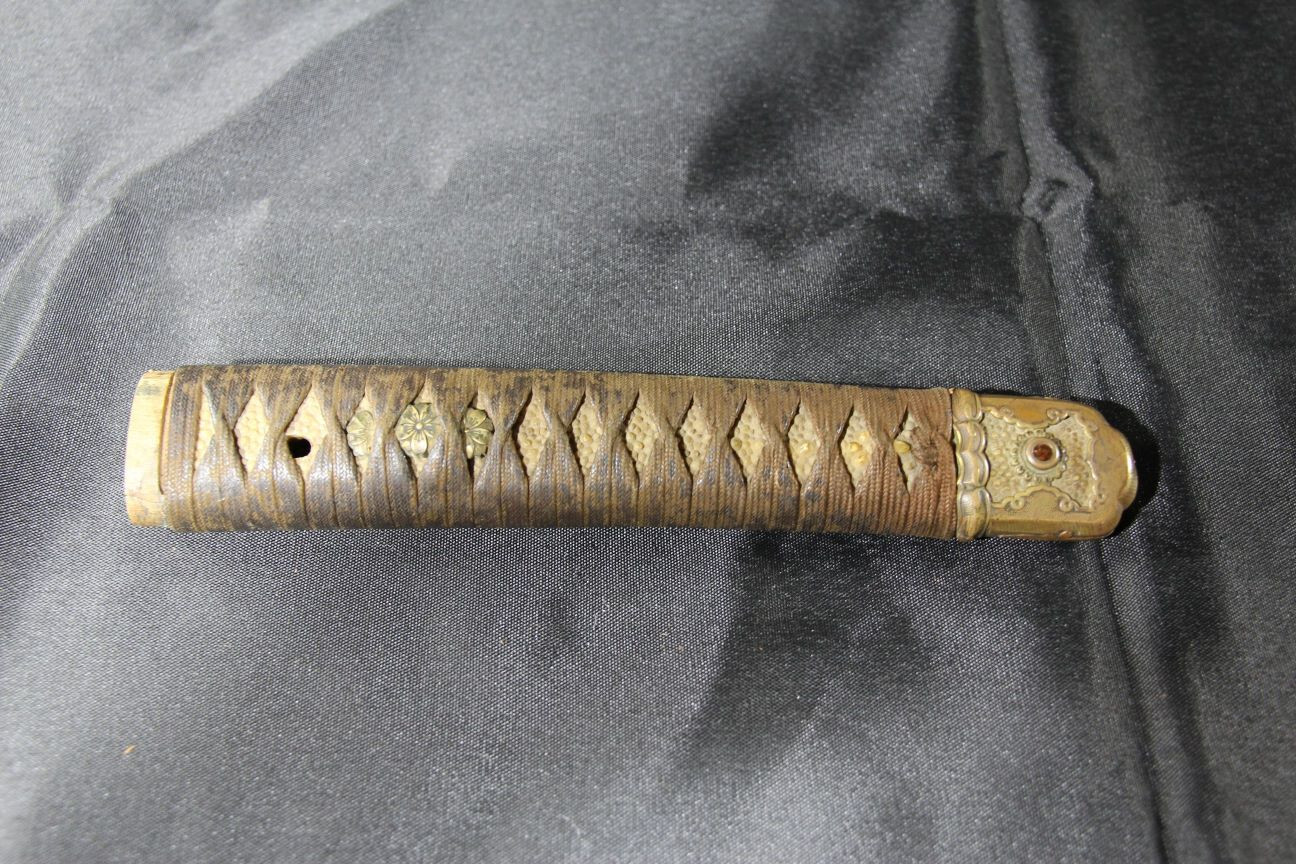
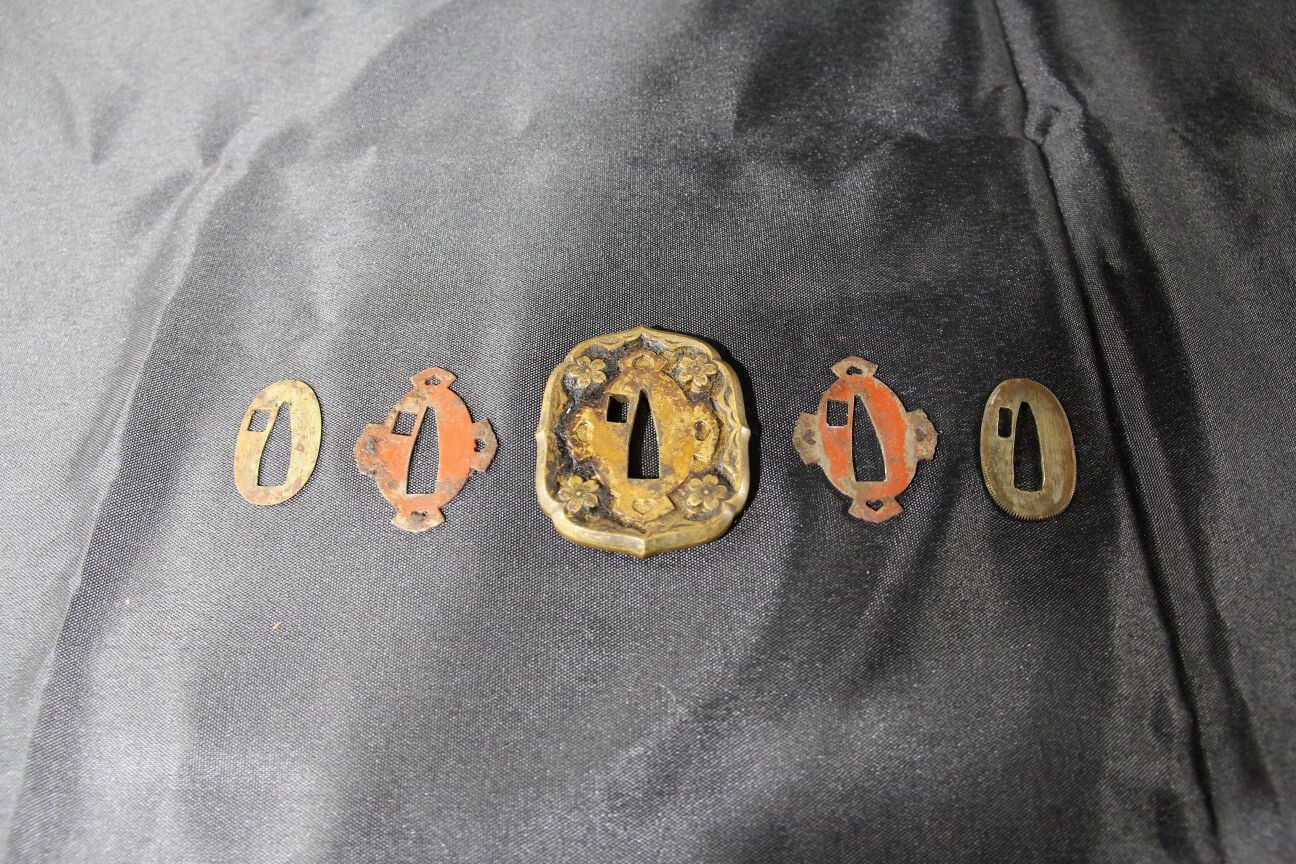
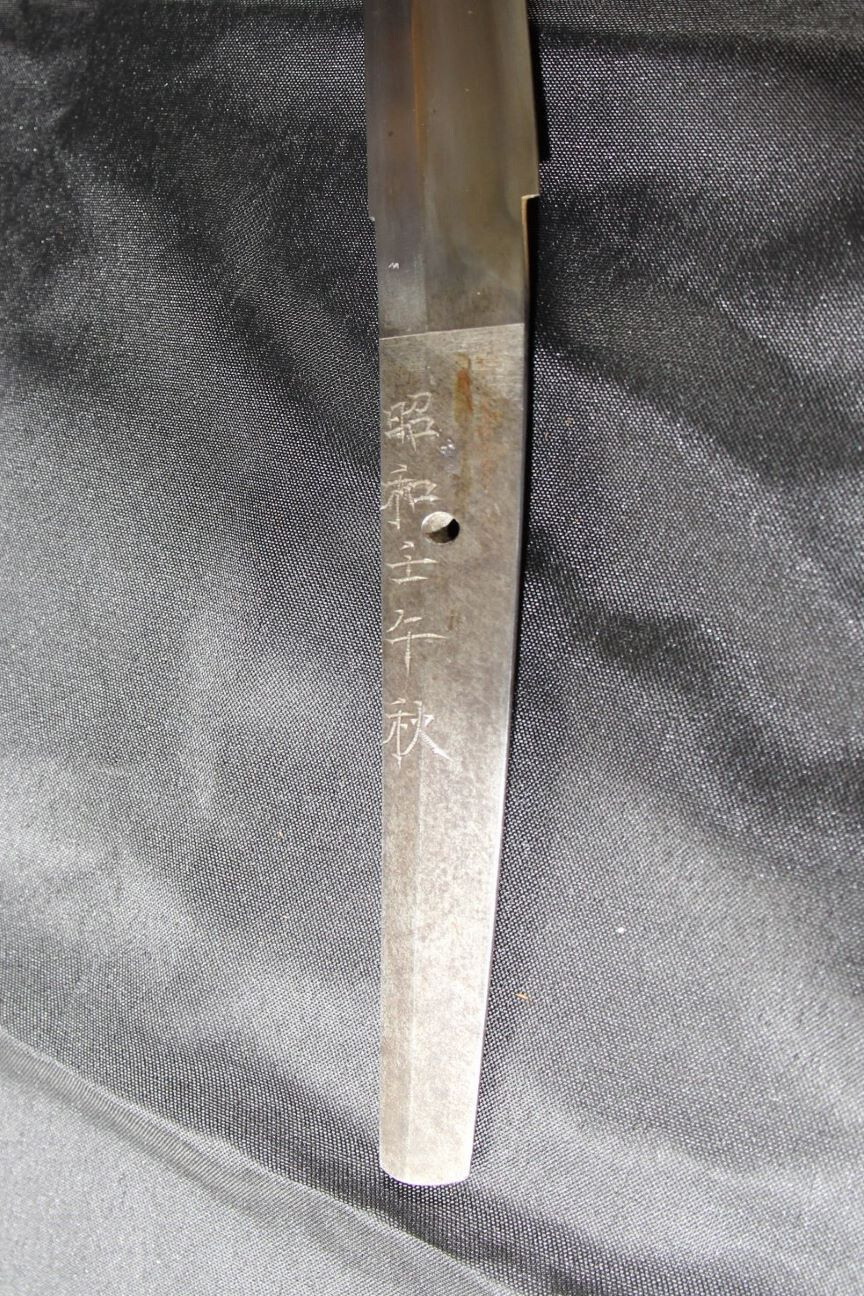
This is another inherited sword that my friend showed me a couple of days ago. It is an ubu wakizashi also in "attic" condition -- out of polish, with considerable surface rust. Sugata also looks muromachi to me. My attempt at translating the mei yielded "Bishu Osafune Kiyomitsu." There is no date or any writing on the ura side. To my (novice) eye, this signature does not match the most well-known Bizen Kiyomitsus, but I haven't looked exhaustively and I know that numerous smiths signed this way. Thanks for your help!

























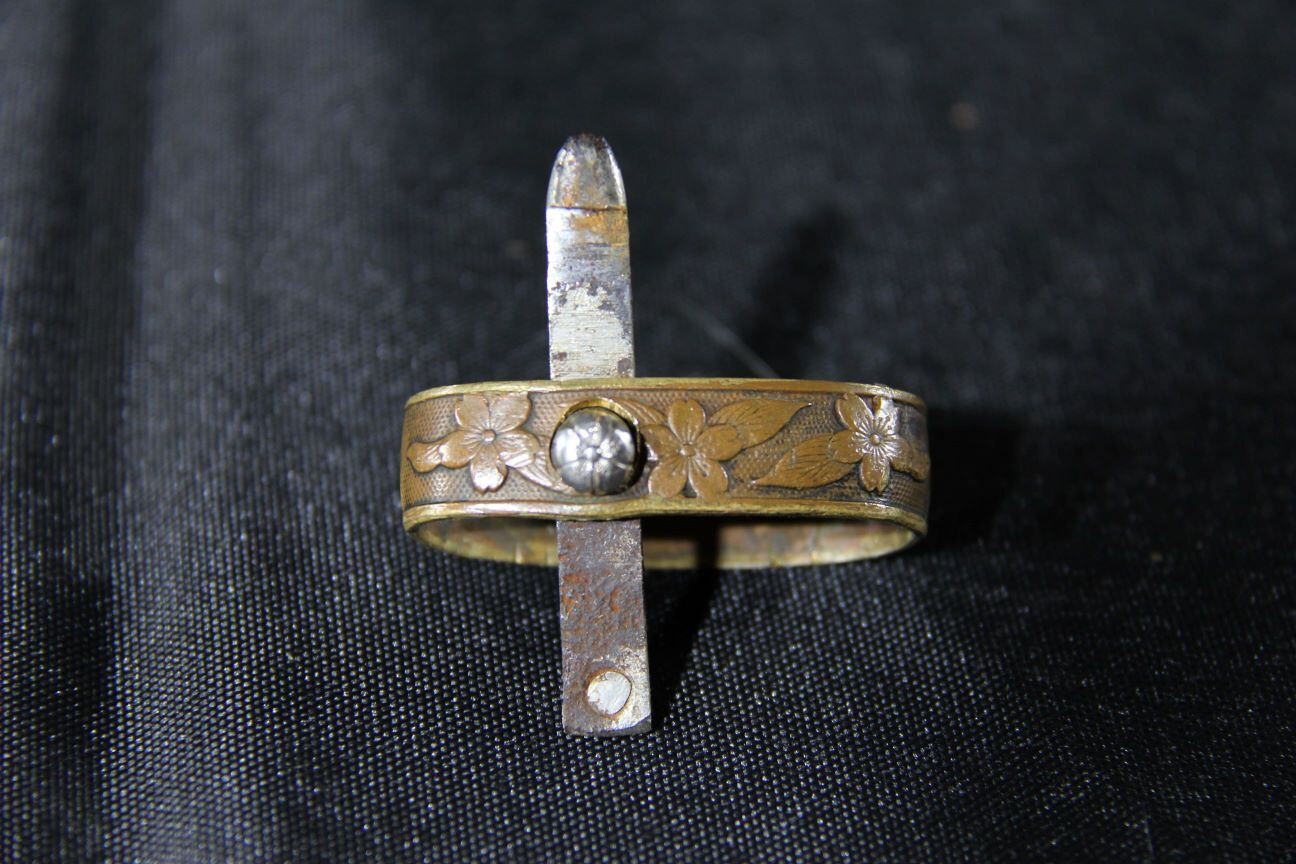


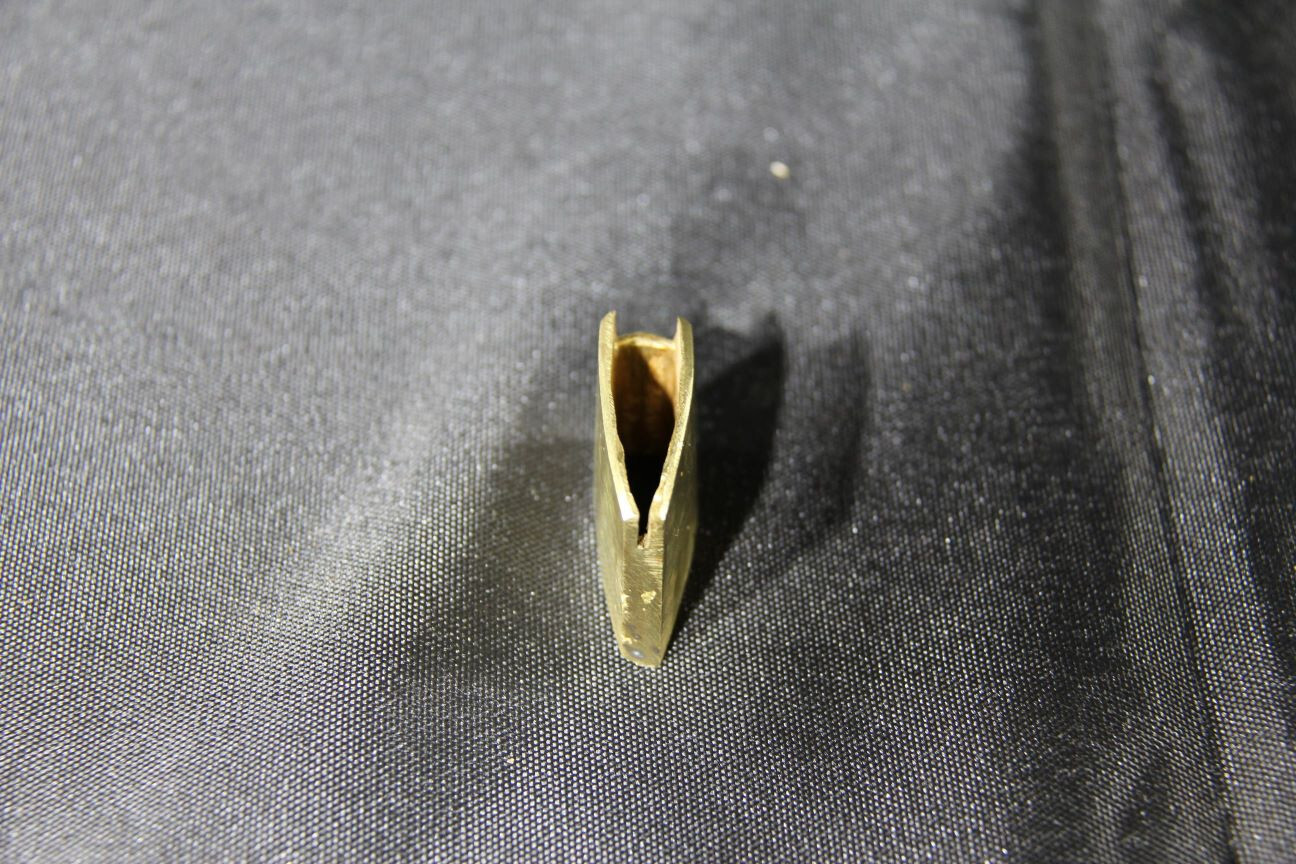
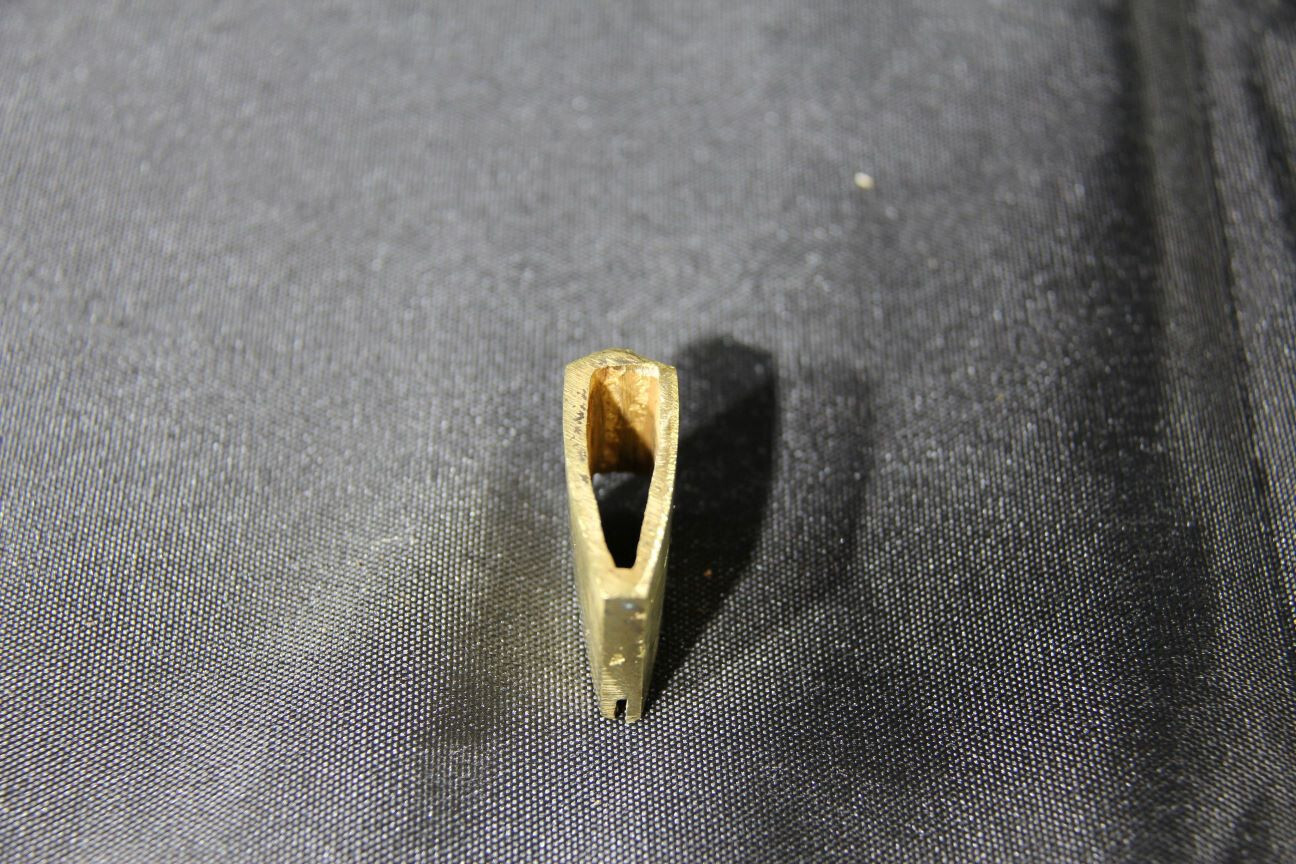

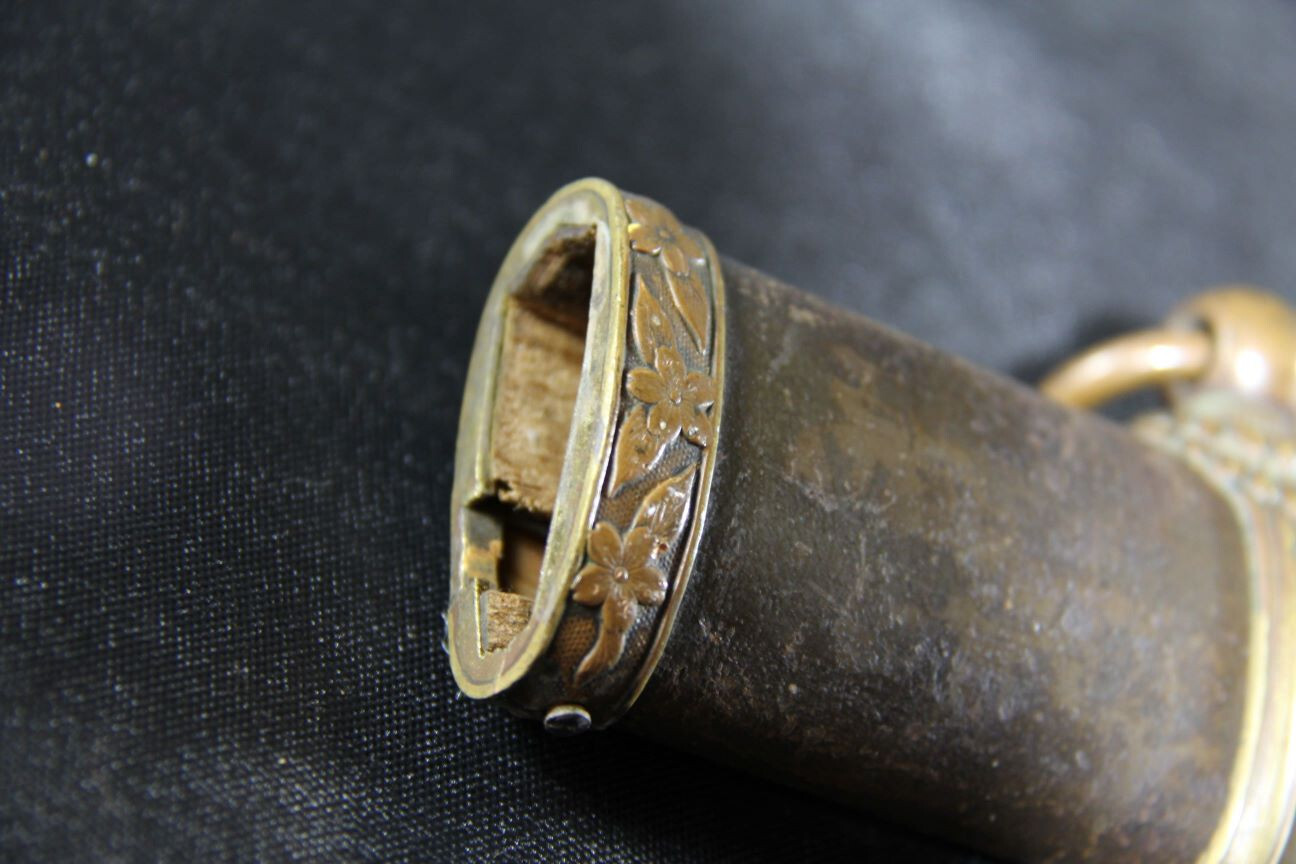
















.jpg.9c045526c62084445da11a66acfc8587.jpg)
.jpg.d32e89ddc4a634a125481701b3d2e6db.jpg)
.jpg.3673bdd1e1e083e00e7d2d401e7b32c6.jpg)
.jpg.0947b5dfbfadccb28d368d1a1ce2af6d.jpg)