FruitSamurai
-
Posts
9 -
Joined
-
Last visited
Content Type
Profiles
Forums
Events
Store
Downloads
Gallery
Everything posted by FruitSamurai
-
Questions on a Dragon Fuchi-Kashira: School, Period, and Technique
FruitSamurai replied to FruitSamurai's topic in Tosogu
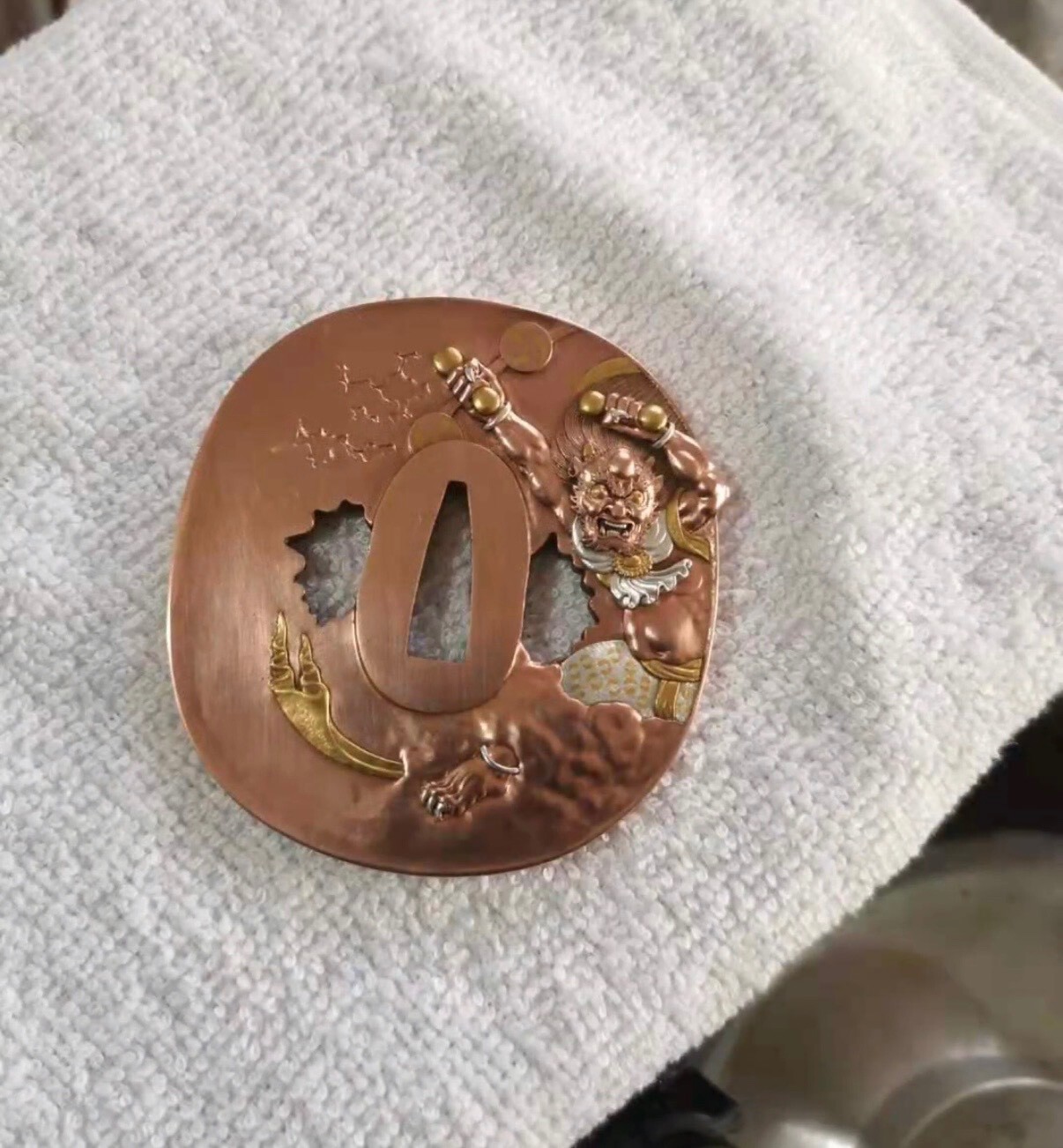
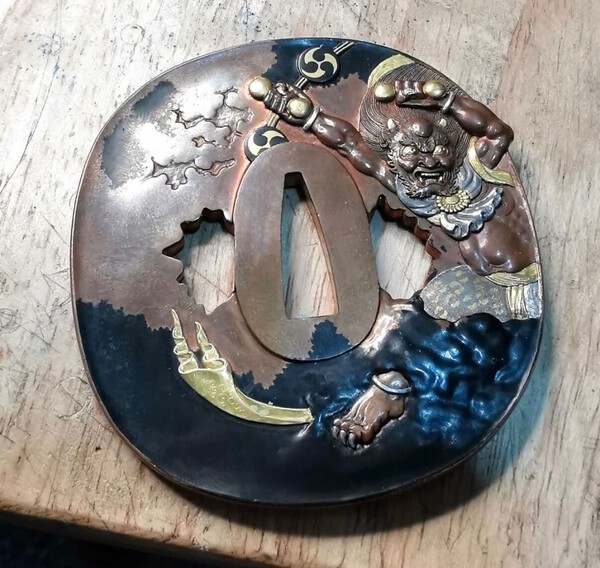
Here are a few photos showing the process of making a modern tsuba using a wax pattern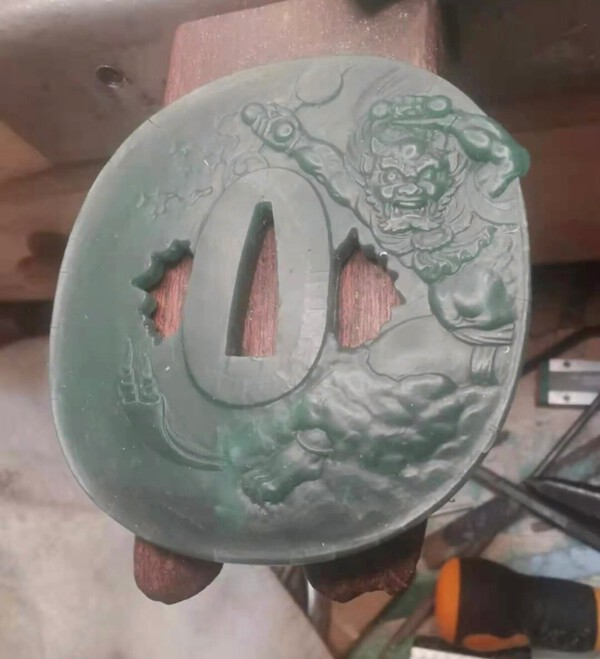


-
Questions on a Dragon Fuchi-Kashira: School, Period, and Technique
FruitSamurai replied to FruitSamurai's topic in Tosogu
Yes. This screenshot comes from a Chinese secondhand platform. In fact, some katana enthusiasts and modern katana makers produce replicas like these—usually by casting from silicone/wax molds made directly off original antiques, or via modern 3D CAD modeling—to assemble on modern custom katanas. -
Questions on a Dragon Fuchi-Kashira: School, Period, and Technique
FruitSamurai replied to FruitSamurai's topic in Tosogu
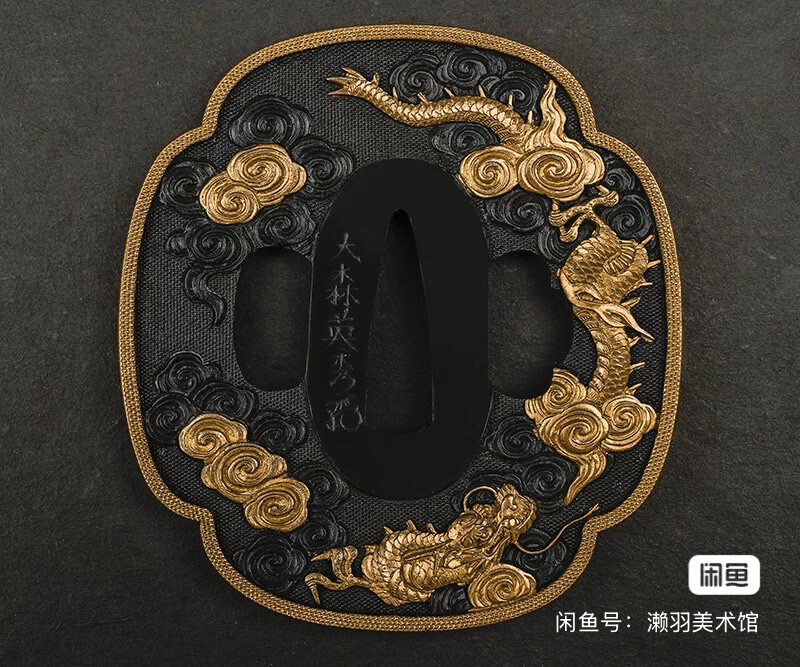
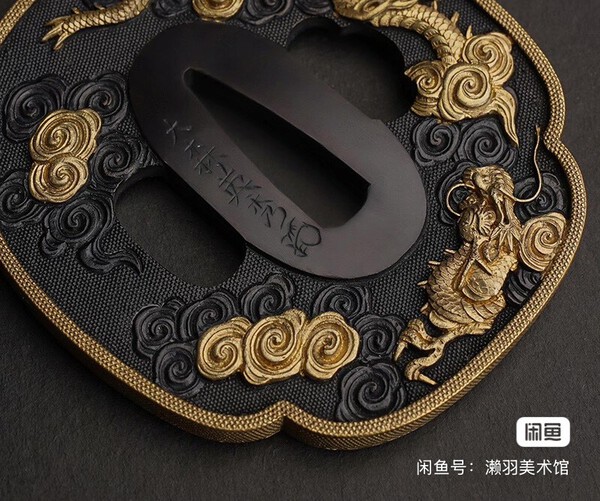
Thanks for your detailed feedback, Matsunoki! I really appreciate your reply, and your observations are quite sharp. However, I respectfully hold a different perspective on several points: The dark areas near the claws are not black paint. The design likely uses shakudo inlays alongside mercury gilding. If gilding was selectively applied and missed tiny corners, those un-gilded shakudo areas would naturally turn dark during the boiling process (煮色), creating that exact appearance. As for the "clumsy" feelers and scales, this can simply be attributed to the work of a lower-tier provincial craftsman or a less refined workshop, rather than being proof of modern production. I've uploaded a few more photos below. A reliable way to spot modern cast pieces is to check the tenjo-gane (天井板). Modern reproductions rely on chemical blackening agents, whereas this piece retains a natural, traditional boiled copper (素銅煮色) color. I've also attached photos of a known modern cast tsuba and a complete matching set that you referenced in your linked thread. Cast pieces look very stiff and rigid in comparison.



-
Questions on a Dragon Fuchi-Kashira: School, Period, and Technique
FruitSamurai replied to FruitSamurai's topic in Tosogu
They don't look like modern castings to me, but what specific details on the dragons make them seem off to you? -
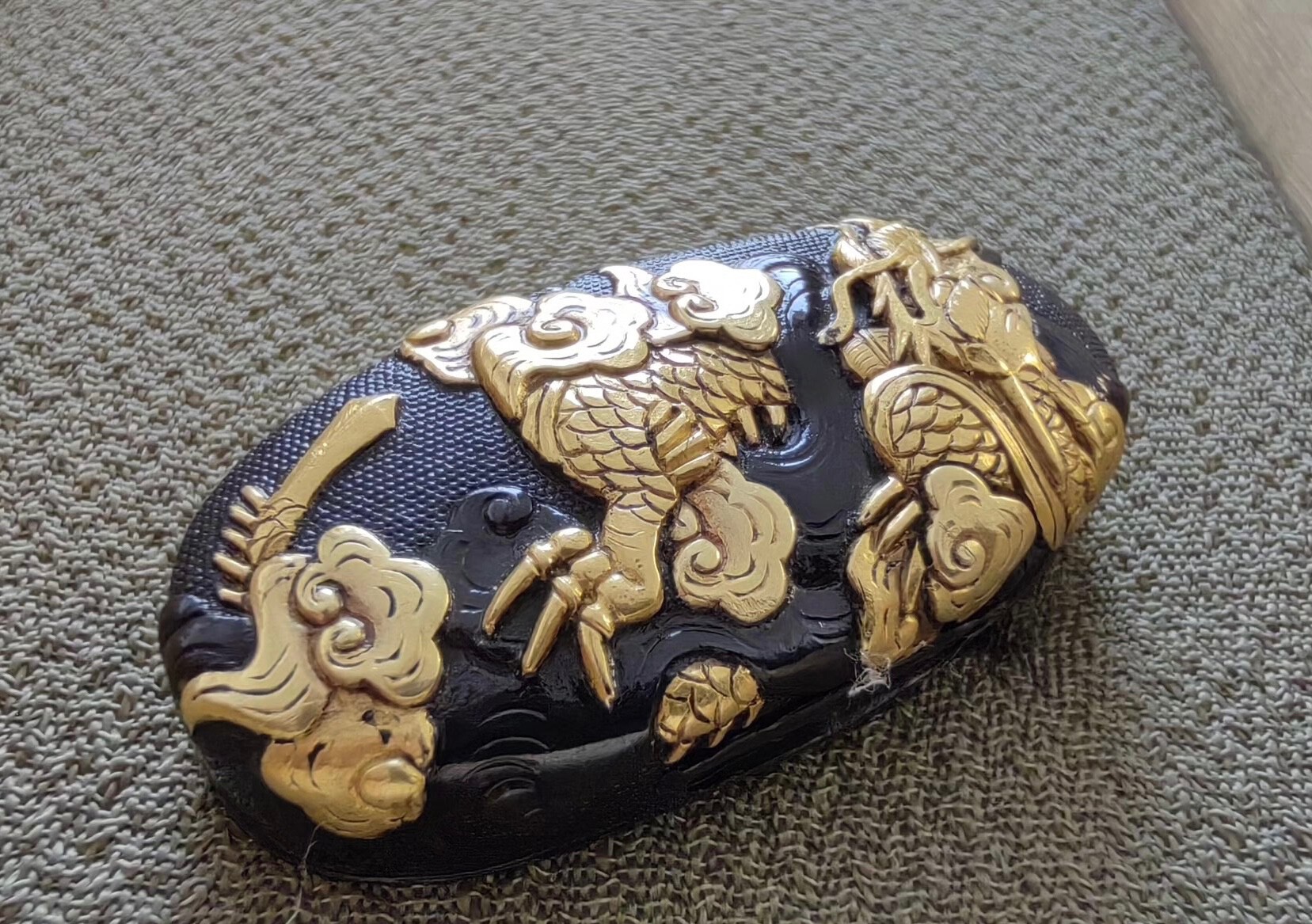
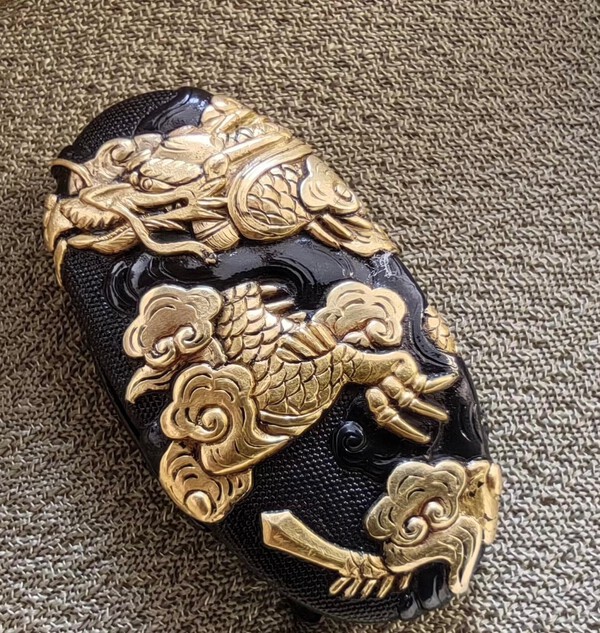
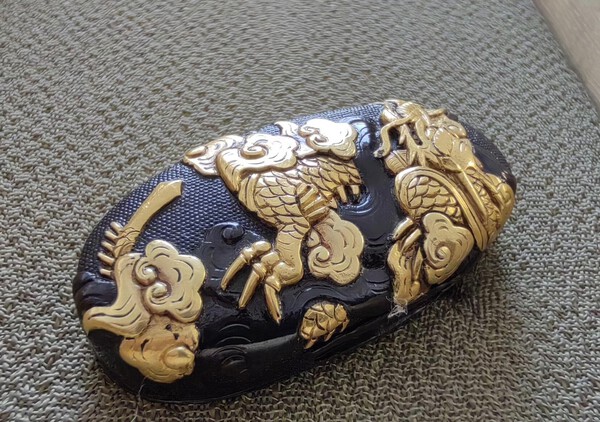
Hi everyone, I have a few questions about this set of Fuchi-Kashira featuring a Dragon in Clouds (Unryū) motif on a Nanako ground. What school and period style is this piece? Compared to some of my other high-relief (Takabori) pieces, the dragon on this pair feels relatively lower and flatter in relief. While my other Takabori Fuchi often have contoured interiors from being chased from behind (Tuchidashi / repoussé), the interior of this Fuchi is completely smooth, making me wonder if it was carved directly into a thicker wall or applied as an overlay (Tenka-bori). What specific technique was used here



-
Here are some additional close-up photos


-
Hi Steve, thanks! Mauro’s screenshot lists the reading as Hidenobu, which corresponds to 英宣 ("nobu" is 宣, while "yoshi" is 宜). So the reference entry is definitely 英宣, and the resemblance to 宜 is likely just down to the craftsman's chisel style or a character variation back then.
-
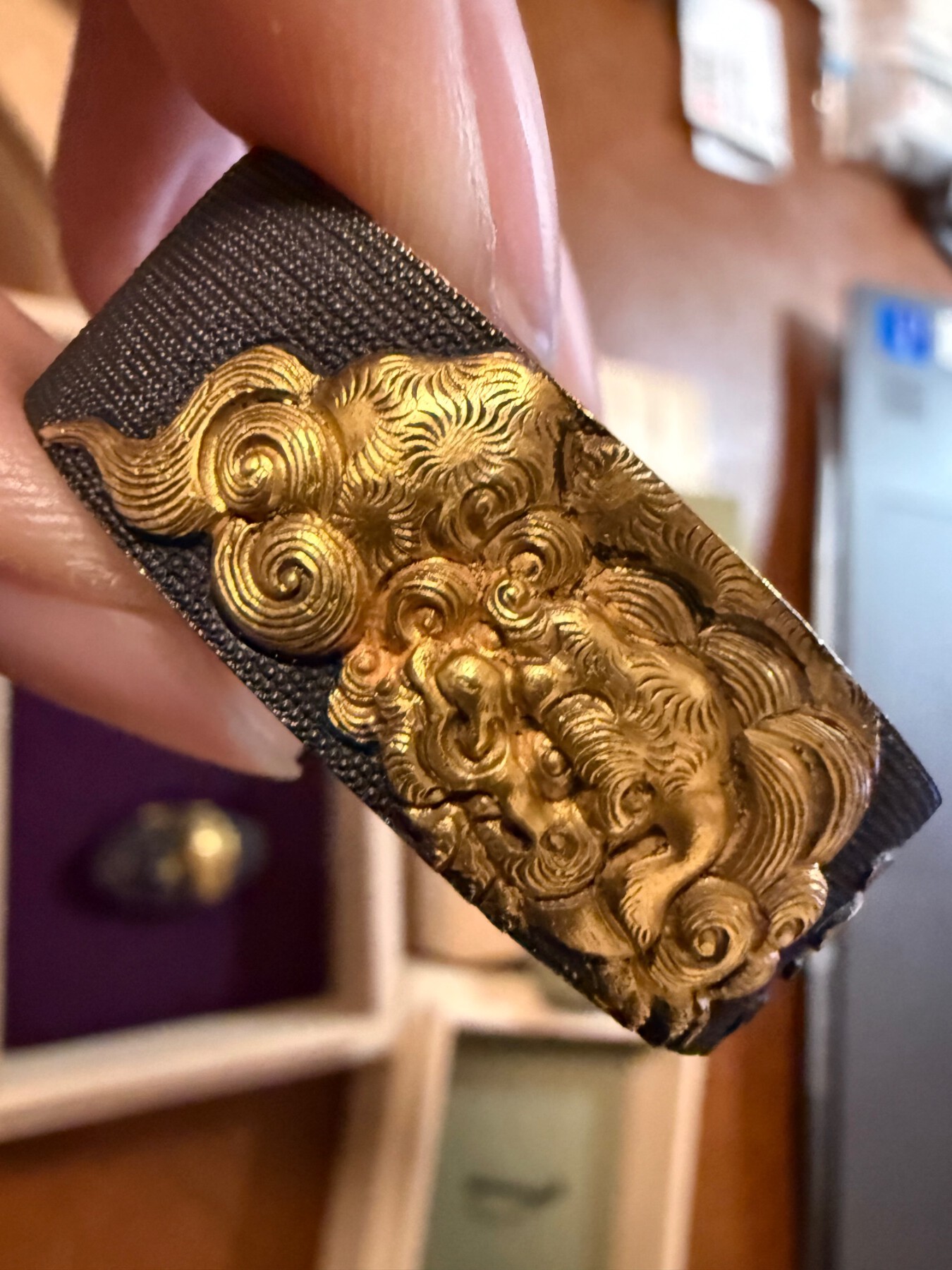
This photo is a close-up shot. It looks like the signature was carved before the patination process back when it was made, but based on the comparison image posted below, it could still be a gimei. Also, the entire tenjo-ita of this fuchi is black. I’ve noticed that most fuchi have an orange/copper tenjo-ita, so is a fully black one common? Or is it possible that it was re-signed and re-patinated later on?

-
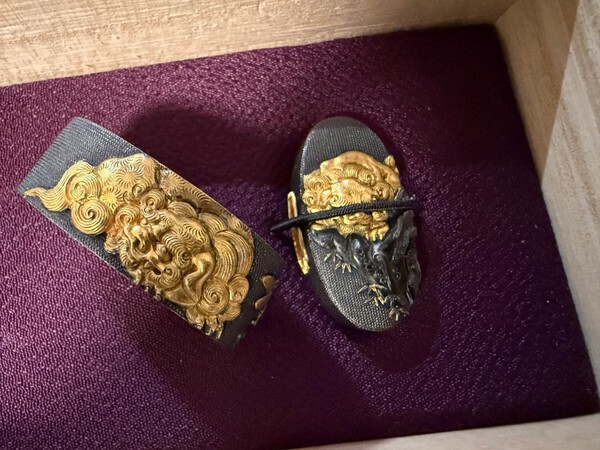
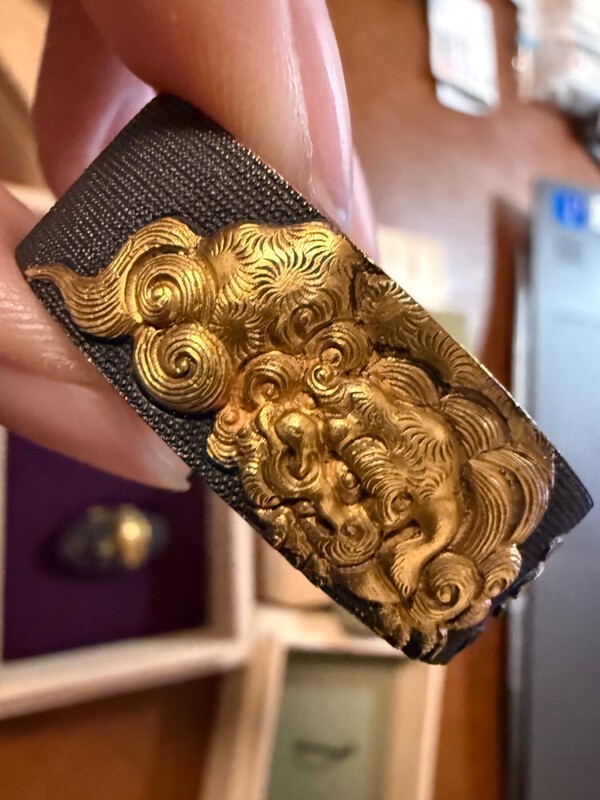
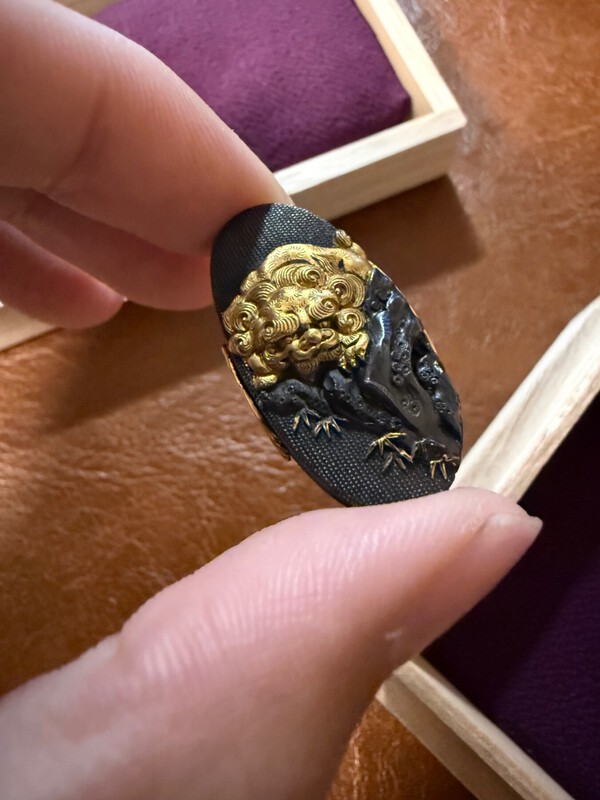
Hi everyone, I recently acquired a set of shakudo nanako fuchikashira with a lion motif, signed Eisen (英宣)—a pupil of Omori Eisho (大森英昌弟子). I noticed the last stroke of "Ei" (英) terminates as an inward dot rather than sweeping outward like most Omori school pieces I’ve seen online. Could anyone share reference oshigata or images of Eisen’s work? Does this stroke variant suggest a gimei (false signature), and would you recommend submitting this set to NBTHK for shinsa? Photos of the piece and the mei are attached below. Thanks for your help!