
Leaderboard


Popular Content
Showing content with the highest reputation on 12/07/2025 in all areas
-
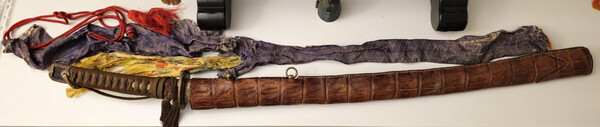
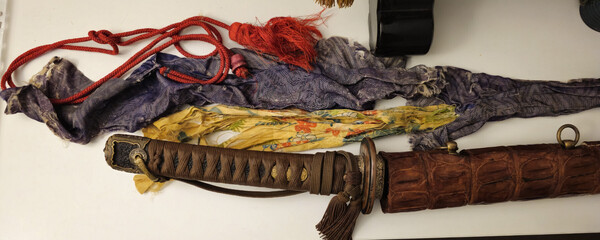
Just thought I'd ask about the value of original WWII sword bags, I know most are plain or made of lovely embroidered silk (like most sword bags), but what about this one? It is made of three small hi-no-maru sunball flags and two rising sun flags. Inside is lined with plain material and it is still on a WWII good quality bring back sword. Any ideas of historic worth or monetary value? It's not a subject I've ever thought about before but a collector friend saw it recently and said "wow - that is sooo cool!"....and I agree....so I thought I'd ask the board. Regards, George.
 5 points
 -
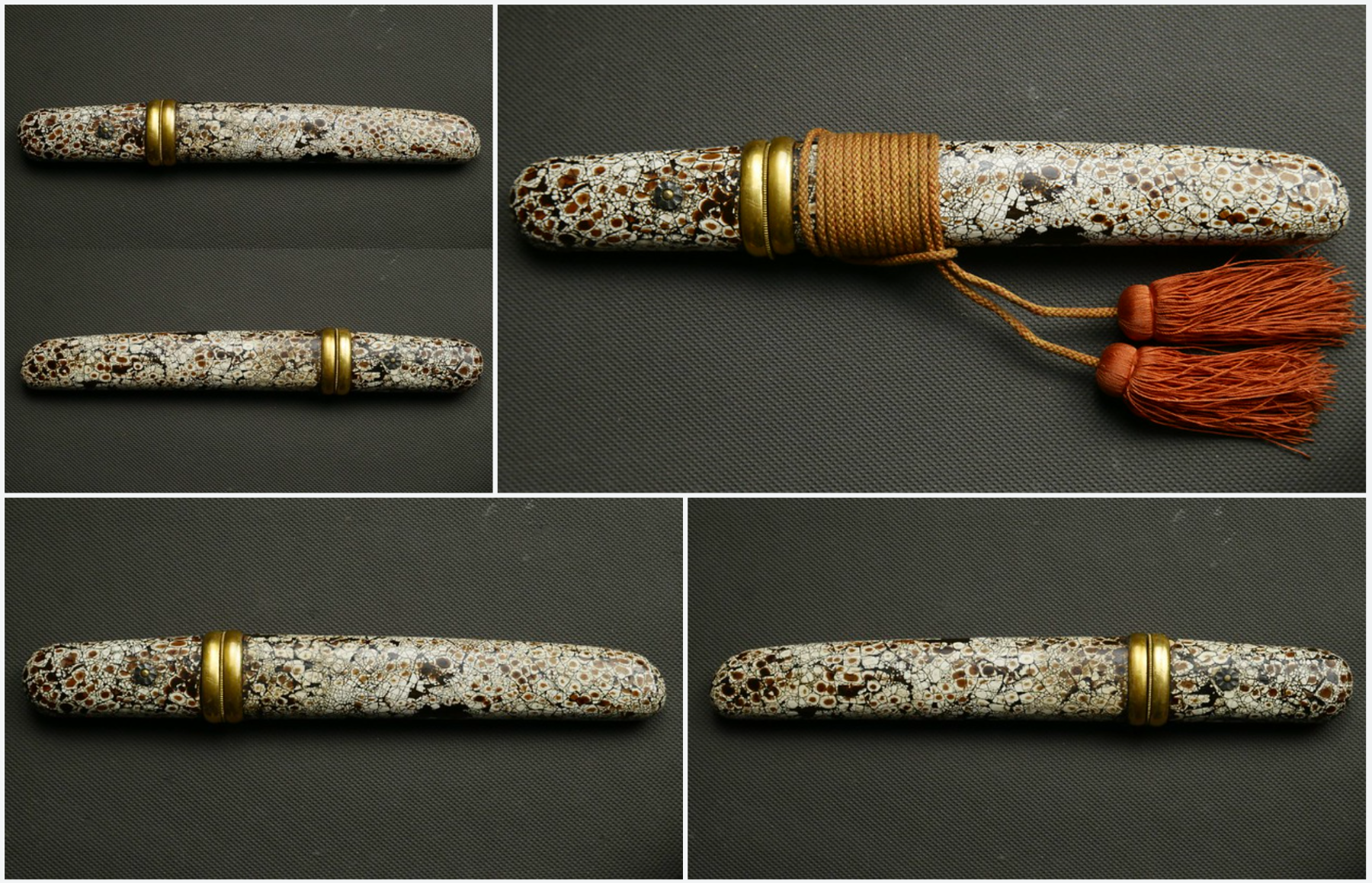
Here's my work - koshirae, using the Rankaku technique. There are a few spots I'd improve on next time—I'd do it better. This was my first piece of this type, so you know... Jabaraito maki is also mine. It's an ajiro-kumiage-maki, with the difference that there are 10 pairs (and here the orthodox will have their say) and, additionally, the bottom layer is made as a hineri maki with washi strings—koyori—on each hishi. Typically, they use morotsumami maki underneath, but I've also seen some like mine, and I think it's stronger without the tendency to slip.

 5 points
 -
New video:5 points
-
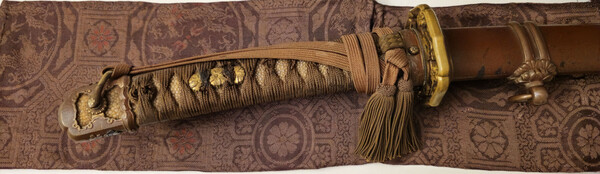
Something not seen very often these days as many were discarded over the years. Not sure if you could put a monetary value on one, but the historical value is significant as occasionally the officers wrote their details on them. Two swords in my small collection still retain original bags, unfortunately one is in tatters but was happy to keep it with the sword. The son of the WWII veteran confirmed it came to his father with the same bag. Others have come with bags that could certainly be original but the post war provenance isn't known. 1: Kai Gunto surrendered in Dutch Borneo 2: Yasumitsu from a US Lt. Colonel

 4 points
 -
Coing back to the title: tea time tsuba kettle
 4 points
 -
I nearly feel asleep watching this, its so relaxing. The filing the hammer. The perfect sounds for relaxing4 points
-
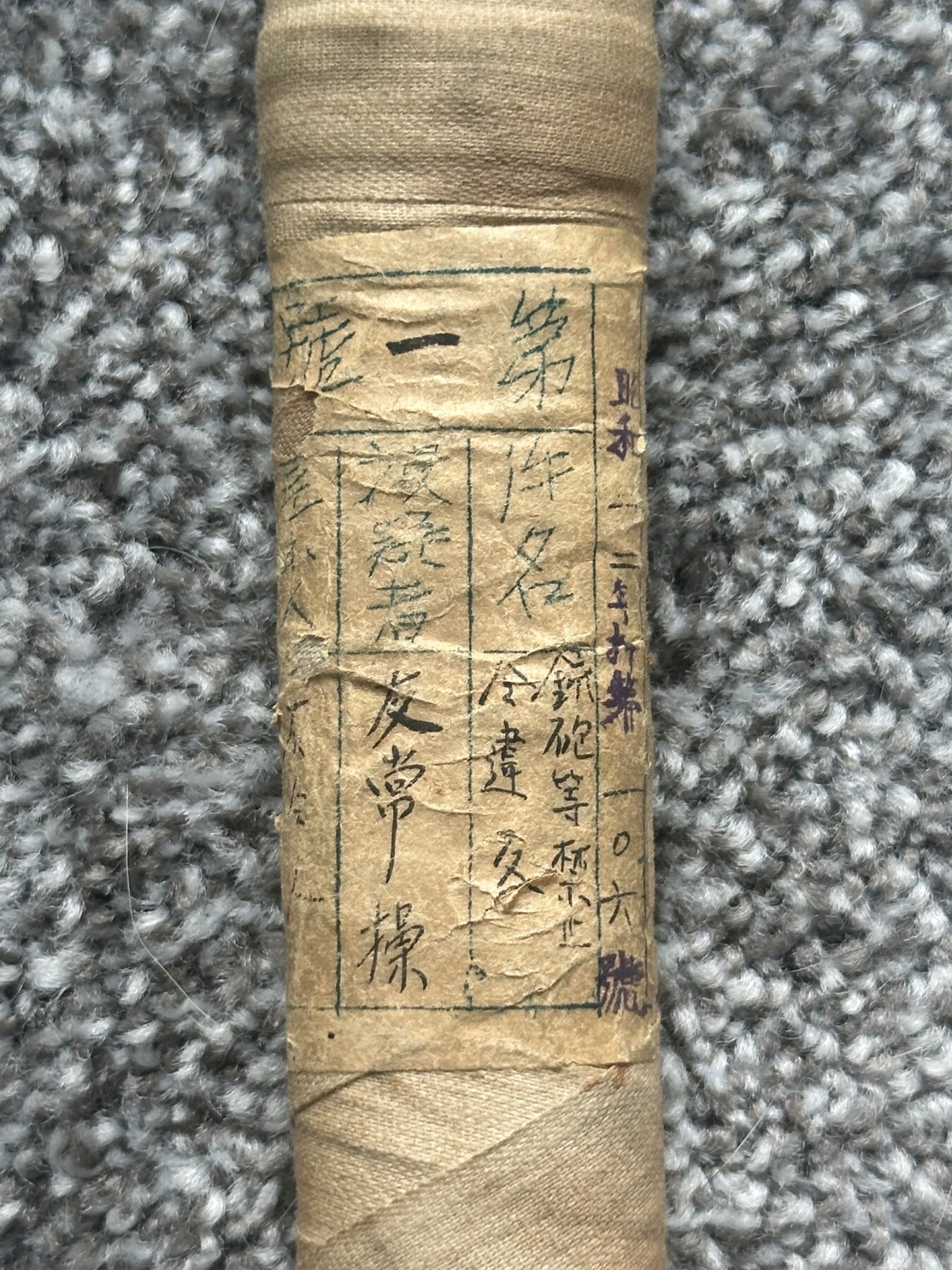
昭和二二年押第一〇六號 – Showa 22 year (1947), Seizure No. 106 I am unsure about the red character. 第一號 – No. 1 件名 銃砲等禁止令違反 – Subject : Violation of the Firearms (and swords) Prohibition Order 被疑者 友常操 – Suspect : Tomotsune Misao I cannot read the far-left line in the picture. This Firearms Prohibition Order was effective from 1946 to 1950.4 points
-
Let's not forget that the seller can also bid themselves up - as far as I know there is nothing to stop the seller doing this. Also the last second cancellation can be used which is also a big scam. Why don't these people just establish a minimum reserve? Would that mean they would get no bids or have to settle for a more realistic price? I have kept track of several items on Jauce now for uowards of seven years and the same item is still listed for the same stupid price today as it was seven years ago - you would think they would get the message by now!3 points
-
This late Edo period Kyoto koshirae comprises a coherent suite of Komai-school gold hon-zōgan fittings executed in the classic Unryū cloud-dragon motif. During the late Edo and Meiji periods the Komai school developed the highly refined iron-ground gold inlay technique that would later become internationally recognized in their production of inlaid boxes, cigarette cases, and decorative objects. The fuchi is signed Yoshitaka saku, identifying the maker as Komai Yoshitaka. The accompanying tsuba bears a kinzōgan signature Tadanobu saku, and employs a closely aligned decorative style and gold coloration, suggesting manufacture potentially within the Komai milieu or by an affiliated craftsman. Gold menuki depicting two pairs of mandarin ducks are mounted on the tsuka under black silk ito. The saya is finished in bengara-nuri (iron-oxide red lacquer) applied over a tōmaki rattan spiral wrap. This results in the characteristic helical relief beneath a high-gloss finish associated with Kyoto workmanship of the late Edo–Bakumatsu period. Playing with the phone camera and sharing these attractive mounts just for fun. I have seen a sister Fuchi/Kashira set mounted on a well-known Kiyomaro sword, so take them to be high class examples of the style. Questions / comments welcome.


 3 points
 -
If it helps I met Mark a couple of weeks ago at an event, this sword and a many of the other listings were on offer.3 points
-
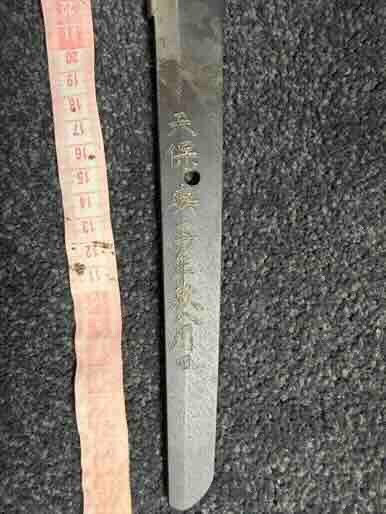
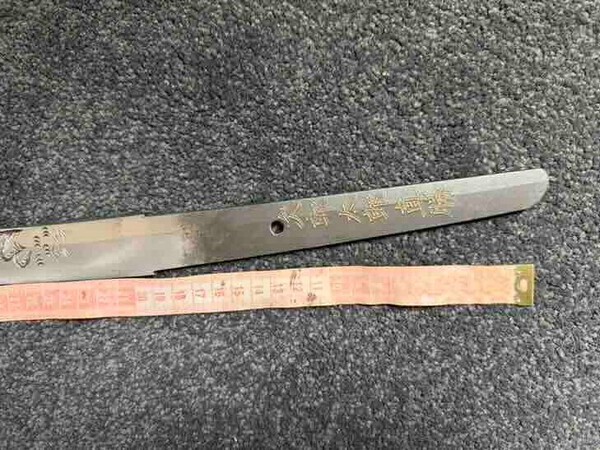
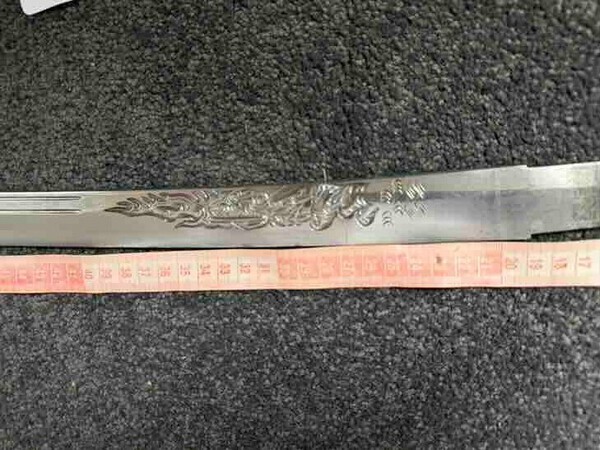
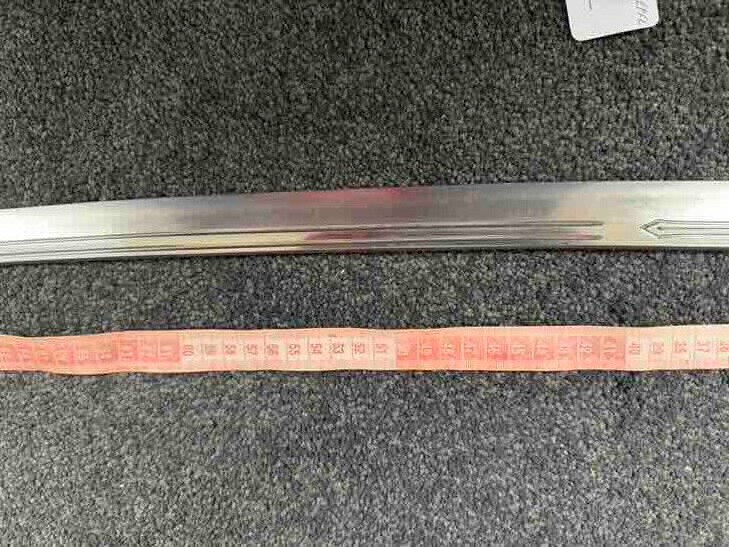
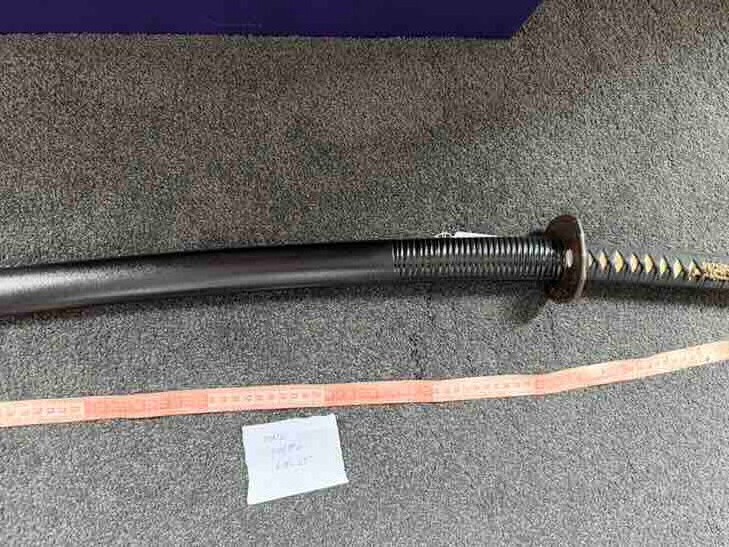
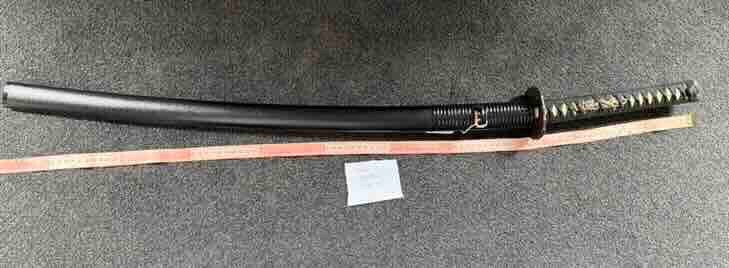
FS: Katana Samurai Sword Nihonto Consigned from an old collection Katana Signed Jiro Taro Naokatsu well made blade with Fudo Horimono, mounted in high quality Koshirae This katana was brought into South Australia by Rod Weathersby who was a major in the Canadian Air Force during the war. USD 2,100 including worldwide shipping and PayPal fee



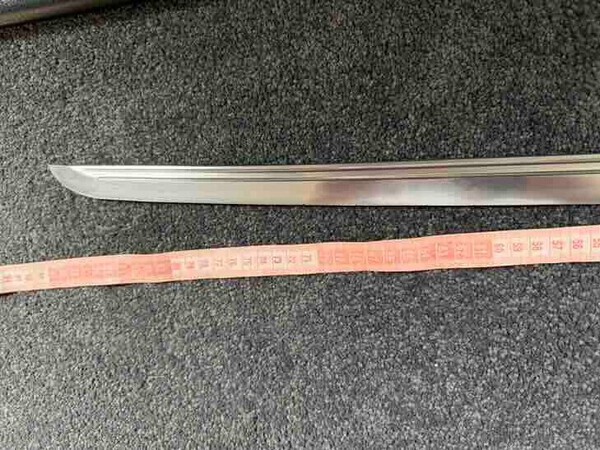


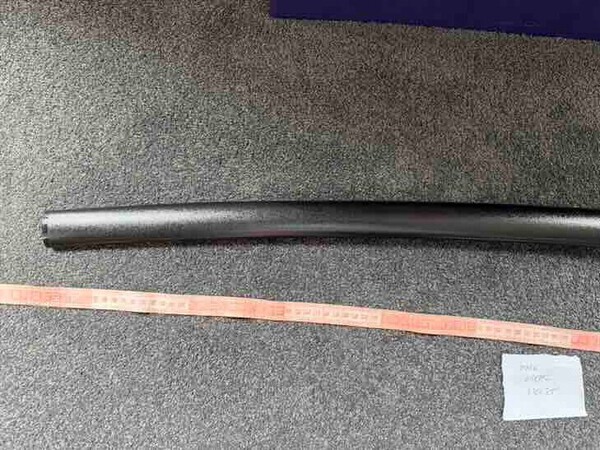
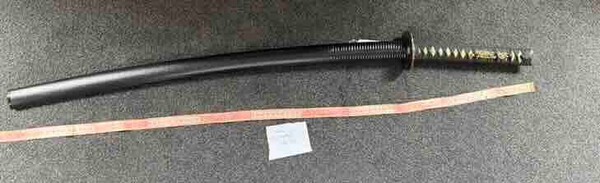
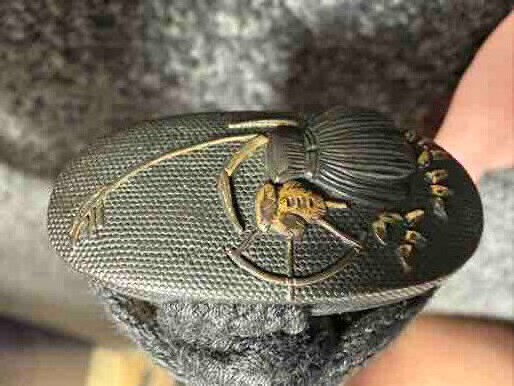

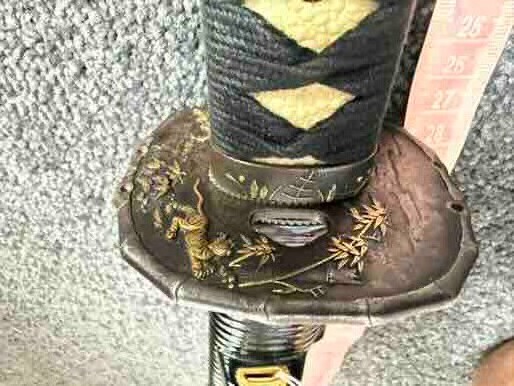


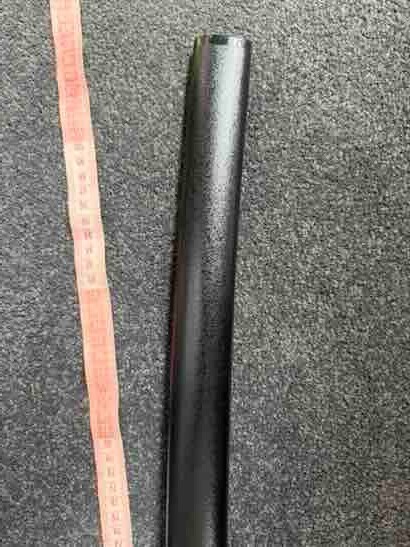
 2 points
 -
Sam, here are some pictures of what you’re looking for. If you want any other shots please let me know. Tom


 2 points
 -
@Nazar, I’m always amazed when people remember what books I’ve got in my reference library Yes, I’ve got what you’re looking for. I only found Kiyonobu in one of the three, and it’s the same one from that old thread. I’ll include all the pages relevant to Kiyonobu below. Something that immediately grabs my attention, is the abrupt change in nakago-jiri on the arsenal setting example. I hope this helps, Best regards, -Sam


 2 points
 -
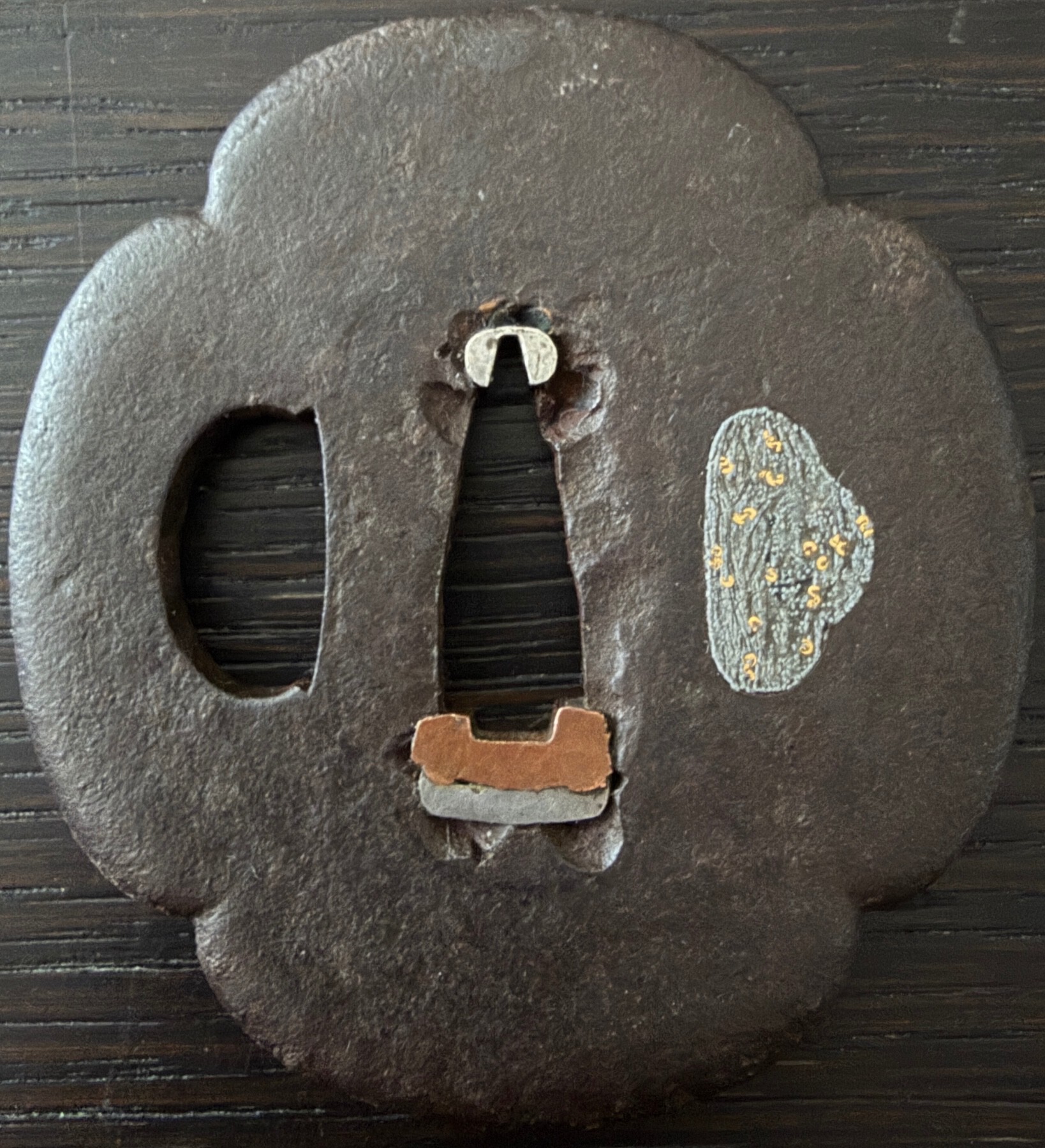
I picked this tsuba up a while ago. My first one. Its simplicity and 'honesty' appealed to me and that it was mounted at least 2 times. Apart from the mokko gata shape the only other adornment is quite an intricately designed and execution of gold inlay in the filled hitsu-ana. The vertical lines scored in the material (I assume its lead alloy) are reminiscent of stems and the gold representing the flower heads eg iris. Could this embellishment have been added at a later date? Any ideas regarding period and maker/school?
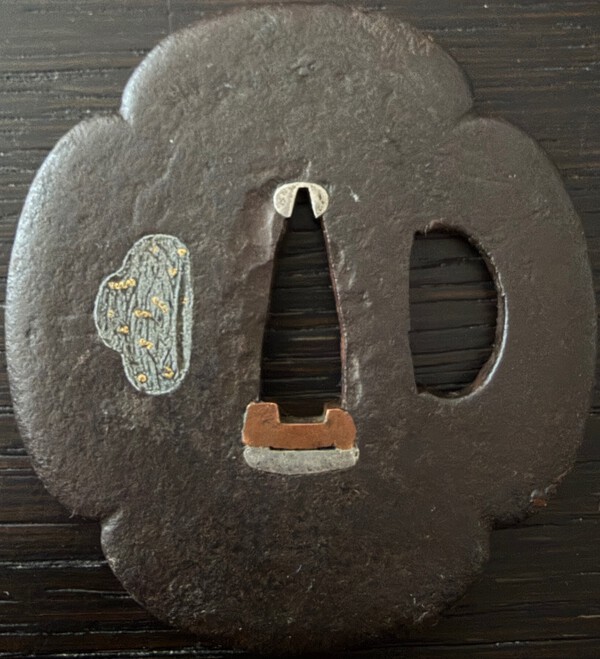
 2 points
 -
I definitely think so. The TSUBA could have some age, maybe end of MUROMACHI or very early EDO, but unfortunately, corrosion is not a good indication of age.2 points
-
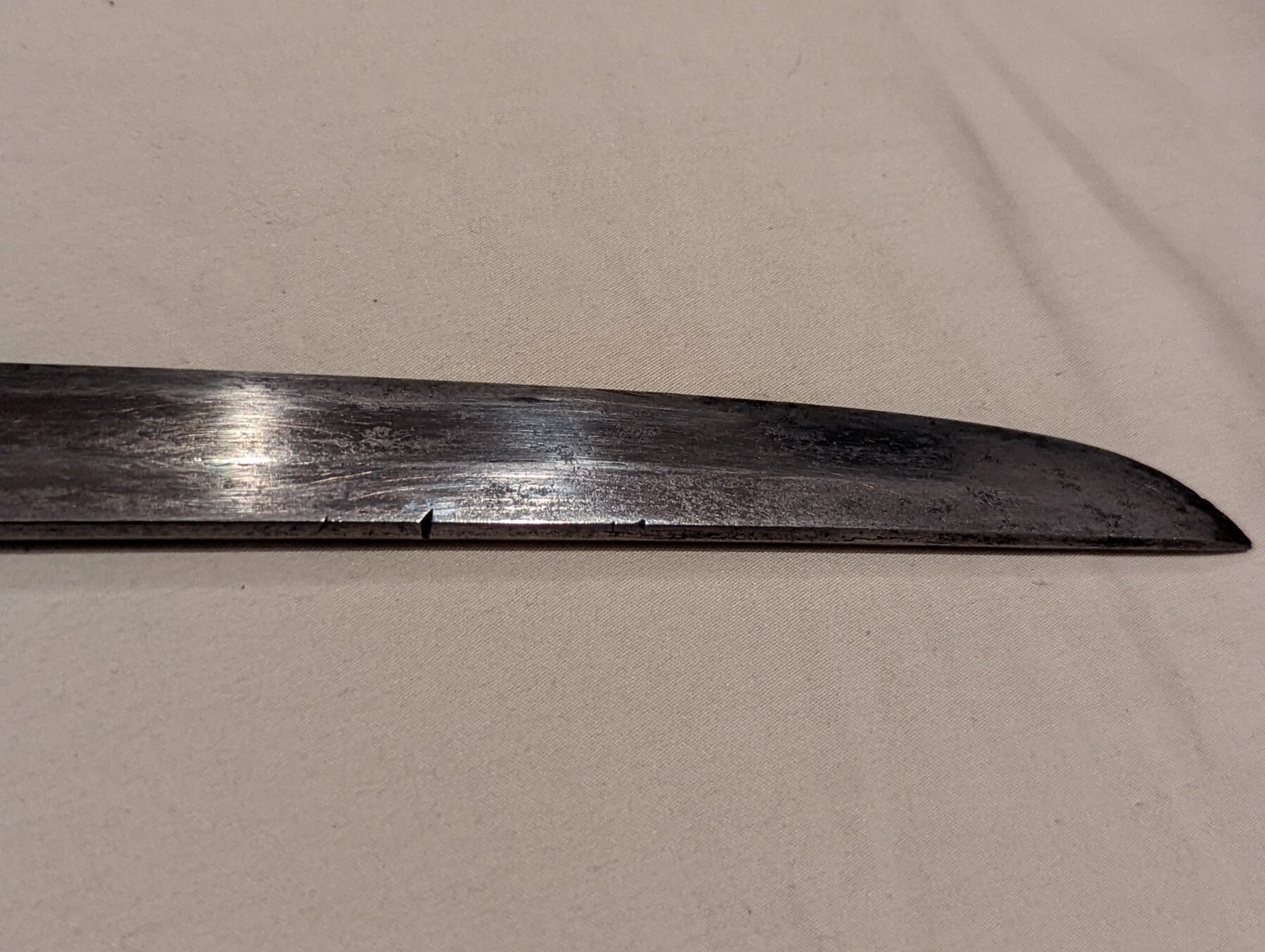
It's in Japan at the moment so don't have it at hand tot take better photos but one of my blades has a couple of kirikomi. It's being polished at the moment but i wanted to them to leave it in as part of its story
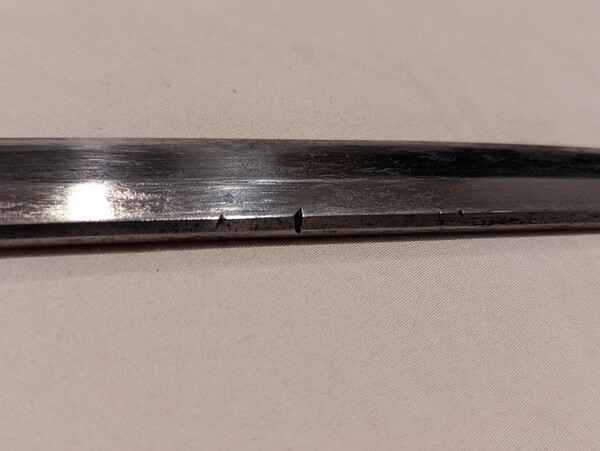
 2 points
 -
This belonged to my father and I was wondering what this translates to


 2 points
 -
There's something comforting, almost meditative, about observing master artisans doing their work.2 points
-
Last sword I bought was a few years ago. Double mukansa blade (from province D) that was made for the head of the LDP (also from province D). Blade, habaki, and shirasaya were made in 2002. I admit part of the appeal was the price included a double gold habaki. In hindsight, it looks like I bought a habaki with a sword attached to it.2 points
-
Brad, to make it easier, better post this in the TRANSLATION section where the experts are. I think I can read TOMOTSUNE.2 points
-
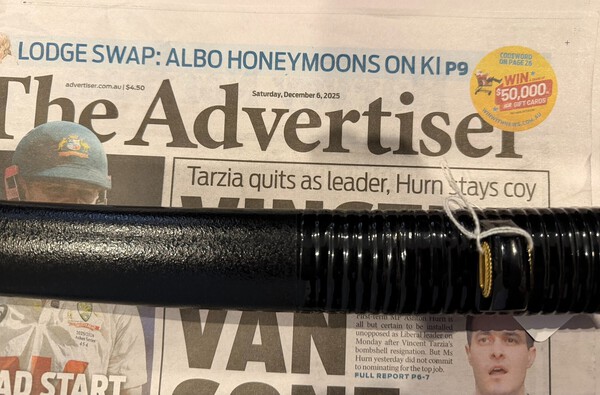
Hi Brian Sorry for the confusion. I am selling this sword (and other items) on behalf of my Dad who collected Nihonto for about 40 years. John Grasso at Nihonto Australia is assisting me to sell them as well and I am now posting the items on Facebook, this forum and Ebay as I want to sell them. I must have messed up on the price I told him to put on this one and I have contacted him re the re-adjustment. For proof of ownership, here is a pic of the sword with yesterday's South Australian The Advertiser newspaper. Cheers Mark
 2 points
 -
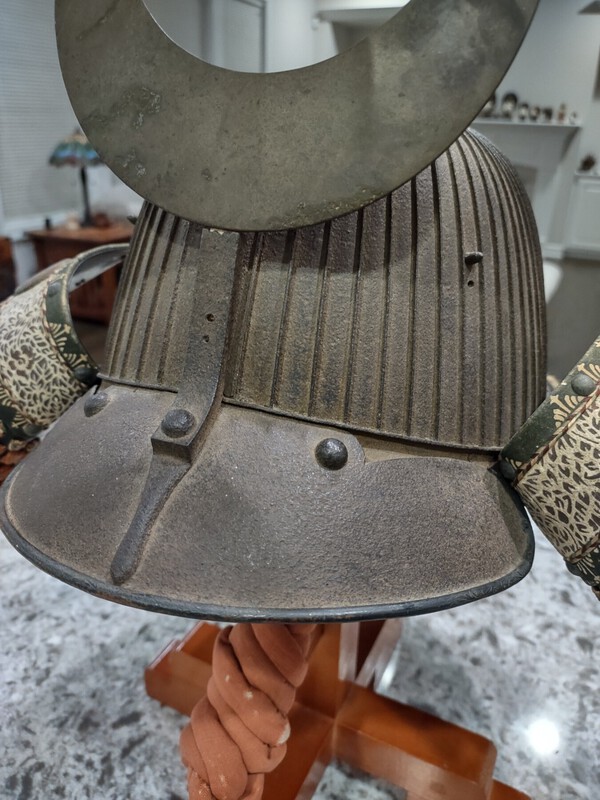
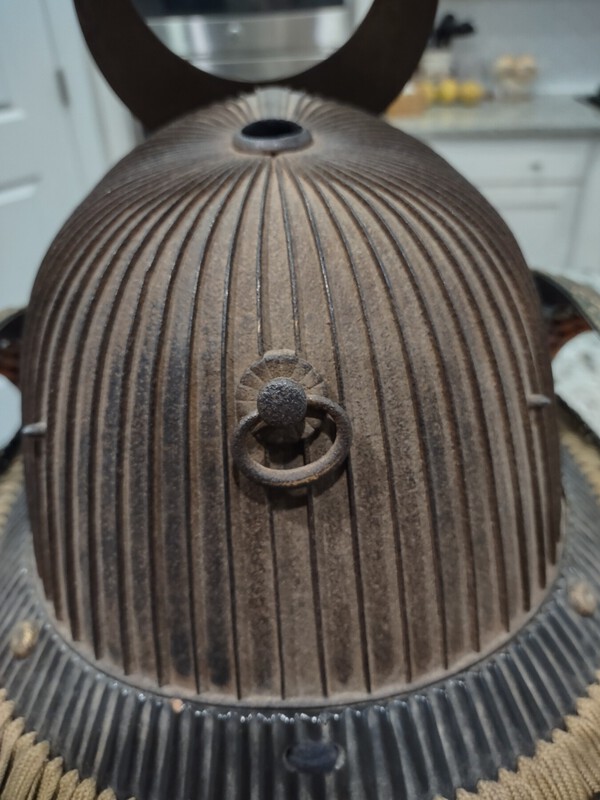
Kabuto - 62 plate heavy . Iron Tehen and Agemaki ring. Edo period signed Saotome Ienari. This is a very well made helmet. Many thanks to Nick Ricupero for selling this to me.


 1 point
 -
I’ll try and get photos of those later today or tomorrow and upload them here. I’m really glad that I can help! Tom1 point
-
If you want pictures of the late Jinsen swords with cloth ito please just let me know. I hope this helps you with your project. Good luck! Tom1 point
-
Brass tsuba with mirrored ito.


 1 point
 -
Later copper.



 1 point
 -
Early copper.


 1 point
 -
Another one.


 1 point
 -
I have never seen an original WWII bag for sale by itself. The new ones, from Japan, range from $50 to $200. Flags range from $50 to $1,000. I'd say you'd have carte blanche to ask whatever you like on such a unique item.1 point
-
Hm. I had seen the mark earlier and assumed it was simply a flaw in the steel. But after seeing another one of his with a mark in the same place, I tend to agree with you. There are many blades with punched dots, but up to now, they are always (there's that word!) near the jiri or on the mune. This does seem a unique personal practice of some sort.1 point
-
Marcin, Yes the bag is genuine and is well made...it has some wear on the inside where the hilt ends, obviously from the rubbing it received when folded over the hilt end and tied up, so I do think it has 'always' been with this sword. The sword came from a returned soldiers widow who only knew that he acquired it in the Pacific but knew no more of her husband's / the sword's history. Personally, I always thought it was made by the Japanese officer's wife and was made of national flags to reflect the officer's patriotism. To me, this sword bag 'displays' the WWII patriotism of the Japanese officer who owned this sword and the patriotism and affection the officer's wife (who I presume made it) had for him and their country - I certainly do not think anyone would have criticised the officer or his wife for making a 'patriotic' bag out of small Japanese flags as this bag is not the type of item anyone would carry around on public display in the streets. . Considering all this, I wondered if members had any interest/regard for the history/value of these original WWII bags. I'd be interested in what members think of these matters. Regards, George.1 point
-
All good, and thanks for the clarification. Seems to be a deal of a deal for someone even if likely gimei1 point
-
A finely made Habaki is such a pleasant object, thank you for sharing.1 point
-
That's also a cool piece of history, as it has documentation of it's confiscation after the war. Very nice.1 point
-
Nazar, Looks like you have more of them than I do. I only have 7 with Seki stamp, and 6 with Tan. All 13 have the full mei, though, compared to yours with 2 kanji. I don't see him in Sesko's list, so Slough is my only source for listing him as Nagamura Kiyonobu from Gifu. Maybe @mecox has a write-up about him in one of his articles?1 point
-
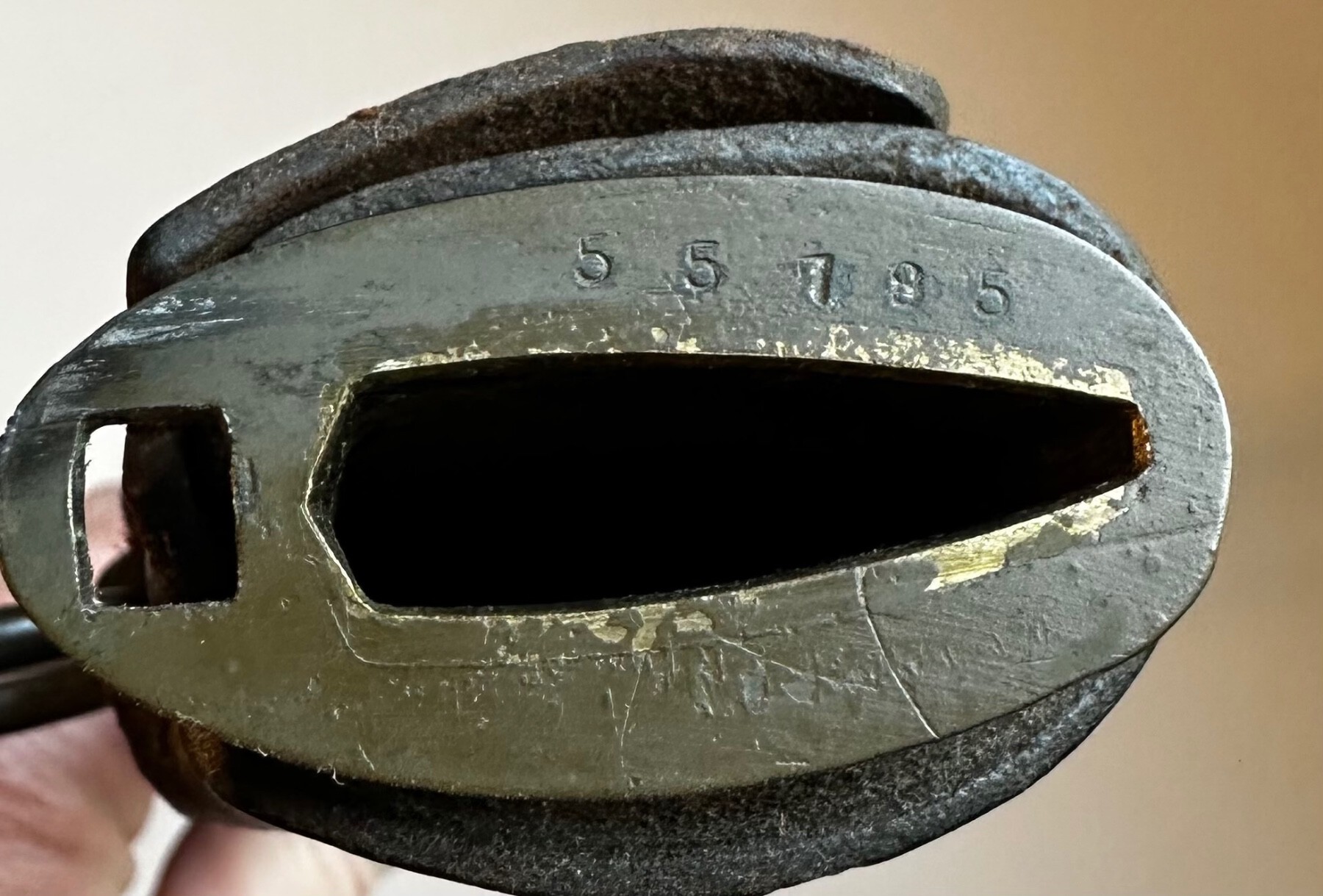
Looks like the inspector stamp was on the blade side opposite the serial number, with the Tokyo and date stamps on the guard, through around 13,000. Then all the stamps moved to the guard. Of course, this is based on a very limited sample size and may not be completely accurate. John C.1 point
-
Sat in on a two-day workshop as a habaki creation interpreter for a shirogané-shi and was stunned by the serious amount of detailed work and the numbers of materials, tools and processes.1 point
-
No. Nothing like that. In fact, I thought for a moment that a digit might have been ground off, however the gap between the blade and latch is only slightly wider than what I would expect. John C.1 point
-
Ienari, my first Saotome was one! Splendid smith.1 point
-
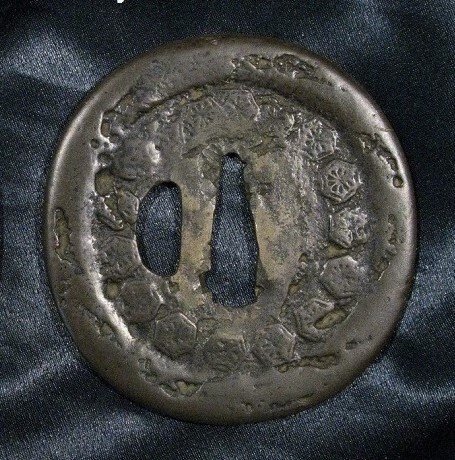
Here's another with features similar to my new one: thin plate with blurry hi-relief images, and the distinctive worm-eaten rim (borrowed from a website for educational purpose). Are we to think these were made by the same craftsmen who made Curran's? Seems unlikely, they are so different. Are these older or younger? Copyright Elliott Long
 1 point
 -
Wow! Very nice set you have added to your collection there! I will have to add the Komai school to my radar for future reference!1 point
-
May he rest in peace1 point
-
Stephen King sent me this link to a nice Kozuka https://www.ebay.com.au/itm/1575201490901 point
-
That is very sad. He was a legend when it came to fittings photography and the KTK, and really knew how to capture the soul of tsuba in images. I knew he was battling with his health. This is a sad loss. RIP and condolences to his friends and family.1 point
-
Hi Laurens, the maker is Munesuke and Kyōhō marks the period!1 point
-
Koshirae Featuring Rankaku Urushi Technique. Do You have any idea about is't origin?
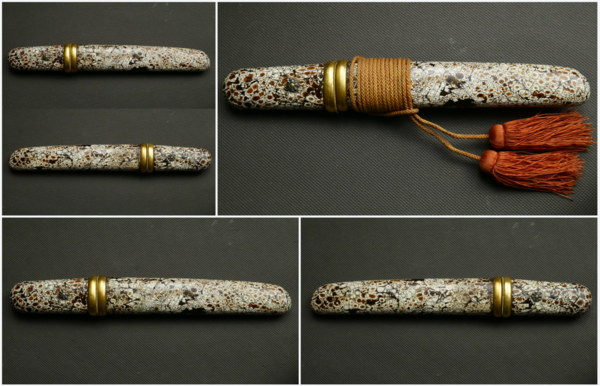


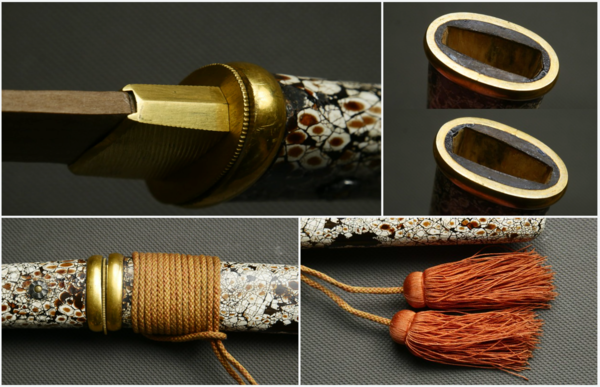 1 point
 -
Hi Hector, I look forward to your new book coming on line. As for my 1989 book...yes, many of the swords are in need of attention...probably much worse now after 35 more years. Regards, George.1 point
-
Hi George, Sorry for the late response - I only sign in around every three days or so to see what's going on. 😁 The seller didn't indicate the number of pages and I'm still waiting to receive it. If it's too delicate to scan without breaking the spine, then I'm planning to very carefully hold it open and photograph each page in turn - if that is an acceptable alternative to everyone? Incidentally, on the same day I was lucky enough to get hold of a nice copy of your own 1989 title 'Japanese Swords and Fittings in the Western Australian Museum'! An excellent read but heartbreaking to see so many amazing blades out of polish. Best, Hector
 1 point
 -
Hi, No one seems to have mentioned that the NBTHK Hozon attributes the tsuba as mumei: Mito best regards, John1 point
-
its a nice piece of iron, interesting idea. but ninja hahahahha some idiot paid 500,0001 point


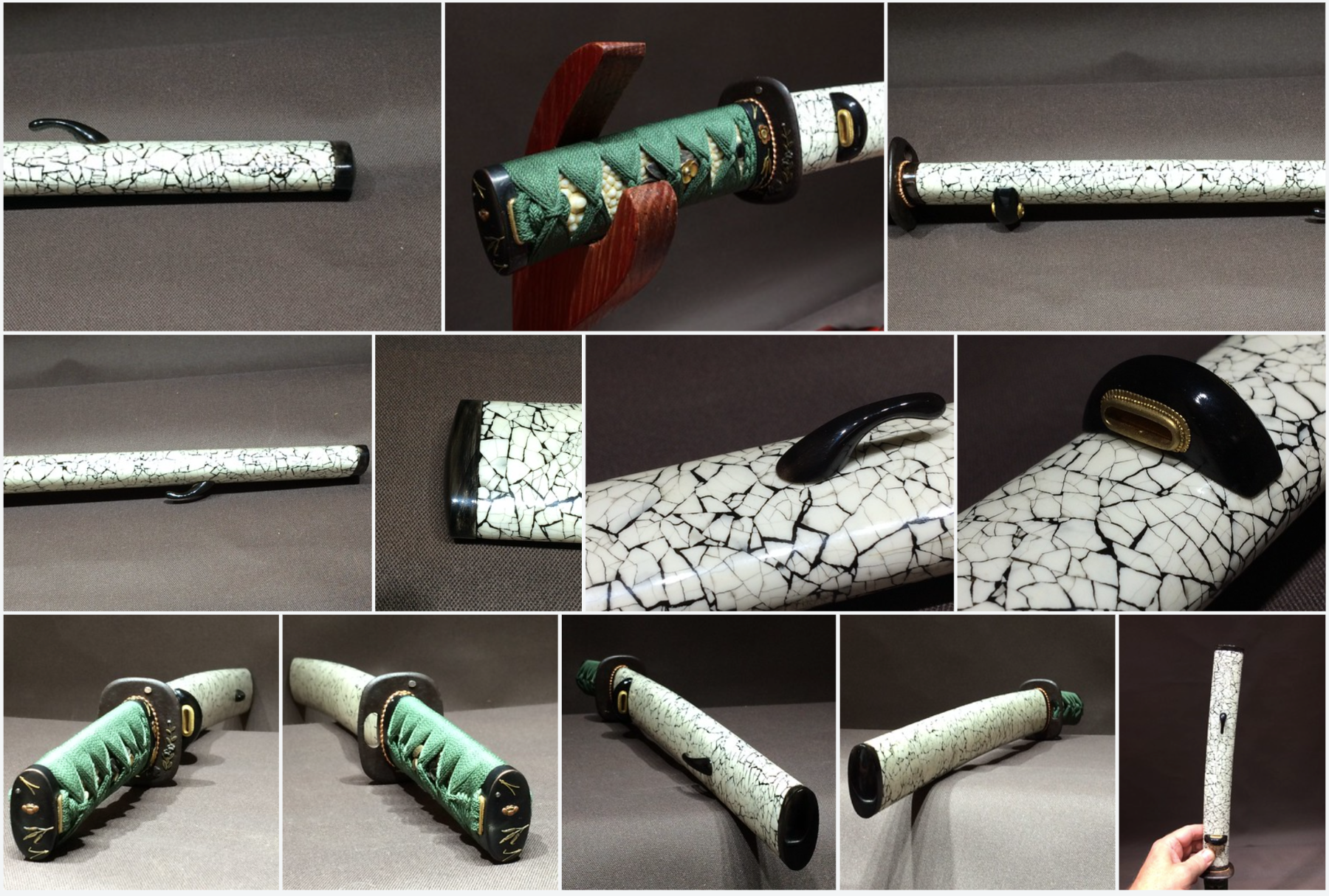




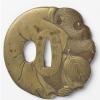





















.thumb.png.4c5df79fec171b2dc4a23af38e280a4d.png)




This leaderboard is set to Johannesburg/GMT+02:00